
Why do deepfake videos bypass traditional fact-checking methods?
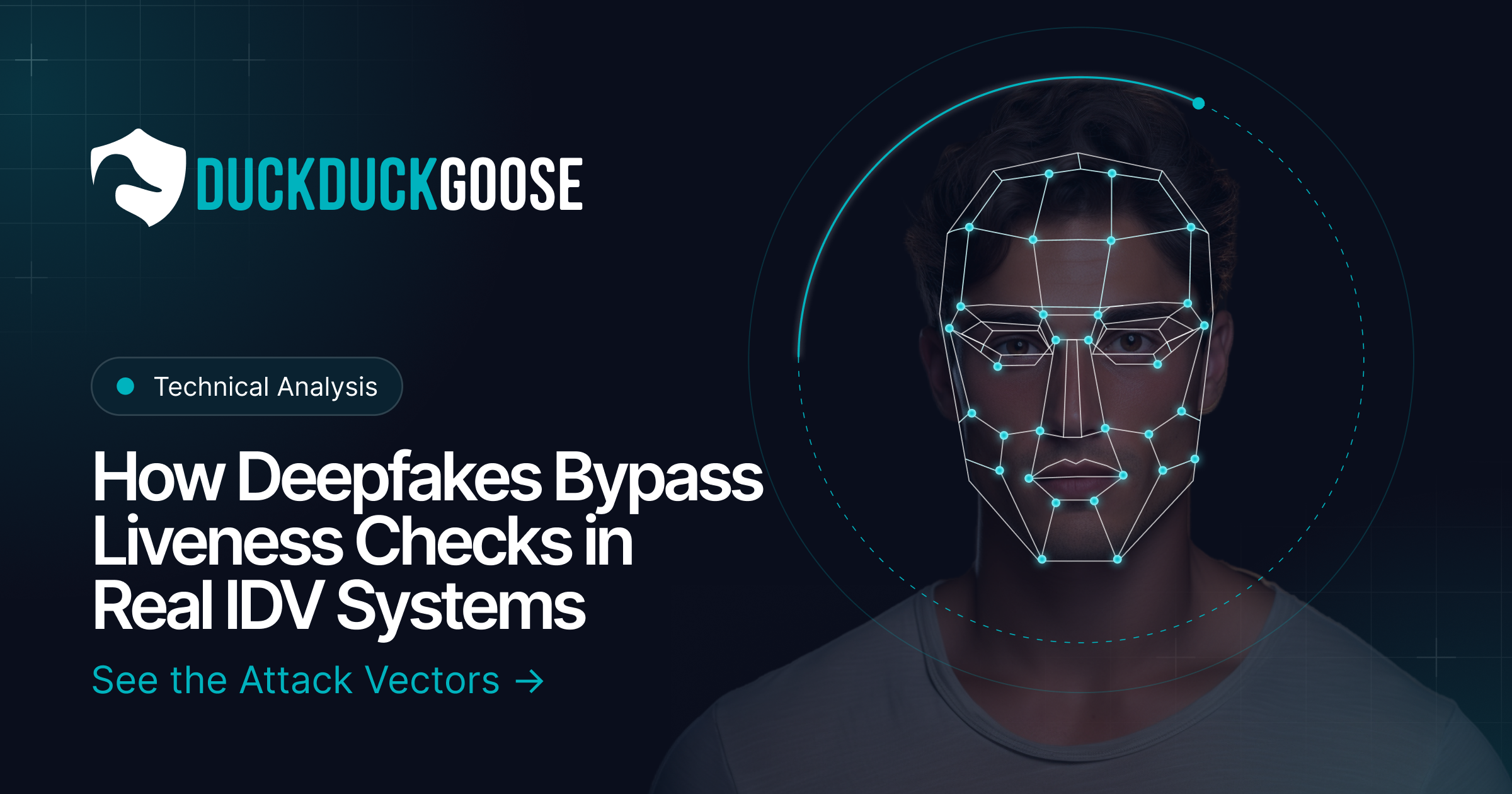
Deepfake videos bypass traditional fact-checking methods by leveraging high technical sophistication that generates reactive faces with realistic micro-expressions and appropriate response latency to fool human reviewers and automated systems [1]. These generative models can produce content that eliminates visual inconsistencies relied upon by older tools, and newer tools will fail to catch them if detectors are not continuously updated [2]. Furthermore, advanced attacks can bypass verification pipelines through transport-layer manipulation, such as injection attacks that feed synthetic biometric data directly into the system before content-layer detection can analyze it [3]. Adversarial evasion techniques like SquareAttack, BoundaryAttack, and DeepFool also intentionally alter inputs to deceive AI-driven classifiers with minimal or imperceptible perturbations [4].
To address these vulnerabilities, emerging detection approaches focus on several fronts. Transport integrity verification is required to confirm that capture devices are genuine and that the video stream itself is trustworthy [5]. Injection Attack Detection (IAD) is being defined as a separate standard to complement traditional Presentation Attack Detection (PAD) [6]. Additionally, defenders employ continuous retraining of content analysis models, adversarial training, gradient masking, and input modifications like noise filters to counter evasion tactics and improve classifier robustness [7].[8][9]
Veamos alternativas:
- Modifica la consulta.
- Inicia un nuevo hilo.
- Eliminar fuentes (si se han agregado manualmente).