Entrada de Pandipedia
GeoServer CVE-2024-36401 response: what the attack chain teaches defenders
01
GeoServer CVE-2024-36401 response: what the attack chain teaches defenders
How does a public GeoServer bug turn into full intrusion?
CISA says CVE-2024-36401 was exploited on public-facing GeoServer systems, then the campaign moved through web shells, cron jobs, valid accounts, brute force, PowerShell, BITS jobs, and Stowaway.[1]
02
GeoServer CVE-2024-36401 response: what the attack chain teaches defenders
03
GeoServer CVE-2024-36401 response: what the attack chain teaches defenders
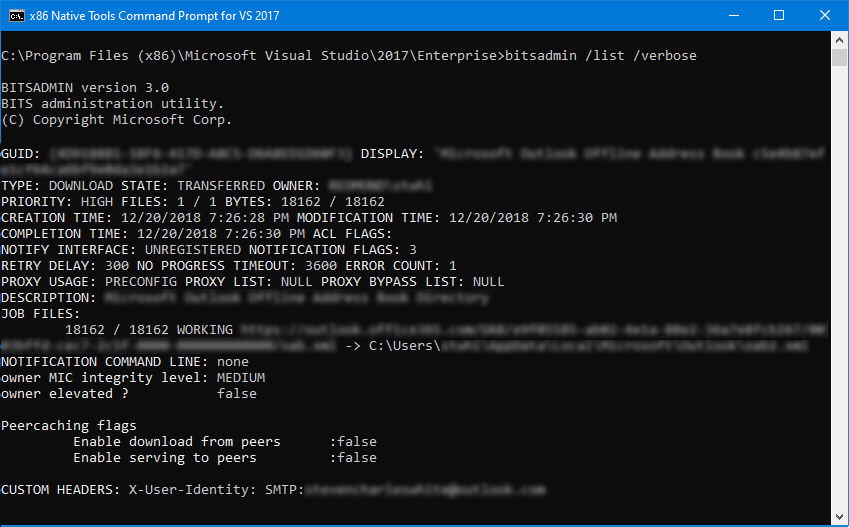
CISA also says they used brute force to get passwords for lateral movement and privilege escalation, abused service accounts, and ran PowerShell plus bitsadmin getfile to pull payloads before BITS jobs and web shell execution helped hide activity.[5][6][7]
04
GeoServer CVE-2024-36401 response: what the attack chain teaches defenders
05
GeoServer CVE-2024-36401 response: what the attack chain teaches defenders
Lo sentimos, Pandi no pudo encontrar una respuesta.
Veamos alternativas:
- Modifica la consulta.
- Inicia un nuevo hilo.
- Eliminar fuentes (si se han agregado manualmente).
Sigue explorando
Explora temas relacionados
Classify Identity and Cloud Intrusion PatternsLAUNDRY BEAR’s Zimbra chain, from phish to exfilFive operational threat-hunting leads from recent CISA advisoriesWhat is the theory of relativity?Building Resilient AI InfrastructurePost-Quantum Cryptography Migration: An Enterprise PlaybookWhat should defenders do about Iranian-affiliated PLC targeting?. Build a multi-section brief covering the threat, affected internet-exposed PLC scope, observed access paths, ports 44818, 2222, 102, 502, and 22, ATT&CK techniques, and defender actions. Include a mitigation priority table that separates immediate exposure reduction, log review, project file validation, Rockwell AOI checks, and vendor hardening guidance.ATT&CK mapping decisions for detection engineering