Descubre Pandipedia
Un directorio creciente de respuestas útiles seleccionadas por la comunidad de Pandi. Busca en la colección o explora los últimos descubrimientos.
2272 entradas disponibles
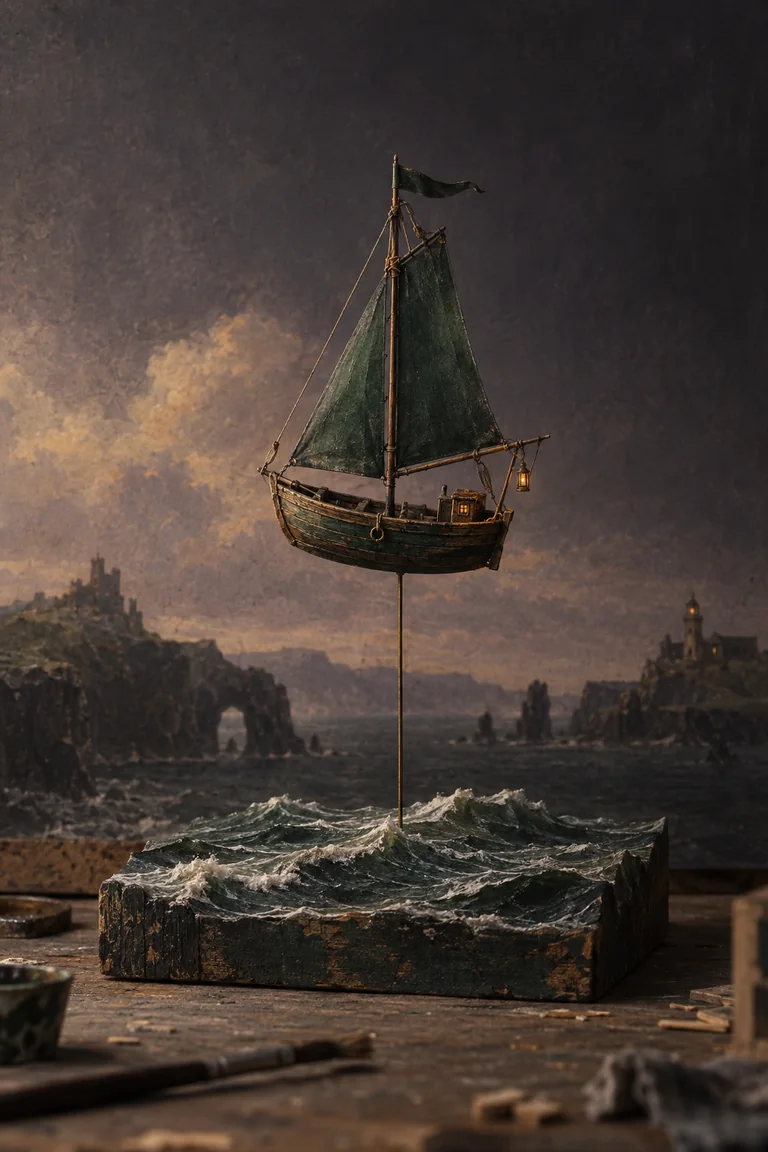
The visible seam that keeps the wonder tangible
Veamos alternativas:
- Modifica la consulta.
- Inicia un nuevo hilo.
- Eliminar fuentes (si se han agregado manualmente).
Why the 1993 and 1997 Mars plans assembled differently
Where would the spacecraft be put together? The 1993 Design Reference Mission (DRM) assumed no assembly in low Earth orbit: its plan called for heavy-lift rockets, each carrying a Mars spacecraft together with its nuclear propulsion upper stage[1]. In the 1997 DRM, spacecraft and nuclear propulsion stages would launch separately, dock in Earth orbit, and then depart for Mars[2].
How would the later plan handle Mars arrival? The 1997 DRM proposed an aerobrake integrated with the spacecraft hull alongside nuclear rockets[3]. Aerobraking means passing through the upper atmosphere so air resistance slows a spacecraft, reducing the braking needed to enter orbit[4]. Both DRMs were reference plans, not flown human Mars missions[5][6].
Veamos alternativas:
- Modifica la consulta.
- Inicia un nuevo hilo.
- Eliminar fuentes (si se han agregado manualmente).
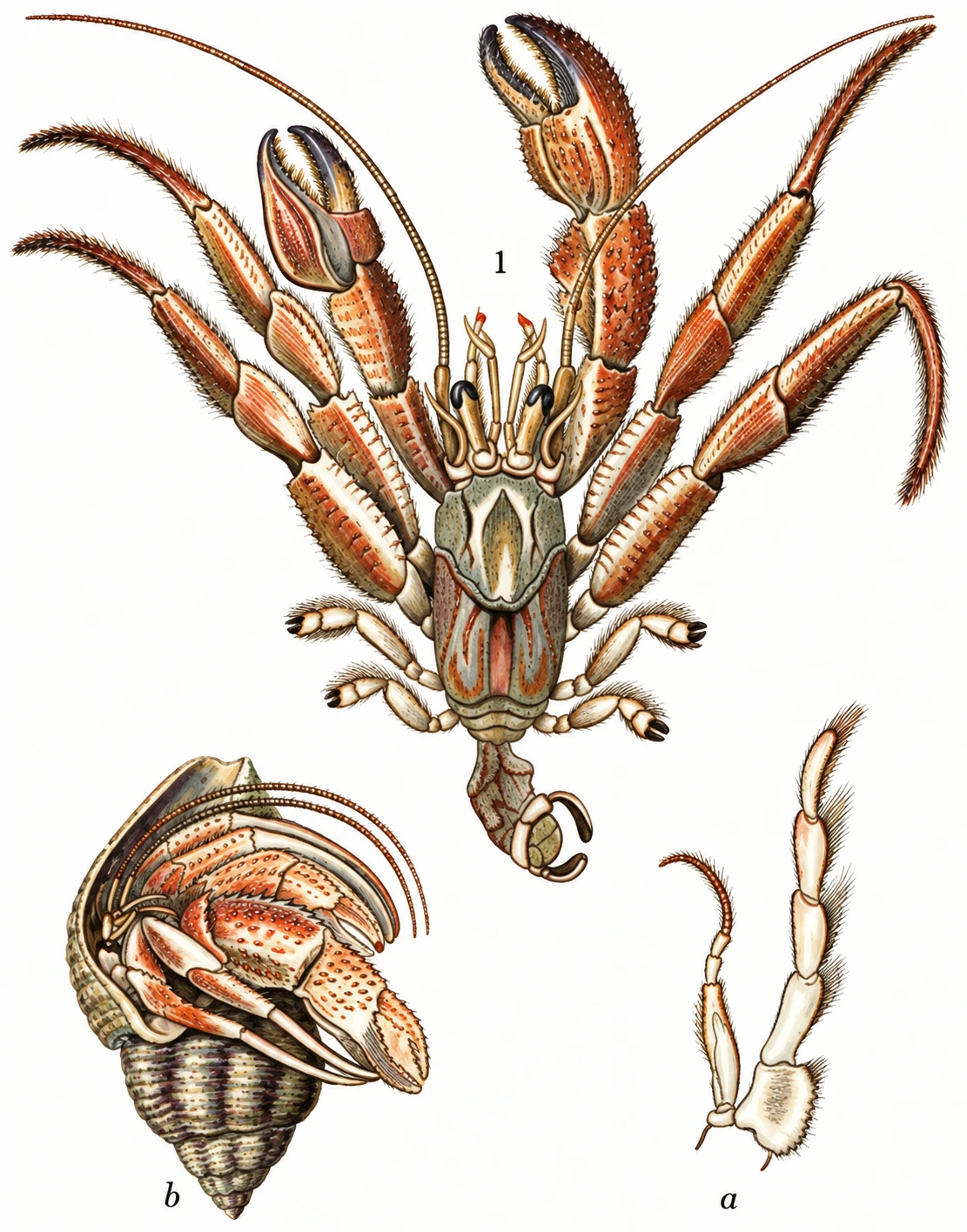
A borrowed shell, a growing tenant
Veamos alternativas:
- Modifica la consulta.
- Inicia un nuevo hilo.
- Eliminar fuentes (si se han agregado manualmente).
A little hut for old memories and new growth

Veamos alternativas:
- Modifica la consulta.
- Inicia un nuevo hilo.
- Eliminar fuentes (si se han agregado manualmente).
How a Telescope Revealed a Star City
On a very dark night, the book says, one or two of these star clusters may appear to the naked eye as faint spots against the black sky; others cannot be seen without a telescope[1]. Through a powerful telescope, the little round patch takes on a startlingly different character: it is not a single light, but a gathering of minute stars crowded together[2].
To help readers picture it, the book suggests shaking pepper onto a small circle of paper. The grains heap up at the centre, thin out towards the edge, and finally stand apart; imagine each grain shining as a star against a dark background[3]. The book attributes to Herschel a calculation that more than 2,000 stars were visible in some such clusters. That is its historical estimate, not a present-day count[4]. The astonishment lay in the change of scale: what the unaided eye could barely register as a smudge became, under the telescope, a densely patterned host of individual lights[5].
Veamos alternativas:
- Modifica la consulta.
- Inicia un nuevo hilo.
- Eliminar fuentes (si se han agregado manualmente).
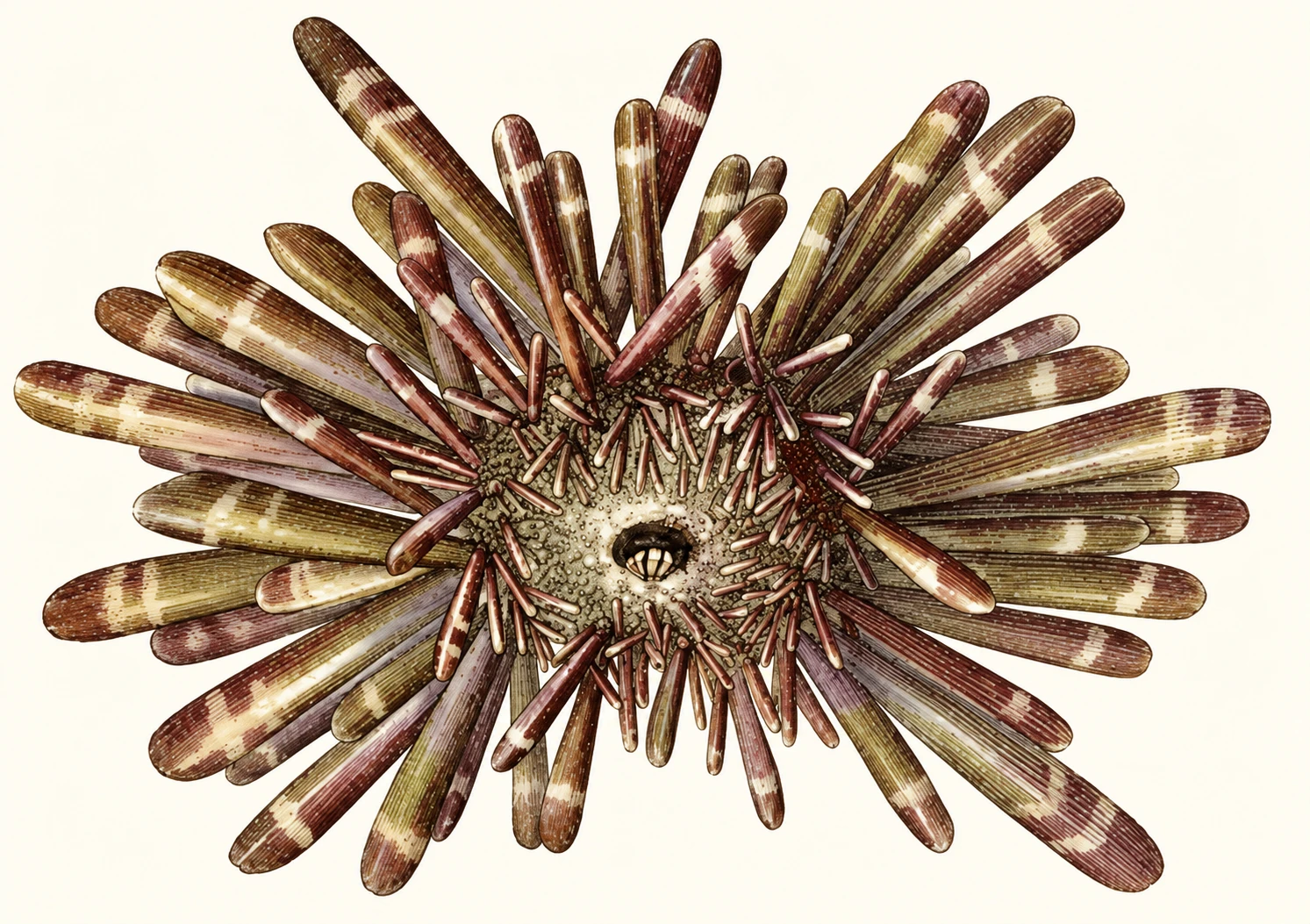
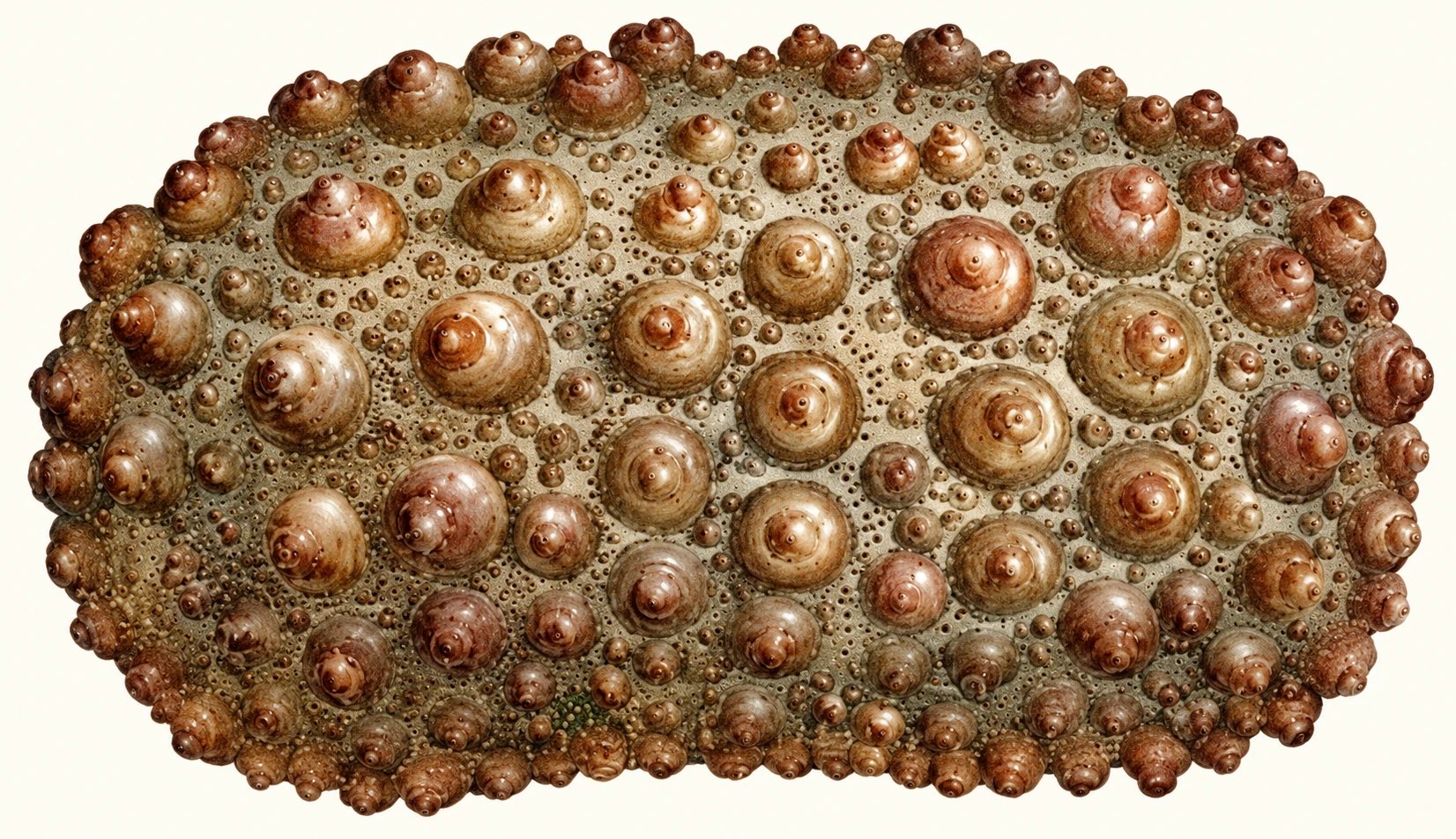
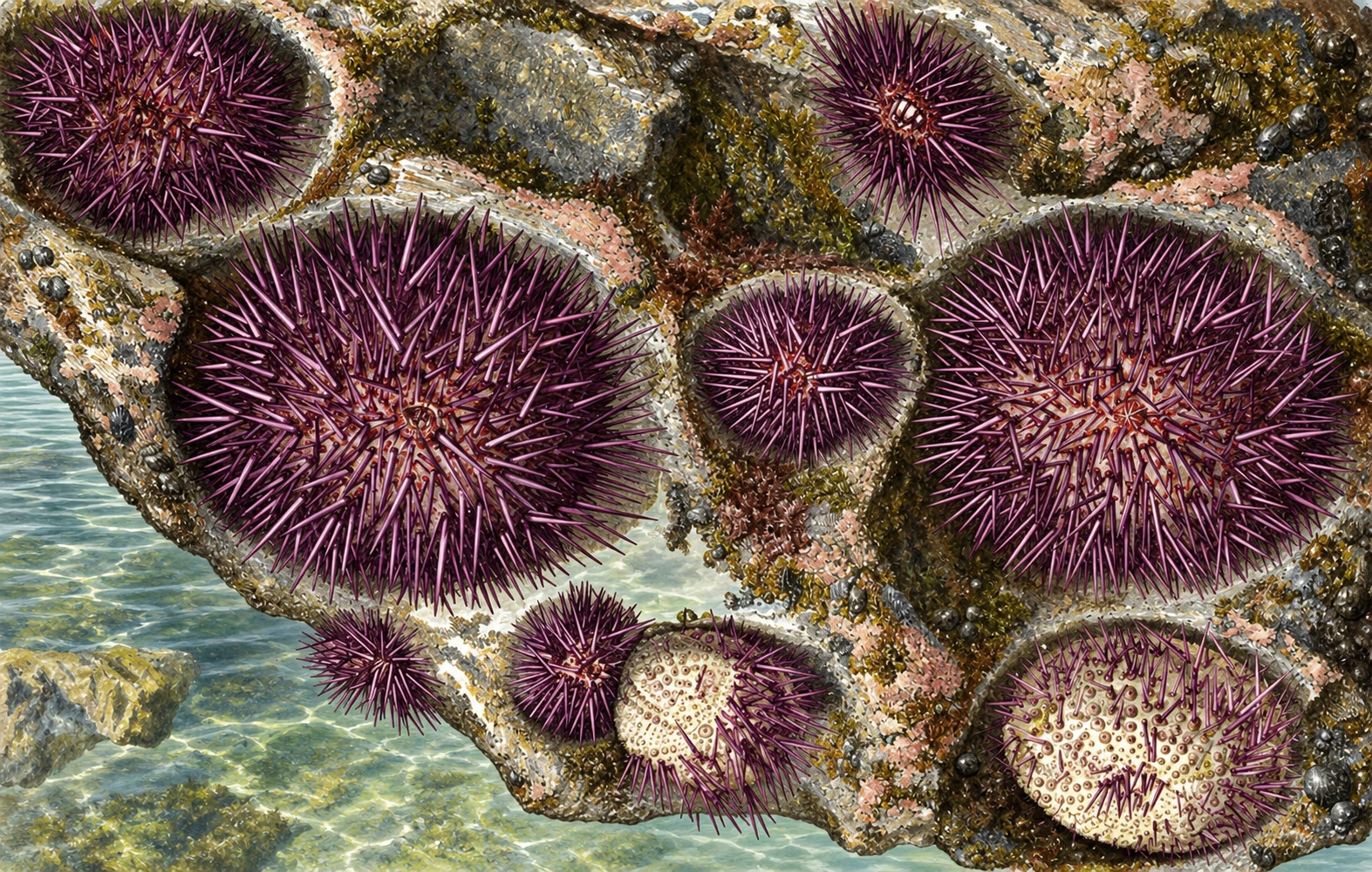
The same sea urchin, with and without its armour
Veamos alternativas:
- Modifica la consulta.
- Inicia un nuevo hilo.
- Eliminar fuentes (si se han agregado manualmente).
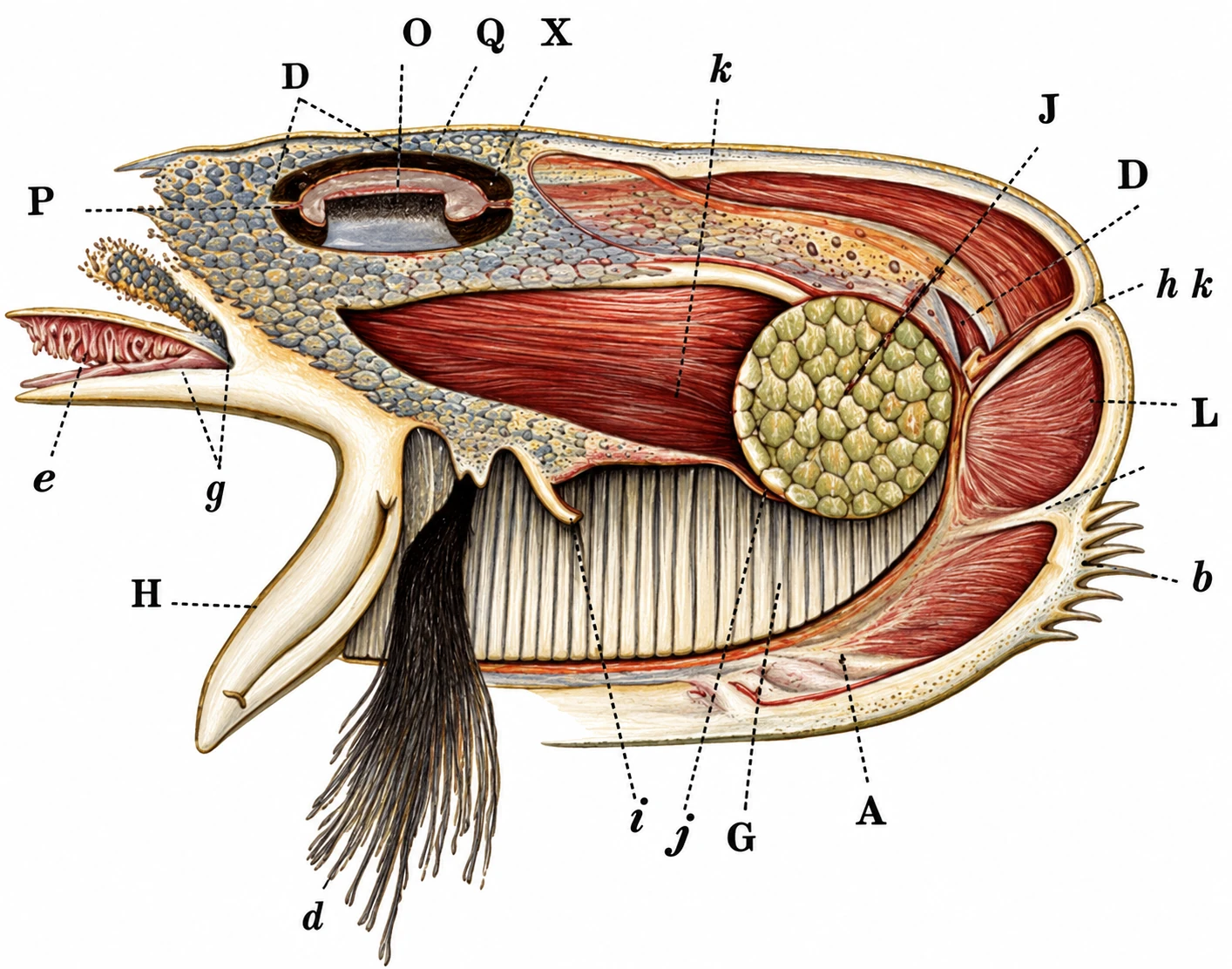
The mussel that pulls its own anchor
Veamos alternativas:
- Modifica la consulta.
- Inicia un nuevo hilo.
- Eliminar fuentes (si se han agregado manualmente).
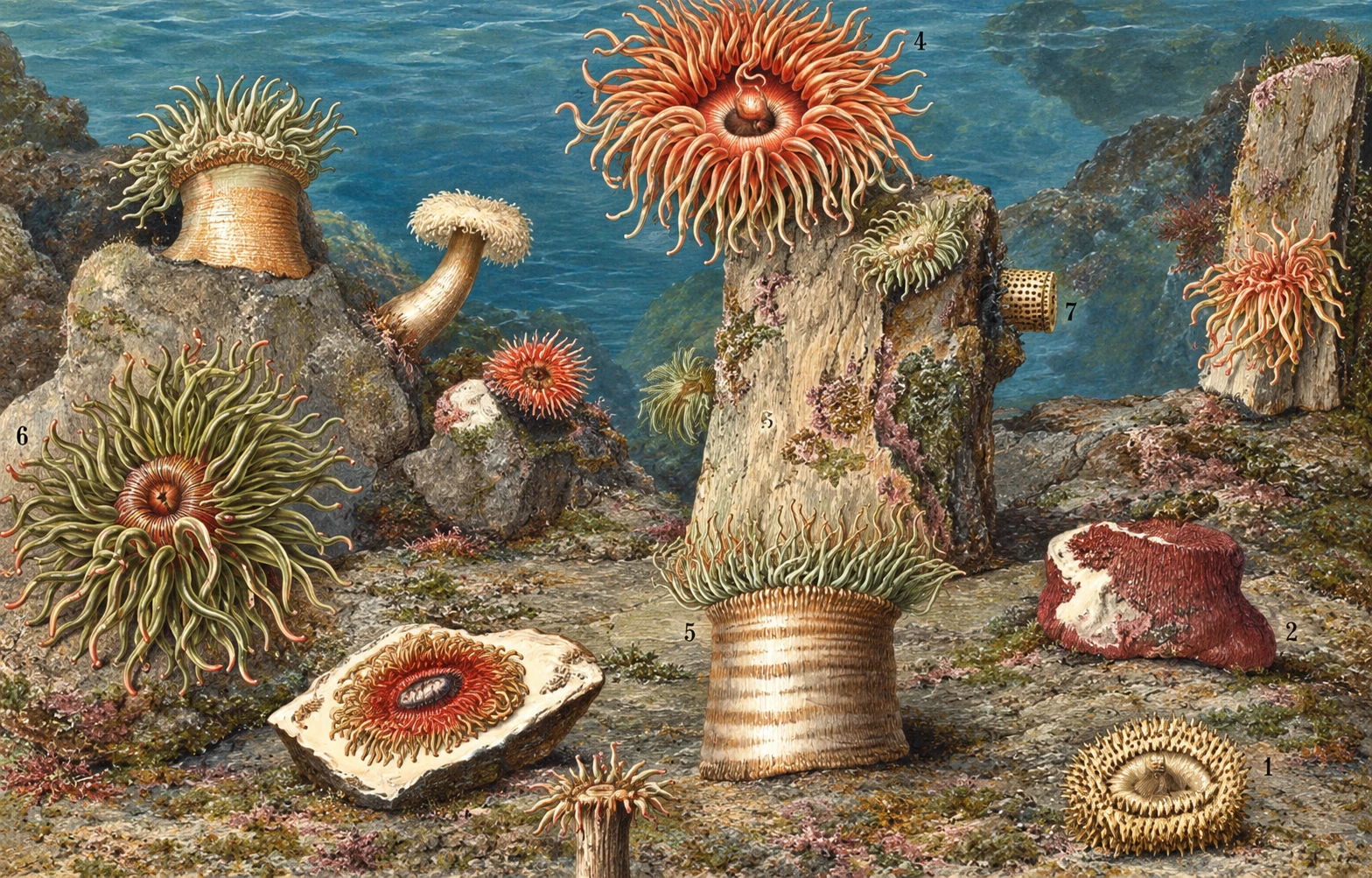
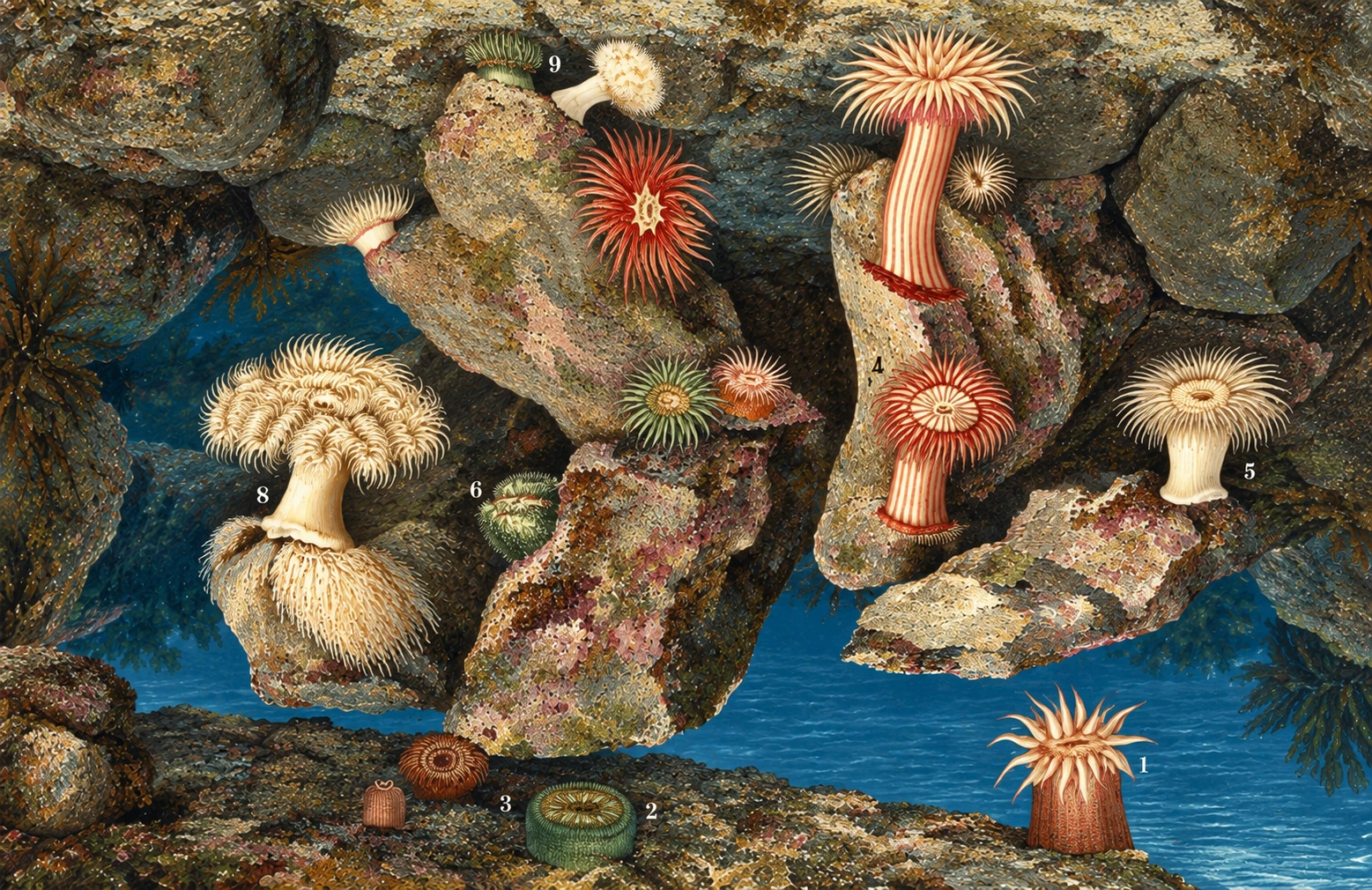
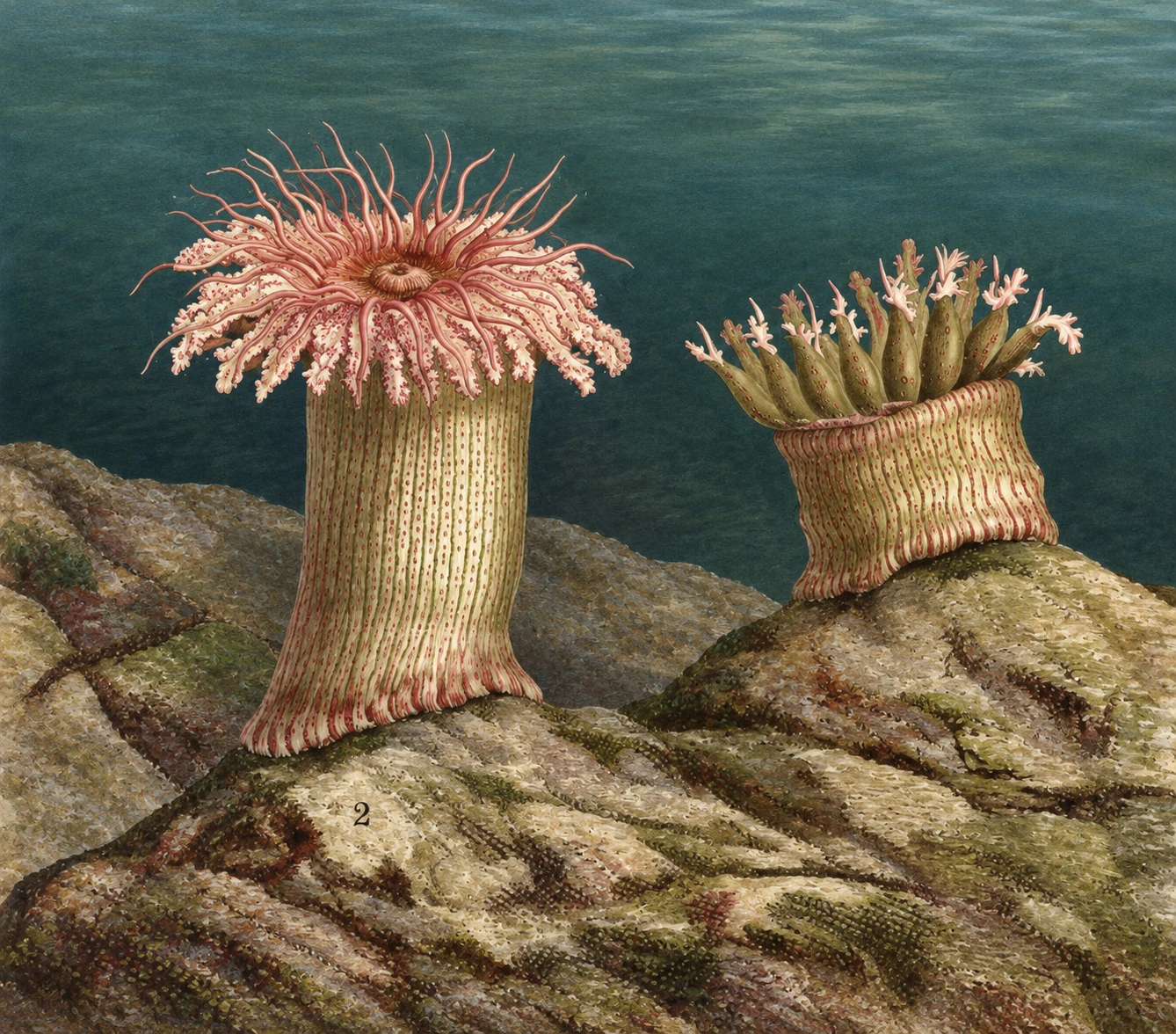
An aquarium that looks like a flower garden
Veamos alternativas:
- Modifica la consulta.
- Inicia un nuevo hilo.
- Eliminar fuentes (si se han agregado manualmente).
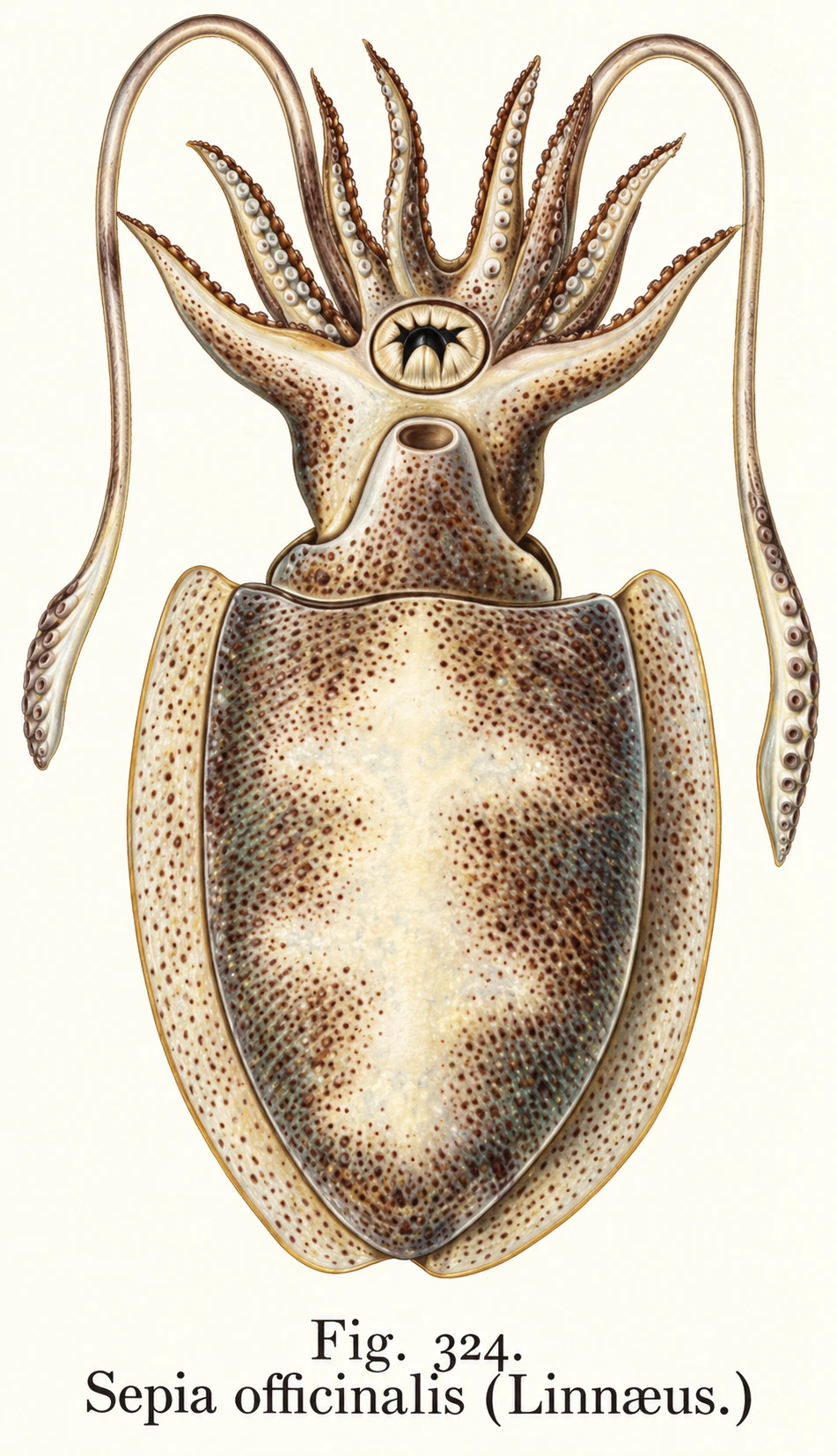
An escape cloud becomes an artist's colour
Veamos alternativas:
- Modifica la consulta.
- Inicia un nuevo hilo.
- Eliminar fuentes (si se han agregado manualmente).
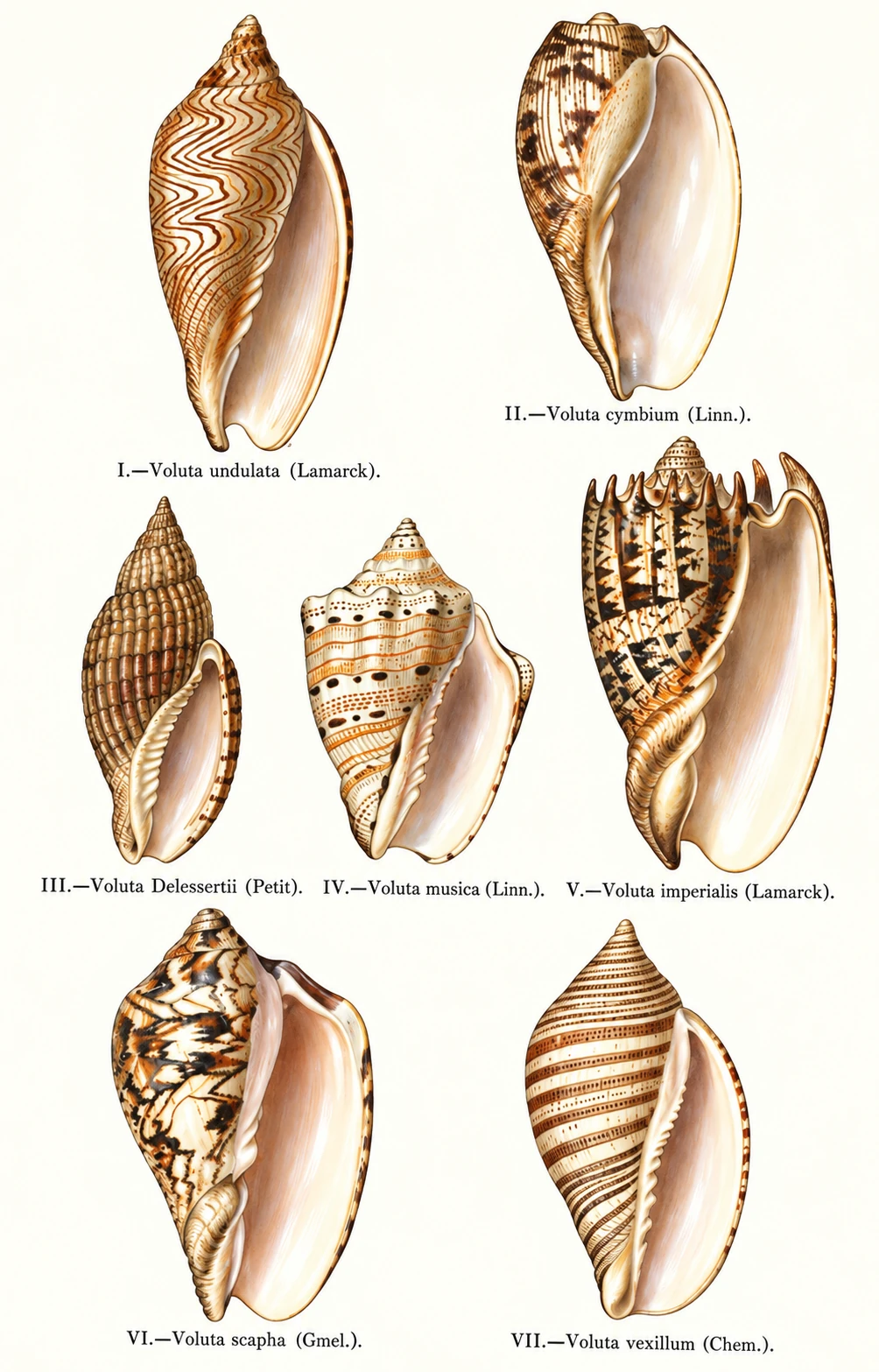
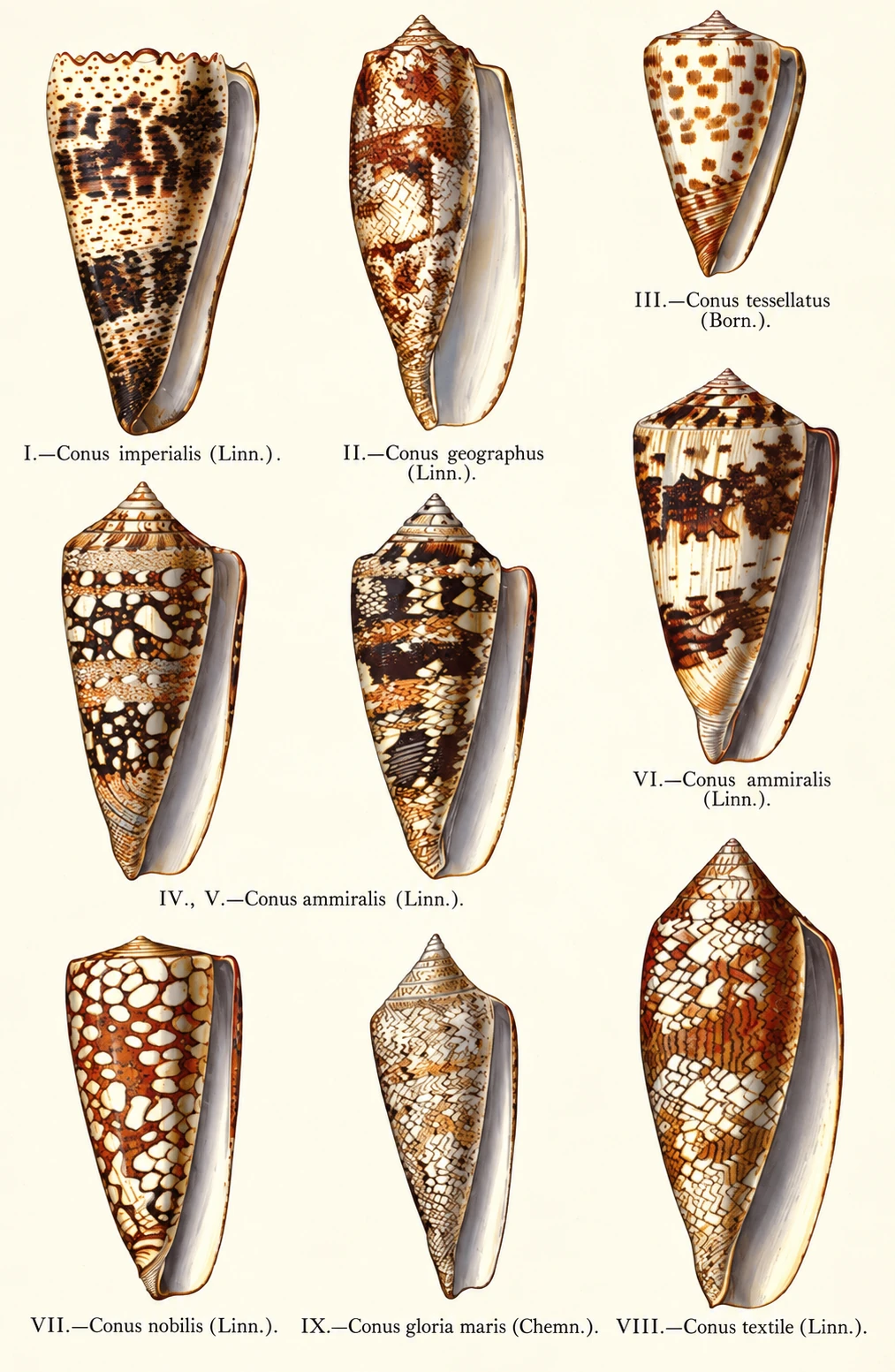
Two shell cabinets, two kinds of pattern
Veamos alternativas:
- Modifica la consulta.
- Inicia un nuevo hilo.
- Eliminar fuentes (si se han agregado manualmente).