Descubre Pandipedia
Un directorio creciente de respuestas útiles seleccionadas por la comunidad de Pandi. Busca en la colección o explora los últimos descubrimientos.
2272 entradas disponibles
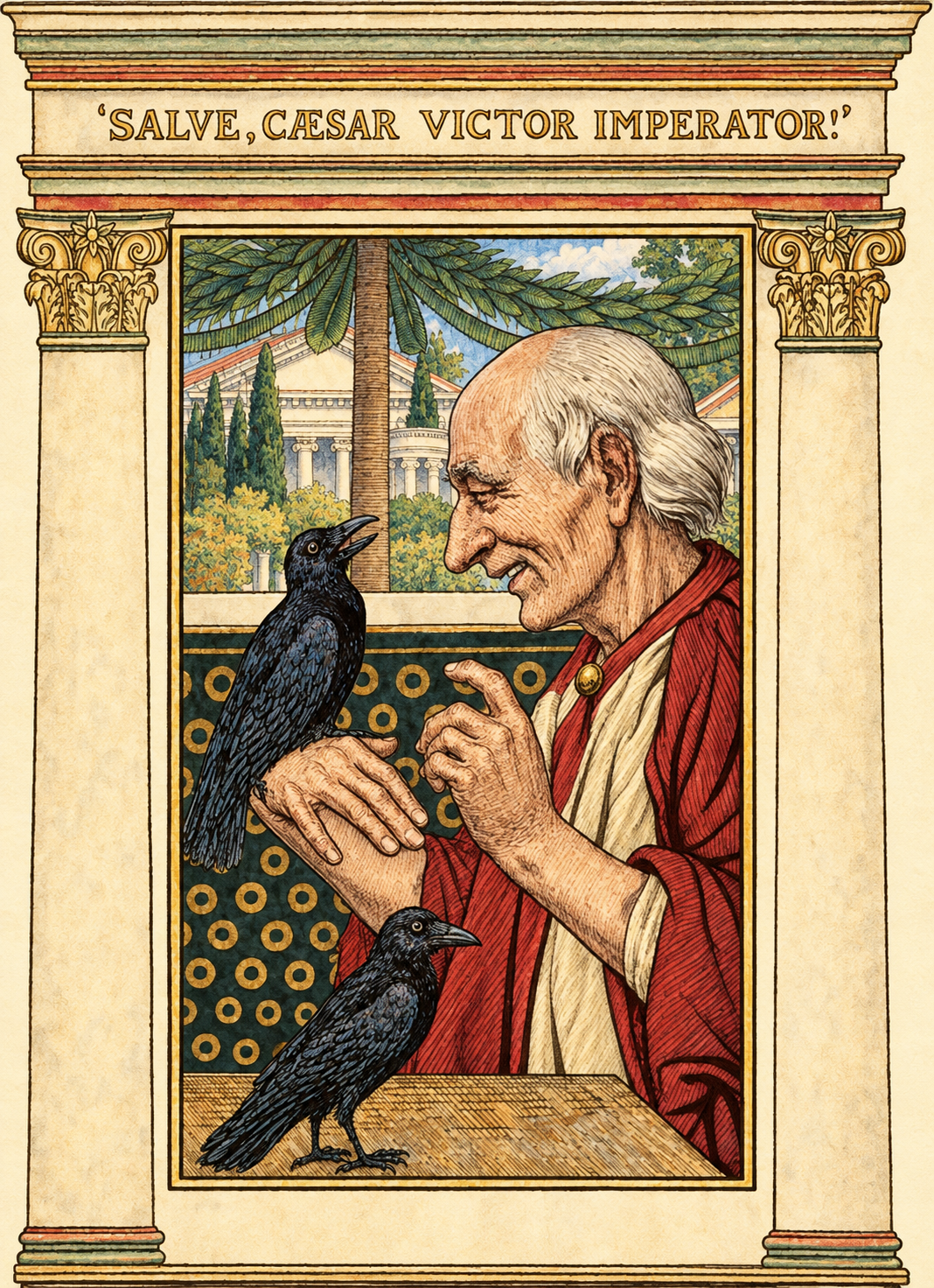
Two Crows. Two Possible Emperors.
An anecdote in a 1901 collection tells of a Roman bird trainer who prepared for either outcome in the struggle between Caesar and Antony: he taught one crow to salute Caesar and another to greet Antony. When Caesar returned victorious, only the fitting crow came out to meet him. Caesar delighted in its greeting and bought the bird. The trainer’s cleverness was in having a welcome ready for either possible victor.
Veamos alternativas:
- Modifica la consulta.
- Inicia un nuevo hilo.
- Eliminar fuentes (si se han agregado manualmente).
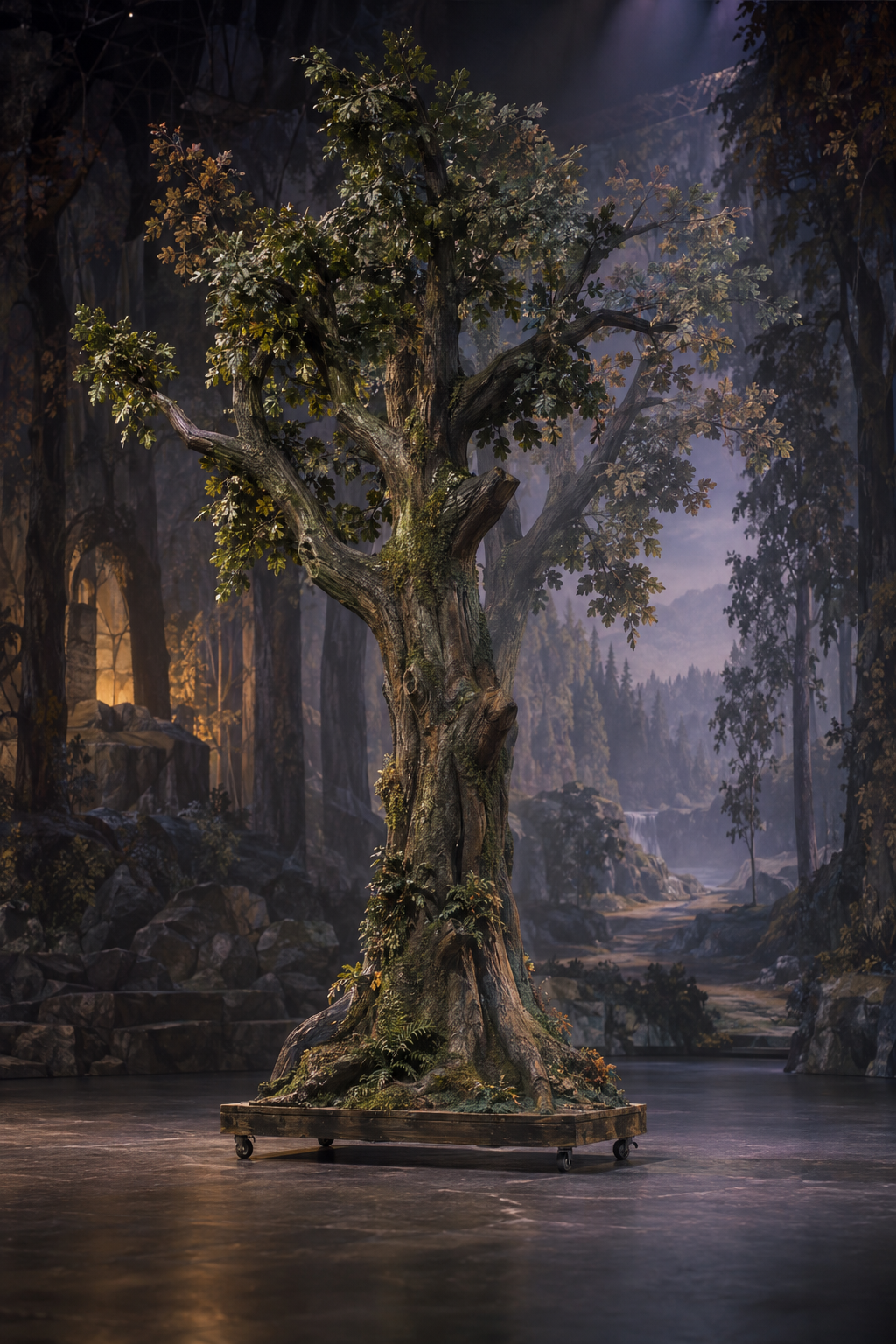
A forest that turns with the story
Veamos alternativas:
- Modifica la consulta.
- Inicia un nuevo hilo.
- Eliminar fuentes (si se han agregado manualmente).
Gemini Ten: Photography on the Climb to Agena Eight
Transcripción
On July nineteenth, nineteen sixty-six, Gemini Ten was climbing toward Agena Eight. The day before, Michael Collins and John Young had docked with Agena Ten. A trajectory correction had left them with only half their planned fuel at docking, and they repeatedly fired Agena Ten’s engine to match orbits with Agena Eight. Collins’s first planned spacewalk was a stand-up EVA: he remained at the open hatch rather than moving away from the spacecraft. It lasted forty-nine minutes. With a seventy-millimetre camera, he took twenty-two ultraviolet images of the southern Milky Way. As the docked spacecraft entered daylight, he also photographed a coloured plate to test how accurately film recorded colour in space. For the planned second EVA, Collins put on the ELSS chestpack and unstowed an umbilical, a line carrying oxygen, communications, and nitrogen. The nitrogen was stored under pressure in the adapter section and would power the hand-held maneuvering unit, a small device for moving an astronaut with gas thrust. Fuel remained scarce. The crew rendezvoused with Agena Eight about ninety minutes before the planned EVA, shaping the timing of the next spacewalk around the mission’s limited fuel.
Veamos alternativas:
- Modifica la consulta.
- Inicia un nuevo hilo.
- Eliminar fuentes (si se han agregado manualmente).
The Marshall study, and what the source does not establish
After November 1964, budget pressure and NASA’s choice to emphasize crewed Earth-orbit missions sharply reduced piloted Mars-study activity. A Marshall Space Flight Center team still examined a Saturn-and-Apollo-based Mars flyby, but it remained a study concept, not a funded direct-landing program or a flown mission.[1][2][3]
| Period | Reported Mars-study activity |
|---|---|
| 17 months before November 1964 | 29 piloted planetary mission studies, costing $3.5 million.[4] |
| November 1964 through May 1966 | Four contracted studies, costing $465,000.[5] |
The change accompanied a policy shift: NASA assigned low priority to developing a new rocket after Saturn and proposed concentrating post-Apollo crewed flight on Earth orbit, using Apollo-developed technology. The later study count and spending show how markedly Mars-related study work contracted during that period.[6][7]
The Marshall study, and what the source does not establish
Separately from the general count of contracted studies, a Marshall team led by Ruppe examined a crewed Mars flyby using Saturn launch vehicles and Apollo hardware. Its February 1965 report judged such flybys technically feasible in the mid-to-late 1970s, using a modified Apollo command and service module, a pressurized hangar, and automated probes.[8]
The source mentions four later studies but does not identify them as contractor studies or describe their architectures. It therefore does not provide enough detail to compare contractor designs with Marshall’s concept. Nor does the feasibility assessment establish an approved, funded direct-landing effort or a mission that flew: it documents a study, not a flight program.[9][10]
Veamos alternativas:
- Modifica la consulta.
- Inicia un nuevo hilo.
- Eliminar fuentes (si se han agregado manualmente).
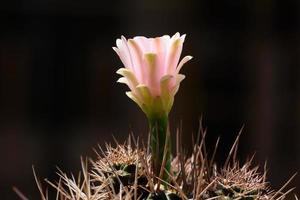
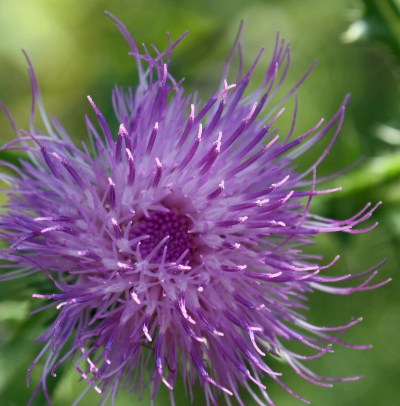
When flowers ran warm
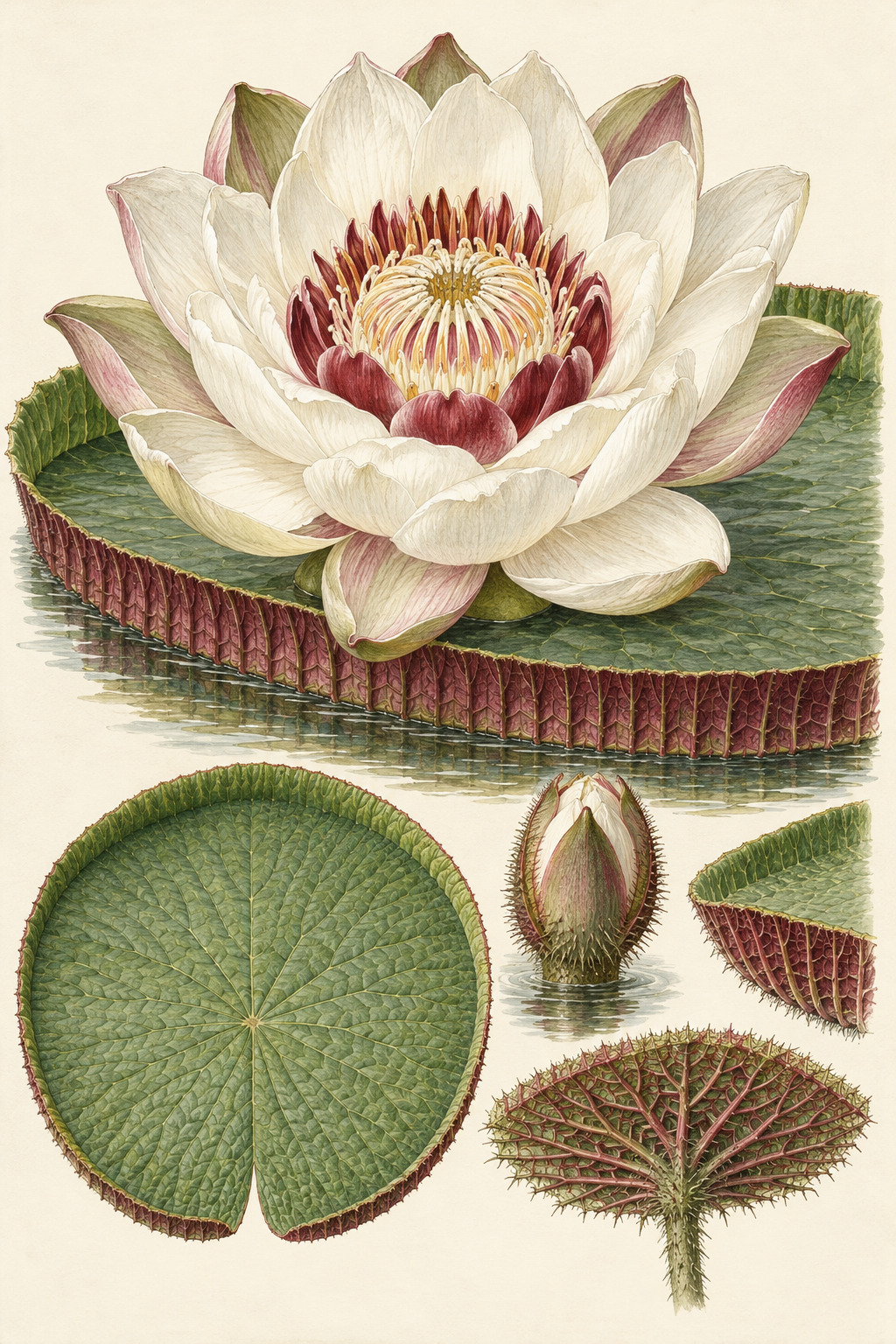
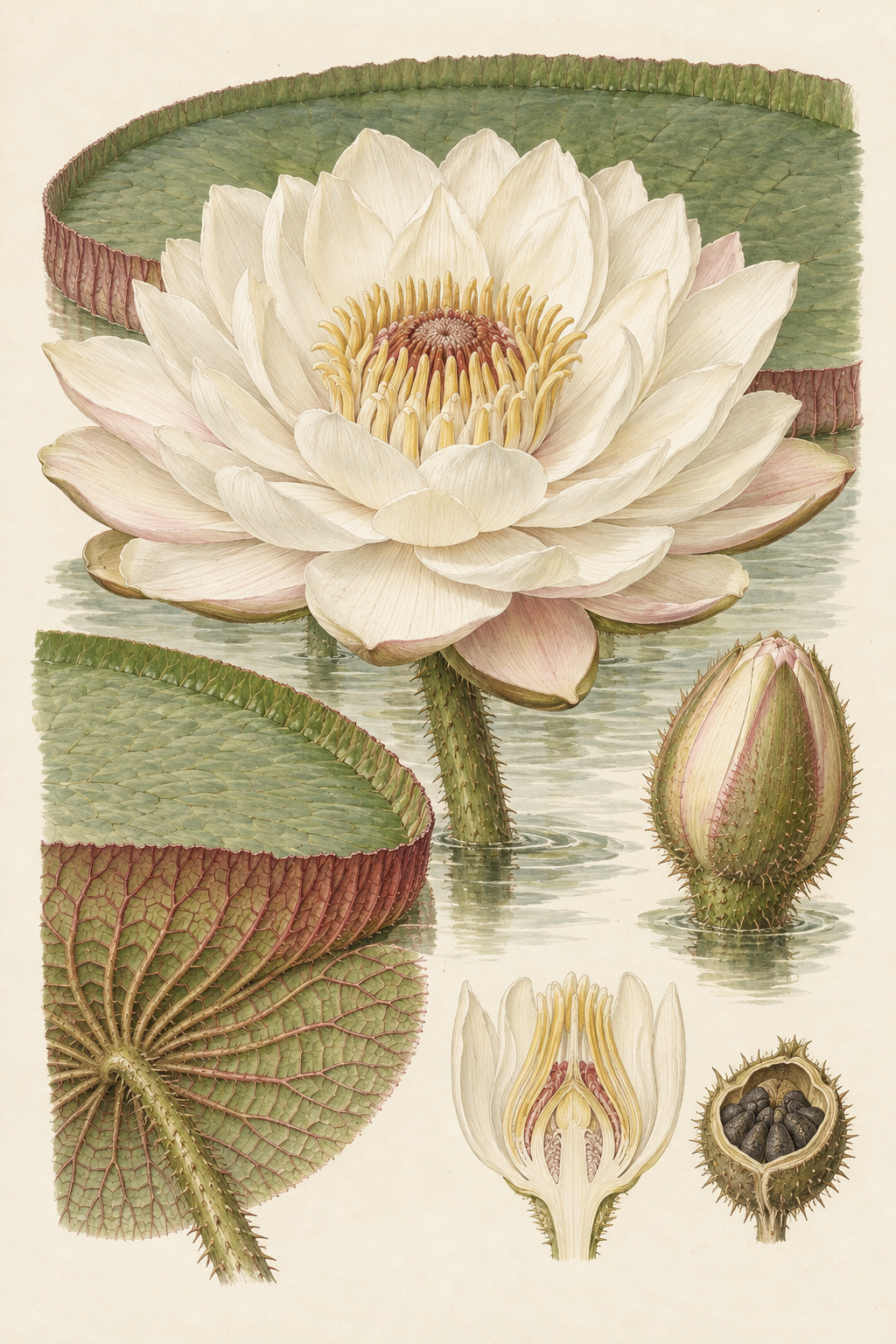
Veamos alternativas:
- Modifica la consulta.
- Inicia un nuevo hilo.
- Eliminar fuentes (si se han agregado manualmente).
Farmyard Mothers on Guard

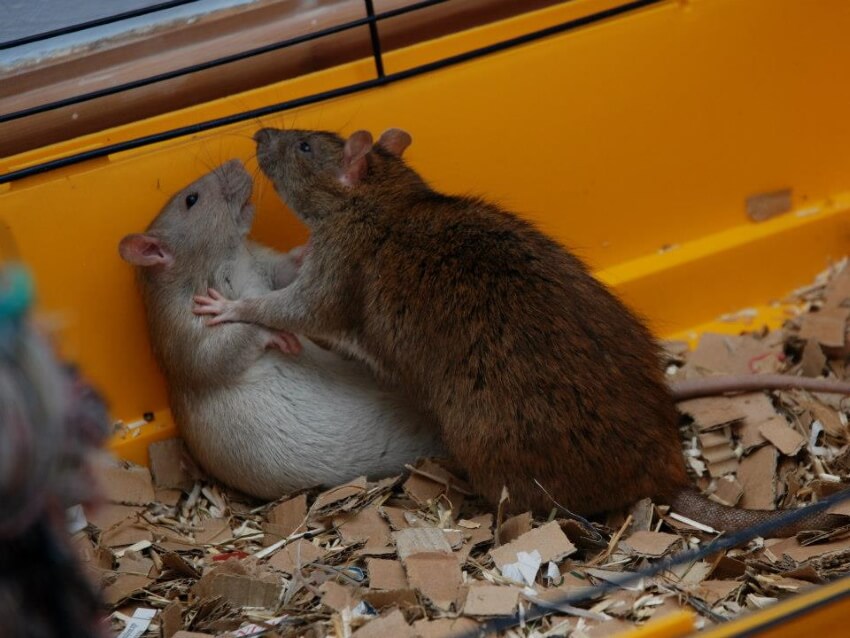

Veamos alternativas:
- Modifica la consulta.
- Inicia un nuevo hilo.
- Eliminar fuentes (si se han agregado manualmente).

The sand is the trap
Transcripción
An antlion larva waits at the bottom of a sandy pit.
An ant steps onto the loose slope.
As it scrambles, the grains slip beneath its feet.
The antlion flicks sand upward, helping trigger more slides.
The prey slips toward the jaws below.
A tiny hunter uses a whole slope as its trap.
Veamos alternativas:
- Modifica la consulta.
- Inicia un nuevo hilo.
- Eliminar fuentes (si se han agregado manualmente).
The Lake That Became a Cornfield
Transcripción
Lake Cirknitz, in Illyria, appears in Jane Loudon’s 1848 account as both lake and field. She reports that in early June its water disappears through fissures. Peasants then sow and reap corn on the exposed basin, carrying away the crop around the end of September. Around mid-October, Loudon says, water surges back through openings in the ground. At other times, she writes, the lake grows deep enough to float a vessel of considerable size. This is Loudon’s historical report: one basin described first as farmland, then as water deep enough for a vessel.
Veamos alternativas:
- Modifica la consulta.
- Inicia un nuevo hilo.
- Eliminar fuentes (si se han agregado manualmente).
The blouse behind a labor uprising

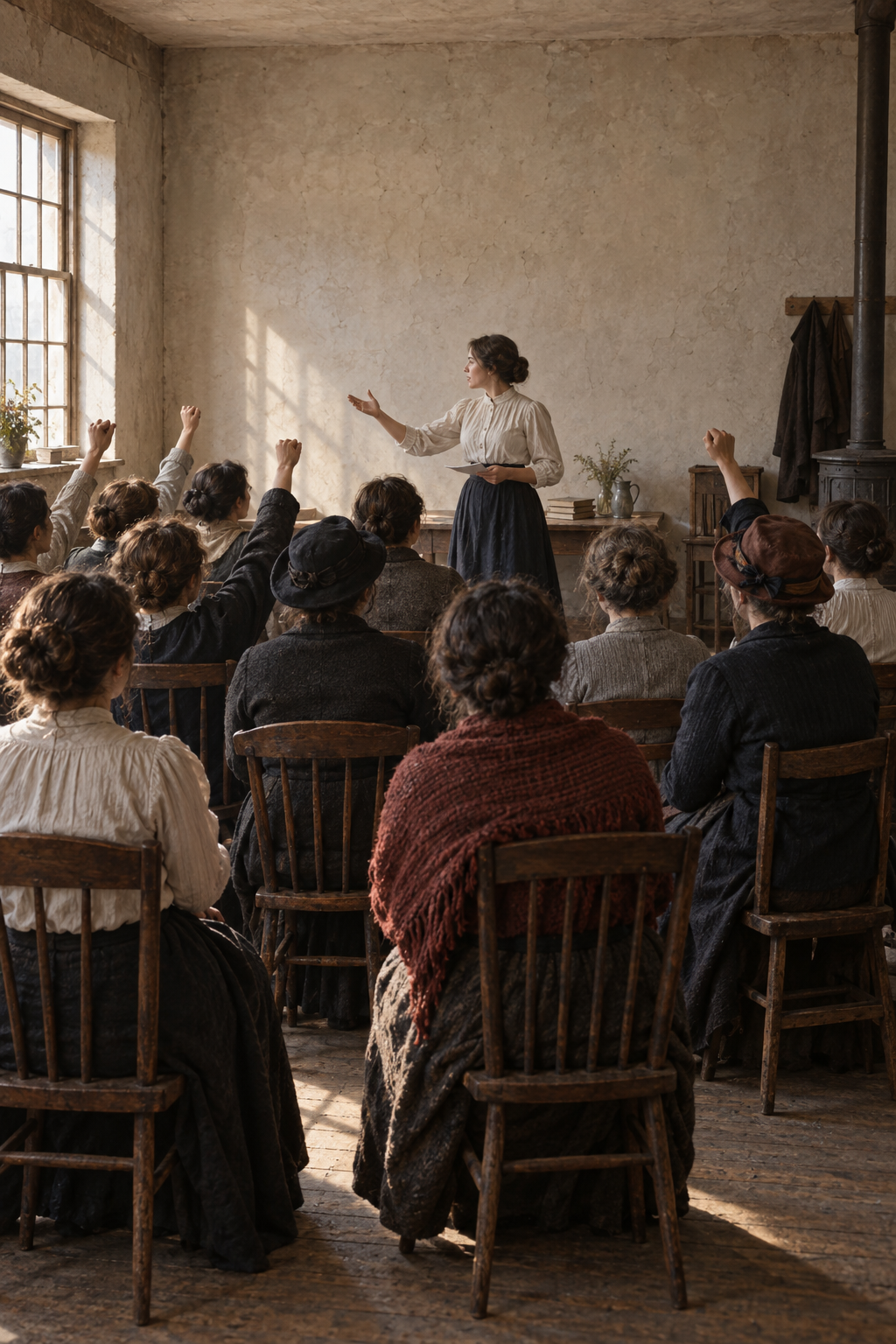
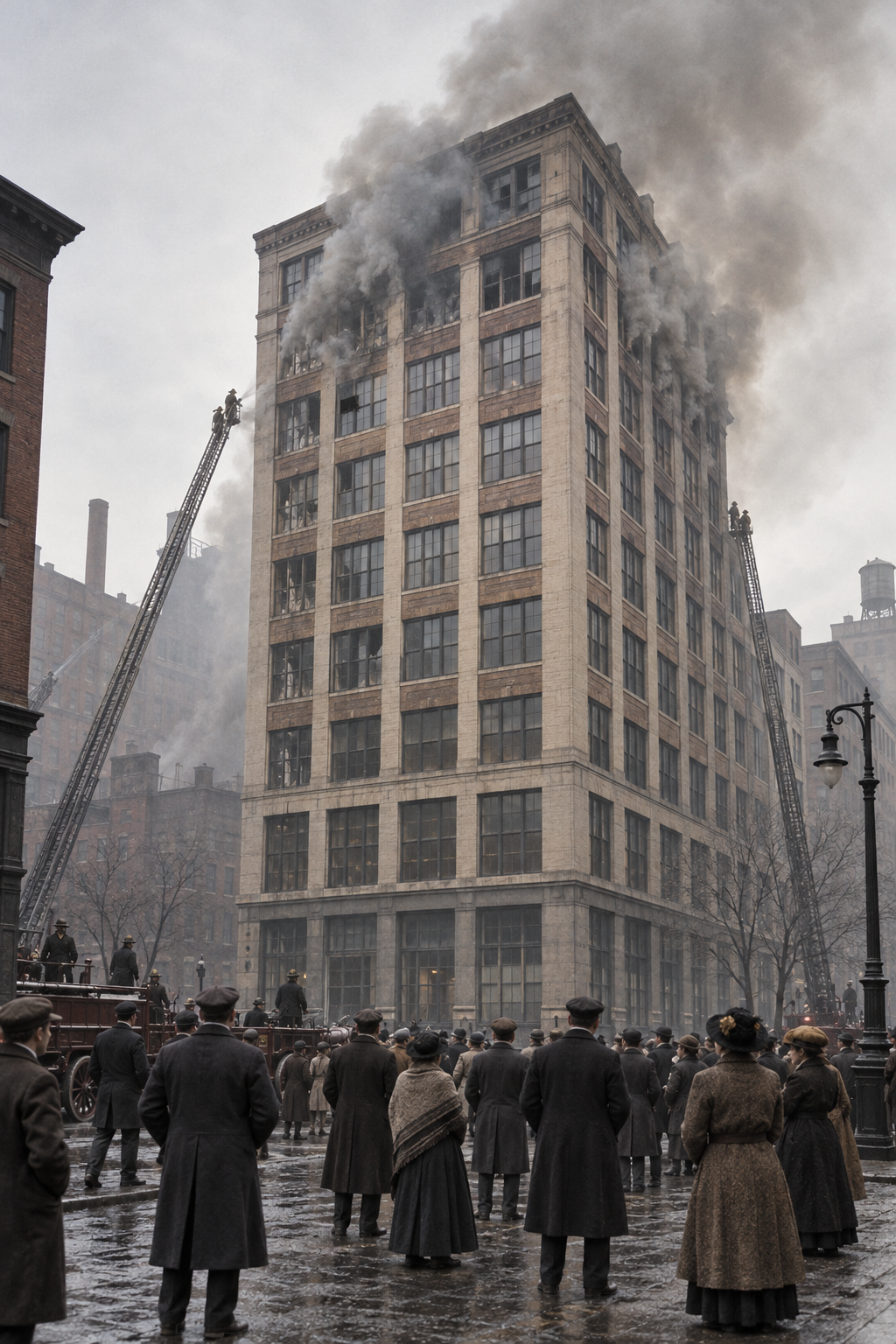
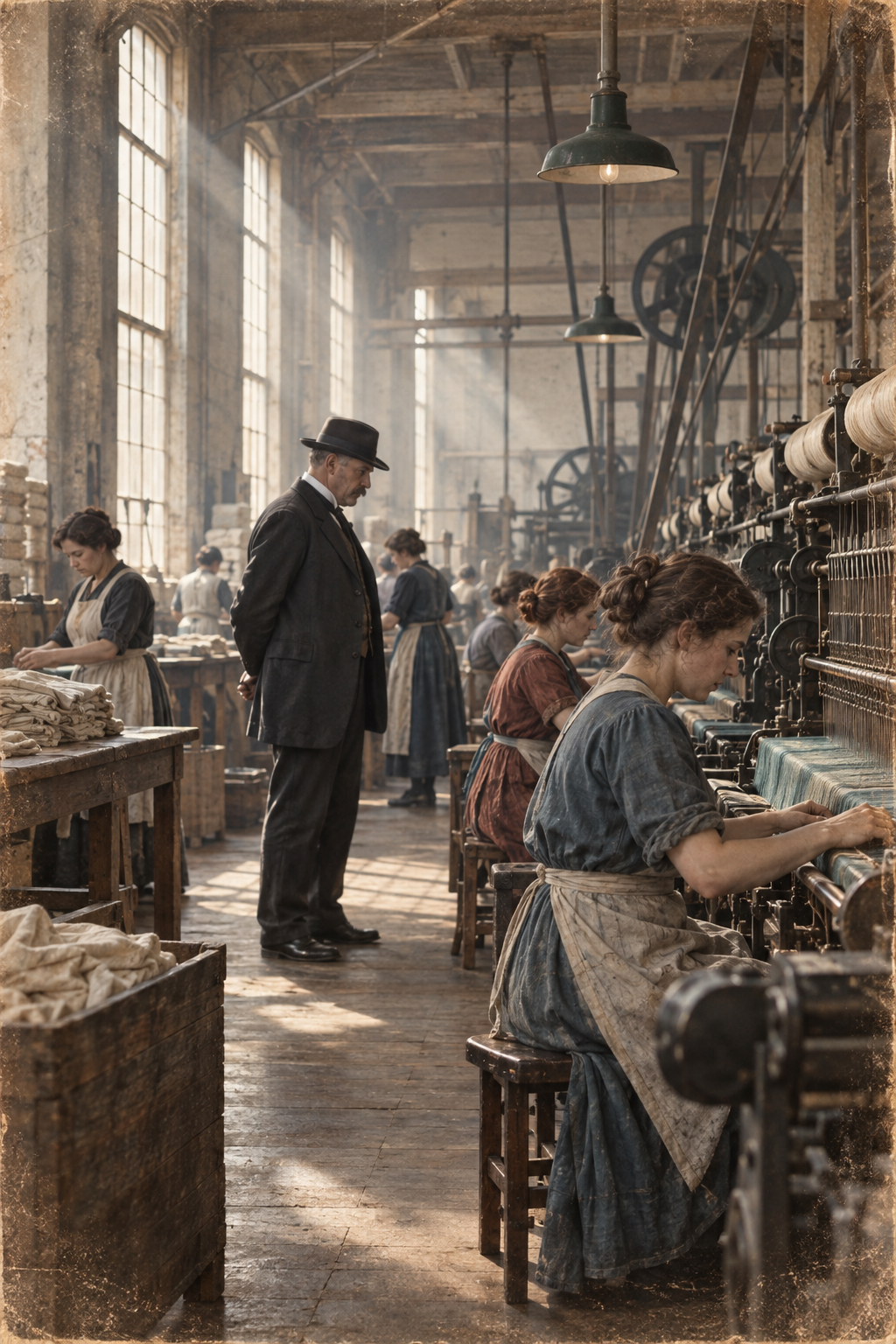
Veamos alternativas:
- Modifica la consulta.
- Inicia un nuevo hilo.
- Eliminar fuentes (si se han agregado manualmente).
The microscopic animal that makes its own bricks
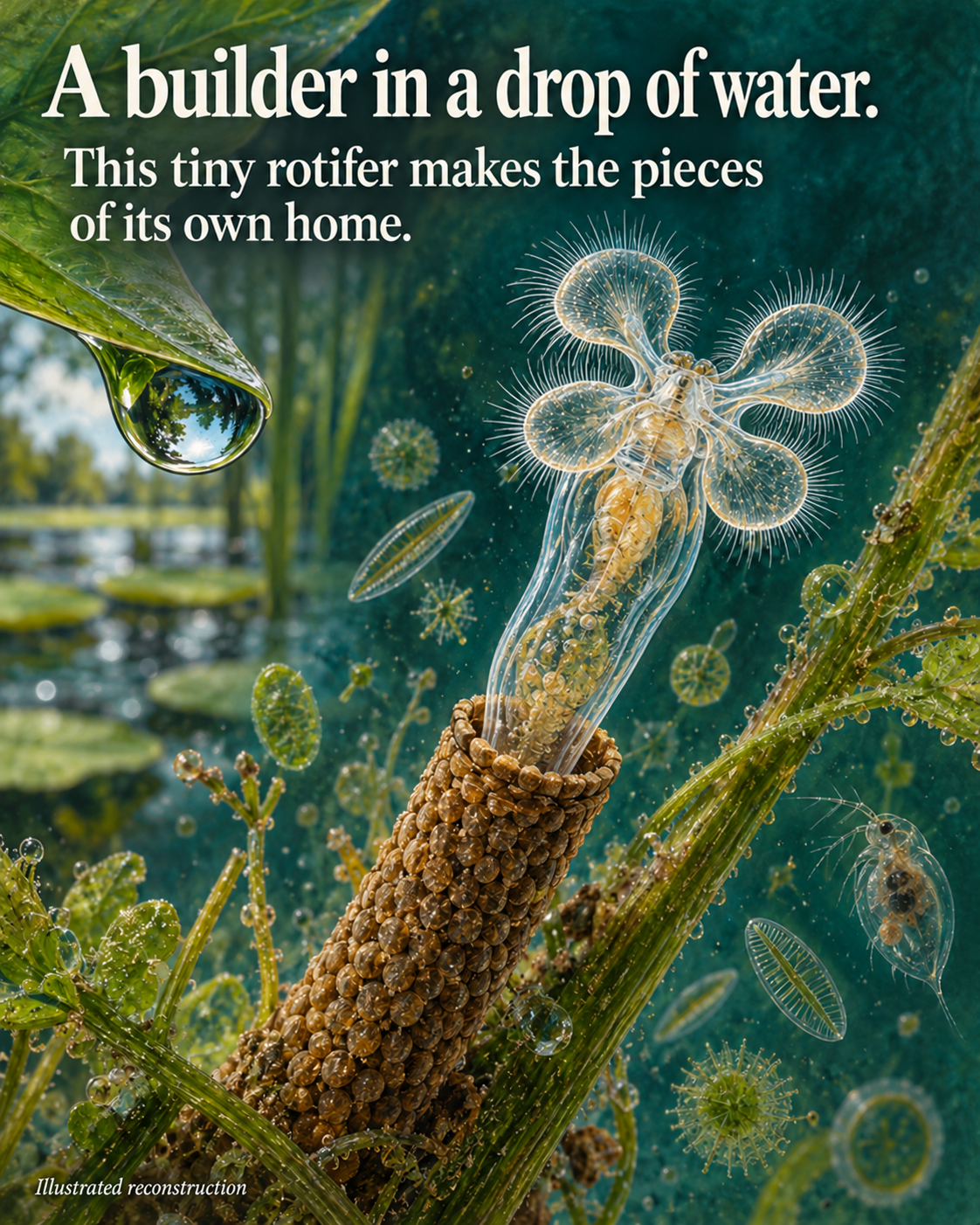 1/5
1/5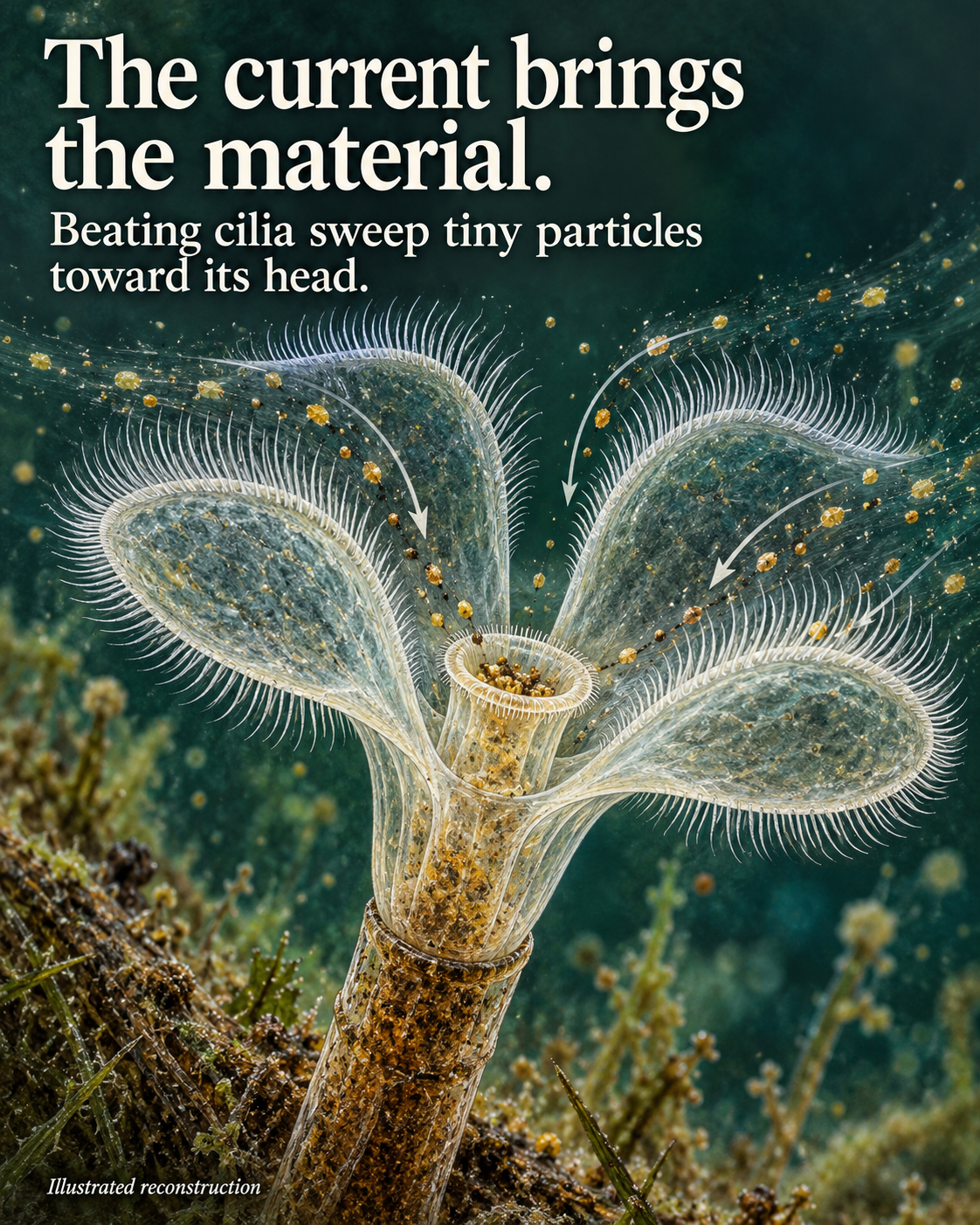
Leer el texto de las diapositivas
- A builder in a drop of water.
This tiny rotifer makes the pieces of its own home.
- The current brings the material.
Beating cilia sweep tiny particles toward its head.
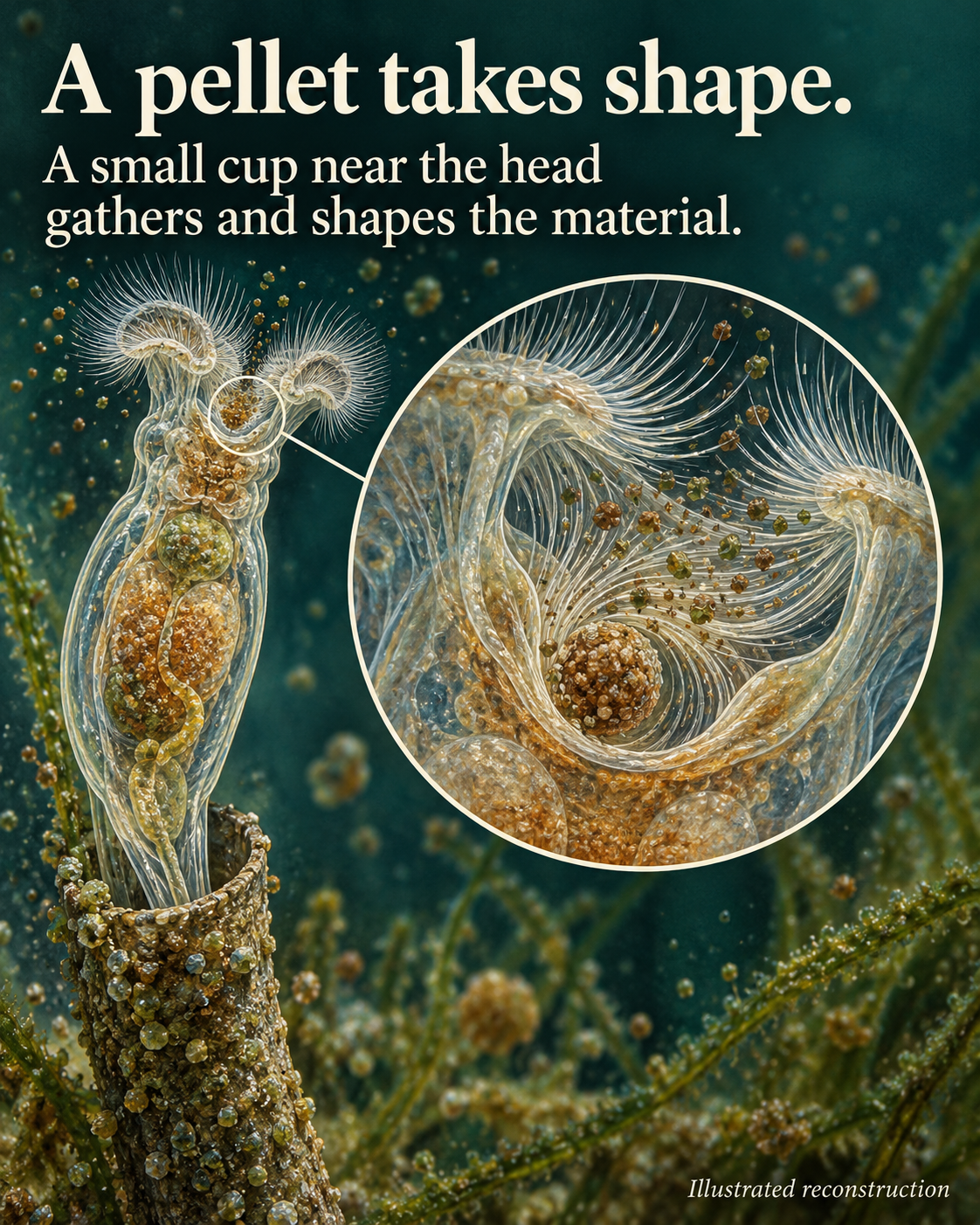
- A pellet takes shape.
A small cup near the head gathers and shapes the material.
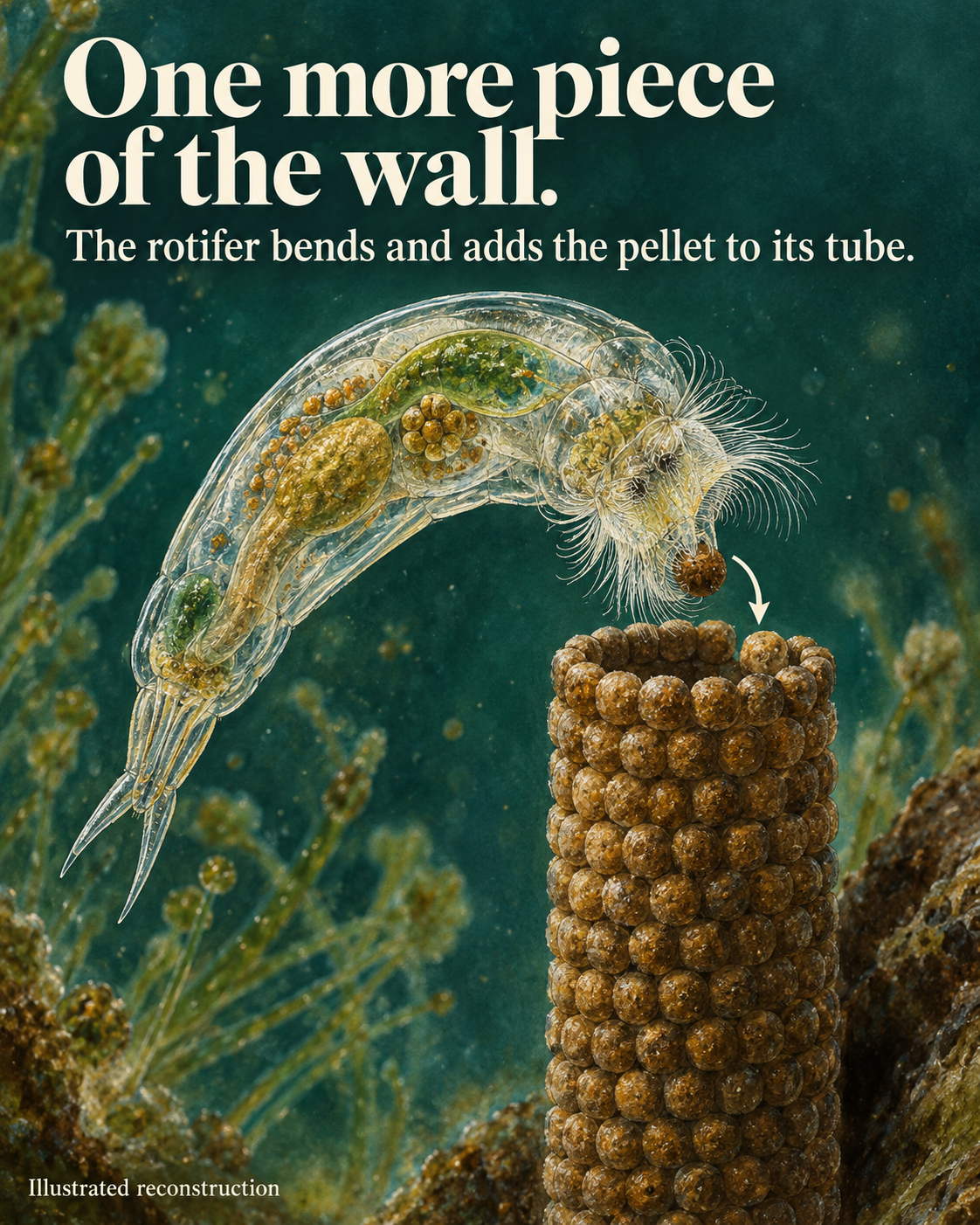
- One more piece of the wall.
The rotifer bends and adds the pellet to its tube.
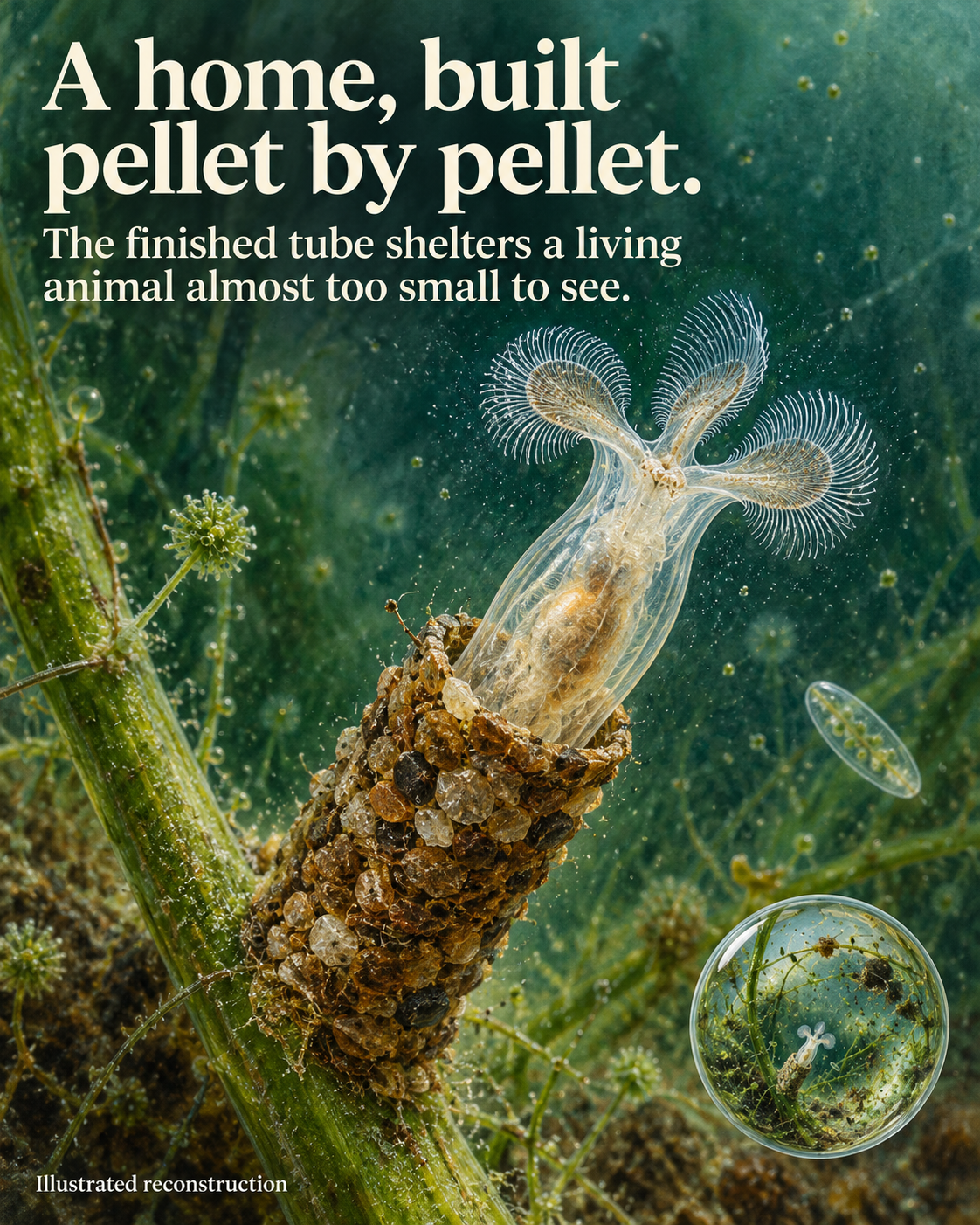
- A home, built pellet by pellet.
The finished tube shelters a living animal almost too small to see.
Veamos alternativas:
- Modifica la consulta.
- Inicia un nuevo hilo.
- Eliminar fuentes (si se han agregado manualmente).