Descubre Pandipedia
Un directorio creciente de respuestas útiles seleccionadas por la comunidad de Pandi. Busca en la colección o explora los últimos descubrimientos.
2619 entradas disponibles

What is the difference between ASMR and mindfulness?
Transcripción
ASMR, or Autonomous Sensory Meridian Response, is described as a tingling sensation that typically starts at the scalp and spreads down the neck, often triggered by specific sounds or visuals, providing relaxation and comfort. On the other hand, mindfulness is characterized by intentional self-regulation of attention and nonjudgmental awareness of the present moment. While ASMR can lead to relaxation similar to mindfulness practices, it primarily focuses on sensory experiences rather than the broader aspects of awareness and emotional regulation central to mindfulness[1][4][11].
Fuentes
- What is ASMR? | Dr Clare Jonas —
- Mindfulness and autonomous sensory meridian response (ASMR)
- More Than a Feeling: How ASMR and Meditation Work in Tandem
- Published research study about mindfulness and ASMR
- What Is ASMR?
- Does ASMR Helps With Mindfulness and Improve Sleep?
- ASMR or not? The science behind a sensory phenomenon
- ASMR: what we know so far about this unique brain phenomenon – and what we don’t
- Enhancing Your Meditation Practice with ASMR
- Autonomous sensory Meridian response as a physically felt signature of positive and negative emotions
- The effects of autonomous sensory meridian response (ASMR) on mood, attention, heart rate, skin conductance and EEG in healthy young adults - Experimental Brain Research
Veamos alternativas:
- Modifica la consulta.
- Inicia un nuevo hilo.
- Eliminar fuentes (si se han agregado manualmente).
An Overview of Dieselpunk Art
An Overview of Dieselpunk Art
Defining Dieselpunk Art

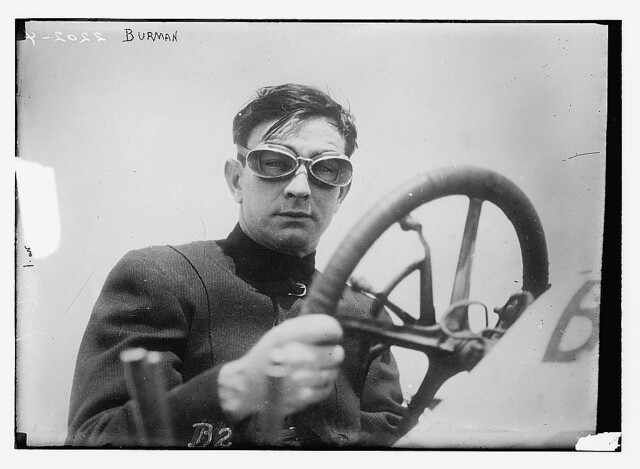
Dieselpunk is a retrofuturistic subgenre that combines the aesthetics of diesel-based technology from the interwar period through the 1950s with retro-futuristic technology and postmodern sensibilities[2]. It is a style that embraces the styles and technologies of the era, rejoicing in a prolonged Jazz Age ambiance characterized by great enthusiasm and hopes about the future[2]. As an artistic style, dieselpunk roots itself in the aesthetics and technological sophistication of the past, generally drawing inspiration from the 1920s to the 1950s, influenced primarily by the United States and Europe[4].
Influences and Inspirations


The artwork is heavily influenced by art movements prevalent in Western culture during the diesel era[2]. Key influences include Art Deco, Film Noir, pulp magazines, and commercial and industrial imagery[6]. It also borrows from various art styles, including Streamline Moderne, and World War II art and propaganda[4]. This encompasses traditional tropes and genres like pulp adventure, film noir and weird horror, blended with a contemporary aesthetic[2]. Tome Wilson noted that artists were creating a future fueled by the spirit of the Jazz Age[2].
Key Characteristics of Dieselpunk Visuals

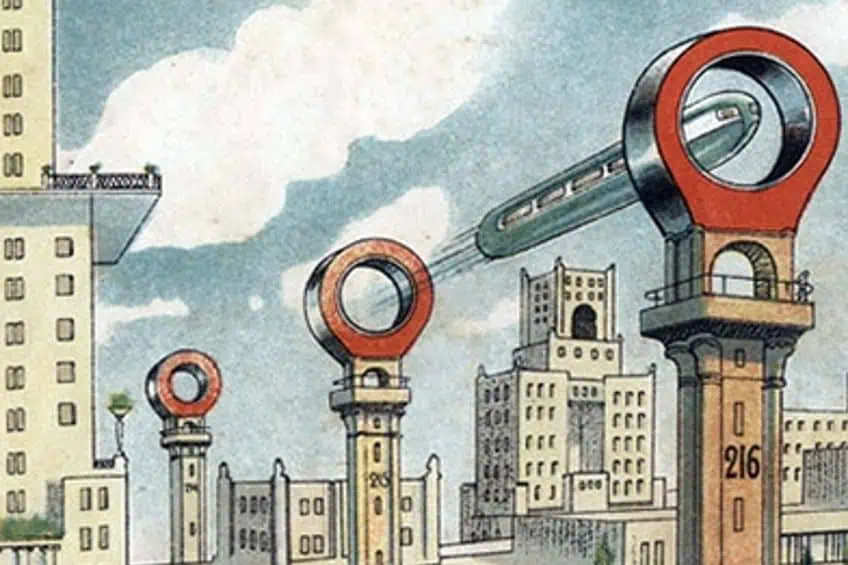
Dieselpunk art often showcases bizarre machines full of esoteric levers and cracked-glass meters, visually intense and pretty sinister-looking when photographed[2]. The style often includes dark, muted colors and an overall gritty, atmospheric feel, reminiscent of noir films and vintage science fiction illustrations[3]. It emphasizes robust diesel engines, metallic surfaces, and a sense of rugged functionality[8]. Common elements include streamlined curves, gleaming chrome, and often follows suit the luxury cars[4]. According to Iolanda Ramos, 'noir ambience' is an element of dieselpunk[2].
Themes and Styles Within Dieselpunk
Dieselpunk can be divided into two primary themes: Ottensian and Piecraftian[2]. 'Piecraftian' focuses on the aesthetics of the world wars and speculates on how human culture could theoretically cease to evolve due to constant warfare[2]. This theme continues the aesthetics of the diesel era into later periods by describing a world where survival is placed above aesthetical evolution[2]. 'Ottensian' focuses on a setting where the decadent aesthetics and utopian philosophies of the American Roaring Twenties continued to evolve unhindered by war or economic collapse[2]. Ottensian dieselpunk fiction is primarily concerned with a positive vision of technology and incorporates 'an enthusiasm for the predictions about the future'[2].
Notable Artists and Artworks
Several artists have contributed significantly to the dieselpunk movement. Shunya Yamashita's work, I Can't Explain, is considered a definitive example of dieselpunk art[2]. Kow Yokoyama is another prominent artist known for his Maschinen Krieger figurine series[2]. Other notable artists include Alexey Lipatov, Stefan Prohaczka, Keith Thompson, Rob Schwager, and Sam Van Olffen[2]. In Russia, Waldemar Kazak, known for dystopian dieselpunk art, is appreciated by the dieselpunk community[7].
Examples in Media

Dieselpunk aesthetics have been applied in numerous media. Fritz Lang's Metropolis (1927) exemplifies the genre’s style and technology with large factories and pumping machinery, emphasized by German Expressionism[1]. Sky Captain and the World of Tomorrow showcases aerial dogfights amidst towering cityscapes[8]. The BioShock games are set in an alternate Earth in which fantastical cities exist in the sky and underwater utilizing Art Deco and Streamline Moderne styles[4]. The film The Rocketeer takes the popular Art Deco style as inspiration for character, vehicle, and set design[4].
Online Communities and Resources
The internet has played an important role in the development of dieselpunk[2]. Prominent online communities include Dieselpunks and Never Was Lounge[2]. Online magazines dedicated to the genre include Dieselpunk Encyclopedia, Dizelpanki, The Flying Fortress, Never Was and Vintage Future[2]. DeviantArt is known as a mixed bag of different art styles with detailed digital drawings[5]. ArtStation is a top-notch and very professional site in the digital art world[5].
The Maker Spirit
Connecting today's technology with yesterday's aesthetic requires a do-it-yourself attitude, with many people interested in the dieselpunk movement are artists of one kind or another[4]. To build a good dieselpunk project, learning about the military, architectural, and artistic styles prevalent during the 1920s to 1950s is key to designing a compelling piece of dieselpunk art[4]. Dieselpunk costumes tend to be less reliant on gadgets and gizmos than those you'll find in the steampunk movement[4].
Veamos alternativas:
- Modifica la consulta.
- Inicia un nuevo hilo.
- Eliminar fuentes (si se han agregado manualmente).
How often should you water your plants?
The frequency of watering your plants depends on various factors, such as the type of plant, weather conditions, and soil moisture levels. Generally, it's recommended to water deeply but less frequently, allowing the soil to dry out slightly between waterings to encourage deeper root growth. For container plants, daily watering might be necessary during hot weather, while garden plants may require watering every few days to a week, depending on conditions[1][4][6].
It's essential to check the soil moisture; if it's dry to the touch a couple of inches down, it's time to water[5]. For most plants, aim for about 1 inch of water per week, adjusting based on rainfall and temperature[3][6].
Veamos alternativas:
- Modifica la consulta.
- Inicia un nuevo hilo.
- Eliminar fuentes (si se han agregado manualmente).

Quick tip: boost bone density with mini-hops
Transcripción
Welcome to today's quick tip on improving your bone strength with mini hops. Did you know that a few gentle, low-impact hops each day can send a strong message to your bones to build density and become stronger? Experts explain that even simple hopping, when done safely and gradually, may help stimulate the natural process of bone formation. Start with a warm-up and try a series of controlled, mini hops—just as you might practice a steady jump in place. Always listen to your body and check with your doctor or physical therapist if you have any concerns. Give it a try and enjoy the extra bounce on your step toward healthier bones!
Veamos alternativas:
- Modifica la consulta.
- Inicia un nuevo hilo.
- Eliminar fuentes (si se han agregado manualmente).
sleep tracker unboxings
Veamos alternativas:
- Modifica la consulta.
- Inicia un nuevo hilo.
- Eliminar fuentes (si se han agregado manualmente).
What’s the best way to start journaling?

To start journaling effectively, choose a method that fits your preferences. You can try freeform journaling, where you write whatever comes to mind, or guided journaling, which provides prompts to stimulate your thoughts[4][6]. Establish a consistent routine by setting aside time daily or weekly, making it part of your self-care routine, and keeping your journal handy for spontaneous entries[3][4][6].
Remember, there’s no right or wrong way to journal. Focus on your feelings and experiences, and let go of the pressure to write perfectly[1][5]. If you get stuck, use prompts to kickstart your writing and encourage creativity[2][3][5].
Veamos alternativas:
- Modifica la consulta.
- Inicia un nuevo hilo.
- Eliminar fuentes (si se han agregado manualmente).
How do literary genres evolve over time?
Transcripción
Literary genres evolve over time due to cultural, technological, and societal changes.
Genre blending, as seen in modern literature, breaks traditional boundaries to create hybrid narratives[3].
Historical events, technological advancements, and writer influences also shape and redefine genres[1][2][4][5].
The evolution reflects dynamic storytelling forms and reader preferences[3].
Fuentes
- The Evolution of Genres: A Sideways Look at Literature
- Exploring the Rich Tapestry of Literary Genres: A Comprehensive Guide
- The Evolution of Genre Blending in Modern Literature » Creative Writing Ink
- LibGuides: English Literature: Literary Periods & Genres
- THE EVOLUTION OF GENRES: A Sideways Look at Literature
Veamos alternativas:
- Modifica la consulta.
- Inicia un nuevo hilo.
- Eliminar fuentes (si se han agregado manualmente).
How can pets benefit your mental health?
Transcripción
Pets can greatly benefit mental health by providing companionship, reducing loneliness, and improving mood.
Interacting with pets can increase levels of serotonin and dopamine, which can alleviate feelings of depression and anxiety, while also lowering stress hormones like cortisol[8][6]. Additionally, the responsibility of caring for pets can foster a sense of purpose and routine, helping individuals feel more grounded[5][4].
Pets also encourage physical activity, which further enhances mental well-being[2][3]. Overall, the emotional support from pets is invaluable for many people[1][9].
Fuentes
- Science Says: This Is How Pets Help Your Mental Health
- How Science Supports Pets for Improving Your Mental Health
- Pets and mental health
- Pets & Wellbeing: 15 Benefits of Emotional Support Animals
- 7 ways pets improve your health
- Health benefits of pets: How your furry friend improves your mental and physical health
- How Pets Affect Mental Health
- The Psychological and Physical Benefits of Having a Pet
- A Pet Could Boost Your Mental Health
- The Power of Pets
Veamos alternativas:
- Modifica la consulta.
- Inicia un nuevo hilo.
- Eliminar fuentes (si se han agregado manualmente).
What is the southernmost lighthouse?
Veamos alternativas:
- Modifica la consulta.
- Inicia un nuevo hilo.
- Eliminar fuentes (si se han agregado manualmente).
Why the Trafalgar Square lions have no whiskers
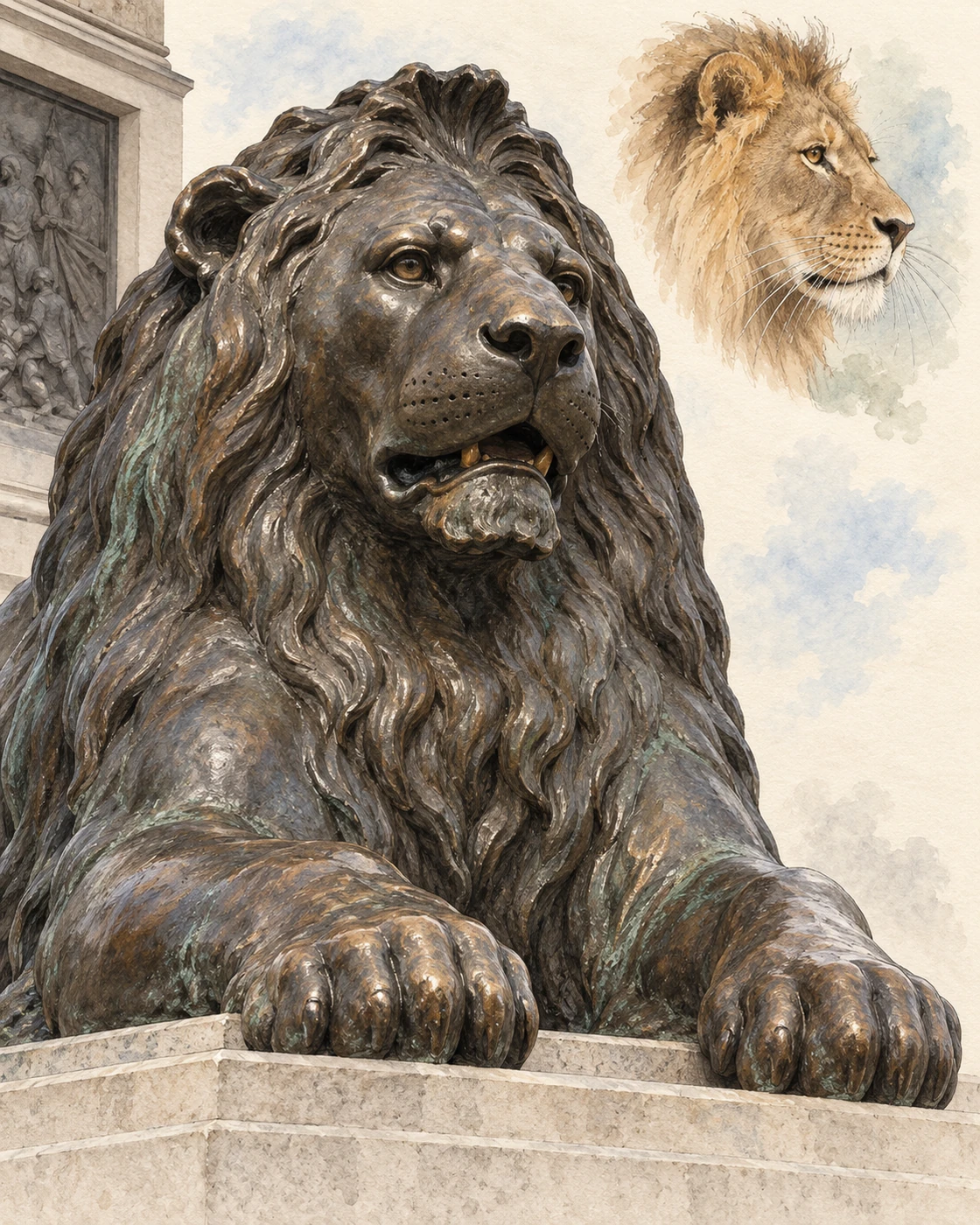
The bronze lions beneath Nelson’s Column have no projecting whiskers. How do you cast a hair in solid metal?
Writing in 1867, Frank Buckland defended that omission. A lion’s fine, flexible whiskers would be difficult to represent in bronze; wire substitutes, he thought, would look absurd.
The heavy-looking paws raised the same problem. Fur gives a living limb a soft edge. Cast that outline in a solid material, and it can look clumsy. Buckland had seen the effect in his own plaster cast of a hare.
This is Buckland’s explanation, rather than Landseer’s recorded reasoning: the material helps explain what the sculpture leaves out.
Veamos alternativas:
- Modifica la consulta.
- Inicia un nuevo hilo.
- Eliminar fuentes (si se han agregado manualmente).