Descubre Pandipedia
Un directorio creciente de respuestas útiles seleccionadas por la comunidad de Pandi. Busca en la colección o explora los últimos descubrimientos.
2272 entradas disponibles

Jeans & Denim: A Tale of Two Cities
Transcripción
In Europe, two cities set the stage for a fabric revolution; the names jeans and denim trace back to Genoa and Nîmes respectively<sup class='text_citation' source_id='8'></sup>.
The word 'jeans' is derived from 'Gênes', the French name for Genoa in Italy, renowned for its sturdy cotton fustian used by sailors and dockworkers<sup class='text_citation' source_id='1'></sup>, while 'denim' comes from 'serge de Nîmes', referring to the durable twill woven in Nîmes, France<sup class='text_citation' source_id='2'></sup>.
This rich heritage of innovation evolved from practical workwear into an iconic symbol of style that has shaped global fashion traditions<sup class='text_citation' source_id='9'></sup>.
Veamos alternativas:
- Modifica la consulta.
- Inicia un nuevo hilo.
- Eliminar fuentes (si se han agregado manualmente).
Comprehensive Report on the Zanclean Megaflood
Comprehensive Report on the Zanclean Megaflood
Overview and Geological Context

The Zanclean Megaflood refers to a proposed catastrophic flooding event that refilled the Mediterranean Sea at the end of the Messinian Salinity Crisis (MSC), which occurred between approximately 5.97 and 5.33 million years ago. During the MSC, the Mediterranean was largely isolated from the Atlantic Ocean, causing evaporation that transformed the sea into extensive salt flats. A number of studies now suggest that rather than a gradual reentry of water over thousands of years, there was an abrupt, high‐discharge flood that restored marine conditions rapidly. As stated in one source, “The Zanclean megaflood was an awe-inspiring natural phenomenon, with discharge rates and flow velocities dwarfing any other known floods in Earth’s history”[1][4][9]. This event is believed to have reconnected the Mediterranean with the Atlantic through a breach at the Strait of Gibraltar before spilling over into the eastern basin via a submerged land bridge called the Sicily Sill.
Evidence from Geological and Geophysical Observations


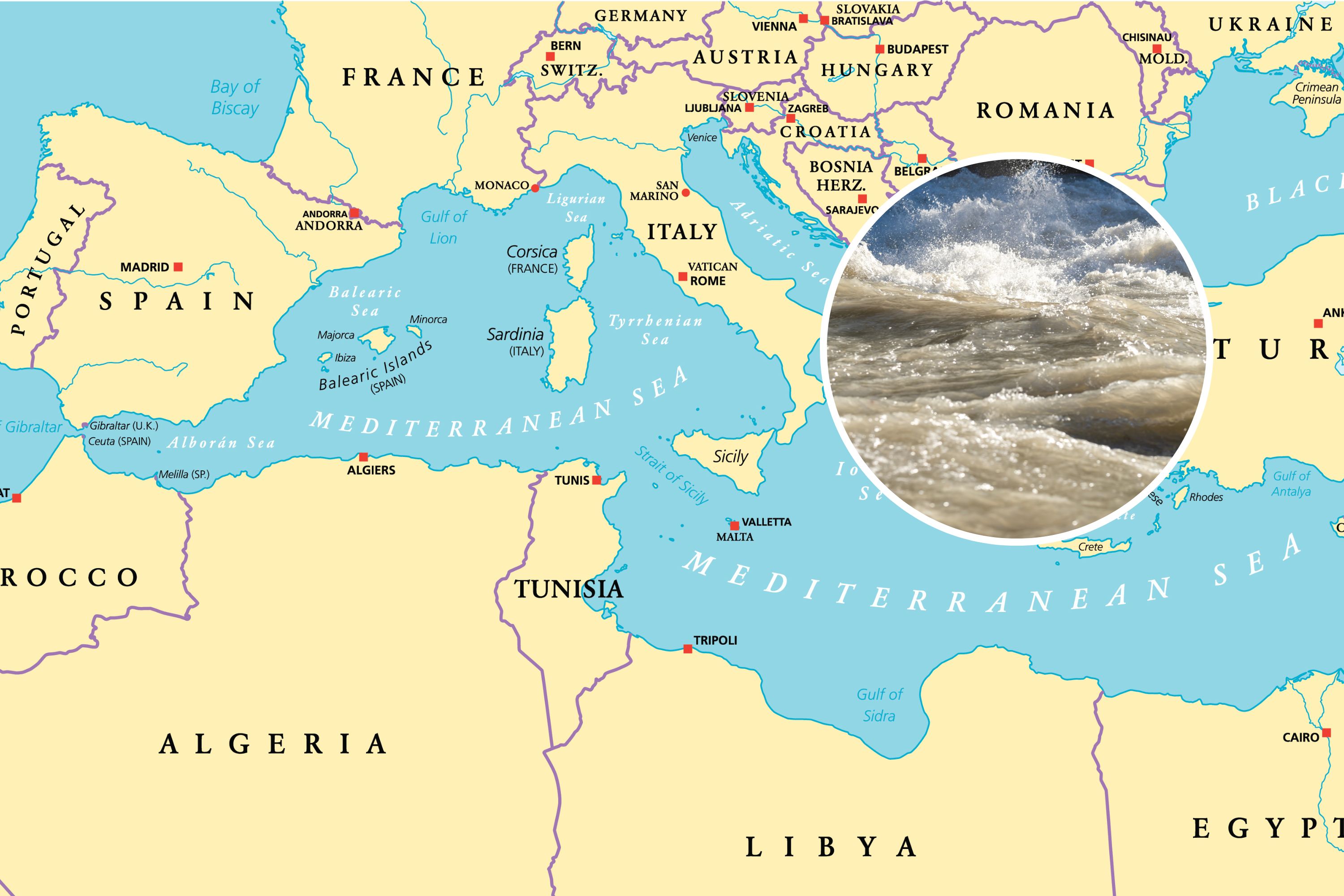
Multiple research teams have compiled extensive evidence for the highly catastrophic nature of the Zanclean Megaflood. Observations of more than 300 asymmetric, streamlined erosional ridges on and around the Sicily Sill indicate that powerful flows of turbulent water sculpted the landscape. As one study notes, the morphology of these ridges is “compatible with erosion by large-scale, turbulent water flow with a predominantly north-easterly direction”[6][14]. Geological sampling of these ridges revealed a layer of rocky debris on top that is interpreted as rapidly deposited material eroded from the ridge flanks and adjacent areas. This debris layer, which marks the boundary between the Messinian and Zanclean periods, is a key piece of evidence supporting the sudden onset of the megaflood[1][5][14].
Furthermore, seismic reflection data have uncovered a distinctive “W-shaped channel” on the continental shelf east of the Sicily Sill. This channel appears to connect the erosional features onshore to deep submarine canyons, particularly the Noto Canyon, thereby acting as a funnel for the massive floodwaters[6][11][27]. Such geophysical imaging has been crucial in confirming that these features are not the result of gradual processes but instead reflect the high-energy dynamics of a catastrophic flood event.
Flow Dynamics and Modeling Results


Hydrodynamic models have been used to simulate the behavior of the megaflood. These computer simulations helped estimate peak flow velocities, discharge rates, and the evolution of the flood as it transitioned from the western to the eastern Mediterranean basin. Model predictions suggest that discharge rates during the event ranged between 68 and 100 Sverdrups (with one Sverdrup equaling one million cubic meters per second)[2][8][14][27]. The floodwater is estimated to have reached speeds of up to 32 meters per second (72 miles per hour), and computer models indicate that as the water spilled over the Sicily Sill, its flow direction altered gradually in a clockwise manner, deepening channels further downstream[5][6][13].
These dynamic simulations are supported by geological evidence; for instance, the deposition of bedload debris and the formation of streamlined ridges are consistent with rapid, high-energy water flows that can modify both subaerial and submarine landscapes almost instantaneously on a geological timescale[1][13][19].
Implications for Mediterranean Evolution and Global Significance



The reintroduction of water during the Zanclean Megaflood not only refilled the Mediterranean basin dramatically but also had long-lasting effects on regional topography and sediment deposition. The flood is implicated in the formation of vast sedimentary deposits in the western Ionian Basin, with estimates suggesting that volumes up to 1,600 cubic kilometers of chaotic megaflood sediment were transported and deposited over a short time span[8][16][25].
Beyond reshaping the local landscape, the event had broader implications. Various studies have noted that such a massive and rapid influx of water would have induced seismicity, contributed to the erosion of canyons along the Malta Escarpment, and influenced the later development of Mediterranean ecosystems and human settlement patterns. As research has shown, “These findings not only shed light on a critical moment in Earth’s geological history but also demonstrate the persistence of landforms over five million years”[9][16][18].
Importantly, the evidence for this event challenges previous models that favored a slow, gradual reconnection of the Mediterranean with the Atlantic. New data suggest that the basin underwent a dramatic environmental transformation over a timescale of only a few years, rather than the previously assumed 10,000 years[4][20][24]. This recognition alters long-standing perspectives on the interplay between tectonics, climate, and oceanography in the Mediterranean region, and it provides a compelling example of how catastrophic events can dominate Earth's geological record.
Concluding Remarks


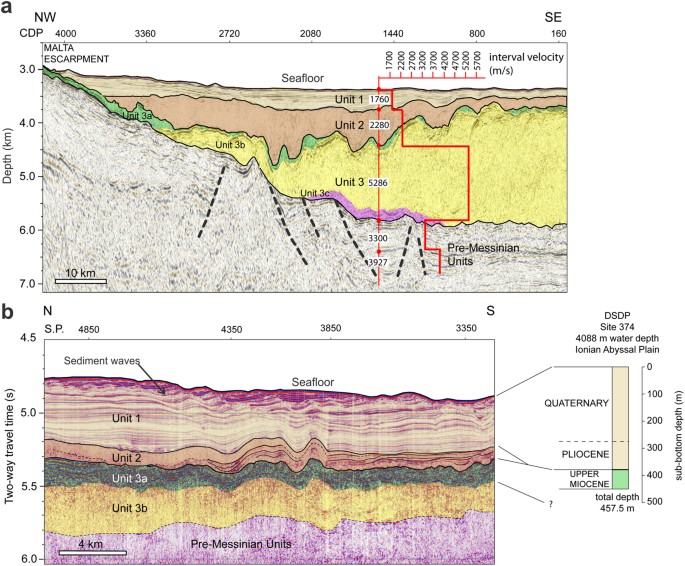
A synthesis of evidence from diverse sources, including geological field observations, seismic imagery, and numerical modeling, strongly supports the hypothesis of the Zanclean Megaflood as a rapid and massive event that refilled the Mediterranean Sea at the end of the Messinian Salinity Crisis. Multiple independent studies converge on key points: the identification of over 300 streamlined erosional ridges, the rapid deposition of debris marking the critical boundary between geological periods, the discovery of a W-shaped subaqueous channel acting as a funnel for catastrophic flows, and model estimates indicating unprecedented water discharge rates and velocities[1][2][3][4][6][8][11][14][16][19][24][27][29].
This comprehensive picture reinforces the idea that Earth’s history is punctuated by sudden, extreme events capable of reshaping entire regions. The Zanclean Megaflood serves as a dramatic example of such processes, reminding us that even vast ocean basins can be transformed in a matter of years due to the dynamic forces of water and tectonics. Continued research and exploration along the Mediterranean margins promise to further illuminate the details of this extraordinary event and its lasting legacy on our planet[7][10][12][15][17][20][21][22][23][25][26][28][30].
Veamos alternativas:
- Modifica la consulta.
- Inicia un nuevo hilo.
- Eliminar fuentes (si se han agregado manualmente).
Lucian's True Story - Short Movie
Transcripción
Lucian's True Story /media/short_movies/596/257173_movie.mp4 Poster: /media/short_movies/596/257173_poster.png
Veamos alternativas:
- Modifica la consulta.
- Inicia un nuevo hilo.
- Eliminar fuentes (si se han agregado manualmente).
What is the appeal of retro games?

The appeal of retro games largely stems from nostalgia, evoking fond memories of childhood and simpler times. Many players associate these games with positive past experiences, which triggers emotional responses and brings joy, making them a form of comfort. As Chris Schranck noted, retro games help adults reconnect with feelings from their youth, providing a brief escape from responsibilities and anxieties[1].
Additionally, retro games offer simplicity and straightforward gameplay, which can be more accessible than modern titles, often overloaded with complex mechanics[3][4]. The thriving online communities surrounding retro gaming also foster a sense of belonging, allowing enthusiasts to share their passion and experiences[2][6].
Veamos alternativas:
- Modifica la consulta.
- Inicia un nuevo hilo.
- Eliminar fuentes (si se han agregado manualmente).
Inspirational quotes about bird survival instincts in the wild

Such powerful animals could not have submitted easily.Unknown[1]




Veamos alternativas:
- Modifica la consulta.
- Inicia un nuevo hilo.
- Eliminar fuentes (si se han agregado manualmente).
Can you identify the scientific theories discussed in 'A Strange Manuscript'?
Veamos alternativas:
- Modifica la consulta.
- Inicia un nuevo hilo.
- Eliminar fuentes (si se han agregado manualmente).
The Future of Digital Nomadism: Trends, Challenges, and Opportunities
The Future of Digital Nomadism: Trends, Challenges, and Opportunities
Rapid Growth and Mainstream Adoption
In recent years, digital nomadism has shifted from a fringe lifestyle to a mainstream work model. As noted across multiple sources, particularly from digitalnomad[1] and techtupedia[2], the rise of remote work—accelerated by the COVID-19 pandemic—has led to a transformation in how companies and workers view location independence. With estimates indicating that millions are now choosing to work from anywhere in the world[18], digital nomadism is not simply a trend but a fundamental change in global work culture. This transformation is reflected in the broad acceptance of remote work policies by organizations and governments alike, setting the stage for a future where flexibility and personal freedom drive productivity.
Technological Advancements and Remote Work Tools


Technological innovation is at the heart of digital nomadism. Sources such as Medium[6] and traveneur[19] point to rapid advancements in 5G connectivity, cloud computing, and AI-powered collaboration tools that enable seamless remote work. These tools—including enhanced virtual meeting platforms, project management software, and AI-driven scheduling systems—are making it easier than ever for digital nomads to remain productive regardless of location. As remote work tools become more intuitive and integrated into daily workflows, digital nomads can focus on creative tasks and strategic work rather than routine administrative duties.
Evolving Visa and Migration Policies


Government initiatives to attract remote workers are reshaping global mobility. Several texts, including those from freakingnomads[5], nomaddealsinfo[11], and researchgate[20], detail emerging digital nomad visas and revised immigration policies aimed at accommodating this growing population. Countries like Kenya, South Africa, and Georgia are introducing long-term visas that ease the process of settling abroad, while major destinations such as Spain have developed specialized digital nomad visas that offer attractive tax regimes and residency opportunities[9][17]. This shift not only simplifies legal residency for digital nomads but also encourages a more diversified geographic distribution of remote workers.
New Nomad Hubs and Destination Trends



Top digital nomad destinations are evolving to meet the unique demands of remote professionals. According to traveneur[3], timeout[7], and flatio[12], cities like Lisbon, Chiang Mai, Medellín, and emerging hubs like Tbilisi, Budapest, and Split are especially attractive due to their affordable cost of living, reliable internet, and vibrant coworking environments. Additionally, countries such as Costa Rica, Georgia, and Thailand have been recognized by experts for their nomad-friendly policies and thriving expat communities[14][23]. These destinations offer not only work-supportive infrastructure but also rich cultural experiences and favorable climates that enhance work-life balance.
Impact on Local Economies and Cultural Exchange


Digital nomads are having a profound impact on local economies and communities. As described by globalcitizensolutions[15] and globalhrcommunity[16], nomads bring steady economic benefits to host regions by extending tourism seasons and supporting local businesses through their needs for accommodation, food, and leisure. The influx of remote workers can stimulate sustainable tourism and encourage cultural exchange, as digital nomads often blend into local communities, share knowledge, and even mentor local startups. This decentralization of economic activity helps alleviate the pressures on over-touristed urban centers while promoting innovation and entrepreneurship in less-explored areas.
Corporate Trends and Global Talent
The future of digital nomadism is intertwined with broader shifts in corporate culture and talent management. According to daily-world[8] and shrm[25], companies are increasingly embracing hybrid and fully remote work models to attract a diverse global workforce. By adopting digital nomad policies, organizations can tap into talent pools that are no longer limited by geography. The benefits include reduced overhead costs, improved work-life balance for employees, and the ability to foster innovation through cross-cultural teams. Employers who invest in robust digital nomad policies are positioning themselves to be more competitive in the global market.
Challenges and Strategies for Adaptation


Despite the many advantages, the digital nomad lifestyle comes with its own set of challenges. Issues such as maintaining a clear work-life balance, managing finances across multiple currencies, coping with isolation, and navigating unpredictable visa regimes are widespread[4][10][13][21]. Experts advise establishing consistent daily routines, utilizing coworking spaces to mitigate isolation, and adopting digital financial tools to streamline expense management[13][21]. Additionally, the importance of cultivating meaningful connections—both online and in-person—is emphasized as a way to counteract loneliness and build supportive networks.
The Role of AI and Future Innovations

Looking forward, AI is expected to play a transformative role in further optimizing the digital nomad experience. As highlighted by traveneur[19] and nomadicdanny[24], AI-driven solutions will automate routine tasks and enhance creative productivity. Virtual assistants will become more advanced, providing personalized recommendations and managing administrative functions, which allows remote workers to concentrate on high-level work. In a future where AI tools become seamlessly integrated into everyday work processes, digital nomads will be better equipped to scale their businesses and adapt to the rapidly evolving digital landscape.
Long-term Outlook and Opportunities
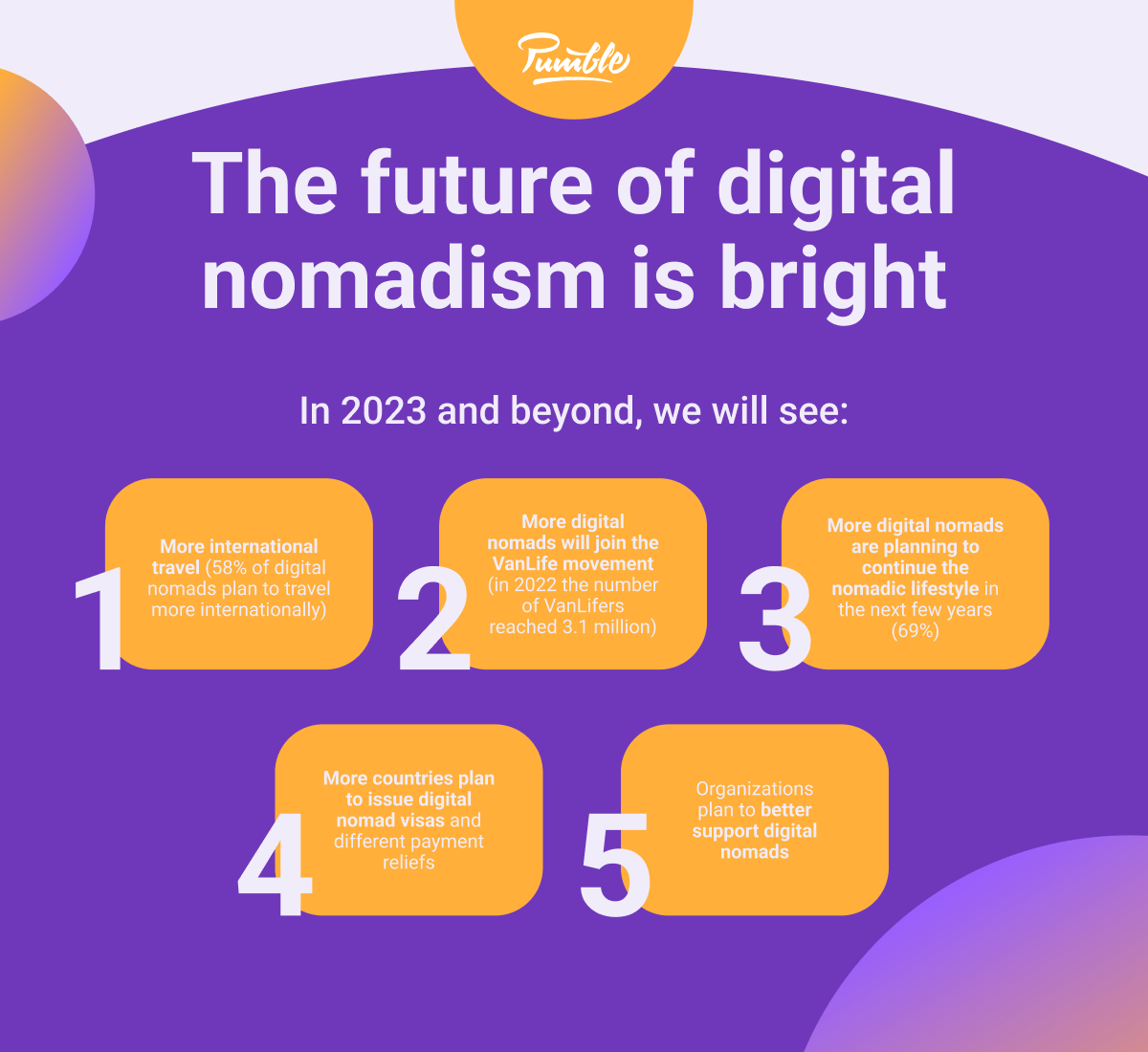


The future of digital nomadism appears bright and full of opportunity. With government policies evolving, new technological tools emerging, and an increasingly open mindset toward remote work, the digital nomad lifestyle is set to become more integrated into the global economy[16][17][22]. As organizations continue to support flexibility and as digital nomads overcome current challenges through smarter planning and community building, this lifestyle will likely gain further mainstream acceptance. Long-term, digital nomadism could even contribute to reversing local brain drain by infusing remote communities with global talent, ultimately driving innovation and sustainable growth in host countries[15][18].
Veamos alternativas:
- Modifica la consulta.
- Inicia un nuevo hilo.
- Eliminar fuentes (si se han agregado manualmente).











Reviving 1940s Comfort Foods: A Culinary Journey
Reviving 1940s Comfort Foods: A Culinary Journey
An Era of Resourcefulness and Adaptation
The 1940s was a decade defined by scarcity and the need to make the most of limited supplies. In the midst of World War II, households adapted by using simple, readily available ingredients to create meals that were hearty, filling, and nutritious. Families combined modest ingredients into dishes that not only fed their bodies but also provided a comforting sense of togetherness in challenging times[1][2]. This period was marked by a blend of practicality and creativity in the kitchen, setting the stage for a culinary legacy that still inspires modern home cooking.
The Backbone: Sandwiches and Savory Pastries

One of the standout meals from the 1940s was the sandwich. Crafted to be "appetizing, sustaining and of high nutritive value," sandwiches of that era often consisted of ingredients such as bread, cheese, and a variety of hearty fillings. Day-old bread was preferred for its superior texture, and fillings ranged from corned beef, curry-infused mixtures, to cheese and pickle spreads, all designed to be filling yet economical[1]. Complementing these were savory pastries, which served as versatile options ideal for picnics or packed lunches. Recipes for pastries, including items like fish patties and cheese and vegetable patties, demonstrated how leftovers and limited resources could be transformed into a satisfying, convenient meal[1][2].
Hearty Fillings and Nutritional Staples
During these tough times, the focus was on balancing flavor with nutrition. Savory pastries were enriched with substantial fillings like sausage meat, mashed potatoes, and combinations of cheese and potatoes. For instance, a filling might feature a mix of mashed potatoes seasoned only with salt and pepper, or be enhanced with sausage meat and fresh vegetables to add extra protein and flavor. Such recipes underscored the era's commitment to creating dishes that were both nourishing and gratifying. This approach not only maximized the nutritional value of meals but also embodied the resourcefulness that became a hallmark of 1940s cooking[1][2].
Sweet Treats and Refreshing Beverages
Despite the challenging conditions, dessert and beverages were important parts of the 1940s meal structure. Desserts such as almond biscuits, rock buns, and jam biscuits provided a sweet end to the meal, using substitutions where necessary to overcome ingredient shortages. One inventive creation was the "Potato Apple Cake," which cleverly mixed cooked potatoes with apples and sugar to produce a unique yet delightful dessert that lifted spirits during hard times[1][2]. Alongside these, beverages were crafted with a focus on simplicity. Hot drinks like coffee essence offered warmth and comfort, while cold options such as spiced fruit punch and orange drinks provided refreshing alternatives, ensuring that people of all ages could enjoy a taste of home and tradition[1].
Reviving the Culinary Legacy
Today, there is a renewed interest in vintage cooking, and the recipes of the 1940s offer ample inspiration for modern cooks. Embracing these dishes means more than simply recreating old recipes; it is about understanding the context and resilience behind each meal. By using fresh produce, leftovers, and pantry staples, modern kitchens can echo the resourcefulness of the 1940s. Whether crafting a simple sandwich with day-old bread or experimenting with savory pastries filled with a mix of nutritious ingredients, home cooks can enjoy meals that are both economical and deeply comforting[1][2]. This journey into the past not only preserves valuable culinary techniques but also honors an era that managed to combine practicality with heart, feeding families on both a nutritional and emotional level.
A Tribute to Culinary Ingenuity
The legacy of 1940s comfort foods is a testament to the creativity and perseverance of those who made the best of difficult circumstances. Each recipe tells a story of familial love, community spirit, and the enduring power of food to bring people together. As modern kitchens adapt these classic methods, they continue a tradition that values simplicity, nutrition, and togetherness. In reviving these dishes, we not only celebrate the past but also enrich our present with flavors and ideas that have proven their worth over decades of warm family memories and challenging times overcome[1][2].
Veamos alternativas:
- Modifica la consulta.
- Inicia un nuevo hilo.
- Eliminar fuentes (si se han agregado manualmente).
Digital Platforms and Their Role in Combating Stigma
Digital Platforms and Their Role in Combating Stigma
Introduction


Digital platforms have emerged as powerful tools in the effort to combat stigma, especially surrounding mental health. Through a diverse range of online interventions and strategies, these platforms help to educate the public, provide spaces for social connection, and empower marginalized voices. Various studies and reviews have explored how digital media not only disseminates accurate information but also actively challenges negative stereotypes by enabling direct communication and personal storytelling[1][2][4].
Enhancing Awareness and Education


One of the primary ways digital platforms work to reduce stigma is by raising public awareness and promoting accurate knowledge about mental health. Educational campaigns conducted through social media and dedicated websites spread fact‐based information that counteracts myths about mental illness[2][4]. For instance, platforms have been used to share personal narratives, factual content, and myth-busting messages to educate audiences about mental health conditions, emphasizing that mental illnesses are treatable and that seeking help is a sign of strength rather than weakness[1][23]. Additionally, online tools allow for interactive learning experiences that enhance mental health literacy and encourage positive attitudes toward professional care and social inclusion[13].
Facilitating Social Connection and Direct Engagement


Digital platforms offer an interactive space for individuals to connect with others who have similar experiences. This direct contact, whether through online support groups, peer-to-peer forums, or live chat services, creates a ‘social contact’ effect that humanizes the experience of mental illness and counteracts stigma[5][7]. Several campaigns and interventions have shown that when individuals share their firsthand experiences via these platforms, negative stereotypes are challenged and social distance is reduced. Studies report that such contact-based approaches, especially those involving first-person narratives, are among the most effective methods for diminishing stigma[1][16][20]. Moreover, the immediacy of digital interactions allows for ongoing conversation, which contributes to sustaining a supportive network that facilitates both understanding and recovery[8][21].
Empowering Marginalized Voices

Digital platforms also serve as a vehicle for marginalized communities to reclaim their narratives and assert their identities. By providing accessible and often anonymous spaces, these platforms empower individuals who might otherwise be silenced by traditional societal norms[3][15]. Efforts such as community-led journalism and decentralized governance in online environments enable underrepresented groups to share their stories directly. This not only helps in combating stigma but also creates a sense of solidarity among community members who feel excluded from mainstream channels[12][18][24]. Through increased representation and inclusive participation, digital tools promote equity and help break down cultural and socioeconomic barriers that contribute to stigmatization[7][9].
Digital Activism and Community Mobilization

Online activism has transformed the landscape of how stigma is confronted. Social media campaigns, digital petitions, and hashtag movements mobilize vast audiences rapidly, channeling public attention toward issues of stigma and discrimination[6][11]. These digital actions not only challenge opposing stereotypes in real time but also facilitate collective efforts that pressure institutions to reform policies and practices. Activists often use digital platforms to share impactful content that redefines public discourse around mental health, effectively turning passive observation into active engagement[17][19][22]. By combining educational content with grassroots mobilization, digital activism contributes to creating a more balanced and supportive narrative about mental health care and recovery.
Measuring and Evaluating Impact
Research suggests that digital interventions can lead to small to moderate improvements in attitudes toward mental health, especially among young people[23]. Studies using online platforms for mental health promotion and intervention have measured outcomes such as reduced prejudice, decreased social distance, and improved help-seeking behavior[5][14]. Although many of these interventions are still in preliminary stages, evidence indicates that the integration of direct contact, educational messaging, and interactive technology is effective in altering stigmatizing views. The use of validated scales and follow-up assessments in these studies helps to further substantiate the role of digital platforms in creating lasting change[13][10].
Challenges and Considerations
While digital platforms have shown significant promise in combating stigma, several challenges remain. Not all individuals have equal access to digital technologies, and issues related to digital literacy, privacy, and the potential for superficial engagement, sometimes labeled as ‘slacktivism,’ can limit the overall effectiveness of these interventions[6][15]. Additionally, the need to ensure that content is culturally sensitive and accessible in multiple languages is crucial for reaching a global audience[2][12]. Continuous evaluation and adaptation of these digital strategies are necessary to address the concerns of misinformation and digital exclusion while maximizing the potential benefits[14][20].
Conclusion
Digital platforms play a multifaceted role in battling stigma by educating the public, facilitating personal connection, and empowering marginalized groups to share their stories. They act as catalysts for social change by enabling interactive, peer-supported, and community-driven approaches that challenge negative stereotypes and promote mental health literacy. Despite challenges related to access and engagement, the evidence consistently indicates that digital interventions, particularly those incorporating direct contact and educational content, are effective tools in reducing stigma. As these platforms continue to evolve, their capacity to influence public perception and foster more inclusive societies is likely to expand, making them an indispensable asset in the fight against stigma[1][2][4][7][12][16][23].
Veamos alternativas:
- Modifica la consulta.
- Inicia un nuevo hilo.
- Eliminar fuentes (si se han agregado manualmente).