Descubre Pandipedia
Un directorio creciente de respuestas útiles seleccionadas por la comunidad de Pandi. Busca en la colección o explora los últimos descubrimientos.
2272 entradas disponibles

Fast facts: AI ethics regulations worldwide
Veamos alternativas:
- Modifica la consulta.
- Inicia un nuevo hilo.
- Eliminar fuentes (si se han agregado manualmente).
Quotes from Indigenous Australian activists during the 1967 referendum campaign

We refuse to be pushed into the background.Jack Patten[1]




Veamos alternativas:
- Modifica la consulta.
- Inicia un nuevo hilo.
- Eliminar fuentes (si se han agregado manualmente).
From Pixel Art to Photorealism: How Graphics Shape Social Play
From Pixel Art to Photorealism: How Graphics Shape Social Play
Introduction

Game graphics have evolved dramatically over the past decades, transitioning from the simplicity of pixel art to the intricacy of photorealistic visuals, and this evolution has had profound effects on social play and community aesthetics[1]. In early games, the character and environmental designs were defined by severe technological constraints, yet these limitations fostered creative workarounds and established visual styles that now serve as a nostalgic foundation for many communities[6].
Evolution of Game Graphics and Artistic Approaches
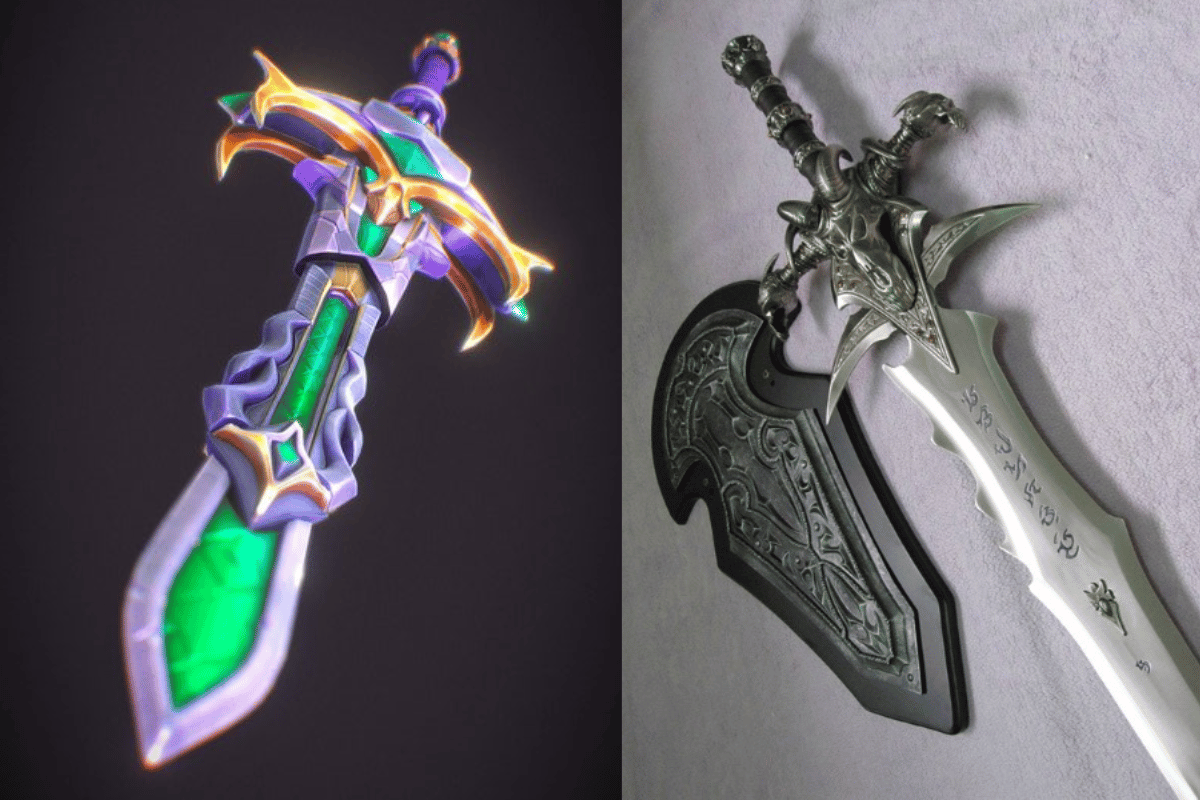

In the early stages of gaming, developers relied on pixel art due to hardware limitations, using small dots to craft characters, backgrounds, and interactive elements, which over time developed into an aesthetic adored by many and still celebrated in indie games today[1]. As hardware improved and software tools matured, game art expanded into multidimensional environments with 3D models and realistic lighting techniques. Modern titles now showcase a range of styles from hyper-realistic textures that mimic real materials to highly stylized, imaginative art that prioritizes expression and creative exaggeration[2].
Hardware Constraints and Their Creative Impact

During the early decades, hardware constraints greatly dictated the visual possibilities in gaming. Limited memory and processing power meant that every pixel had to be carefully managed; for instance, early consoles like the Magnavox Odyssey and Atari 2600 required developers to build graphics line by line and even use overlays to simulate richer visuals[5]. These constraints, although challenging, pushed developers toward creative programming techniques that defined the visual language of early video games and represent an important part of gaming history that still influences artistic choices and retro-inspired aesthetics today[5].
Comparative Analysis of Art Styles
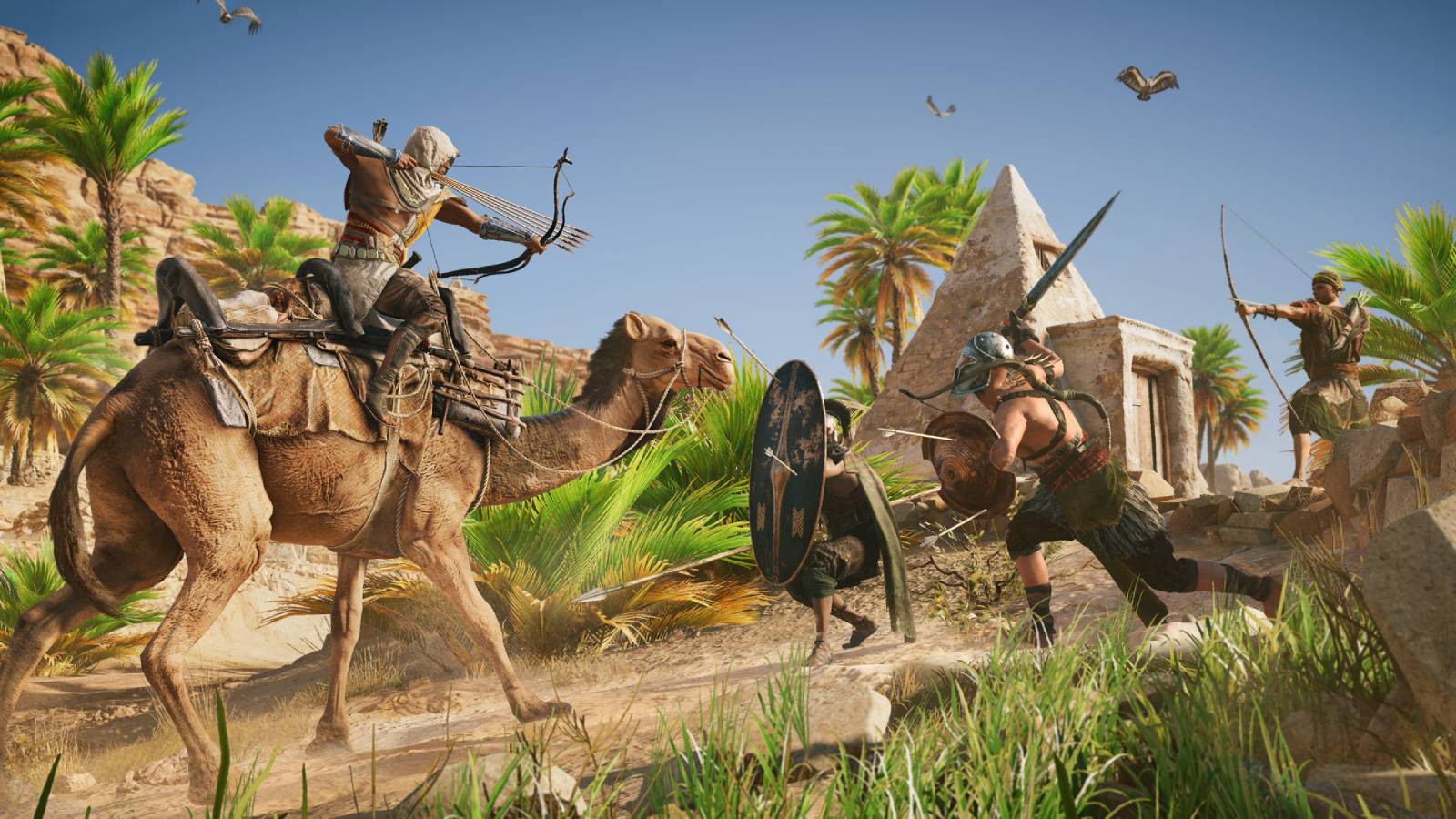
Modern game art is characterized by a spectrum of styles ranging from photorealism to stylized graphics, each with its own merits and implications for player experience. Realistic art strives to recreate the intricacies of the real world by using advanced techniques such as photogrammetry and physically based rendering to simulate natural lighting and textures, as seen in titles like Red Dead Redemption 2 and The Last of Us Part II[2]. In contrast, stylized art simplifies and exaggerates visual elements to create a unique identity that is not only memorable but also often ages better over time; games such as Fortnite and Cuphead employ these techniques to evoke emotion and cultural resonance within their communities[2].
Effects on Player Expression and Community Aesthetics

The evolution of game graphics has significant implications for how players express themselves and form communities around shared aesthetics. Enhanced visual detail in modern games amplifies emotional connections by creating immersive atmospheres where players can explore rich narratives and intricate worlds[3]. Art direction plays a core role in shaping social play, as clear visual cues and thoughtful design can guide player behavior and interaction. For example, detailed character design and environmental storytelling contribute to a sense of identity and community that can extend beyond the game itself, influencing fan art, cosplay, and online discussion groups[10].
The Role of Technological Breakthroughs and Artistic Flexibility
Advancements in hardware such as faster processors and real-time rendering engines have enabled developers to construct more dynamic and interactive environments. Tools like Blender, Maya, and advanced game engines have broadened the scope of what is artistically possible, allowing for greater flexibility in blending artistic vision with functional gameplay mechanics[1]. At the same time, the choice of art style—whether highly realistic or deliberately stylized—often reflects narrative goals and influences how players emotionally connect with the game, thereby affecting the collective aesthetic of a gaming community[7].
Balancing Creativity and Technical Realities
Game artists face the continuous challenge of balancing creative expression with technical limitations. In early video games, the scarcity of computational resources led developers to use clever artistic techniques, such as dithering and sprite overlays, to overcome hardware restrictions and still deliver compelling visual experiences[5]. Today, while the technical constraints have relaxed considerably, the legacy of these early methods persists in the form of retro-inspired aesthetics and an appreciation for minimalistic, expressive art, which has its own social appeal among gamers who seek both nostalgia and innovative design[1].
Conclusion
The journey from primitive pixel art to photorealism underscores the interplay between technological progress and artistic experimentation, where each breakthrough has redefined how games look, feel, and are experienced socially. Hardware constraints once imposed strict limitations that spurred ingenious visual solutions, while modern advancements enable expansive, lifelike worlds that immerse players in unprecedented ways. As gamers continue to express their creativity through in-game customization, fan art, and community discourse, the art styles of video games remain a crucial element in shaping both individual identity and shared cultural values within the gaming community[10].
Veamos alternativas:
- Modifica la consulta.
- Inicia un nuevo hilo.
- Eliminar fuentes (si se han agregado manualmente).
Colorful anti-inflammatory meals
:max_bytes(150000):strip_icc()/Anti-Inflammatory-Cherry-Spinach-Smoothie-29745bf879424a99ad252368f0e38440.jpg "anti-inflammatory cherry spinach smoothie")
:max_bytes(150000):strip_icc()/6807938-f9af80e5ce574779bfa822ef23e799c9.jpg "Anti-Inflammatory Golden Tonic")
:max_bytes(150000):strip_icc()/raspberry-spinach-salad-wth-avocado-and-walnuts-beauty-133_preview_maxWidth_4000_maxHeight_4000_ppi_300_quality_100-f6b7ac96346545899804f2513cf10a5a.jpg "Recipe Photo of Anti-Inflammatory Raspberry Spinach Salad with Avocado & Walnuts")

:max_bytes(150000):strip_icc()/45014761-415229d784bf40f6a04d56fb73c3f455.jpg "Roasted Root Veggies and Greens over Spiced Lentils")
:strip_icc()/BHG-Kale-Falafel-Salad-with-Toasted-Pine-Nuts-25MzSCcv460AIQoyX3EQkL-28dd235a68f84d95acbb623a7a5b9c65.jpg "Kale salad with falafel cherry tomatoes pine nuts tofu greens red onion and hummus garnish on a plate")
:max_bytes(150000):strip_icc()/roasted-vegetable-bowl-with-chickpeas-quinoa-seasam-ginger-dressing-FT-RECIPE0620-3c1c827113314edf8c2c90984566a3ea.jpg "Roasted Vegetable Bowl with Chickpeas, Quinoa, and Sesame-Ginger Dressing")
:max_bytes(150000):strip_icc()/anti-inflammatory-strawberry-and-kale-salad-with-burrata-beauty-086_preview_maxWidth_4000_maxHeight_4000_ppi_300_quality_100-5af7023288214f458d48be772b4a5bf4.jpg "a recipe photo of Anti-Inflammatory Strawberry & Kale Salad with Burrata")


:max_bytes(150000):strip_icc()/The-6-Best-Budget-Friendly-Anti-Inflammatory-Foods-According-to-a-Dietitian-dc83817e2a874224a63c2d091cef4f9a.jpg "Plate of mixed salad with edamame avocado greens and grains")


Veamos alternativas:
- Modifica la consulta.
- Inicia un nuevo hilo.
- Eliminar fuentes (si se han agregado manualmente).
Weapons and Wonders: Technology and Tactics in the War with Mars
Veamos alternativas:
- Modifica la consulta.
- Inicia un nuevo hilo.
- Eliminar fuentes (si se han agregado manualmente).
Can you spot hidden sugar on labels?
Veamos alternativas:
- Modifica la consulta.
- Inicia un nuevo hilo.
- Eliminar fuentes (si se han agregado manualmente).
Summarize the key points and insights from the sources
Insights from 'Stories of Animal Life': A Glimpse into the Natural World of 1899
Published in 1899, Charles Frederick Holder's Stories of Animal Life presents a collection of narratives designed to ignite a passion for zoology and natural history, particularly among young readers[1]. Based largely on personal observations and experiences, the book moves beyond dry scientific classification to reveal the vibrant, complex, and often surprising behaviors of animals[1]. This report summarizes the key themes and insights from the text, exploring its depiction of animal intelligence, survival strategies, parental instincts, and the multifaceted relationship between animals and humans.
Animal Intelligence, Communication, and Social Dynamics
The book consistently portrays animals as beings with rich social lives and sophisticated methods of interaction. It challenges simplistic views by highlighting behaviors that suggest complex thought and communication.
- Forms of Communication: The chapter 'How Animals Talk' posits that animal vocalizations are a form of language[1]. Domestic fowls, for example, use distinct calls to signal danger, express joy, or communicate with mates, indicating a structured system of expression[1].
- Play and Recreation: Animals are shown to engage in activities for enjoyment, not just survival. 'The Games of Animals' describes otters sliding down mud banks and locusts playing a form of tag, suggesting that play is an integral part of animal life, likely for skill development and social bonding[1].
- Complex Social Bonds: The story of Mingo, a Coaita monkey, illustrates deep social and intellectual capabilities. Mingo uses his prehensile tail as a 'fifth hand' to interact with his environment and forms a gentle, protective bond with a puppy and a kitten, showcasing cross-species companionship[1]. Similarly, the kangaroo rats, or Dipodomys, exhibit playful social behaviors like boxing with one another[1].
Survival Strategies: Adaptation, Deception, and Symbiosis
A significant portion of the book is dedicated to the ingenious and diverse strategies animals employ to survive, find food, and protect themselves from predators. These stories highlight the remarkable adaptability of life.
Rhinoceros Birds as Sentinels
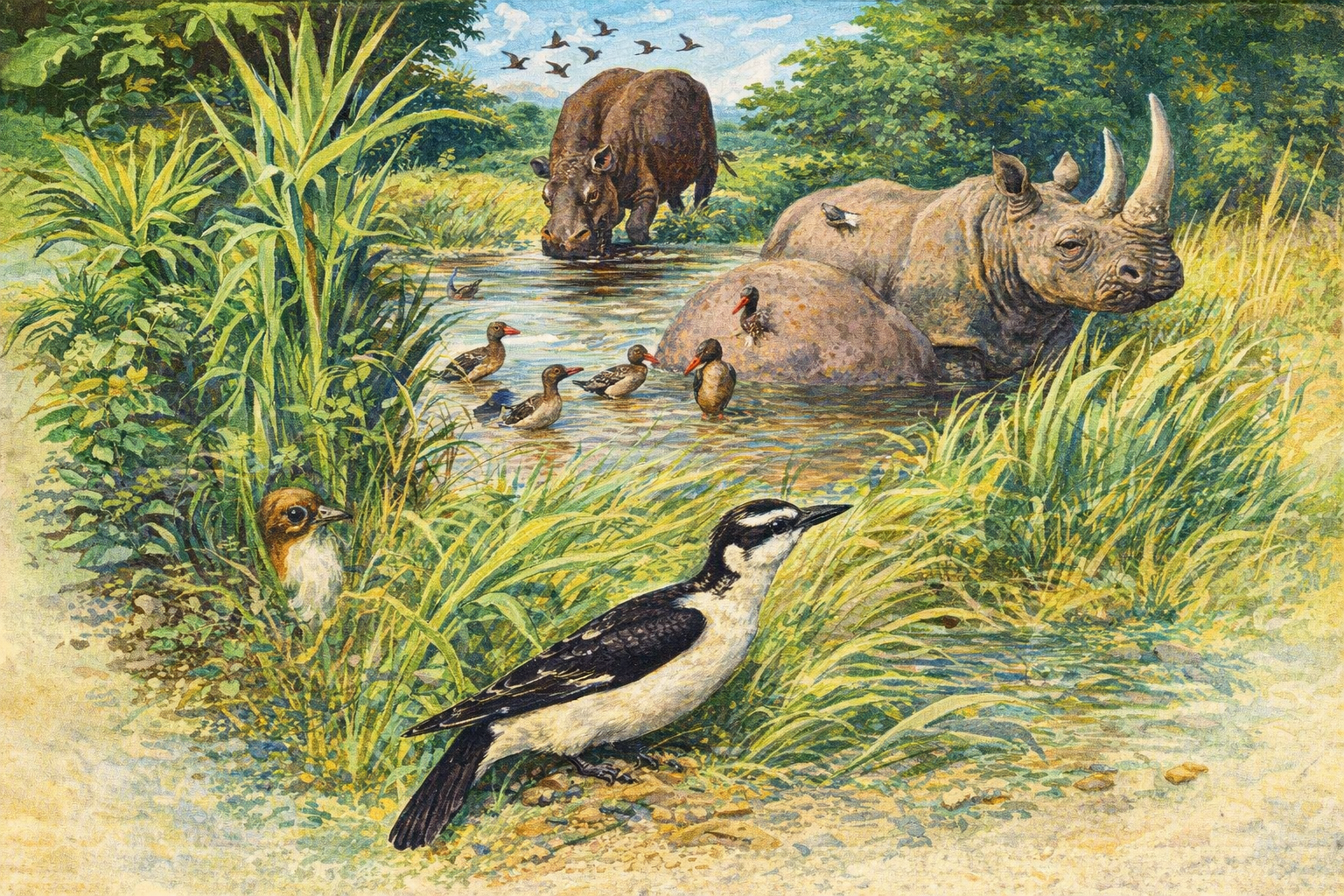
An illustration depicting the symbiotic relationship between rhinoceroses and oxbiter birds, which act as guards, as described in the chapter 'On Guard'.
Mimicry and Camouflage: The chapter 'Animal Mimics' details how creatures disguise themselves for protection. The Cranchia squid can rapidly change its color to match its surroundings, while certain spiders build perfectly camouflaged trapdoors to ambush prey and hide from threats[1]. Baby woodcocks are also noted for their natural camouflage, which blends seamlessly with their environment[1].
Predatory Techniques: The book explores unique hunting methods, such as the wasp in 'Insect Hypnotizers' that paralyzes a large spider with a precise sting, allowing it to be transported as live food for its young[1]. The powerful ocean swordfish uses its long bill to strike and hunt smaller fish, and is depicted as so formidable it can even damage ships[1]. Dragonflies are described as 'curious fishermen' for their ability to dive into water to catch minnows[1].
Symbiotic Relationships: 'On Guard' describes the mutually beneficial relationship between large mammals and birds like the oxbiter. The birds sit on the backs of animals like cattle and rhinoceroses, eating pests and acting as sentinels, sounding an alarm at the first sign of danger[1]. In another form of symbiosis, 'A Living Umbrella' explains how small crabs find shelter inside the protective structure of jellyfish like Venus's flower basket[1].
Unusual Adaptations: The book highlights creatures that defy typical categorization. 'Flying Without Wings' discusses animals like flying fish that use adapted fins to glide through the air[1]. 'Fishes Out of Water' describes the incredible adaptability of eels that can travel over land and the climbing perch that migrates between water bodies during droughts[1].
Nesting, Architecture, and Parental Care
Holder dedicates several chapters to the intricate ways animals build homes and nurture their young, showcasing complex instincts and affectionate behaviors.
The Nest of a Paradise Fish
An illustration showing the elaborate nest constructed by a fish, a key example from the chapters on animal architecture and parental care.
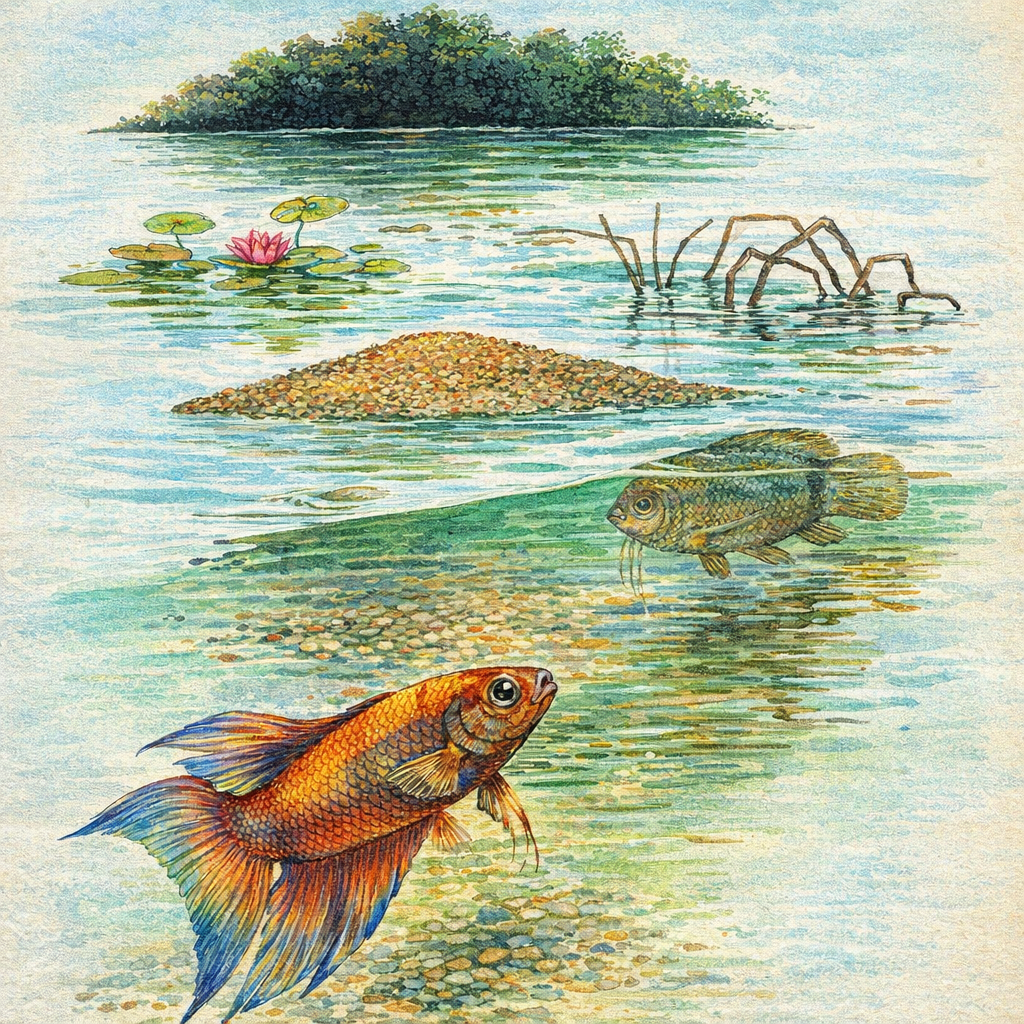
Elaborate Nests: 'Animal Mound Builders' describes the megapode birds, which construct large mounds of organic matter to incubate their eggs using the heat of decomposition[1]. In 'The Home of a Fish,' the male stickleback is shown to be a dedicated father who builds a nest from plant material, guards the eggs, and aerates them until they hatch[1].
Devoted Parenting: The chapter 'How Some Birds are Cared For' provides several examples of dedicated parenting. The night hawk actively leads predators away from its young, while the wood duck has a unique method for safely carrying its ducklings down from high nests[1]. These stories emphasize the intelligence and affection inherent in animal parental care.
The Complexities of Human-Animal Interaction
The narratives frequently explore the relationship between humans and animals, portraying a spectrum from companionship and care to conflict and exploitation.
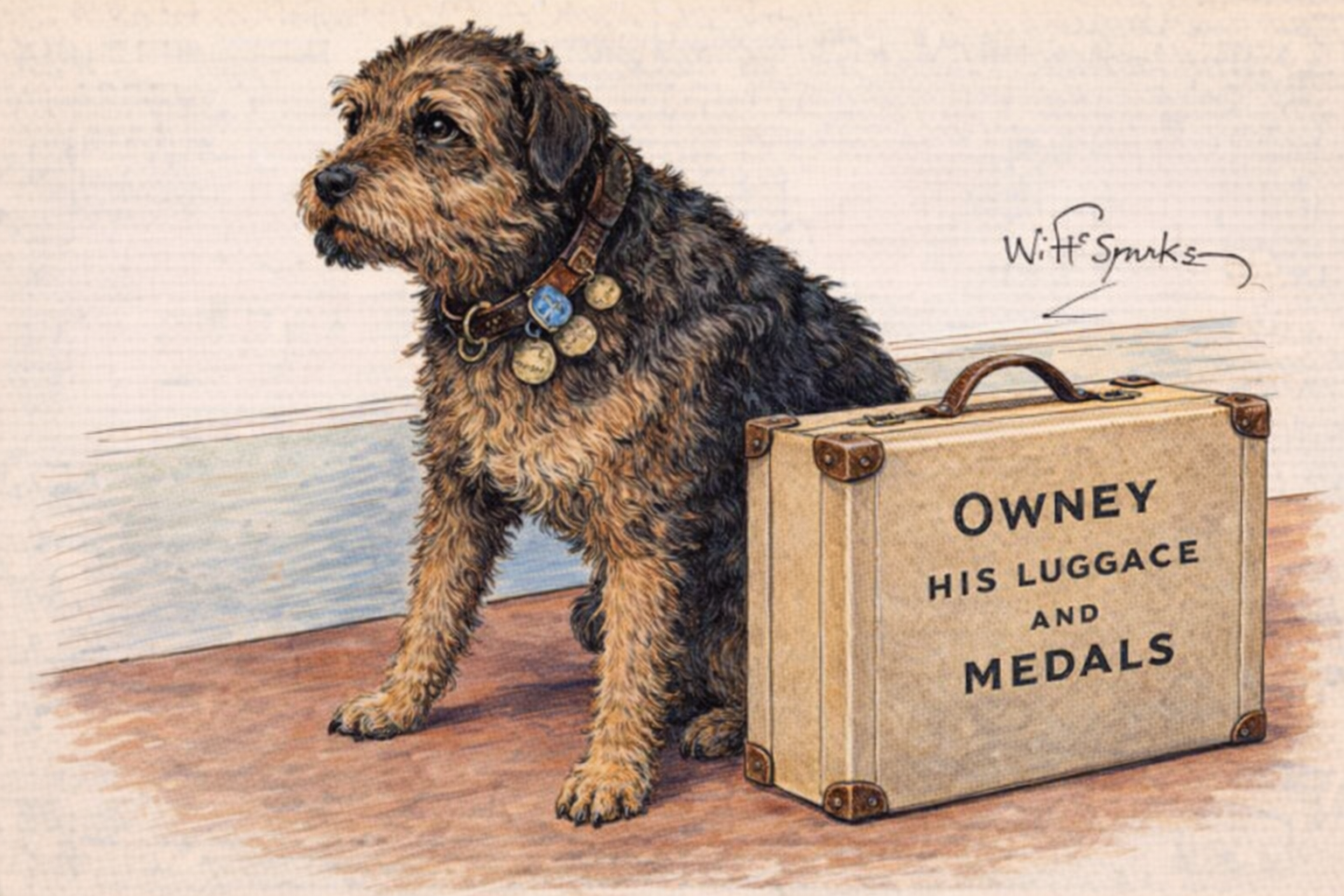
Owney, the World-Traveling Dog
This image depicts Owney, the dog whose global travels with the postal service are chronicled in 'A Dog's Trip Around the World', showcasing a remarkable story of human-animal companionship.
Elephants in Service to Humans
An illustration of an elephant with a person, reflecting the themes in 'War Elephants' and 'Rogue Elephants' where these animals are shown as both laborers and formidable forces.
- Companionship and Domestication: Stories like that of Owney, the dog who traveled the globe with postal workers, celebrate the deep bonds of loyalty and adventure between humans and animals[1]. The tale of 'Tiddlywinks' the hummingbird shows how a young girl can nurture a wild creature, forming an affectionate relationship[1]. The captured foxes in 'Jack and Jill Reynard' also adapt to a domestic life under a kind mistress[1].
- Conflict and Fear: The chapter on 'Rogue Elephants' details the danger these animals can pose when they become aggressive, terrorizing villages and destroying property[1]. Conversely, 'War Elephants' recounts their historical use as living weapons in human conflicts, highlighting their strength and the fear they inspired in battle[1].
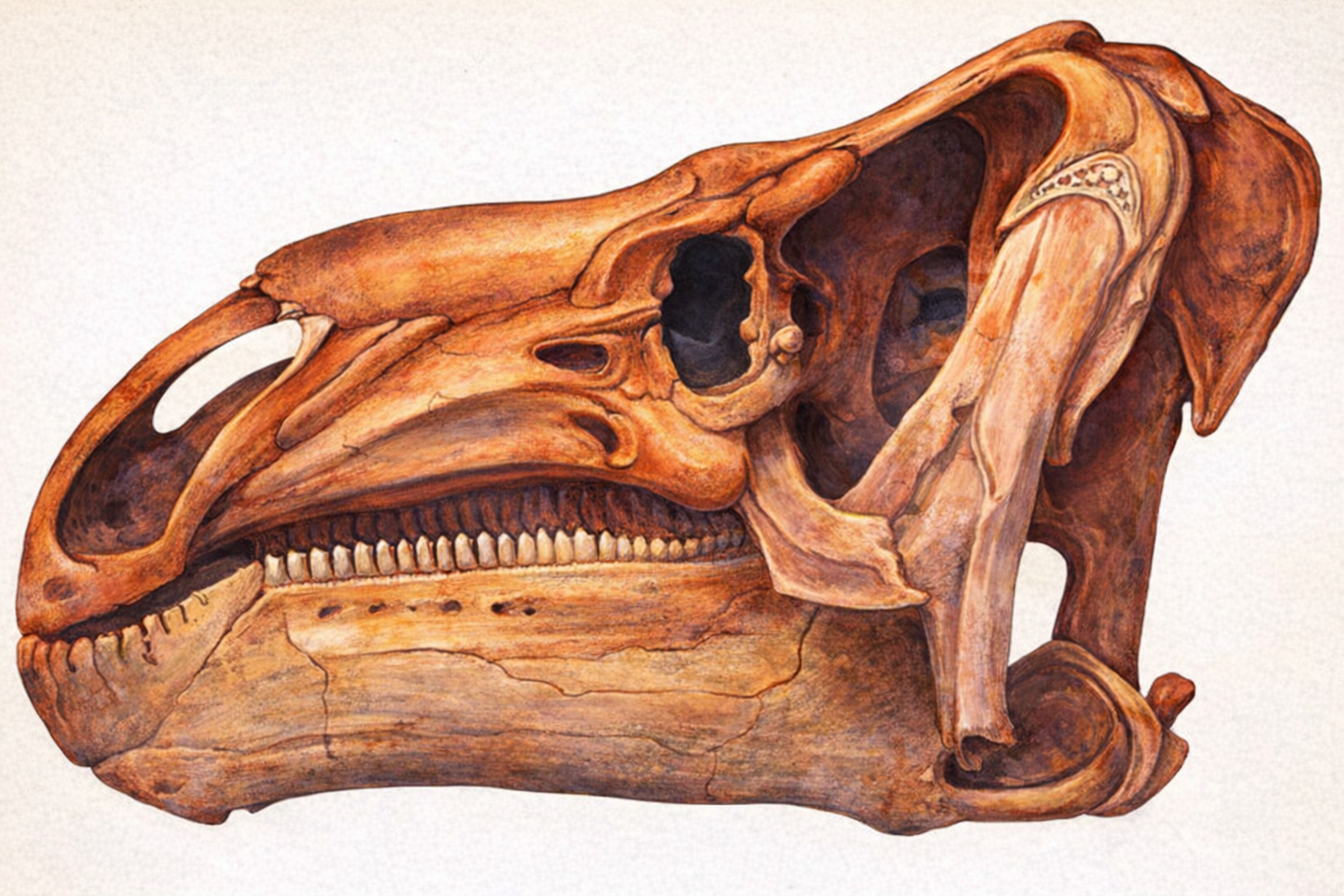
- Observation and Discovery: The book also touches on the human drive to study and document the natural world. In 'How the Whale Looked Pleasant,' a photographer's quest to capture an image of a living whale in the open ocean represents a milestone in nature observation[1]. 'Animal Restorations' explains the scientific process by which paleontologists reconstruct extinct creatures like the iguanodon from fossilized remains, expanding human knowledge of prehistoric life[1].
Skull of an Iguanodon
This illustration of an Iguanodon skull is featured in the chapter 'Animal Restorations,' which discusses how scientists reconstruct extinct animals from fossil evidence.
Conclusion: Fostering a Love for Natural History
Stories of Animal Life serves as more than a simple collection of animal tales. Through its engaging narratives, the book provides a window into the intricate and awe-inspiring world of animals. It highlights their intelligence, emotional capacity, and remarkable adaptations for survival. From the microscopic to the gigantic, from the depths of the ocean to the skies above, Charles Frederick Holder's work aims to transform the study of zoology from an academic exercise into a lifelong passion for observing and appreciating the wonders of nature[1]. The stories collectively argue for a more empathetic and curious view of the creatures with whom we share the planet.
Veamos alternativas:
- Modifica la consulta.
- Inicia un nuevo hilo.
- Eliminar fuentes (si se han agregado manualmente).
Smart kitchen gadgets for seniors











Veamos alternativas:
- Modifica la consulta.
- Inicia un nuevo hilo.
- Eliminar fuentes (si se han agregado manualmente).

Qual o ranking atual de Struff?
/https://s03.video.glbimg.com/x720/13414254.jpg "Conheça Jan-Lennard Struff, rival de Fonseca que foi 21º do mundo")
O ranking atual de Jan-Lennard Struff é o 46º na ATP, conforme mencionado nas fontes[1][2]. Ele já alcançou a 21ª posição, sua melhor classificação, em 19 de junho de 2023, mas atualmente ocupa a 46ª posição após um salto significativo em 2023, onde subiu da 167ª para a 21ª posição devido a um retorno de lesão[2][3]. Struff está participando do Challenger 175 de Phoenix, onde enfrentará o brasileiro João Fonseca[1].
Veamos alternativas:
- Modifica la consulta.
- Inicia un nuevo hilo.
- Eliminar fuentes (si se han agregado manualmente).
Low-impact resistance band workouts










:max_bytes(150000):strip_icc()/Health-GettyImages-1319675210-5b75524b9e814f75a355f08ca9b005e5.jpg "Person holds a resistance band during an at-home workout.")



Veamos alternativas:
- Modifica la consulta.
- Inicia un nuevo hilo.
- Eliminar fuentes (si se han agregado manualmente).