Descobreix Pandipedia
Un directori creixent de respostes útils seleccionades per la comunitat de Pandi. Cerca a la col·lecció o explora els darrers descobriments.
2272 entrades disponibles

How do high-speed trains work?

High-speed trains operate primarily through electric propulsion, typically receiving power from overhead wires at voltages around 25 kV 50 Hz, collected via a pantograph. This system allows efficient energy transfer, reducing reliance on fossil fuels[1]. The trains' infrastructure includes specially designed tracks that are straighter and smoother than conventional rails, enabling safe travel at speeds over 155 mph (250 km/h)[2][4].
Additionally, high-speed trains often incorporate advanced technologies such as tilting features to navigate curves better, and may run on a mix of high-speed and conventional tracks, enhancing connectivity between cities[2][6]. Some systems, like Maglev trains, utilize magnetic levitation to eliminate track friction, allowing even higher speeds[3].
Veiem alternatives:
- Modifica la consulta.
- Inicia un nou fil.
- Elimina les fonts (si s'han afegit manualment).
Health Risks Associated with the Digital Nomad Lifestyle
Health Risks Associated with the Digital Nomad Lifestyle
Overview
The digital nomad lifestyle—defined by freedom to work and travel from anywhere—offers many benefits but also carries a number of health risks. Multiple studies and articles note that the lack of a fixed routine and constant relocation can introduce physical, mental, and social challenges. Research from various sources highlights issues such as isolation, burnout, disrupted sleep, poor nutrition, and inadequate healthcare access as frequent risks faced by remote workers on the move[1][2][3][4].
Physical Health Challenges


Digital nomads risk various physical health issues arising from the demands of remote work and constant travel. Several sources emphasize that the sedentary nature of remote work can cause musculoskeletal problems, poor posture, and low levels of physical activity if routines are not maintained[6][15][20]. Limited access to proper exercise facilities, coupled with irregular meal routines and reliance on fast or processed foods, can contribute to weight gain and nutritional imbalances[7][11][24]. Additionally, disrupted sleep patterns due to changing time zones and inconsistent sleeping environments have been reported, which can lead to fatigue and diminished immune function[14][15][20]. Overall, without conscious efforts to maintain physical fitness through bodyweight exercises, outdoor activities, and healthy eating habits, nomads may experience increased risk of chronic conditions and reduced well-being[9][18].
Mental Health Risks


Mental health concerns are among the most commonly reported risks of the digital nomad lifestyle. Nearly all sources stress that loneliness and isolation due to constant movement and shifting social networks can lead to stress, anxiety, and even depression[1][4][10][17][23]. The loss of stable routines and face-to-face interactions can increase feelings of disconnection and emotional fatigue, making it harder to manage work pressures and personal challenges[5][13][16]. Numerous articles underline that without a consistent support network or community, digital nomads often experience burnout. This is compounded by the pressure to maintain productivity in unfamiliar environments, which can further exacerbate anxiety and lead to mental exhaustion[13][19][23].
Work-Life Balance and Social Connectivity

An inherent challenge of the digital nomad lifestyle is balancing work commitments with personal time. When work and leisure blur—often because one is working from the same space used for living—the risk of burnout increases dramatically. Experts recommend setting clear work hours and establishing routines to counteract the negative effects of overwork and unstructured time[3][12][18]. Social isolation is a related issue; as digital nomads frequently change locations, maintaining long-term relationships can be difficult, leading to a loss of emotional support and increased feelings of homesickness[4][12][16][23]. Many articles suggest that building a network through coworking spaces, local meetups, and maintaining regular remote contact with friends and family is vital to mitigate these risks[9][22].
Technology and Environmental Factors
Unreliable internet connectivity and poor work environments can also pose health risks. Multiple accounts describe situations where essential work calls or deadlines are compromised due to unstable wifi or disruptive surroundings, which in turn heightens stress and anxiety[8][19]. Furthermore, environmental factors such as noise, overcrowded shared accommodations, and inadequate ergonomic setups contribute to both physical discomfort and mental strain[9][20][24]. These issues emphasize the importance of having backup plans—like coworking spaces or local sim cards—to maintain consistent work conditions and reduce health-related risks.
Strategies for Mitigating Health Risks
Several practical strategies are recommended to counteract the health risks associated with digital nomadism. For physical health, establishing routines for regular exercise (using bodyweight workouts or local fitness activities), creating an ergonomic workspace, and maintaining a balanced diet through meal planning are key[3][7][11][20][24]. To address mental health, it is advised to stick to a daily schedule, integrate mindfulness practices such as meditation or journaling, and actively seek social interactions both online and in person[1][10][13][22][23]. Moreover, consistent sleep routines and proper hydration are crucial for ensuring long-term energy and well-being[14][15][18]. In addition, obtaining comprehensive international health insurance and researching local healthcare options before arrival are steps that help protect against emergencies and contribute to overall safety[18][21][24].
Conclusion
The digital nomad lifestyle, while attractive for its flexibility and adventure, is not without significant health risks. From physical issues like poor posture, disrupted sleep, and nutritional challenges to mental health concerns such as loneliness, burnout, and anxiety, the lack of structured routines and stable social networks can have a profound impact on well-being. However, informed strategies—ranging from establishing healthy daily routines to creating supportive community networks—can help mitigate these risks. For digital nomads, prioritizing both physical and mental health is paramount to enjoying a sustainable and fulfilling lifestyle while navigating the unique challenges of constant travel and remote work[1][2][3][4][5][6][7][8][9][10][11][12][13][14][15][16][17][18][19][20][21][22][23][24].
Veiem alternatives:
- Modifica la consulta.
- Inicia un nou fil.
- Elimina les fonts (si s'han afegit manualment).
how are mirrors made?
Transcripció
Mirrors are made by applying a reflective coating, typically silver or aluminum, to a carefully prepared glass sheet. The process begins with selecting high-quality glass, which is cleaned and polished to remove impurities.
A layer of tin is applied to ensure adhesion, followed by a silver coating through a chemical reaction. This is often protected with a copper layer and paint to prevent tarnishing.
Finally, the mirrors are cut to size and inspected for quality before packaging for distribution[1][2][4][9][11].
Fonts
- Mirror Manufacturing - How Mirrors are Made?
- YouTube
- How mirror is made - material, manufacture, making, history, used, parts, procedure, steps, product
- How Mirrors are Made
- Learn How Mirrors Are Actually Made
- How are mirrors made?
- Mirror Making - Mirror Manufacturing Process and Mirror Ingredients
- How Mirrors Are Made: The Evolution of Mirror Manufacturing
- How Mirrors Are Made: From Raw Materials to Reflective Surfaces
- How mirrors work
- How are MIRRORS made? What Turns Glass Into a Mirror? Sand to Mirror Process Explained!
Veiem alternatives:
- Modifica la consulta.
- Inicia un nou fil.
- Elimina les fonts (si s'han afegit manualment).
What's trending in global cryptocurrency regulations?

Global cryptocurrency regulations are rapidly evolving, with trends focusing on increased oversight and consumer protection. Significant developments include the European Union's Markets in Crypto-Assets Regulation (MiCA), which aims to provide a comprehensive framework for crypto-assets, enhancing legal clarity and investor protection across member states[1][6]. In the U.S., regulatory clarity remains fragmented but is urgently needed as authorities like the SEC and CFTC grapple with how to classify cryptocurrencies[4][5].
Countries are also emphasizing international cooperation to establish unified standards, addressing risks like money laundering and ensuring transparency[2][5]. This collaborative approach reflects a growing acknowledgment that effective regulation is essential for fostering innovation while securing financial stability in the crypto market[3][6].
Veiem alternatives:
- Modifica la consulta.
- Inicia un nou fil.
- Elimina les fonts (si s'han afegit manualment).
The Role of Context-Aware Notifications Over Data Density in Wellness Apps: Insights from Cognitive Load Theory and Adaptive UX Strategies
The Role of Context-Aware Notifications Over Data Density in Wellness Apps: Insights from Cognitive Load Theory and Adaptive UX Strategies
Understanding Cognitive Load and Its Impact

Cognitive load theory explains that our working memory is limited in capacity and duration, meaning that when too much information or too many tasks are presented simultaneously, mental fatigue can easily set in. The theory, originally developed by John Sweller, illustrates that excessive cognitive load impairs our ability to process new information and make decisions, especially in environments where constant interruptions occur[1][5]. In wellness apps, this means that presenting users with a high density of raw data or frequent alerts can overload their cognitive resources, undermining focus and decision-making abilities.
The Problem of Notification and Alert Fatigue

Alert fatigue arises when users are bombarded with repetitive or irrelevant notifications, leading to a reduced responsiveness over time. Studies within the clinical decision support context have shown that repeated alerts, especially those with low relevance, can result in users overriding important notifications and contribute to mental exhaustion[2]. This phenomenon mirrors experiences in everyday wellness apps, where an overload of data-dense notifications may not only fail to engage users but actively diminish their ability to process vital health-related cues.
Adaptive UX Strategies and the Importance of Relevance

Wellness apps are increasingly turning towards adaptive user experience (UX) strategies that prioritize relevance over sheer metric volume. By leveraging context-aware notifications—alerts that are triggered based on sensor data such as location, movement, and time of day—apps can deliver messages at moments when users are most likely to be receptive. For example, research on self-monitoring apps has demonstrated that push notifications containing tailored suggestions significantly improve engagement, particularly when these suggestions are aligned with the user's recent behavior and context[3]. Similarly, studies comparing sensor-driven versus pre-determined notification schedules indicate that context-aware timing can result in higher response rates, as notifications are sent when the user's circumstances make them more likely to interact with the app rather than simply being overwhelmed by a data-heavy interface[6].
Balancing Data Density with User-Centric Design

Context-aware notifications matter more than a raw abundance of data because they help reduce extraneous cognitive load. When notifications are intelligently timed and content is tailored, users receive information that is immediately relevant to their context, which minimizes the disruption of routine tasks and avoids the pitfalls of alert fatigue. This approach not only facilitates better engagement with the app's core wellness functions but also supports more effective self-management of stress and health behaviors by aligning with the user's actual needs. Adaptive UX strategies that focus on relevance over high data density ensure that users are not continuously forced out of autopilot or overwhelmed with unnecessary information, thereby protecting their limited cognitive resources and maintaining long-term engagement[1][5].
Conclusion
In summary, cognitive load theory underscores why the human brain is susceptible to mental fatigue when bombarded with excessive information, a challenge that is compounded by notification fatigue. The evidence from clinical, behavioral, and real-world app usage studies emphasizes the benefits of adaptive, context-aware notifications. By utilizing sensor data and tailoring the timing and content of alerts to fit the user's immediate context, wellness apps can significantly reduce unnecessary cognitive strain. This user-centric approach not only improves engagement and responsiveness but also ensures that the delivery of health-related messages is both effective and efficient, avoiding the pitfalls associated with high data density and irrelevant notifications[2][3].
Veiem alternatives:
- Modifica la consulta.
- Inicia un nou fil.
- Elimina les fonts (si s'han afegit manualment).
elaborate- Resource - based view

The Resource-Based View (RBV) is a strategic management framework that emphasizes the significance of a firm's internal resources and capabilities in achieving competitive advantage and superior performance[18][7][8][30][32]. Instead of focusing on external factors, RBV posits that a company's unique assets and capabilities are the key to long-term success[7]. It is an approach to achieving competitive advantage that emerged in the 1980s and 1990s[2]. RBV is considered an inside-out approach when analyzing a firm, meaning the analysis starts with the internal environment of the organization[6].
Here's a more detailed breakdown:
* Focus on Internal Resources: RBV proposes that internal strategic factors play a more critical role than external ones in developing a firm’s competitive advantage[8]. It emphasizes leveraging a firm’s resources, including assets, capabilities, and competencies[3].
* Resources and Capabilities: In RBT, resources refer to assets, business processes, capabilities, firm attributes, knowledge, and information controlled by a company to implement strategies[1]. Company resources can be grouped into physical capital, human capital, and organizational capital[1]. Capabilities represent a subset of non-transferable company-specific resources that improve the productivity of obtaining other resources[1].
* Two Types of Resources In the RBV model, resources are given the major role in helping companies to achieve higher organizational performance[2]. There are two types of resources: tangible and intangible[2]. Tangible assets are physical things, such as land, buildings, machinery, equipment, and capital[2]. Intangible assets are everything else that has no physical presence but can still be owned by the company, such as brand reputation, trademarks, and intellectual property[2].
* Assumptions: The two critical assumptions of RBV are that resources must be heterogeneous and immobile[2][5][18]. Heterogeneous means that skills, capabilities, and other resources that organizations possess differ from one company to another[2]. Immobile means that resources are not mobile and do not move from company to company, at least in the short-run[2].
* VRIN/VRIO Framework: To achieve a sustained competitive advantage, resources should be valuable, rare, inimitable, and non-substitutable (VRIN)[2][6][18][30]. The VRIO framework is a variation of RBV that focuses on the four key attributes of resources: value, rarity, inimitability, and organization[4]. The VRIO model proposes the new criteria of the organizational embeddedness of a resource[1].
* Competitive Advantage: RBV holds that sustained competitive advantage can be achieved more easily by exploiting internal rather than external factors as compared to industrial organization (I/O) view[2]. A firm is said to have a competitive advantage when it implements a value-creating strategy not simultaneously being implemented by any current or potential competitors[5].
* Criticisms: The traditional RBT is limited when explaining how some organizations gain a competitive advantage in an unpredictable and rapidly changing business environment[1]. The value creation idea that has been proposed based on this theory regarding valuable resources is tautological and static[1].
* Application: Beyond being used in strategic management, RBT has been adopted and applied in other business management areas, both in a qualitative and quantitative manner[1]. To date, the application of RBT has been extended to various business studies such as marketing, operational management, economics, supply chain management, information systems, and entrepreneurship[1].
RBV is a useful framework for analyzing an organization's internal and external environment and identifying its strengths and weaknesses[5][6]. By focusing on internal resources and applying frameworks like VRIO, companies can develop unique capabilities and strategies for sustained competitive advantage[4][7][30][32]. However, it's important to also consider external factors and adapt to changing market conditions[3][7][30].
Veiem alternatives:
- Modifica la consulta.
- Inicia un nou fil.
- Elimina les fonts (si s'han afegit manualment).
What were the main causes of World War I?

The main causes of World War I include militarism, alliances, imperialism, nationalism, and the immediate catalyst of the assassination of Archduke Franz Ferdinand. Militarism involved the buildup of military capabilities and tensions, exemplified by the Anglo-German Naval Race between Britain and Germany[1][2]. Mutual defense alliances meant that when Austria-Hungary declared war on Serbia, Russia intervened to support Serbia, leading to a domino effect of declarations of war among European powers[2][3].
The imperialistic rivalries, particularly in regions like Africa and the Balkans, heightened tensions, as nations competed for colonies and influence[1][2]. Nationalism among various ethnic groups, especially in the Balkans, contributed to instability, culminating in the assassination incident that sparked the broader conflict[3][4].
Veiem alternatives:
- Modifica la consulta.
- Inicia un nou fil.
- Elimina les fonts (si s'han afegit manualment).
Comprehensive Guide to Building High School Digital Literacy Curricula
Comprehensive Guide to Building High School Digital Literacy Curricula
Overview and Rationale

Digital literacy has become a core skill set essential for academic success, career readiness, and responsible citizenship in today's technology-driven society. High schools are increasingly recognizing the importance of equipping students with the ability to critically navigate, evaluate, and create digital information, emphasizing core competencies such as media literacy, cybersecurity awareness, and ethical behavior online[1]. This guide is designed to provide a comprehensive framework for building curricula that integrate learning objectives, modular lesson plans, assessment rubrics, and teacher training resources to address topics including misinformation, privacy, and cyber hygiene[18].
Learning Objectives and Core Competencies

The curriculum should begin with clearly defined learning objectives that focus on a range of digital competencies. These include information literacy—the ability to locate and verify reliable sources; technical literacy, such as using key software tools and understanding cybersecurity principles; and digital citizenship, which encompasses ethical online communication and responsible content creation[1]. Objectives must also cover the evaluation of online sources to combat misinformation, understanding privacy settings and safe online practices, and fostering collaborative digital communication skills[5].
Modular Lesson Plans and Hands-On Activities
A modular approach to lesson planning can integrate digital literacy across subjects such as English, science, and technology, making the concepts more relevant to students' real-world experiences. For example, English classes can include projects focused on evaluating digital sources and understanding bias, while technology or computing classes can offer hands-on labs with software applications and cybersecurity simulations[1]. Interactive lessons—such as those offered in the Digital Citizenship Curriculum—engage students through videos, discussions, and role-playing activities that illustrate the impact of digital actions on personal privacy and online safety[18]. Additionally, resources such as those from Learning for Justice provide structured lesson plans that help students understand topics like online searches, participation in digital communities, and detecting misinformation online[5].
Assessment Rubrics and Evaluation

Comprehensive assessment of digital literacy should use a combination of self-assessment questionnaires, performance-based tasks, and standardized tests to capture both theoretical knowledge and practical skills. Rubrics developed through frameworks like the European Commission's DIGCOMP or those outlined in academic texts help educators evaluate critical subdomains such as information literacy, technical skills, and digital safety[4]. Performance-based assessments, such as projects that require the creation of digital content or simulations of cybersecurity scenarios, are particularly effective in gauging a student's ability to apply their digital knowledge in real-world settings[11].
Teacher Training and Professional Development

The successful implementation of a digital literacy curriculum also depends on properly trained educators. Teacher training workshops and self-directed tutorials—such as the Digital Literacy Training Program for Canadian Educators—provide educators with in-depth knowledge of key digital concepts, hands-on practice with digital tools, and the pedagogical strategies needed to integrate digital literacy into their daily teaching plans[13]. Professional development resources should include guidance on embedding digital literacy into existing lessons, managing classroom technology, and assessing student progress while fostering inclusive digital citizenship practices[6].
Integrating Activities Addressing Misinformation, Privacy, and Cyber Hygiene
Hands-on activities play a pivotal role in bringing theory to practice. Curriculum modules should include exercises such as analyzing online news articles to identify misinformation, simulating digital identity creation to understand digital footprints, and interactive cybersecurity games that teach safe password practices and how to detect phishing attempts[8]. Additional activities, such as group discussions on online behavior and projects that require students to develop public service announcements on digital ethics, help reinforce these concepts while empowering students to become active, responsible digital citizens[17].
Implementation and Cross-Curricular Integration

Integrating digital literacy across high school curricula involves collaboration among different subject teachers and school administrators. Embedding digital concepts into subjects like Social Studies, Science, and English makes learning relevant and contextualizes digital skills within students' broader educational experience[9]. Cross-disciplinary projects, digital portfolios, and classroom debates can be employed to help students navigate contemporary digital challenges, while continuous professional learning ensures that teachers remain current with emerging technological trends and pedagogical innovations[20].
Conclusion
High school digital literacy curricula must be dynamic and encompassing, providing students with a robust set of skills to safely and effectively engage in the digital realm. By establishing clear learning objectives, designing modular lesson plans enriched with hands-on activities, implementing rigorous assessment rubrics, and investing in comprehensive teacher training, schools can foster an environment where students thrive as confident digital citizens. Ultimately, this comprehensive approach not only addresses critical issues such as misinformation, privacy, and cyber hygiene but also prepares students to succeed in a rapidly evolving digital world[1].
Veiem alternatives:
- Modifica la consulta.
- Inicia un nou fil.
- Elimina les fonts (si s'han afegit manualment).
Cultural Impact of the Library of Alexandria on the Ancient World
Cultural Impact of the Library of Alexandria on the Ancient World
Historical Overview

The Library of Alexandria, located in the ancient Egyptian city of Alexandria, was described as one of the largest and most significant libraries of the ancient world[1]. Founded in the 3rd century BCE during the reign of Ptolemy I Soter or his son, Ptolemy II Philadelphus, it was established with the grand purpose of collecting all the knowledge of the known world[1]. This remarkable ambition set the stage for its lasting influence on the cultural landscape of the ancient world, positioning the library not only as a center of learning but also as a symbol of intellectual aspiration and cultural unity.
Center of Knowledge and Scholarship


One of the most striking cultural impacts of the Library of Alexandria was its role as a leading center of scholarship and learning[1]. The library was intentionally designed to gather texts from across the Mediterranean and beyond. As the source explains, it aimed to collect all existing knowledge—a mission that was both cultural and scholarly in nature, ensuring that works in science, mathematics, astronomy, literature, and philosophy were preserved and disseminated[1]. The method of gathering texts was rigorous; for instance, ships arriving in Alexandria were reportedly required to turn over any books they carried so that copies could be made, with originals sometimes kept in the library[1]. This process not only secured the literary heritage of various civilizations but also stimulated a broader cultural dialogue by bringing together diverse intellectual traditions.
Intellectual Hub and Cultural Exchange


The library’s influence extended beyond mere collection and preservation of texts. It became a vibrant intellectual hub, attracting scholars from all over the world[1]. This confluence of diverse minds generated a robust environment for dialogue and scholarly debate. The cultural impact was evident in the way the library transformed Alexandria into a meeting point for thinkers and researchers, facilitating the exchange of ideas that spanned different cultures and regions[1]. The presence of renowned scholars contributed to establishing the library’s reputation as a center of excellence in learning and inquiry. This cultural cross-pollination not only enriched the repository of human knowledge but also spurred innovations that resonated through centuries.
Legacy in Cultural Preservation and Intellectual Traditions

The Library of Alexandria left an indelible mark on the cultural and intellectual traditions of the ancient world. By striving to amass all known knowledge, the library did more than just store texts; it created an environment where cultural heritage was actively preserved and celebrated[1]. Its practice of copying texts and maintaining a comprehensive repository helped ensure that significant works from various civilizations were not lost with time[1]. This method of preserving knowledge had long-term cultural implications, influencing future libraries and institutions dedicated to scholarship and the study of human thought. The library’s legacy is a testament to how a commitment to gathering and sharing ideas can shape cultural development, foster intellectual growth, and maintain a historical record of human achievement[1].
Veiem alternatives:
- Modifica la consulta.
- Inicia un nou fil.
- Elimina les fonts (si s'han afegit manualment).
How are AI NPC companions changing co-op storytelling?
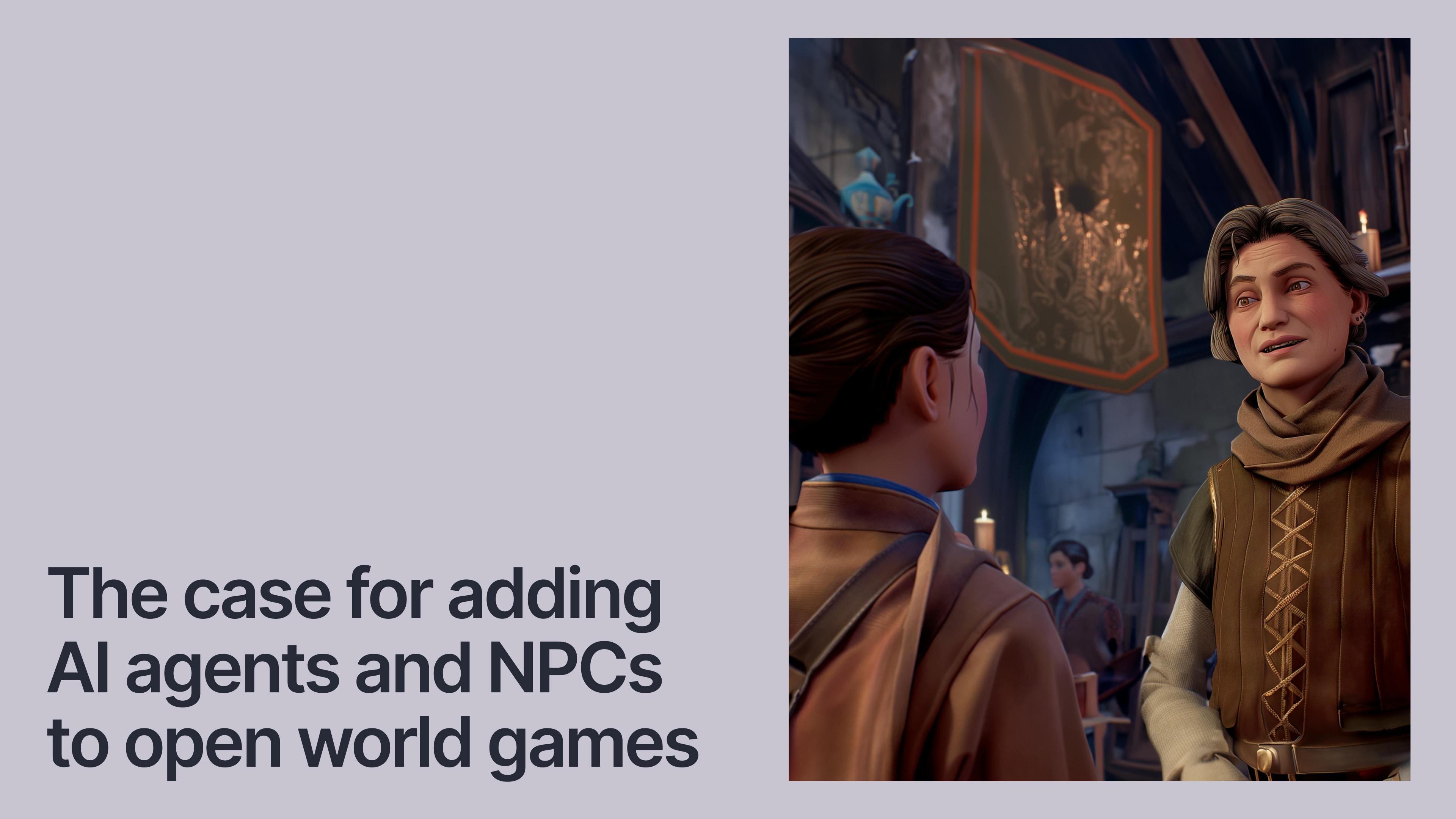
AI NPC companions are transforming co-op storytelling by introducing dynamic interactions and emotional depth, making them feel like real teammates. Unlike traditional NPCs, AI companions adapt their behavior based on gameplay states, offering contextual responses and emotional modeling that inspires authentic connections with players[5]. These companions remember past encounters, allowing their reactions to evolve, thereby creating nuanced relationships that deepen the gaming experience[5].
Adaptive dialogue systems further enhance player engagement by enabling characters to respond in meaningful ways according to the player's choices. This fluidity fosters a sense of agency and ownership over the narrative, making every interaction impactful and personalized[3][4].
Veiem alternatives:
- Modifica la consulta.
- Inicia un nou fil.
- Elimina les fonts (si s'han afegit manualment).