Descobreix Pandipedia
Un directori creixent de respostes útils seleccionades per la comunitat de Pandi. Cerca a la col·lecció o explora els darrers descobriments.
2272 entrades disponibles

Essential tools and secrets of a traditional blacksmith
Veiem alternatives:
- Modifica la consulta.
- Inicia un nou fil.
- Elimina les fonts (si s'han afegit manualment).
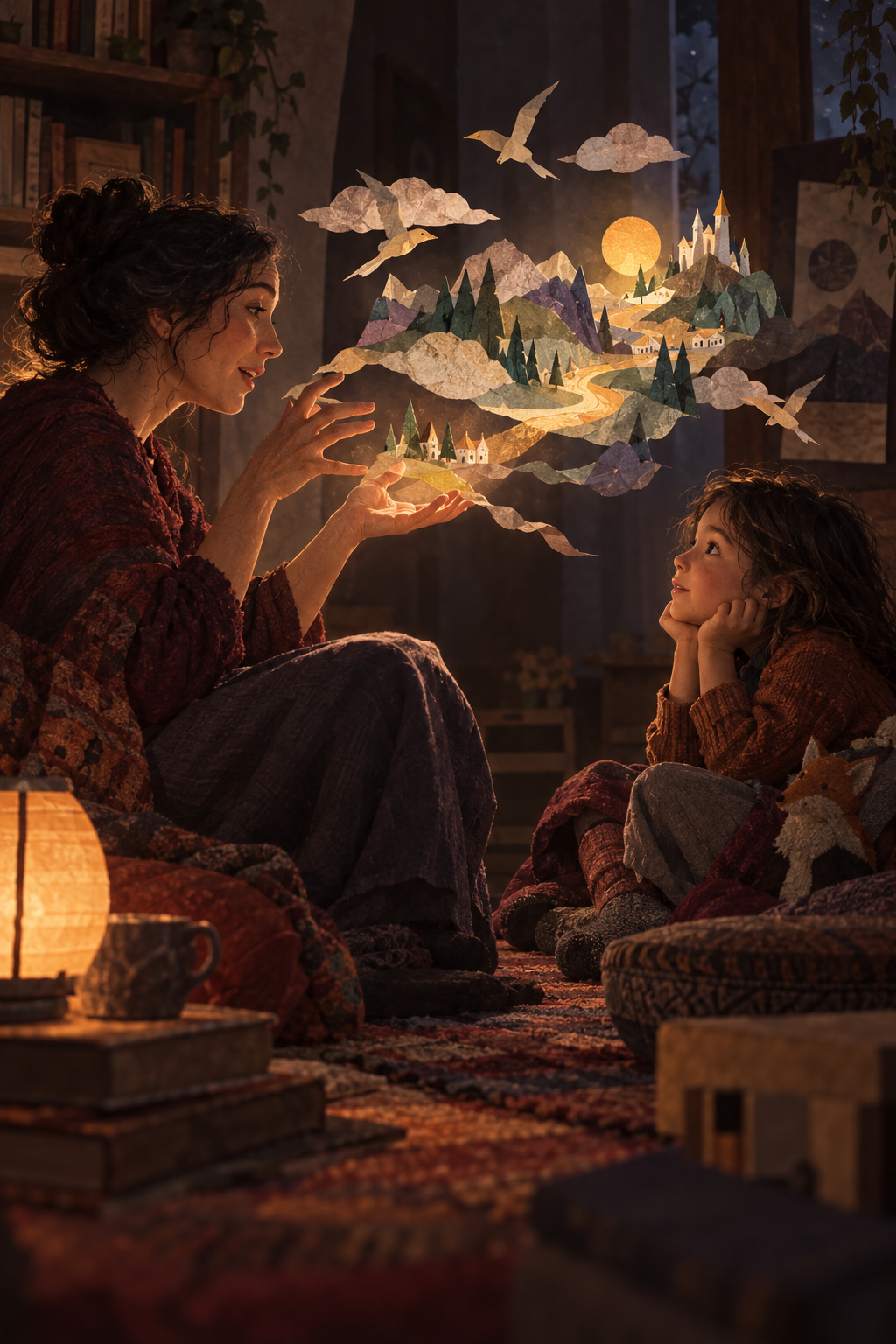
A listener gives a story wings
Veiem alternatives:
- Modifica la consulta.
- Inicia un nou fil.
- Elimina les fonts (si s'han afegit manualment).
Théâtre des Champs-Élysées: an early Art Deco landmark
Théâtre des Champs-Élysées: an early Art Deco landmark
The Théâtre des Champs-Élysées is a Paris building dating from 1911–1913, commonly described as an early Art Deco landmark. The architectural archive gives its address as 15 rue Montaigne, 75008 Paris; the theatre’s own history page lists 15 avenue Montaigne, 75008 Paris. [1][2][3][4]
The Cité de l’architecture et du patrimoine lists Auguste and Gustave Perret, Henry van de Velde, and Roger Bouvard as architects. The theatre’s history page also credits Antoine Bourdelle and Maurice Denis among the designers; the archive specifically attributes the building’s sculpted frieze and peristyle frescoes to Bourdelle, and its painted ceiling dome to Denis. [5][6][7][8]
- Structure made legible: The archive describes a concrete frame clad in white marble, with the frame left visible. That emphasis on a clear structural system offers a contrast to Art Nouveau’s organic, flowing forms. [9][10]
- A contrast of materials: On the side façade, concrete beams stand against brick infill. This makes the building’s construction and geometry readable, aligning with Art Deco’s broader preference for angular, geometric forms over Art Nouveau’s sinuous curves. The archive documents this feature; the stylistic comparison comes from broader accounts, not a building-specific classification in the archive. [11][12]
The shift was not simply a ban on decoration: the theatre also has Bourdelle’s sculpted frieze. Its value as an example is the balance between sculptural detail and visible structure, rather than a claim that Art Deco abandoned ornament altogether. [13][14][15]
Veiem alternatives:
- Modifica la consulta.
- Inicia un nou fil.
- Elimina les fonts (si s'han afegit manualment).
Building a secret Arctic military fortress in months
Veiem alternatives:
- Modifica la consulta.
- Inicia un nou fil.
- Elimina les fonts (si s'han afegit manualment).
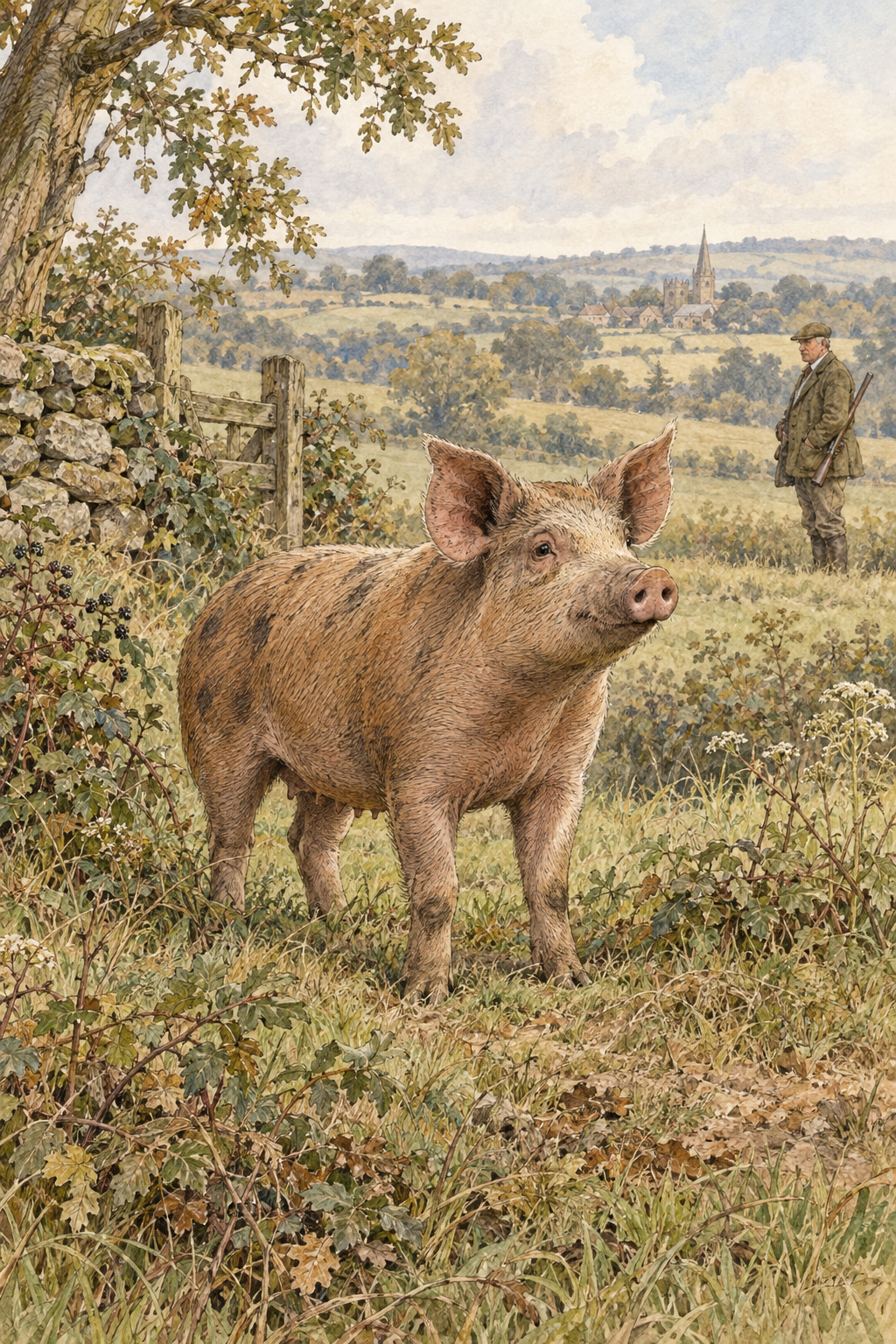
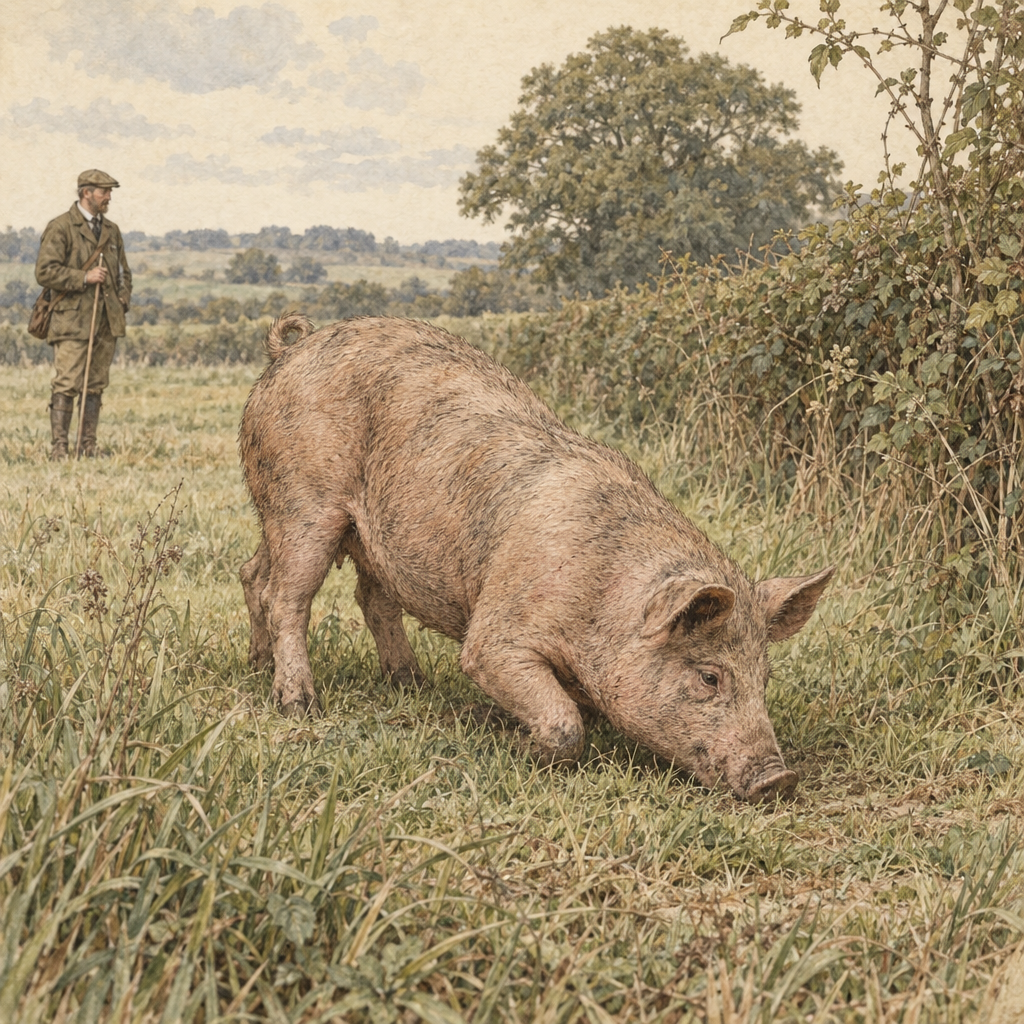
The sow who pointed game
Veiem alternatives:
- Modifica la consulta.
- Inicia un nou fil.
- Elimina les fonts (si s'han afegit manualment).
The dugong story—and its caveat
Loudon names Sir Thomas Stamford Raffles’s memoir as her source for the report that a dugong mother is said to follow her young “even through a crowd of people”[1]. Raffles himself calls the idea “as poetical as the fable of the siren’s song”[2]. It is a historical claim, not a verified account of dugong behaviour.
Veiem alternatives:
- Modifica la consulta.
- Inicia un nou fil.
- Elimina les fonts (si s'han afegit manualment).
Inside the Russian segment of the International Space Station
Veiem alternatives:
- Modifica la consulta.
- Inicia un nou fil.
- Elimina les fonts (si s'han afegit manualment).
Inside vintage Air Force search and rescue operations
Veiem alternatives:
- Modifica la consulta.
- Inicia un nou fil.
- Elimina les fonts (si s'han afegit manualment).
Inside the ISS: Cupola views, zero-g lifting, and zero-gravity flights
Veiem alternatives:
- Modifica la consulta.
- Inicia un nou fil.
- Elimina les fonts (si s'han afegit manualment).
Everyday life inside the International Space Station
Veiem alternatives:
- Modifica la consulta.
- Inicia un nou fil.
- Elimina les fonts (si s'han afegit manualment).