Descobreix Pandipedia
Un directori creixent de respostes útils seleccionades per la comunitat de Pandi. Cerca a la col·lecció o explora els darrers descobriments.
2339 entrades disponibles

Building an Ethical Framework for Germline Editing
Building an Ethical Framework for Germline Editing
Human germline editing changes gametes, their precursor cells, or embryos in ways that may be inherited by future generations. An ethical institutional policy should therefore do more than assess laboratory safety: it should govern research, potential clinical use, public accountability, justice, and obligations to people who cannot consent, including descendants. The practical direction of the major frameworks reviewed is precautionary: reproductive use should not proceed under current scientific and governance conditions, while carefully overseen preclinical research may continue.[1][2][3]
This guide translates international guidance into an institutional policy process. It distinguishes what current frameworks recommend from what an institution should do operationally, and it treats the policy as a living system that must be revised as evidence, law, and public values change.
1. What the International Landscape Establishes
| Framework or body | Practical position | Implication for an institution |
|---|---|---|
| WHO | Calls for governance of both somatic and germline editing across research, clinical care, and enhancement, using law, regulation, ethics review, registration, monitoring, and international coordination.[4][5][6] | Do not rely on a single ethics committee. Build layered oversight, registration, enforcement, and cross-border coordination. |
| National Academies | Emphasizes well-being, transparency, due care, responsible science, respect for persons, fairness, and transnational cooperation.[7] | Make ethical principles explicit and connect each principle to approval criteria and evidence requirements. |
| ISSCR | Classifies reproductive transfer or gestation involving potentially inheritable nuclear-genome modifications as currently not permitted, while allowing some preclinical work under rigorous scientific and ethics oversight.[8][9] | Separate laboratory research from reproductive use and define a strict prohibition or escalation trigger for the latter. |
| UNESCO and Council of Europe | The supplied material describes UNESCO as emphasizing human dignity and avoidance of alteration of human heredity, while the Oviedo Convention is presented as prohibiting heritable genetic modification in reproductive contexts.[10][11] | Include human dignity, protection of future generations, and applicable national or regional law as threshold constraints. |
These instruments do not create one universally binding global rule. Their legal forms and national implementation differ, and the WHO material itself is described as a draft and work in progress rather than a final set of recommendations.[12][13] The safest institutional approach is therefore to apply the strictest applicable legal and ethical requirement, while requiring review of international developments before approving work with possible reproductive implications.
2. Core Ethical Principles and How to Apply Them
A policy should not list principles only as aspirations. For each principle, it should specify the question reviewers must ask, the evidence required, and the decision that follows.
- Beneficence and non-maleficence: Does the proposed work plausibly improve health, and are the expected benefits proportionate to foreseeable harms? Require robust evidence on safety and efficacy, minimize risks in early-stage work, and do not treat scientific novelty as a benefit in itself. The National Academies frame well-being as a balance between benefits and risks, while other ethics analysis highlights off-target and broader societal risks.[14][15]
- Precaution and due care: Has the proposal advanced incrementally, with sufficient evidence, independent supervision, and frequent reassessment? Precaution is especially important because effects may be uncertain, irreversible, and inherited. The National Academies recommend proceeding carefully and deliberately, with reassessment as knowledge and cultural views change.[16][17]
- Justice: Who receives the benefits, who bears research risks, and who may be excluded? Require an access and distribution analysis covering research burdens, clinical access, disability discrimination, and the risk that enhancement could deepen class divisions. Fairness includes equitable distribution of benefits and burdens and broad access to legitimate clinical applications.[18][19]
- Respect for persons and autonomy: Protect the dignity, choices, privacy, and welfare of present participants, while recognizing that future people affected by an edit cannot consent. Reviewers should also examine whether individual choices could collectively intensify stigma or reduce acceptance of disability.[20][21][22]
- Intergenerational responsibility: Require explicit assessment of effects on children, descendants, and society across generations. A protocol must explain how long-term outcomes, unexpected effects, and the interests of future persons will be monitored.[23][24]
- Transparency and accountability: Make decision-makers, funding, evidence, conflicts of interest, outcomes, and enforcement mechanisms visible and understandable. WHO guidance links accountability to accurate, accessible, and timely information and to resources for detecting and sanctioning non-compliance.[25][26]
3. Stakeholder Roles and Participation
Because germline editing affects families, descendants, communities, and social norms, institutions should not treat it as a matter for scientists alone. Relevant participants include prospective parents, patients and caregivers, scientists, clinicians, research institutions, professional bodies, regulators, funders, insurers or payors, legal and ethics specialists, civil society, faith groups, disability organizations, Indigenous peoples, and the wider public. WHO specifically calls for engagement with under-represented groups, patient groups, Indigenous peoples, and people who support, oppose, or remain undecided about genome editing.[27][28]
- Researchers and clinicians: Provide complete evidence, disclose uncertainty and conflicts, follow approved protocols, report adverse findings, and stop or escalate work when predefined safety or ethical thresholds are not met.
- Institutional ethics and governance boards: Conduct independent review, assess social and intergenerational effects, include community representation, monitor approved work, and require re-review when the protocol, evidence, or intended use changes. ISSCR describes oversight involving scientists, ethicists, legal and regulatory experts, and independent community members.[29][30]
- Institutional leadership and funders: Resource oversight, protect independence, require registration and reporting, and impose consequences for non-compliance. ISSCR identifies institutions, funding bodies, authors, journals, and editors as contributors to self-regulatory compliance.[31]
- Affected communities and the public: Help define acceptable purposes, identify burdens and discriminatory effects, review accessible information, and participate in policy revision. Engagement should be informed, inclusive, ongoing, and designed to avoid artificial constraints on debate.[32][33]
- Regulators and international bodies: Coordinate standards, share relevant data, address cross-border activity, and deter regulatory arbitrage. Genome-editing research and its effects can cross national borders, so WHO calls for national and transnational governance.[34][35]
4. Step-by-Step Institutional Policy Process
The following sequence turns the principles into an operational policy. It is a synthesis of the reviewed frameworks, not a universal legal template. Institutions must adapt it to their jurisdiction and obtain specialist legal advice.
- Step 1: Define scope and prohibited activities. Cover basic and preclinical research, embryo and gamete work, clinical research, reproductive use, enhancement, data handling, funding, publication, and follow-up of any resulting children or descendants. State clearly whether reproductive heritable editing is prohibited, and identify the legal or institutional authority for that decision. The current ISSCR position provides a strong precautionary baseline by treating reproductive use as not permitted at present.[36][37]
- Step 2: Conduct a legal and governance gap analysis. Map applicable legislation, regulator requirements, professional guidance, funding conditions, existing ethics review, reporting systems, and institutional expertise. Identify conflicts, missing controls, cross-border risks, and activities that require external approval.
- Step 3: Create an independent, multidisciplinary review structure. Include scientific, clinical, ethics, legal, regulatory, disability, community, and public perspectives. Define conflicts-of-interest rules, quorum, decision records, escalation routes, and authority to pause work.
- Step 4: Establish evidence thresholds. Require a scientific rationale, alternatives analysis, validated safety and efficacy evidence, risk-benefit assessment, plans for monitoring unintended effects, and justification that the proposed purpose is compelling. National Academies recommendations indicate that clinical consideration would require technical challenges to be overcome, reasonable benefit-risk balance, compelling circumstances, and safeguards against expansion to poorly understood uses.[38]
- Step 5: Build justice and participation into the protocol. Require an analysis of access, affordability, distribution of burdens, disability implications, cultural concerns, and effects on marginalized groups. Conduct accessible consultations before final approval, publish how input was considered, and include both supportive and critical viewpoints.[39][40]
- Step 6: Use staged authorization. Approve only the defined activity and purpose, with conditions, milestones, expiry dates, independent monitoring, and re-approval before progression. Do not allow a laboratory approval to become an implicit authorization for reproductive use.
- Step 7: Register, report, and enforce. Register relevant research and clinical activity, require prompt reporting of adverse events and deviations, publish appropriate outcomes, protect responsible whistleblowers, and provide sanctions for non-compliance. WHO identifies registration, monitoring, enforcement, and measures against genome-editing tourism as governance needs.[41][42][43]
- Step 8: Monitor long-term and societal outcomes. Define who will monitor safety, efficacy, consent, participant welfare, public concerns, access, and discriminatory effects. Where reproductive use is legally possible in a jurisdiction, require a credible long-term follow-up plan before any authorization.
- Step 9: Reassess and revise. Set scheduled reviews and automatic re-review triggers for new evidence, incidents, legal changes, new technical capabilities, or major shifts in public values. International guidance supports adaptive governance rather than a fixed policy that becomes obsolete.[44][45]
5. Minimum Policy Checklist
- A precise definition of germline, heritable, somatic, research, clinical, and enhancement uses.
- A clear prohibition or authorization boundary for reproductive heritable editing, linked to applicable law and current scientific conditions.
- Named decision-makers, independent review bodies, conflicts-of-interest rules, escalation routes, and enforcement powers.
- Evidence, risk-benefit, alternatives, justice, disability, privacy, and intergenerational-impact requirements for every proposal.
- A stakeholder-engagement plan that reaches affected communities, under-represented groups, supporters, opponents, and undecided members of the public.
- Registration, transparency, adverse-event reporting, audit, sanctions, and cross-border information-sharing requirements.
- Conditions for staged approval, monitoring, expiry, re-review, suspension, and policy amendment.
- Resources for oversight, education, public communication, and regulatory capacity, so the policy is enforceable rather than declaratory.
A policy is ethically credible only when it can stop work, explain its reasons, detect non-compliance, and correct itself. The strongest common thread across WHO, National Academies, ISSCR, and related bioethics guidance is not a promise that future use is impossible; it is a demand that any movement toward heritable clinical use be evidence-led, publicly accountable, internationally coordinated, and constrained by justice, dignity, precaution, and responsibility to future generations.[46][47][48][49]
Veiem alternatives:
- Modifica la consulta.
- Inicia un nou fil.
- Elimina les fonts (si s'han afegit manualment).
Autophagy: Your Cells’ Recycling System
Transcripció
Autophagy is your cell’s built-in recycling system. The word means self-eating, but autophagy is a normal maintenance process. At a low level, it helps with everyday housekeeping. When a cell faces damage, infection, or a shortage of nutrients, a membrane surrounds worn-out proteins or cell parts and seals them inside a package called an autophagosome. That package joins a lysosome, a compartment containing digestive enzymes. The material is broken down into reusable building blocks, including amino acids, fatty acids, and nucleotides. The cell can use them to build new components or, when resources are scarce, help meet its energy needs. This cleanup helps prevent harmful debris from accumulating, supports cell function, and can remove damaged mitochondria and some invading microbes. Autophagy tends to decline with age, and problems with the process are associated with several diseases. Fasting and exercise can increase autophagy-related activity, but no precise fasting duration is established as reliably beneficial in humans. The takeaway: autophagy is essential cellular housekeeping, not a guaranteed wellness hack.
Veiem alternatives:
- Modifica la consulta.
- Inicia un nou fil.
- Elimina les fonts (si s'han afegit manualment).
Skylab 2’s improvised fix for a jammed solar wing
Veiem alternatives:
- Modifica la consulta.
- Inicia un nou fil.
- Elimina les fonts (si s'han afegit manualment).
The beetle with a reload button


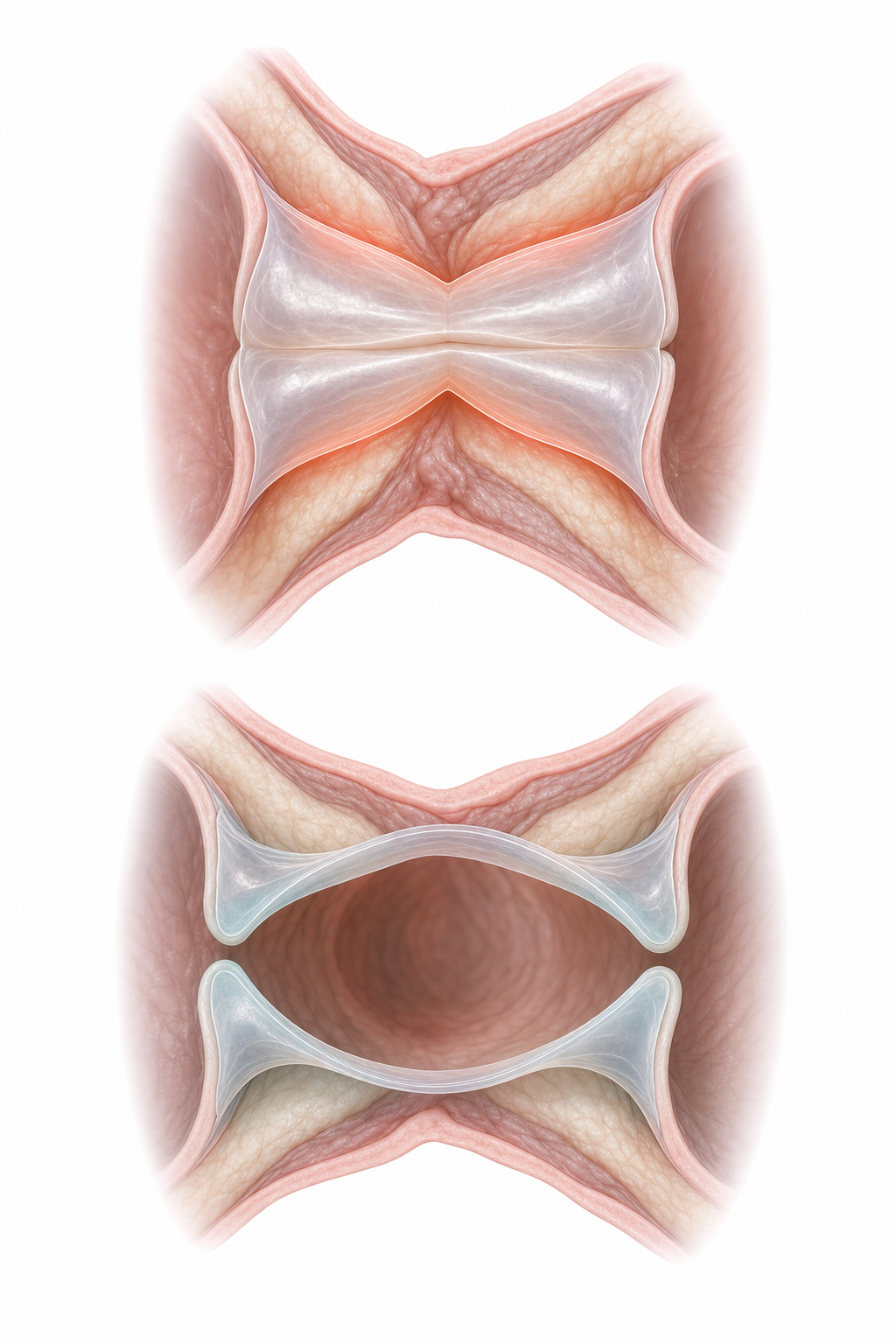

Veiem alternatives:
- Modifica la consulta.
- Inicia un nou fil.
- Elimina les fonts (si s'han afegit manualment).
Art Deco for the Masses
The Art Deco era spanned two divergent manufacturing streams, contrasting hand-crafted luxury furniture with industrial mass-produced household goods.
The Luxury Benchmark: Ruhlmann's "État" Cabinet
Designed by Émile-Jacques Ruhlmann, a leading ensemblier active by 1913 who became the most sought-after designer of the 1920s, the État cabinet represents the pinnacle of bespoke French Art Deco craftsmanship[1][2][3]. Produced in limited, highly specialized workshops in Paris, Ruhlmann's works were crafted by master artisans using rare woods and intricate inlays, functioning as complete artistic statements for elite interiors<sup class='text_citation' source_id='3' start_phrase='Not only did he produce' end_phrase='materials, and workmanship.'<sup class='text_citation' source_id='9' start_phrase='French, 1879 - 1933' end_phrase='specialized pieces.'
The Mass-Produced Counterpart: The Ekco AD65 Radio
Manufactured by E.K. Cole Limited in Southend-on-Sea, the Ekco AD65 radio receiver (designed in 1932 and produced from 1934 to 1945) shifted Art Deco from elite salons into ordinary homes<sup class='text_citation' source_id='2' start_phrase='Ekco AD65 radio receiver, 1934-1945.' end_phrase='modern home.' Designed by modernist Wells Coates, the AD65 embraced entertainment technology as a machine for the modern household rather than hiding behind a traditional wooden furniture case<sup class='text_citation' source_id='2' start_phrase='collaboration with modernist' end_phrase='modern home.' The housing was made using phenol formaldehyde, commonly known as Bakelite, a novel plastic processed through heavy industrial machine presses in the company's own dedicated factory<sup class='text_citation' source_id='2' start_phrase='new wonder material ‘Bakelite’' end_phrase='they needed for their radios.'<sup class='text_citation' source_id='6' start_phrase='phenol formaldehyde, known' end_phrase='properties.'
Formal Cues and Social Shift
The primary formal cue that survived the transition from hand-finished prestige objects to industrial production was the embrace of clean, streamlined geometric forms and concentric circular motifs. While luxury works relied on bespoke joinery and specialized artisan collaboration, the industrial radio translated these sleek, modern contours into high-speed compression-moulded plastic<sup class='text_citation' source_id='4' start_phrase='enabled complex shapes' end_phrase='processes.'<sup class='text_citation' source_id='8' start_phrase='Compression-moulded Bakelite' end_phrase='chromium'<sup class='text_citation' source_id='9' start_phrase='simple, geometric forms' end_phrase='specialized pieces.'
This manufacturing shift transformed the social landscape of design. Where luxury Art Deco objects were rare, expensive status symbols accessible exclusively to elite patrons, Bakelite consumer electronics democratized modern styling. Mass production allowed stylish, cutting-edge entertainment devices to be manufactured cheaply in various colors and distributed widely to the general public<sup class='text_citation' source_id='2' start_phrase='cheaply to produce the' end_phrase='variety of different colours'.
Would you also like to know how the superheterodyne circuit inside the Ekco AD65 improved radio tuning?Resposta completada. Hi ha una opció de seguiment disponible.
Veiem alternatives:
- Modifica la consulta.
- Inicia un nou fil.
- Elimina les fonts (si s'han afegit manualment).
Can a Missing Record Tell Us Anything?

In colonial India, court records and police reports often documented peasant uprisings only when authorities faced violent disturbances, registering insurgents solely through the hostile lens of colonial officials[1][2]. Determining whether a silence in the historical record reflects systemic archival bias or simply an unanswered question depends on three accessible distinctions.
First, surviving records document what institutions and powerful gatekeepers chose to preserve, meaning official archives predominantly capture the perspectives of elites, administrators, and dominant groups while omitting marginalized populations like workers, migrants, women, and colonized communities[3][4][5]. Second, historians reasonably infer patterns of everyday resistance and autonomous subaltern consciousness by reading colonial documents "against the grain," analyzing administrative reports not for their explicit intent, but for the underlying actions, threats, and organizational capacities they inadvertently reveal[6][7]. Third, what cannot be known from the available archive are unmediated, direct expressions of everyday life from individuals who left no written trace, as the archive never returns a pure, unfiltered perspective of the marginalized[8][9].
For popular history audiences, recognizing these distinctions matters because treating silence as proof of absence mistakenly erases the agency of ordinary people, whereas recognizing archival bias reveals that missing voices are the result of deliberate preservation choices rather than a lack of historical actors[10][11][12]. However, it remains uncertain whether these hidden transcripts can ever be fully recovered without relying on the representative voice of the historian[13].
Would you also like to know how Subaltern Studies scholars use oral history and material culture to study marginalized groups?Resposta completada. Hi ha una opció de seguiment disponible.
Veiem alternatives:
- Modifica la consulta.
- Inicia un nou fil.
- Elimina les fonts (si s'han afegit manualment).
From river intake to kitchen tap: the hidden water journey

Veiem alternatives:
- Modifica la consulta.
- Inicia un nou fil.
- Elimina les fonts (si s'han afegit manualment).
Make one corner feel like a hut


Veiem alternatives:
- Modifica la consulta.
- Inicia un nou fil.
- Elimina les fonts (si s'han afegit manualment).
Two objects, two promises






Veiem alternatives:
- Modifica la consulta.
- Inicia un nou fil.
- Elimina les fonts (si s'han afegit manualment).
What lies beneath the rails? A cutaway from train to trackbed
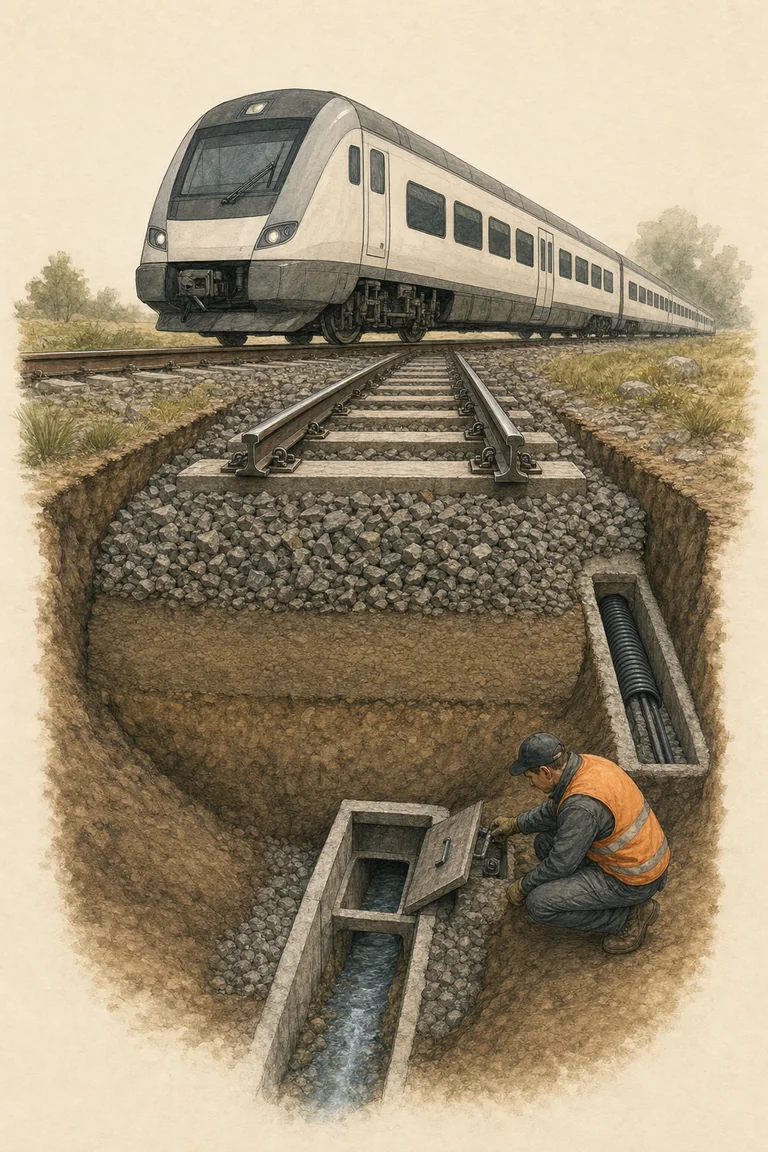
Veiem alternatives:
- Modifica la consulta.
- Inicia un nou fil.
- Elimina les fonts (si s'han afegit manualment).