Why cyberpunk's borders are already real
Ever wonder where cyberpunk got its ideas for corporate-run city-states and fragmented borders? It's not science fiction. The blueprints are real, operating today as Special Economic Zones and Freeports. Here’s how they rewrite the map.
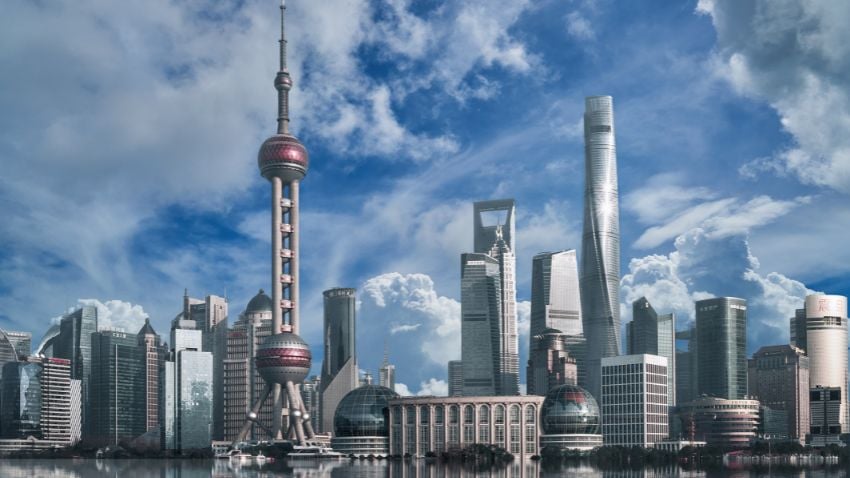
1. THE CORPORATE ISLAND Special Economic Zones (SEZs) are areas where business and trade laws differ from the rest of the country[15]. Think of them as a state within a state, where corporations can get tax breaks, fewer regulations, and even their own rules[22][17]. Sound familiar?
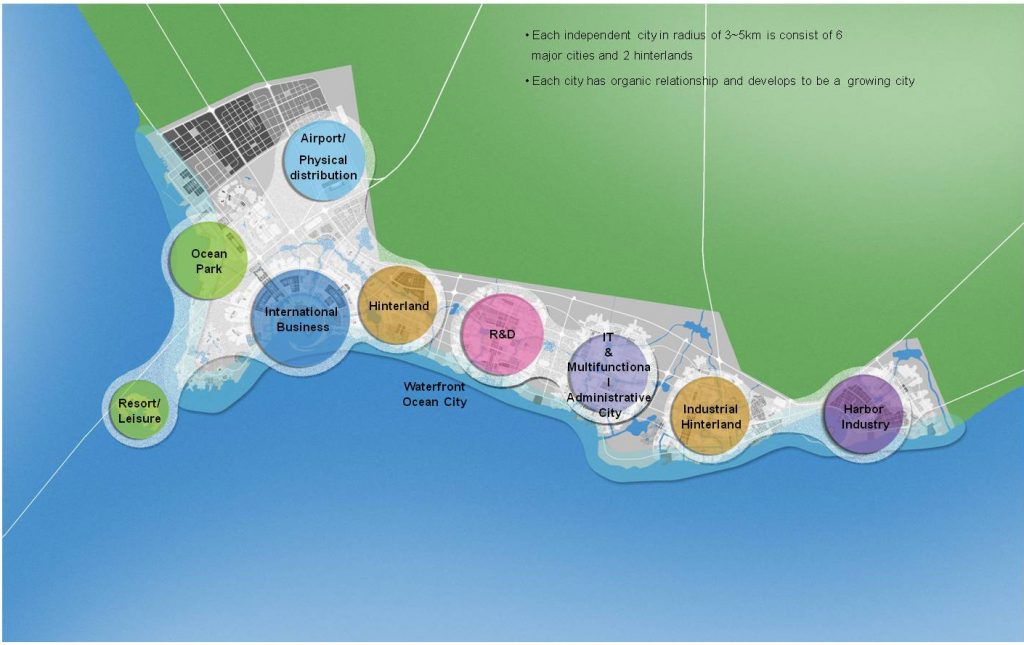
2. EXTRATERRITORIALITY This is the legal magic that exempts a place or person from local law[10]. Historically used for diplomats, it's now applied to foreign military bases and even corporate freeports, creating pockets where the host country's jurisdiction is ceded[10].

3. FRAGMENTED GOVERNANCE SEZs problematize ideas about governance and sovereignty[3]. Some are even privately managed, with developers planning the city, setting tax rates, and running things as they wish[12]. This is how you get corporate enclaves carving out their own utopias[3].

4. THE LOOPHOLE ECONOMY These zones are designed to attract foreign investment with financial incentives like tax holidays and relief from customs duties[8][15]. But critics warn they can facilitate crime, corruption, tax evasion, and environmental harm[3][22].
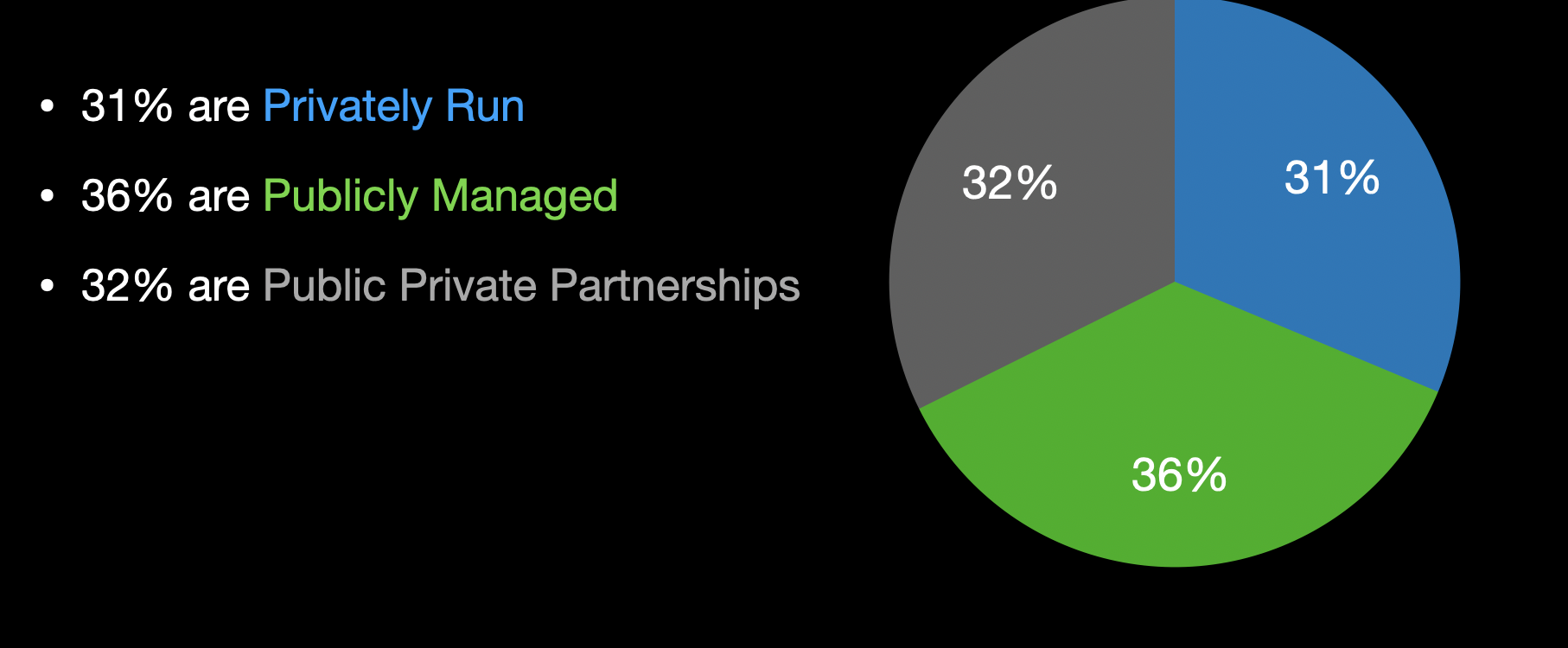
From China's city-sized SEZs to privatized districts in Texas, the lines are blurring between public states and private territories[19][12]. The cyberpunk future of fragmented sovereignty isn't coming; it's already built. What real-world example reminds you most of a cyberpunk city?

Veiem alternatives:
- Modifica la consulta.
- Inicia un nou fil.
- Elimina les fonts (si s'han afegit manualment).