100

Write a Twitter thread (X thread) about the very latest AI news, formatted as follows: 1. **First tweet (hook):** * Spark curiosity with a provocative question or surprising statement about AI today. * Tease that you'll share several must-know developments in the thread. * Keep it ≤280 characters and avoid hashtags. 2. **Subsequent tweets (one per news item):** For each: * **Headline/Context (concise):** A short phrase identifying the development (e.g., “Major breakthrough in multimodal models”). * **Key insight:** State the single most important takeaway or implication (“It can now generate lifelike videos from text prompts, potentially transforming content creation.”). * **Why it matters / curiosity angle:** A brief note on impact or a rhetorical question that encourages engagement (“Could this replace human editors?”). * **Brevity:** Stay within 280 characters total. * **Tone:** Informational yet conversational and shareable—use an emoji or casual phrasing if it fits, but avoid hashtags. * **Optional source reference:** If possible, mention “According to \[source]” or “As reported by \[outlet] on \[date]” in as few words as feasible. 3. **Final tweet (call-to-action):** * Invite replies or retweets (e.g., “Which of these AI advances surprises you most? Reply below!”). * Keep it concise and avoid hashtags. Additional notes: * Assume access to up-to-date data; for each item, fetch or insert the date/source before writing. * Ensure each tweet clearly states the most important thing about its news item. * Avoid hashtags altogether.

AI news feels like a sprint now: Meta is pushing a new model, OpenAI is warming up for an IPO, Google just slipped out an offline dictation app, and China is scaling giant compute. Here are the biggest moves worth watching. [2][4][7][8]

  • Breaking Tech News on April 3, 2026: AI Advances, Space Triumphs, and Security Scares
  • A stock image showing the letters AI within a collection of computer chips
🧵 1/7

Meta’s Muse Spark is its first major AI model since the Alexandr Wang deal, and it’s built to be small, fast, and good at reasoning in science, math, and health. Meta says it may eventually open-source future versions. [2]

  • Meta debuts new AI model, attempting to catch Google, OpenAI after spending billions
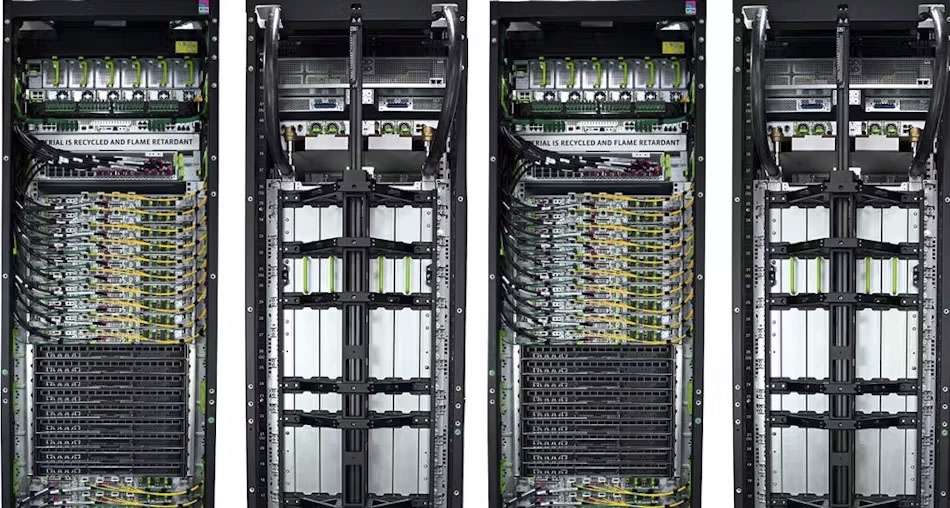
  • Catalina is Meta’s new high-powered rack designed for AI workloads.
🧵 2/7

OpenAI says it will reserve some IPO shares for retail investors, a rare move for a blockbuster tech listing. CFO Sarah Friar says the goal is broader trust and participation, not just Wall Street access. [4]

  • OpenAI will allocate IPO shares to retail investors as it preps for debut, CFO says
  • OpenAI is chasing Anthropic right now, says Big Technology’s Alex Kantrowitz
🧵 3/7

Google quietly launched Google AI Edge Eloquent on iOS, an offline-first dictation app. After downloading Gemma-based speech models, it cleans up filler words and can polish text into short, formal, or longer versions. [7]

  • Google quietly launched an AI dictation app that works offline | TechCrunch
  • a screenshot of a phone
🧵 4/7

Alibaba says a new 10,000-card cluster in Guangdong is part of China’s push for home-grown AI infrastructure. The race is shifting from model demos to the compute needed to train and serve them at scale. [8]

  • AI server racks
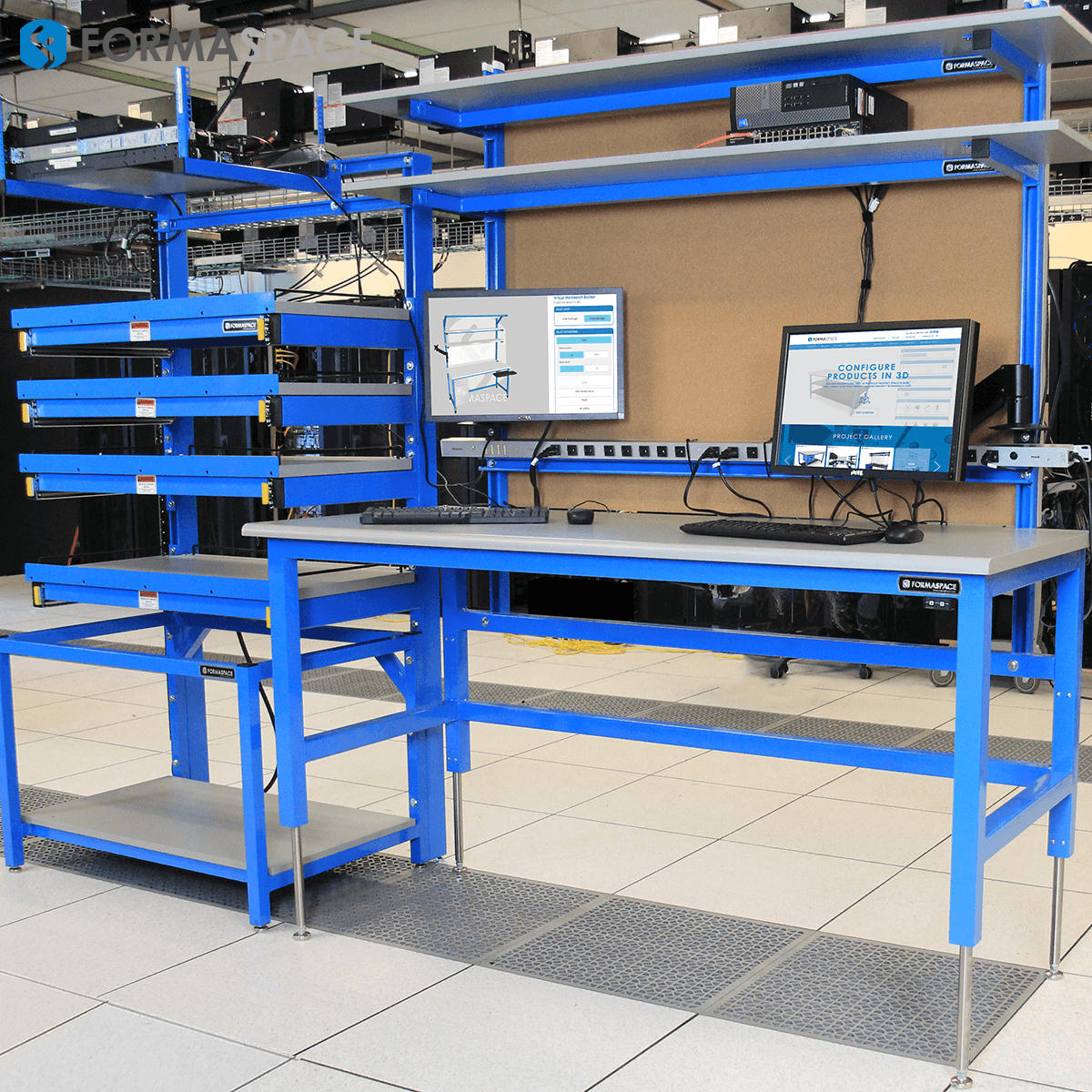
  • tech lab workbench server rack combo
🧵 5/7

NVIDIA is spotlighting physical AI, from RoboLab robot simulation to Jetson-powered edge systems. The big shift: robots are moving from virtual training to real-world tasks faster, with less data. [9]

  • National Robotics Week — Latest Physical AI Research, Breakthroughs and Resources
🧵 6/7

Which of these AI moves surprised you most? Reply with your pick, or share this thread with someone tracking the race. [2][4][7][8][9]

  • Latest AI News 2026 (Big Updates You Should Know)
  • a blue and purple brain with gears
🧵 7/7

Related Content From The Pandipedia