Why does spacecraft power become a propulsion problem?
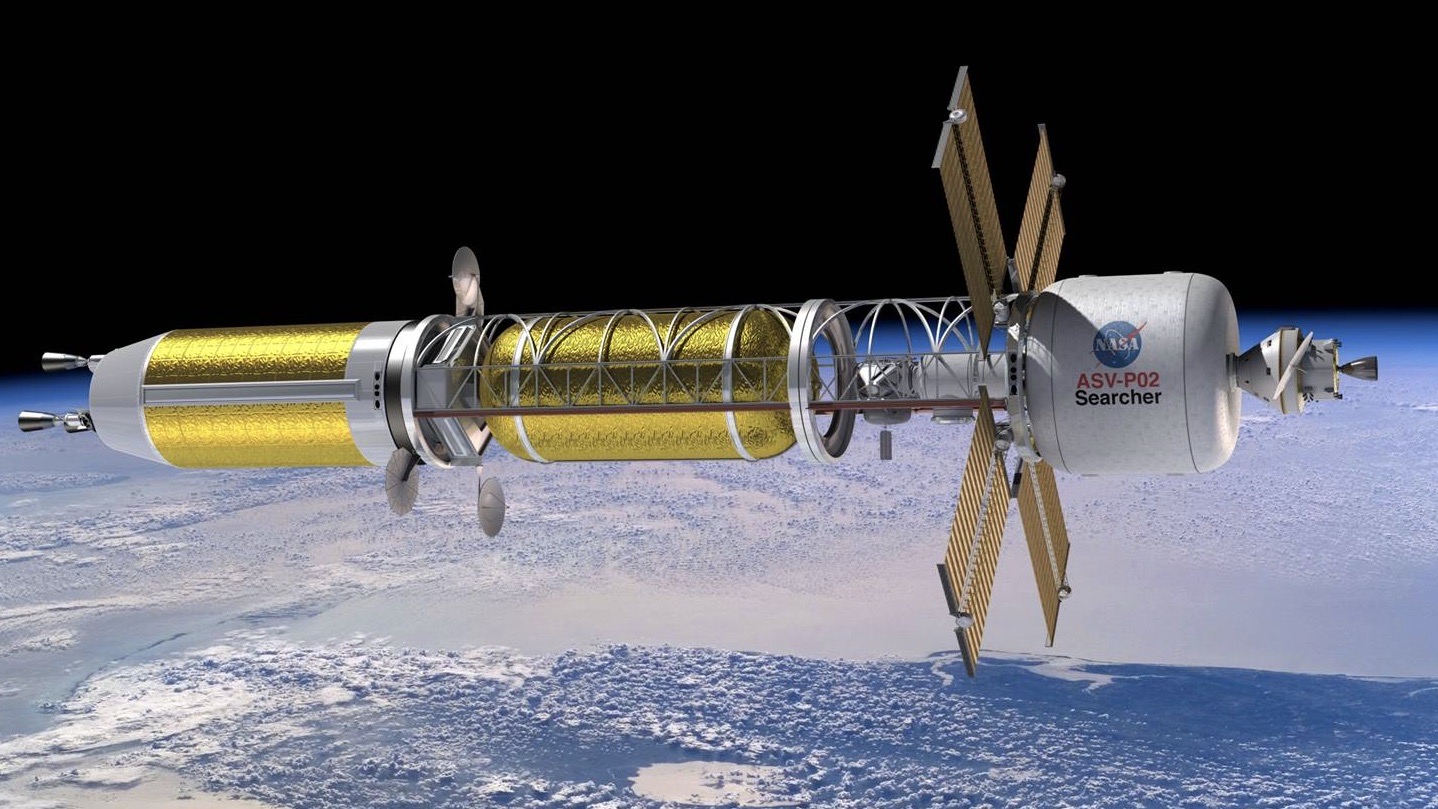
Electric and nuclear-electric propulsion systems require large power systems because they generate thrust by ionizing and accelerating propellant using electric or magnetic fields rather than relying on chemical combustion[1][2]. These systems need substantial electricity, provided by large solar arrays or nuclear fission reactors, to continuously process and expel propellant at very high speeds[3][4].
Think of a chemical rocket like a top fuel dragster, which uses a fuel tank for a short, powerful burst of speed that quickly empties its fuel supply[5]. In contrast, electric propulsion acts like an electric car plugged into a continuous power grid where low initial thrust can be sustained over months or years for exceptional fuel efficiency[6]. While chemical rockets deliver fast acceleration, electric and nuclear-electric systems trade away rapid acceleration for high fuel economy and extended travel times[7][8].
Would you also like to know how nuclear thermal propulsion compares to nuclear electric propulsion?
Create your account to keep this answer and continue from it later.
Let's look at alternatives:
- Modify the query.
- Start a new thread.
- Remove sources (if manually added).