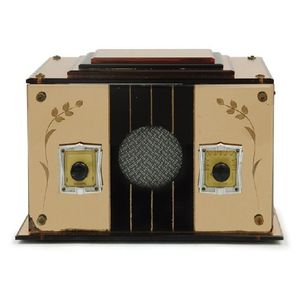
Same modernist climate, three answers: Art Deco makes modernity glamorous; Bauhaus makes it useful; De Stijl makes it abstract.
🧵 1/6
Art Deco uses bold geometry, symmetry, color, and stylized ornament. Radios and furniture made that polished modernity consumer-facing and theatrical.
🧵 2/6
Its luxury comes from rich materials and exacting craft, while mirrored surfaces and jewel tones amplify the drama. Spectacle is part of the design.
🧵 3/6
Bauhaus asks function to lead form. Material honesty keeps construction legible, while industrial production aims at affordable everyday use beyond wealthy clients.
🧵 4/6
De Stijl is more philosophical: abstraction reduces art to lines, planes, right angles, and primary colors, seeking universal harmony beyond naturalistic likeness.
🧵 5/6
They share geometry and industrial modernity. De Stijl influenced Bauhaus, but their aims differ. Test: sparkle, purpose, or reduction? Deco, Bauhaus, De Stijl.
🧵 6/6
Sign Up To Try Advanced Features
Get more accurate answers with Super Pandi, upload files, personalized discovery feed, save searches and contribute to the PandiPedia.