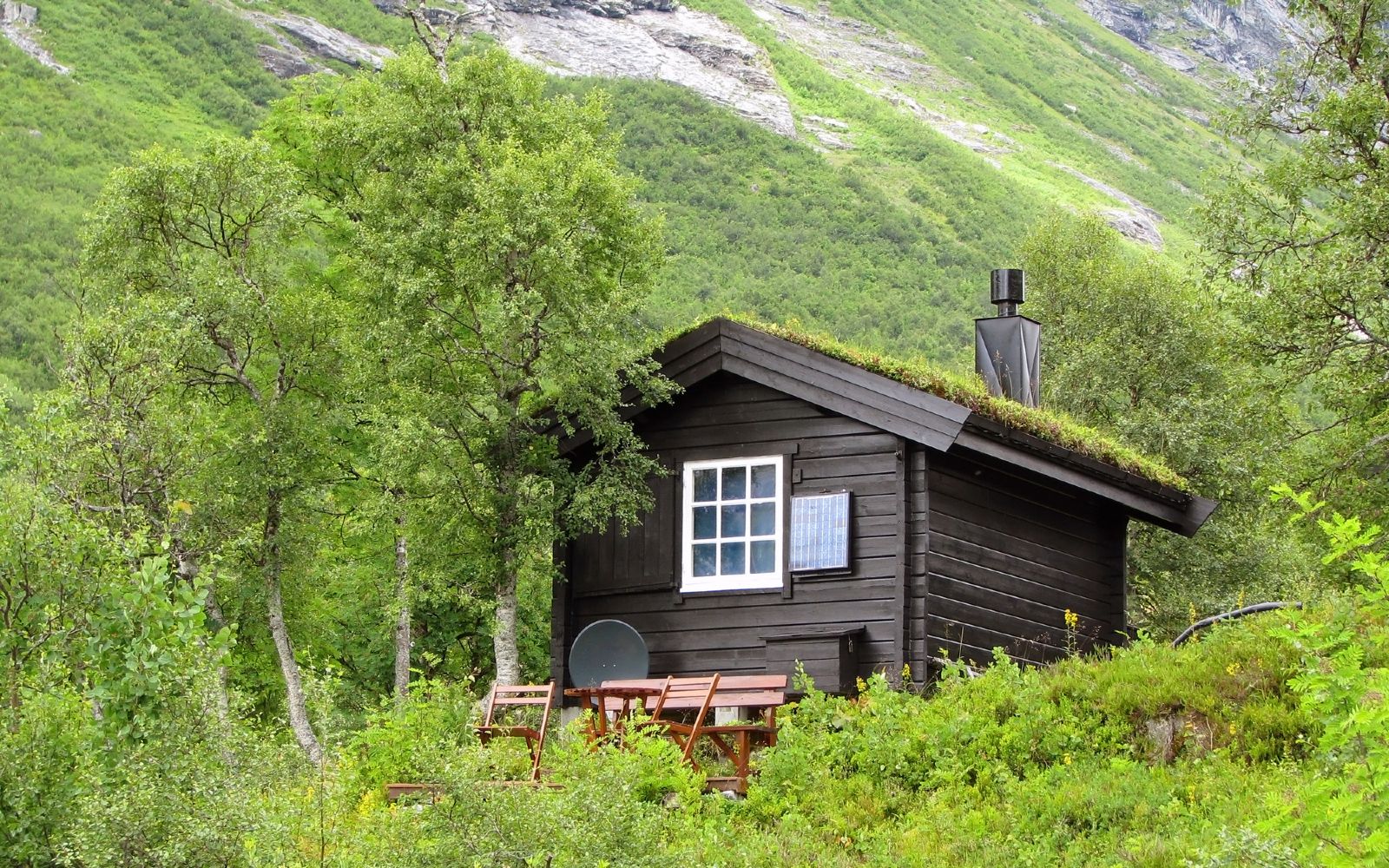
Norwegian “hytte” culture is a cherished tradition where cabins serve not only as holiday retreats but also as a vital part of the national identity and connection to nature[1]. These cabins, or hytter, have evolved from the humble, basic log shelters of the past—originally serving as seasonal mountain farm cottages (seter) or fishermen’s lodges—to modern, well-equipped holiday homes that are passed down through generations[2].
Many reputable sources emphasize that the hytte is much more than a simple cabin; it is a symbol of the Norwegian way of life. Livingwithnorwegians explains that a hytte is a sacred space where one can disconnect from the digital world, enjoy rustic simplicity, and strengthen bonds with family and friends through shared traditions and relaxation[3]. Meanwhile, nlsnorwayrelocation stresses that this culture blends simplicity, a deep connection to the outdoors, and community values, all essential attributes that allow Norwegians to escape urban pressures and reconnect with nature[4].
Additional insights come from scandinaviastandard and unlocknorway, which note that cabin trips (hytteturer) have become almost a national rite of passage. Whether it’s a spontaneous getaway in the woods or a planned retreat in a remote mountain lodge, such experiences are valued because they offer a tangible form of freedom and balance in everyday life[5][6].
Furthermore, sources like olsjolitoppen and undiscoveredmountains highlight that, regardless of increasing modern comforts, the cultural significance of hytter lies in their ability to foster a close bond with nature, provide an opportunity for physical activity and leisure, and act as a repository of family memories and traditional practices[7][8]. Finally, both visitnorway and travelerstoday affirm that cabins symbolize an enduring link to Norway’s heritage and the nation's love for the outdoors, with the simple act of spending time at a hytte representing freedom, self-reliance, and a celebration of the natural environment[9][11].
Get more accurate answers with Super Pandi, upload files, personalized discovery feed, save searches and contribute to the PandiPedia.
Let's look at alternatives:
- Modify the query.
- Start a new thread.
- Remove sources (if manually added).