Based on the provided sources, 'hygge cabin' or 'cozy cabin' decor is a style that blends rustic charm with comforting elements to create a warm, inviting retreat[9][25]. This aesthetic is defined by several key components that work together to evoke a feeling of contentment and connection to nature[7][13].
The Fireplace: The Heart of the Home
A fireplace is a quintessential element, serving as the room's natural focal point and a cozy gathering spot[15][26]. Whether it's a grand fireplace made of stacked stone, a rustic wood-burning stove, or a modern electric version, its presence provides warmth and the soothing sound of crackling firewood[1][4]. The goal is to create a space where people naturally congregate with family and friends[17]. Even when unlit, the hearth anchors the room, making the whole space feel more peaceful[7].
Wood and Natural Materials
The use of natural materials is a cornerstone of the cozy cabin aesthetic, with wood being the most prominent[9][15]. This includes architectural features like rich wood beams, solid wood paneling, log walls, and hardwood floors[1][24]. Reclaimed wood is often used for furniture and accents, bringing a sense of history and character to the space. Beyond wood, other natural materials are key:
* Stone: Used for statement fireplaces, accent walls, and flooring, stone grounds the space and adds an earthy, unrefined texture[13][29].
* Leather: A well-worn leather sofa or armchair adds a timeless, rugged warmth that improves with age[13][28].
* Natural Fibers: Rugs made of jute, sisal, or wool add texture underfoot and enhance the organic feel of the room[8][22].
Warm and Layered Lighting
Lighting is crucial for creating a hygge atmosphere, which thrives in soft, low light[7]. Instead of harsh overhead lights, the style emphasizes a layered approach with multiple light sources to create a warm, inviting glow[23][35].
* Ambient Lighting: This is achieved with warm bulbs in table lamps, floor lamps, and rustic chandeliers made from materials like antlers or wrought iron[1][27].
* Candles and Firelight: The gentle, flickering light from candles and the fireplace is a must-have, creating a comforting and magical ambiance[17][23].
* Accent Lights: Twinkle lights or string lights can be draped across a mantel or around windows to add a touch of charm[10][35].
Cozy Blankets and Textiles
Creating a cozy, hygge-inspired space is achieved by adding layers of soft, plush textures[7][17]. This invites touch and makes a space feel lived-in and loved[7]. Key textiles include:
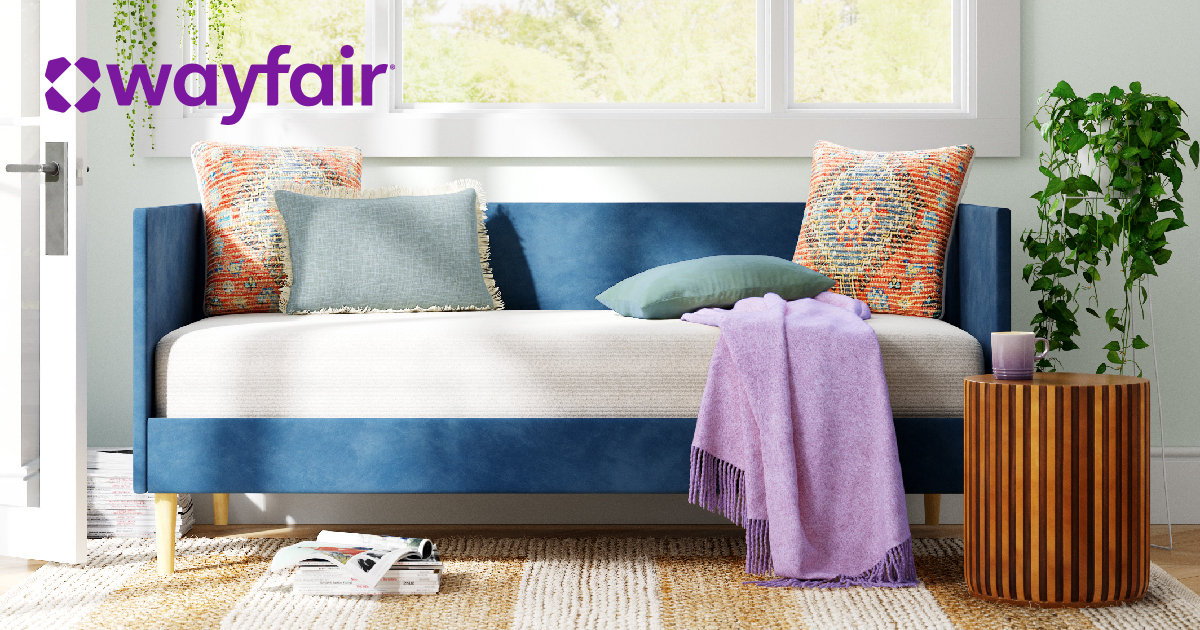
* Throws and Blankets: Draping chunky knit, plaid, wool, or faux fur blankets over sofas and chairs is essential for instant warmth and comfort[1][22].
* Pillows: Piling sofas and beds with plush cushions in various textures adds depth and invites you to relax and unwind[21][23].
* Rugs: Thick, textured area rugs, such as faux sheepskin or patterned wool rugs, warm up cold floors and anchor seating areas[10][4].
Connection to Nature
A core aspect of the cabin aesthetic is blurring the lines between the indoors and outdoors[15]. This is achieved through both views and decor.
* Nature Views: Large windows are a crucial design feature, placed to frame breathtaking views of mountains, forests, or lakes, and to maximize natural light[15][18].
* Natural Decor: Bringing the outdoors in is key[10]. This can be done with plants and fresh greenery, as well as decor like pinecones, branches, or antlers[9][13]. Wall art depicting nature scenes also reinforces the connection to the environment[1].
* Earthy Color Palette: The color scheme is inspired by nature, focusing on earthy tones like warm browns, deep greens, rich terra-cotta, and muted grays to create a calming atmosphere[9][10].
Get more accurate answers with Super Pandi, upload files, personalized discovery feed, save searches and contribute to the PandiPedia.
Let's look at alternatives:
- Modify the query.
- Start a new thread.
- Remove sources (if manually added).
 wayfair.com[4]
  countryliving.com[7]
  saltersfireplace.com[8]
  redecor.com[10]
  trulogsiding.com[15]
  logcabinhomes.com[17]
  electricfireplacesdirect.com[18]
  elledecor.com[21]
  lorddecor.com[23]
  stiksandbriks.com[24]
  romanticizingrachel.com[25]
  timberlinebarns.com[26]
  sohnne.com[27]
  hyggeandco.com[28]
  randylemmon.com[29]
  realhomes.com[35]
  welovefire.com