What are the common risks and challenges in oral history, including memory drift, power dynamics, and interviewer influence?
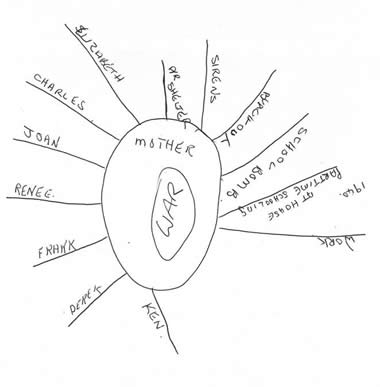
Oral history is a powerful tool for capturing personal recollections, but it comes with several risks and challenges. One major challenge is memory drift. Human memory is not a static recording but rather a dynamic and reconstructive process where details can fade, change, or be embellished over time. Narrators might omit certain aspects of their experiences or reinterpret events in light of new circumstances, which can affect the reliability of the oral account[3][5][6].
Power dynamics in the interview setting also pose significant challenges. The traditional interviewer–narrator relationship can create imbalances where the interviewer’s authority might overshadow the narrator’s voice, potentially leading to the extraction or exploitation of personal narratives. Such power differentials may result in narrators feeling pressured to conform to predefined frameworks or expectations[2][5].
Interviewer influence is another critical factor. The way questions are framed, the interviewer’s biases, and even their non-verbal cues can shape how a story is told. To lessen this impact, interviewers are advised to use open-ended questions, maintain strict neutrality, and allow narrators to steer the conversation so that the interview produces authentic, first-person accounts rather than a narrative filtered through the interviewer’s perspective[7][4][8].
Together, these factors—memory drift, power imbalances, and interviewer influence—highlight the complexity of conducting oral history and the need for careful methodological and ethical practices to ensure the narratives are both respectful and as accurate as possible.
Get more accurate answers with Super Pandi, upload files, personalized discovery feed, save searches and contribute to the PandiPedia.
Let's look at alternatives:
- Modify the query.
- Start a new thread.
- Remove sources (if manually added).