thermal conductivity of metal vs wood
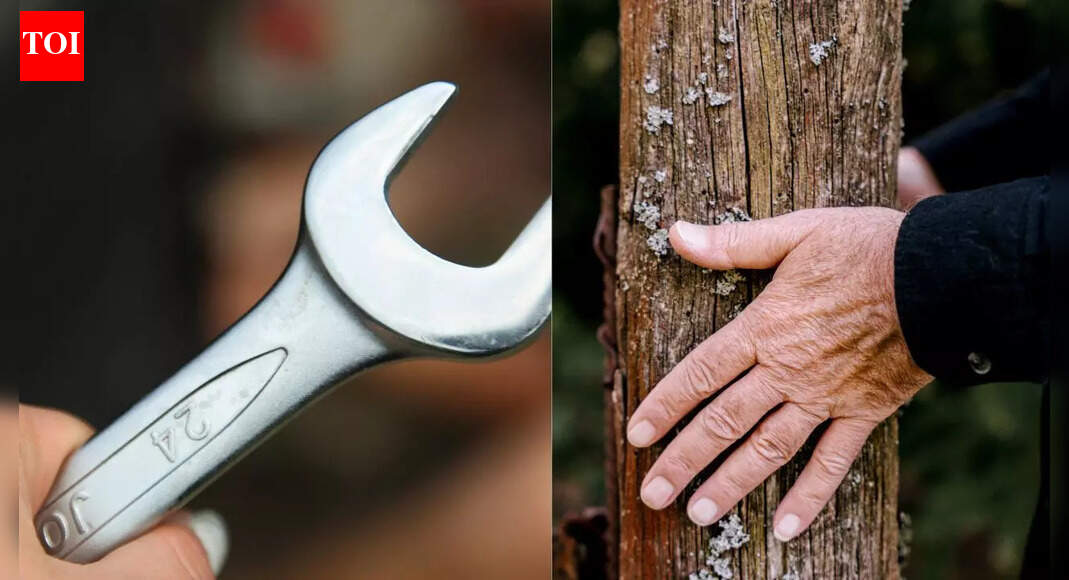
Metals have a much higher thermal conductivity than wood. For example, according to one source, common structural softwood lumber (at about 12% moisture content) has a thermal conductivity in the range of 0.7–1.0 Btu·in/(h·ft²·°F), whereas metals such as aluminum and steel have conductivities around 1,500 and 310 Btu·in/(h·ft²·°F) respectively, showing that metals transfer heat far more quickly than wood[1].
This high thermal conductivity in metals is largely due to their dense atomic structure and the presence of free electrons, which enable rapid heat transfer; in contrast, wood’s complex composition, which includes cellulose and lignin, and its porous structure results in much slower heat transfer[3][4].
In everyday experience, these differences explain why metal surfaces feel colder than wooden ones at the same temperature—because metal draws heat away from your skin more quickly due to its high thermal conductivity, while wood’s low conductivity means it draws heat away much more slowly[9].
Furthermore, listing typical values from another source shows that metals like copper and aluminum have thermal conductivities around 400 and 205 W/(m·K) respectively, whereas wood is reported to have values roughly between 0.1 and 0.2 W/(m·K), reinforcing the huge gap between the two types of materials[7].
Get more accurate answers with Super Pandi, upload files, personalized discovery feed, save searches and contribute to the PandiPedia.
Let's look at alternatives:
- Modify the query.
- Start a new thread.
- Remove sources (if manually added).