Insights from 'Stories of Animal Life': A Journey into the Natural World
Charles Frederick Holder's 1899 work, "Stories of Animal Life," serves as a collection of engaging natural history narratives aimed at cultivating a deeper interest in zoology among its readers. The book moves beyond simple descriptions, offering a series of stories and observations that highlight the complexity, intelligence, and adaptability of the animal kingdom. This report summarizes the key themes and insights from the text, exploring its discussions on animal intelligence, symbiotic relationships, unique survival adaptations, glimpses into prehistory, and the profound bonds that can form between humans and animals.
The Intricacies of Animal Intelligence and Behavior
A central theme in the book is the assertion that animals possess a significant degree of intelligence, demonstrated through a variety of complex behaviors. Holder provides accounts of animals engaging in what can be described as play, citing the playful antics of otters and even locusts as examples. This suggests that animal activities are not solely driven by survival instincts but also by curiosity and enjoyment. The narratives also delve into strategic hunting methods and intricate forms of communication, such as the varied calls of birds and the sounds made by fish, challenging simplistic views of animal cognition.
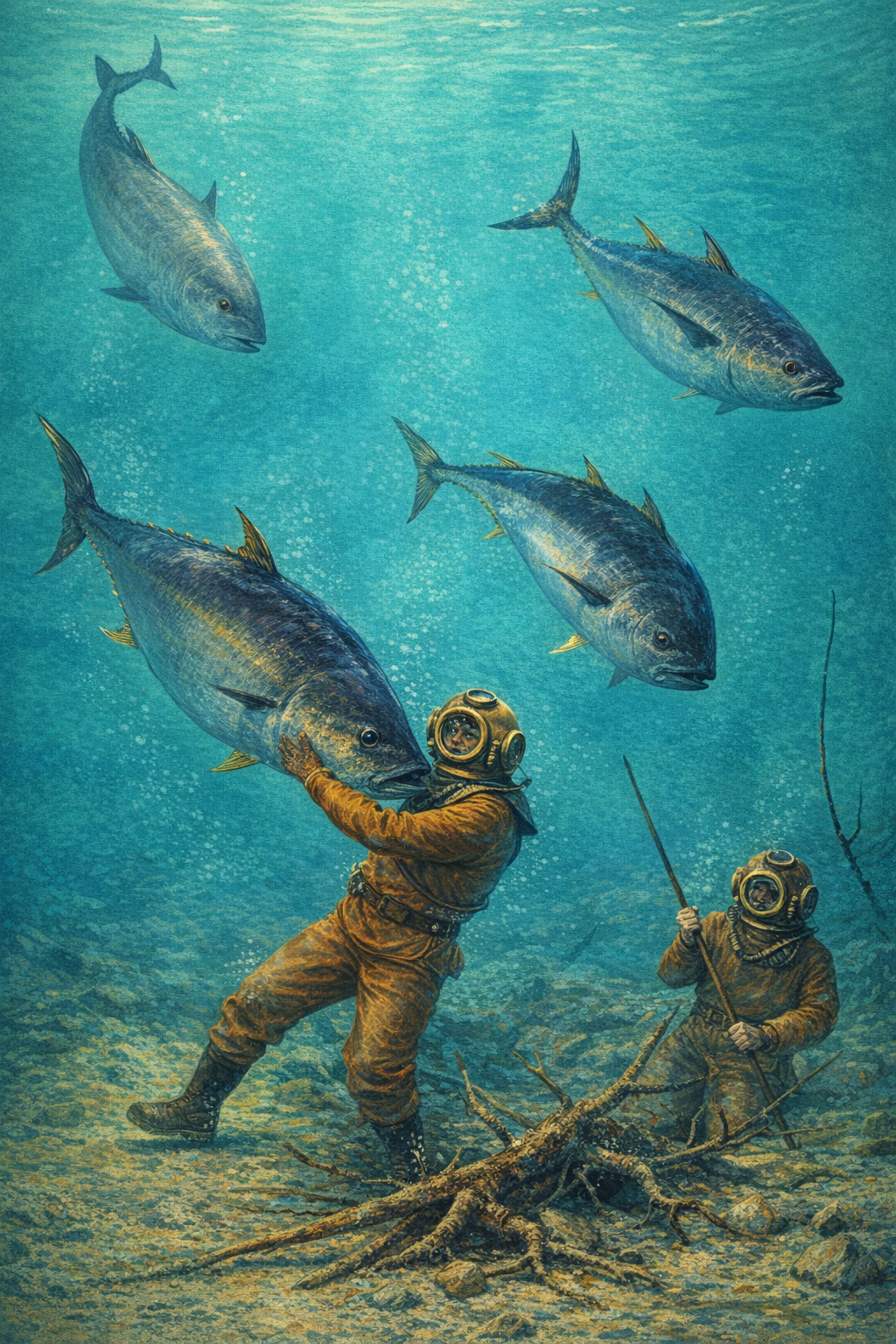
Porpoises Displaying Social Behavior
This illustration from the book depicts a school of porpoises, showcasing the kind of complex social and group behaviors that Holder highlights as evidence of animal intelligence and communication.
Symbiosis and Mutualism in Nature
The book explores the interconnectedness of ecosystems through stories of mutualism, where different species form cooperative relationships for shared benefit. These accounts illustrate that the natural world is not only about competition but also about collaboration.
Rhinoceros Birds as Sentinels
An example of mutualism described in the text, where Rhinoceros Birds (or oxbiters) perch on a rhinoceros. The birds feed on parasites and alert their large host to approaching danger.
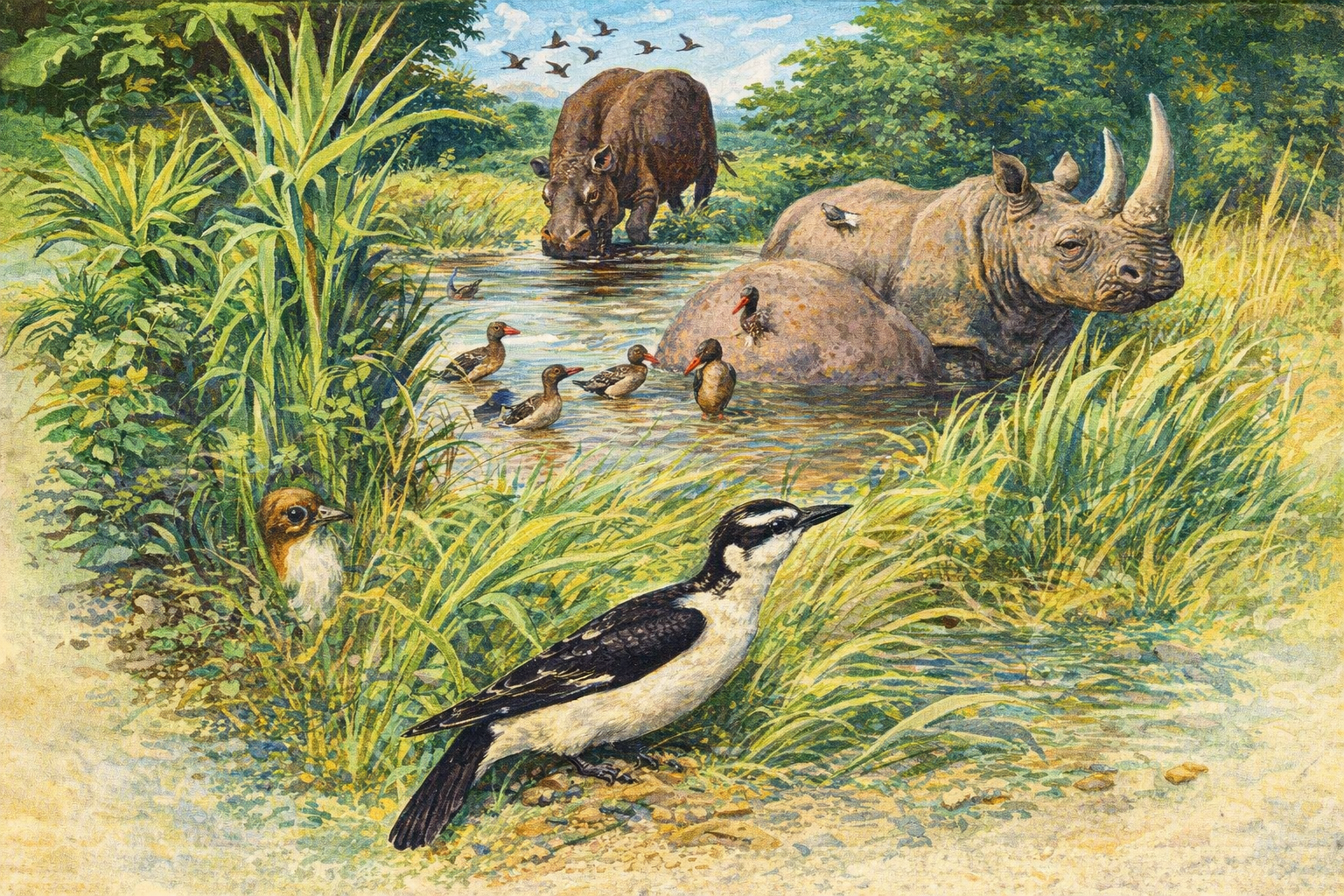
One of the prime examples provided is the relationship between oxbiter birds and rhinoceroses. The birds feed on ticks and other parasites on the rhinoceros's skin, gaining a source of food while cleansing their host. In return, their sharp cries serve as an early warning system, alerting the near-sighted rhinoceros to potential threats, effectively acting as its guards.
Marvels of Adaptation and Survival
"Stories of Animal Life" is rich with detailed descriptions of the extraordinary adaptations animals have developed to survive in their respective environments. These narratives showcase the incredible diversity of life and the evolutionary ingenuity found in nature.
- Mimicry and Camouflage: The book details how various creatures use mimicry to deceive predators or prey, blending seamlessly into their surroundings or imitating more dangerous species.
- Aerial Locomotion: It describes mammals and reptiles that have developed methods of gliding or 'flying' through the air, a remarkable adaptation for movement and escaping danger.
- Amphibious Life: The text provides accounts of fish that possess the ability to survive out of water on land for extended periods, highlighting unique respiratory and locomotive adaptations.
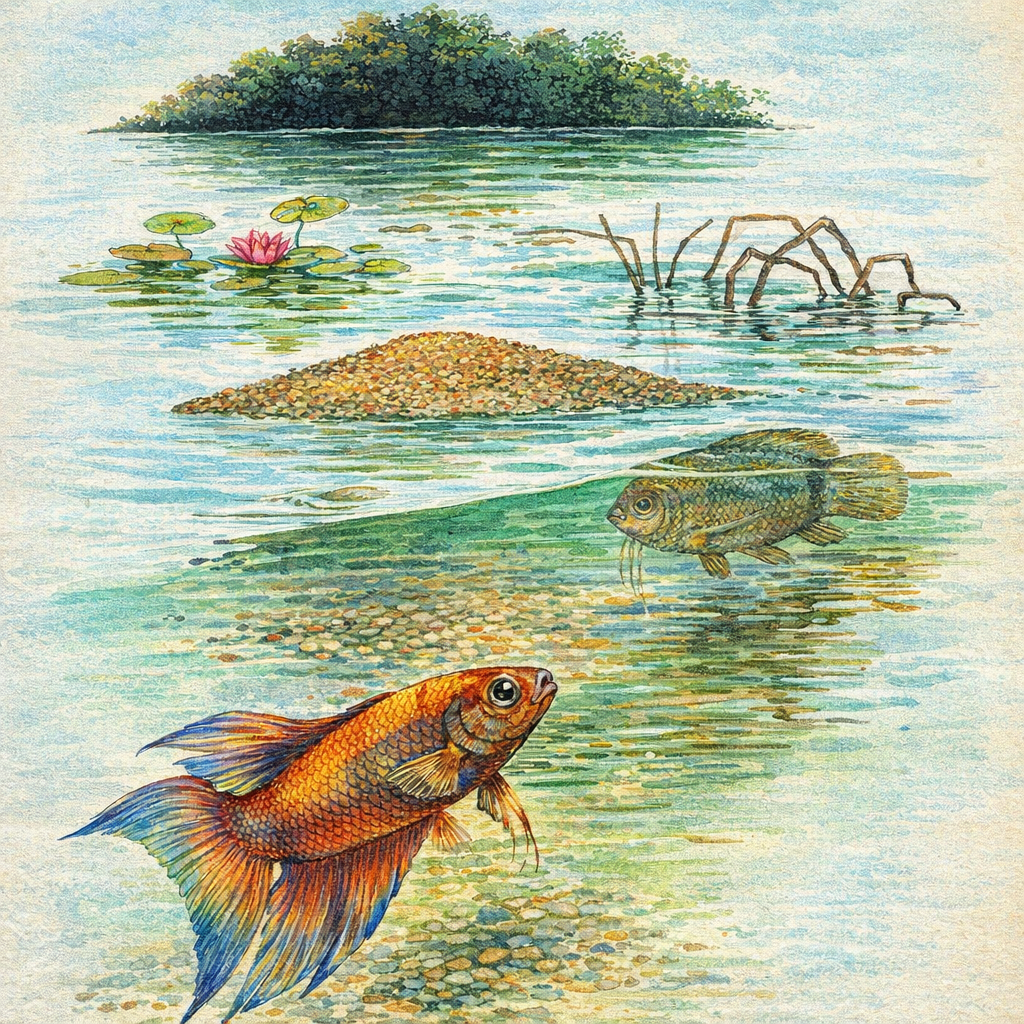
Nest of the Paradise Fish
This image illustrates the unique nest-building behavior of the Paradise Fish, an example of the specialized adaptations and behaviors that Holder's book explores.
Echoes of the Past: Prehistoric Life and Extinction
The author also connects readers to the deep past by incorporating stories about ancient and extinct animals. These sections provide a historical perspective on the animal kingdom, emphasizing that the world we see today is just one chapter in a much longer story of life on Earth.
Elephants in Human History
This illustration of a person with an elephant relates to the book's discussion of the historical roles of animals, such as the use of elephants in ancient warfare.
Skull of an Iguanodon
The inclusion of prehistoric creatures, like the Iguanodon, demonstrates the book's scope in covering not just living animals but also the history of life and extinction.
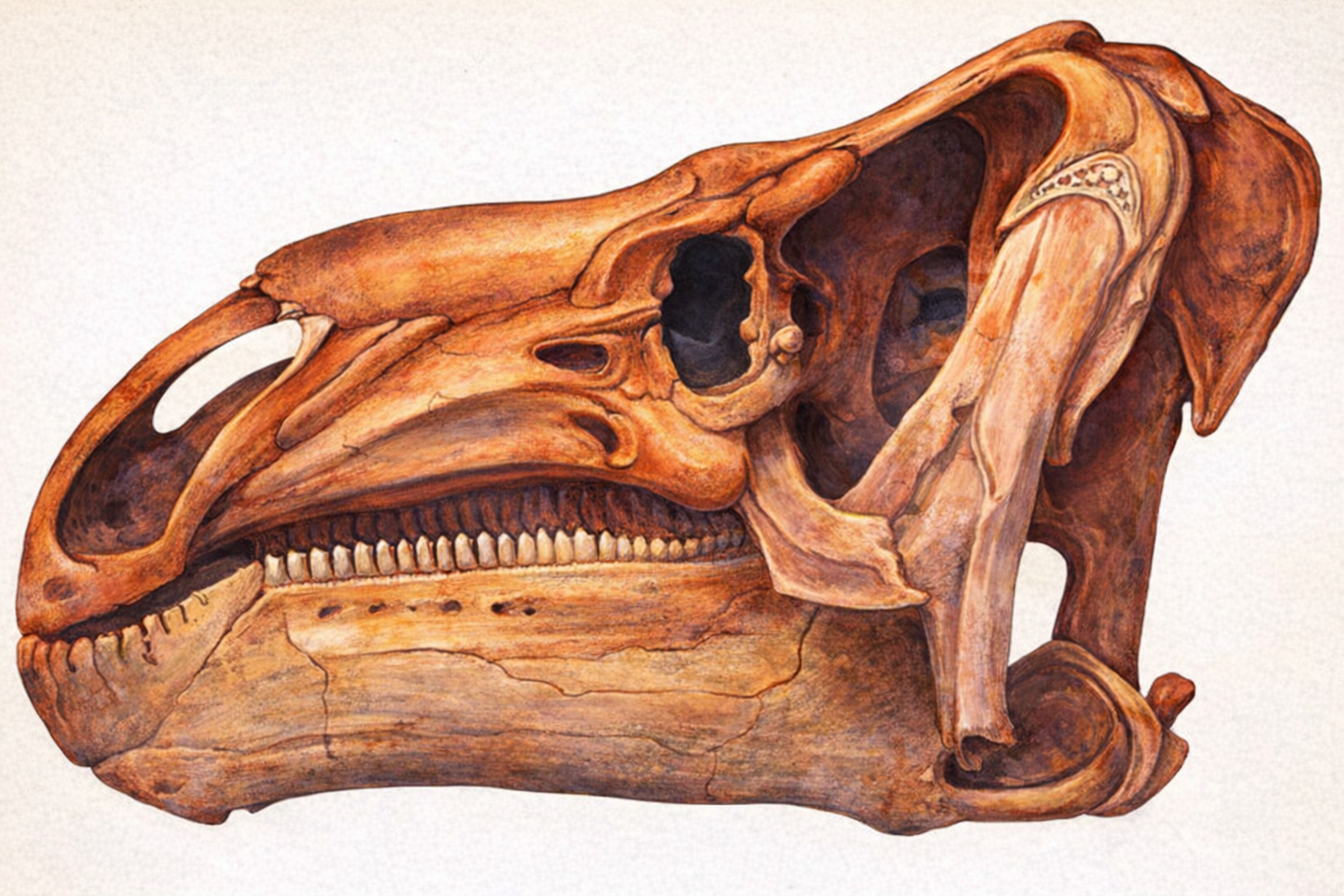
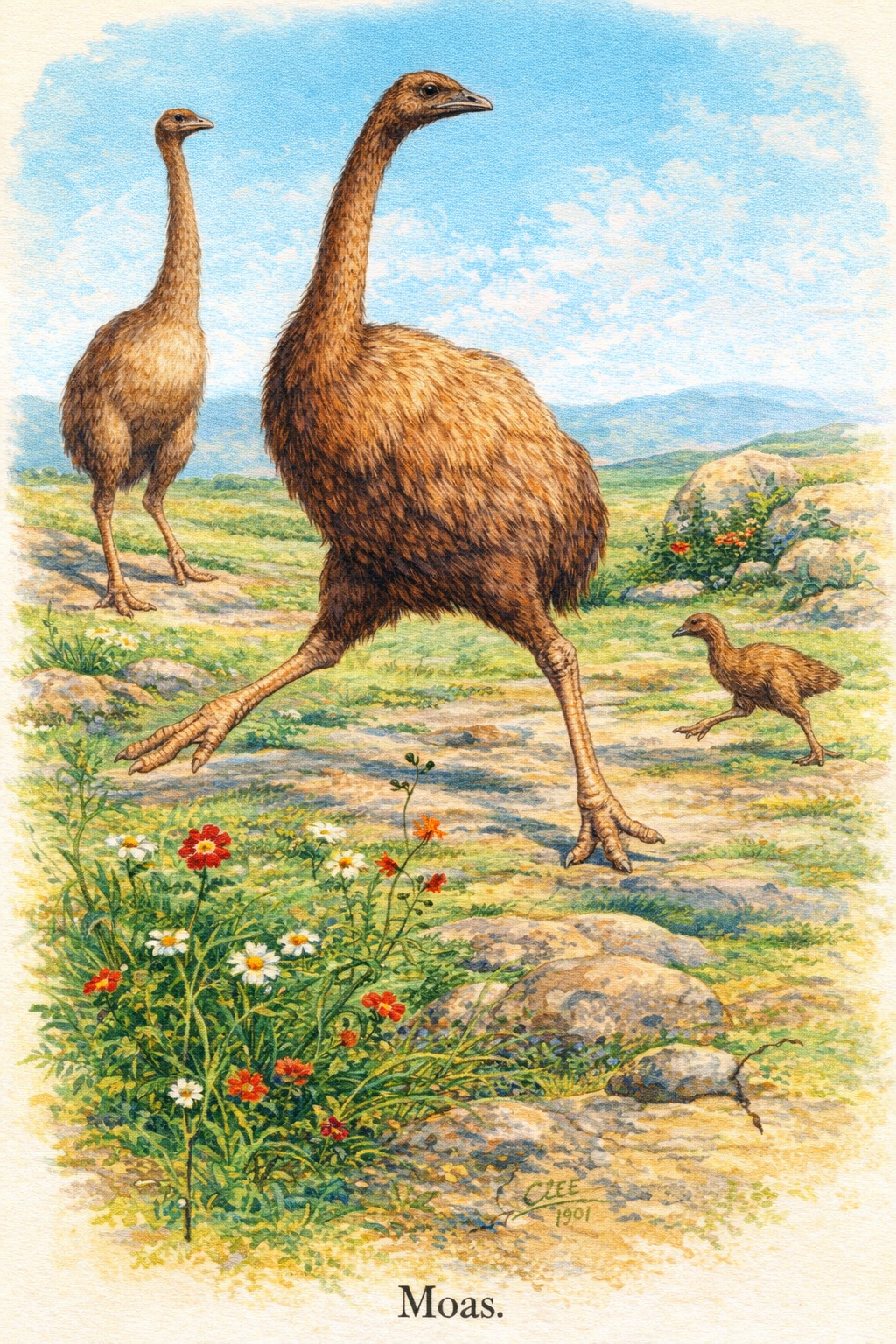
The book touches upon the historical use of war elephants, showcasing an ancient intersection of human and animal life. Furthermore, it discusses extinct species, including giant birds like the Moa, offering a sense of the scale of life that once existed and the reality of extinction.
The Enduring Bond Between Humans and Animals
A particularly heartwarming aspect of the collection is its focus on the bonds that can form between humans and animals. Through personal anecdotes, Holder illustrates relationships built on trust and companionship, including stories of taming wild creatures.
Owney the Postal Dog
This image of a dog with luggage and medals is a direct reference to Owney, the famous mascot of the Railway Mail Service, whose story of global travel is a key anecdote in the book.
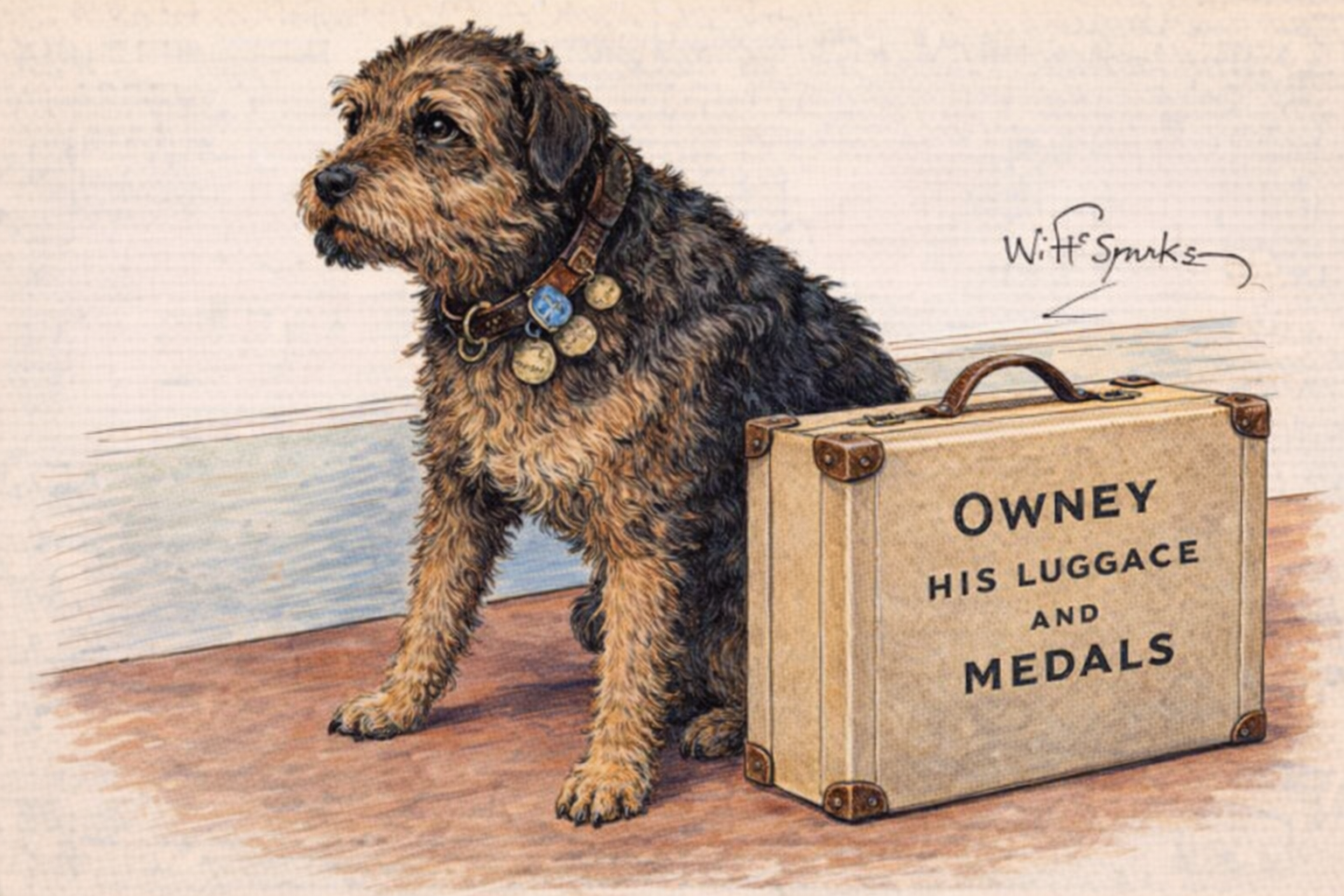
The most notable of these stories is that of Owney, the postal dog, who became a mascot for the Railway Mail Service in the late 19th century. His loyalty led him to travel across the United States and eventually around the world on mail carriers, becoming a celebrated figure and a powerful symbol of the human-animal bond.
Conclusion
In conclusion, Charles Frederick Holder's "Stories of Animal Life" provides a rich and multifaceted view of the natural world. Through its collection of carefully chosen narratives, the book successfully highlights the intelligence, adaptability, and social complexity of animals. From symbiotic partnerships and incredible survival strategies to the tales of extinct giants and the touching loyalty of a traveling dog, the work serves as an enduring invitation to observe, appreciate, and seek a deeper understanding of animal life.
Get more accurate answers with Super Pandi, upload files, personalized discovery feed, save searches and contribute to the PandiPedia.
Let's look at alternatives:
- Modify the query.
- Start a new thread.
- Remove sources (if manually added).