Summarize the key points and insights from the sources
A Victorian Guide to the Wonders of Creation: An Overview of 'Facts from the World of Nature'
Published in London in 1848, 'Facts from the World of Nature, Animate and Inanimate' by Mrs. Loudon is a comprehensive work dedicated to the naturalist Charles Waterton, Esq., of Walton Hall[1]. The book serves as a detailed exploration of the natural world, structured to captivate and educate a youthful audience during the mid-19th century. It is enriched with numerous illustrations, including engravings on steel and wood, to visually supplement the text[1].
Purpose and Educational Philosophy
In the preface, the author explicitly states the book's purpose is to "present to the youthful reader, in as attractive a manner as possible, the Wonders of Creation as discoverable in the Physical World, and in the forms and habits of Birds, Beasts, and Fishes"[1]. The primary objective is to nurture and reinforce the innate love of nature found in young minds, which the author believes can be diminished by worldly interactions[1]. The study of nature is positioned as a vital component of a young person's development, as it is believed to have a "tendency to enlarge and elevate the mind, as well as to develope the thinking and reasoning faculties"[1].
Exploring the Wonders of the Earth: Book I
The first part of the book delves into the realms of geology and geography, beginning with an introduction to the Earth's crust[1]. This section systematically explores a diverse range of terrestrial phenomena and formations, providing a comprehensive overview of the inanimate natural world.
- Mountains: The text provides detailed descriptions of major mountain ranges across the globe, including the Himalayas, the Andes, and the Alps, as well as those in Great Britain[1].
- Volcanoes: It features accounts of famous volcanoes such as Mount Ætna and Mount Vesuvius, along with discussions on various volcanic islands[1].
- Caverns and Rock Formations: The book explores notable caves in England, Scotland, and Ireland, like Fingal's Cave and the Giant's Causeway, in addition to unique rock formations found in Europe and Australia[1][1].
- Plains and Deserts: Vast landscapes are described, including the Pampas of South America, the Prairies of North America, and the Sahara desert[1].
- Mines and Fossils: This chapter covers different types of mines for resources like gold, silver, and coal, and introduces the concept of fossils, referred to as 'organic remains'[1].
- Geological Events and Islands: The text dedicates chapters to powerful natural events like earthquakes and discusses the formation of islands, including coral reefs[1].
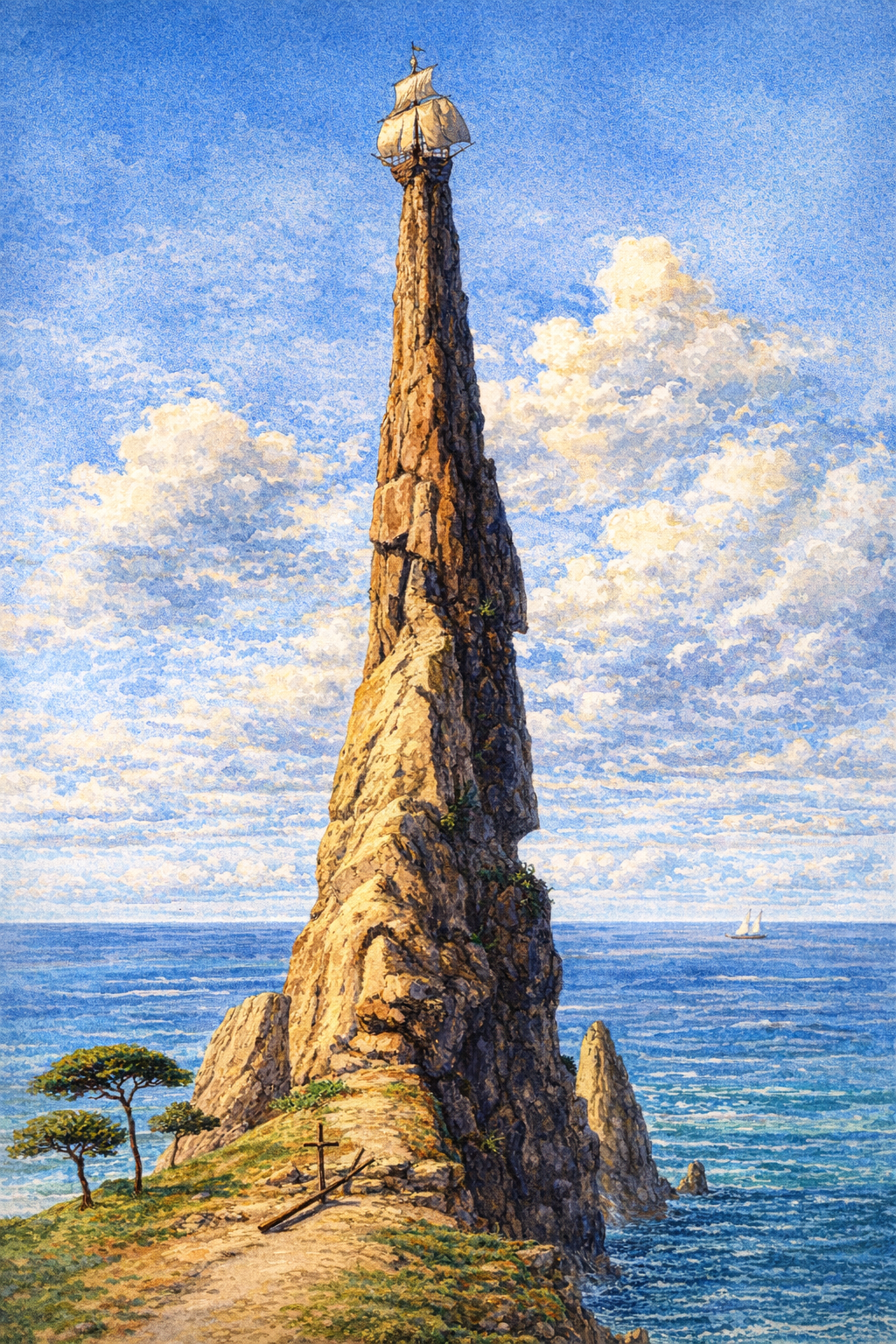
Peter Botte's Mountain
An illustration from the book depicting a prominent mountain, representative of the geological wonders discussed in Book I.
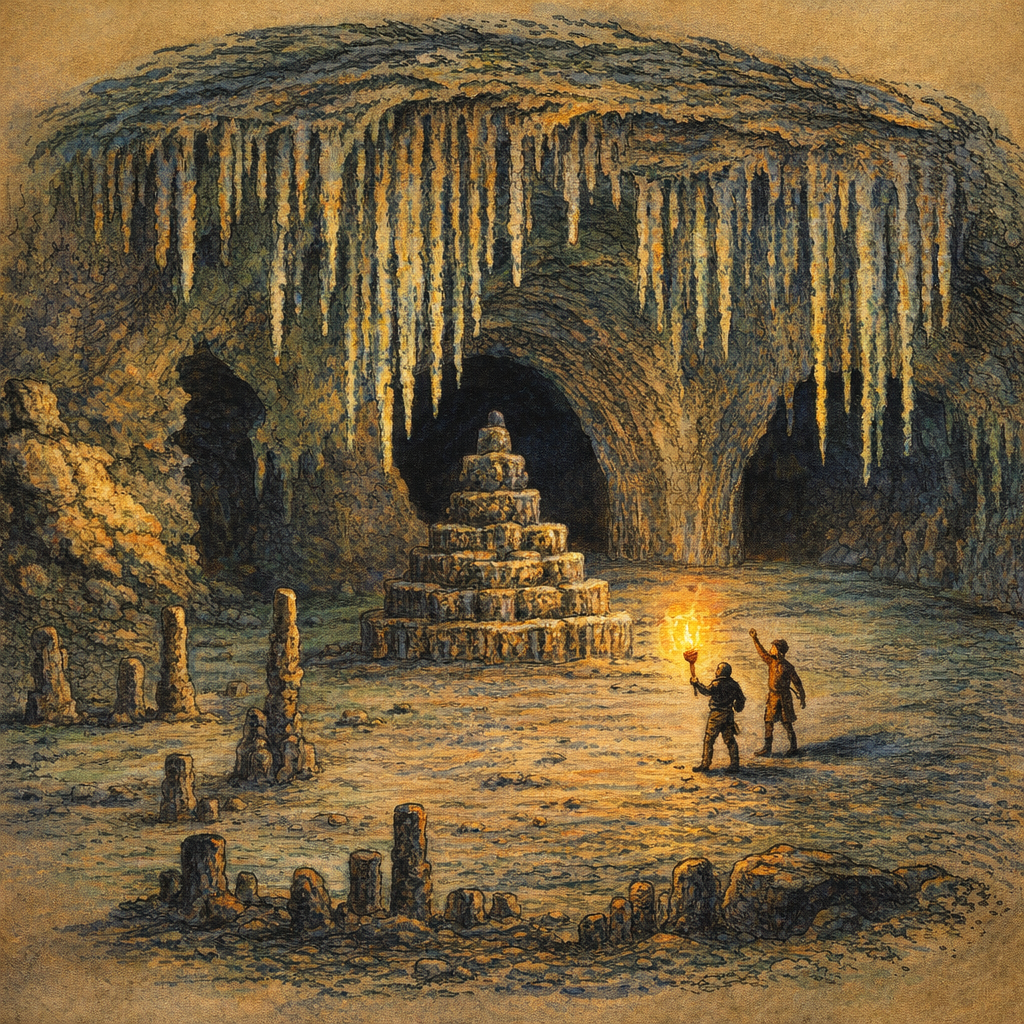
Grotto of Antiparos
This engraving shows the interior of a famous grotto, illustrating the section on caverns and subterranean formations.
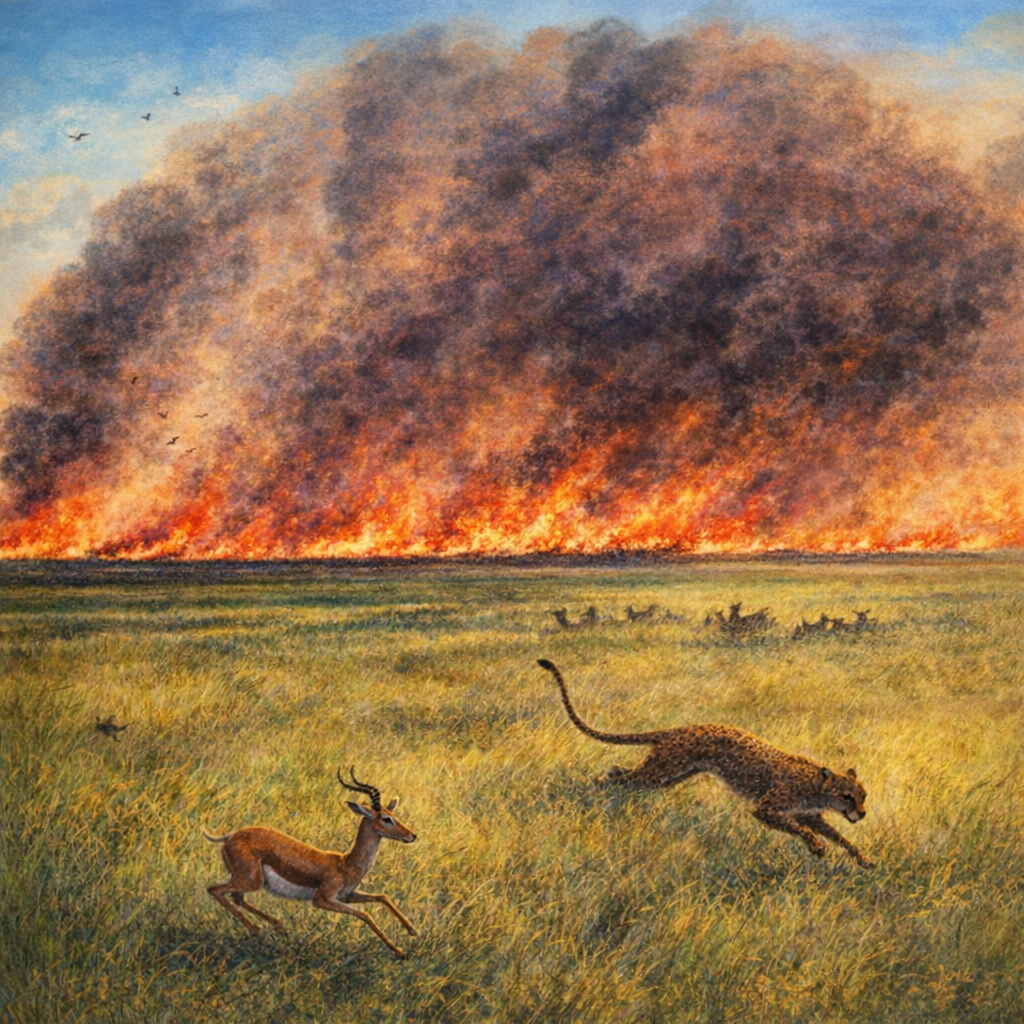
Prairie on Fire
A dramatic depiction of a prairie fire, a phenomenon associated with the vast plains of North America described in the text.
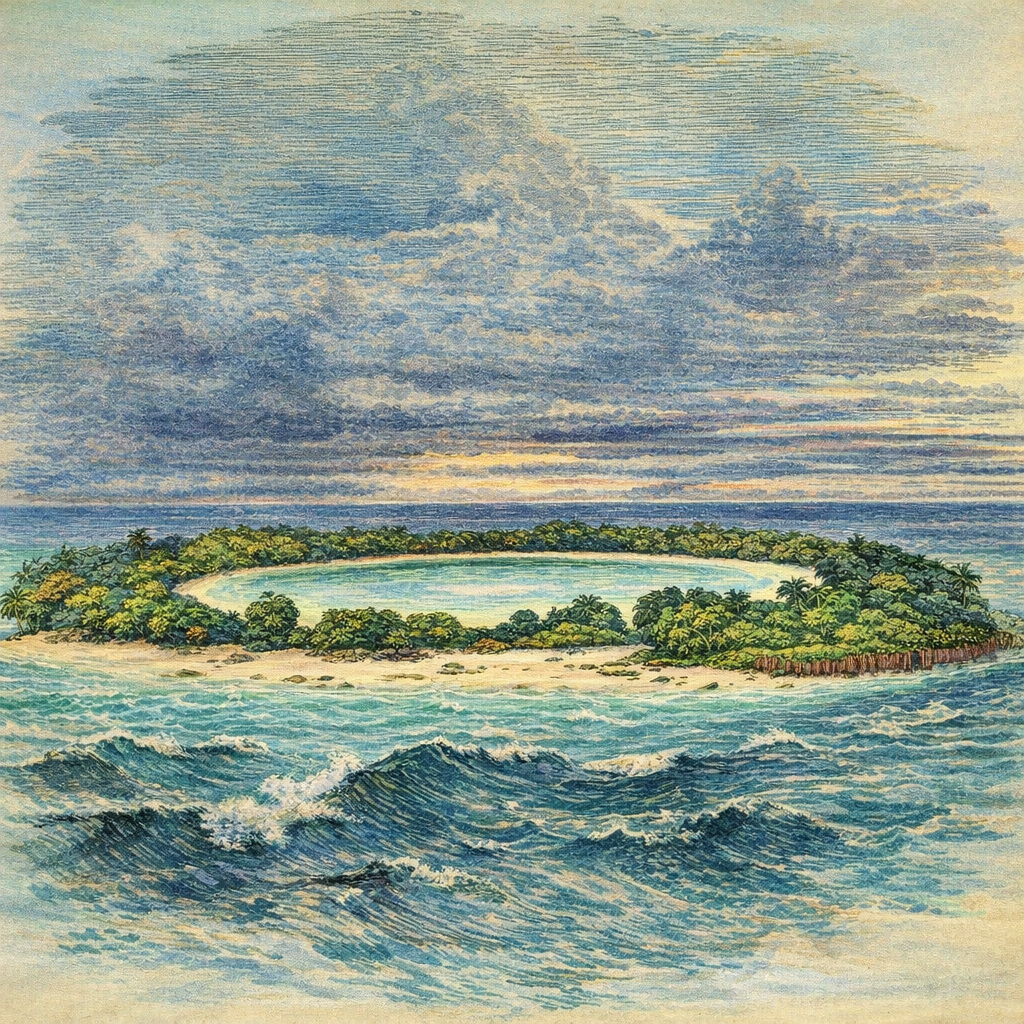
Coral Reefs
An illustration of coral reefs, showcasing the intricate natural structures responsible for the formation of certain islands.
A Journey Through the Animal Kingdom: Book IV
The fourth book transitions from the inanimate to the animate world, focusing on zoology and the wonders of animal life. It categorizes animals into major groups, providing descriptions of their habits and characteristics.
- Mammalia: This extensive chapter covers a wide array of mammals, from monkeys and bats to large predators of the cat and dog tribes, as well as unique creatures like kangaroos, elephants, and whales[1]. A notable insight is the description of the sloth, which is presented not as lazy but as perfectly adapted to its arboreal life, where it "moves suspended from the branch, he rests suspended from it, and he sleeps suspended from it"[1].
- Birds: This section is organized by behavior and habitat, covering birds of prey (both diurnal and nocturnal), perching birds, climbers, waders, and web-footed birds[1]. It includes descriptions of species ranging from the mighty condor and eagle to the delicate humming-bird. It also details fascinating human-animal interactions, such as the use of trained cormorants for fishing in China[1].
- Fishes: The final chapter on animal life classifies fish into bony and cartilaginous types. It highlights unique species such as the shooting chelmon, the electric eel, and various sharks and rays, providing a glimpse into the diversity of aquatic life[1].
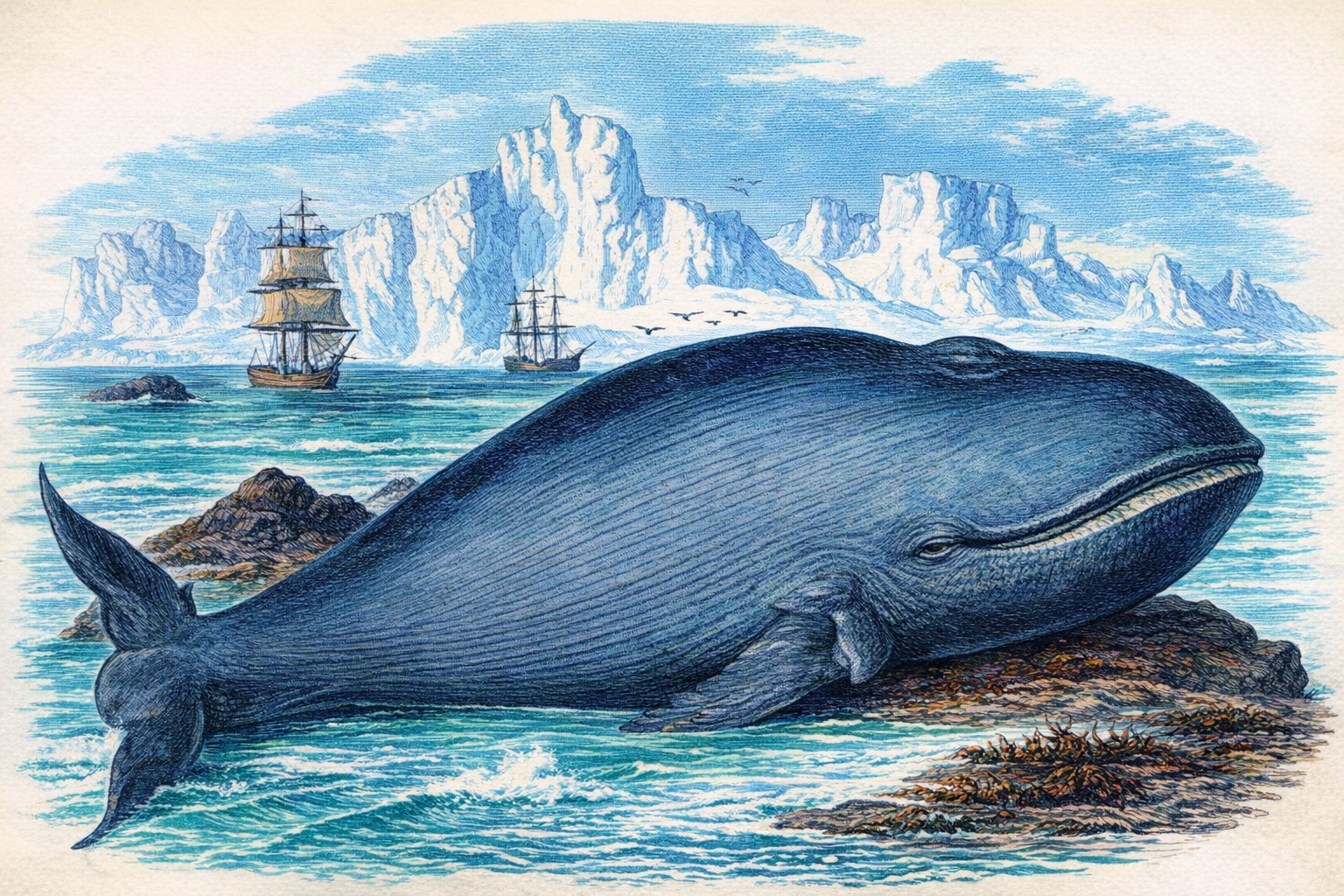
The Greenland Whale
An illustration of a Greenland Whale, featured in the book's chapter on Mammalia, highlighting the diversity of the animal kingdom.
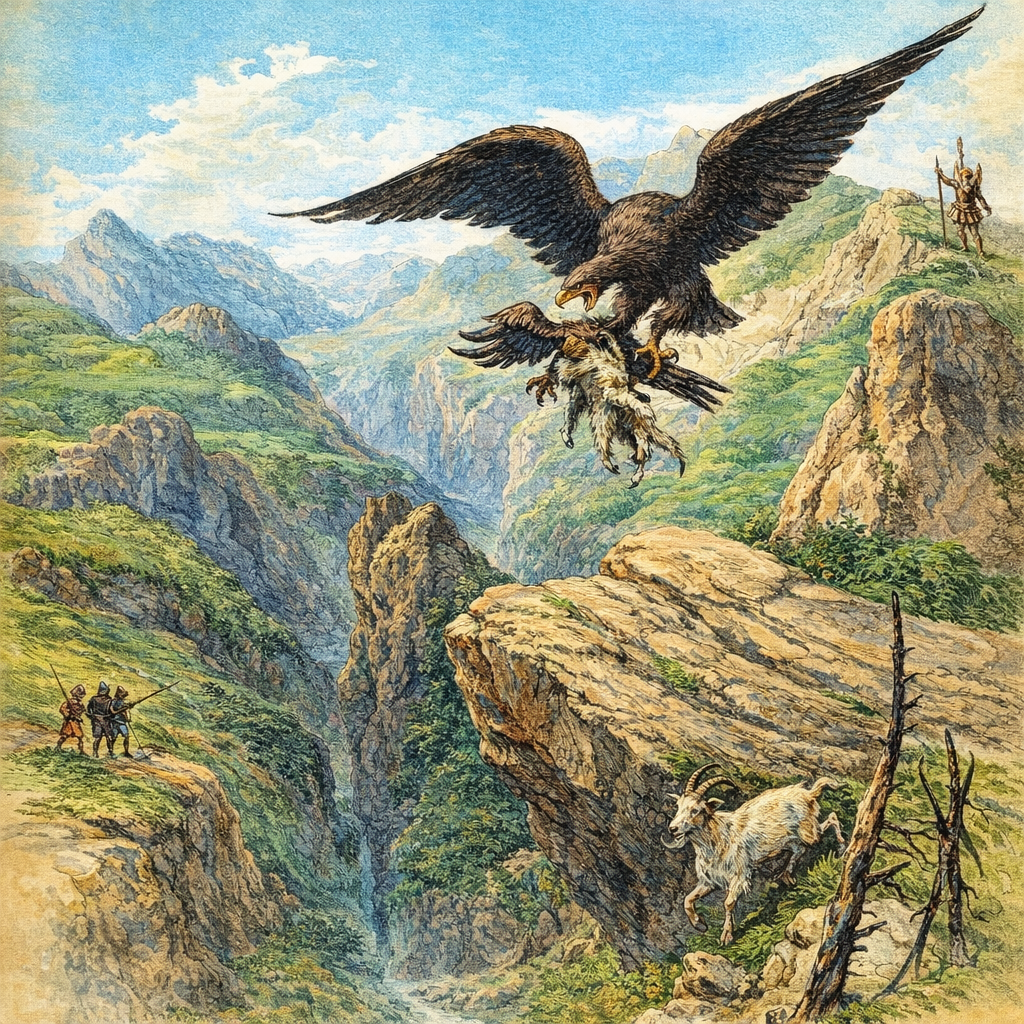
The Golden Eagle
This depiction of a Golden Eagle represents the section on birds of prey, showcasing the detailed illustrations used to engage readers.
Conclusion
'Facts from the World of Nature' stands as a characteristic example of 19th-century natural history literature for young people. It combines scientific information, presented in an accessible narrative style, with a moral and educational purpose. By systematically cataloging the wonders of geology, geography, and zoology, Mrs. Loudon's work aimed to inspire awe and curiosity, fostering a generation of young readers with a deeper appreciation for the natural world and its intricate workings.
References
Get more accurate answers with Super Pandi, upload files, personalized discovery feed, save searches and contribute to the PandiPedia.
Let's look at alternatives:
- Modify the query.
- Start a new thread.
- Remove sources (if manually added).