key mistakes that make drywall patches show through paint and how to avoid them
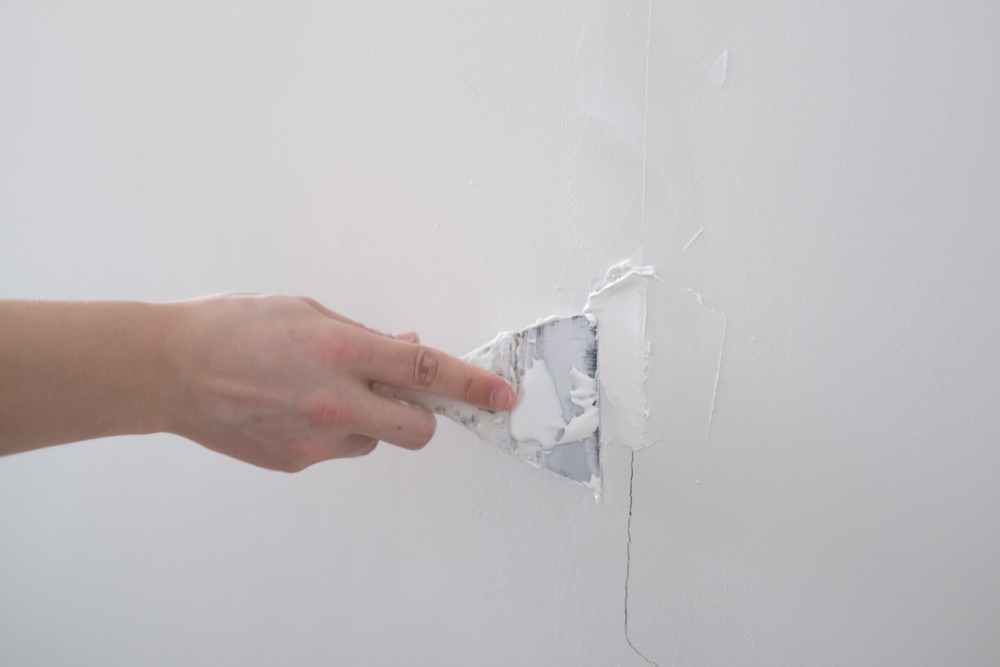
One common mistake is poor surface preparation. If loose debris or old paint isn’t removed properly before patching, the joint compound won’t adhere well and these imperfections will show through the final paint layer[1].
Another error is failing to feather the edges of the patch. Applying joint compound only over the damaged area without gradually tapering it outward creates a distinct border that remains visible after painting[1][5].
Rushing the drying process is also a frequent pitfall. Applying additional layers or sanding before the compound is completely dry can lead to bumps and uneven surfaces that catch the light and become obvious once painted[1].
Improper sanding, such as using too coarse a grit or uneven pressure, leaves the patch with ridges or an uneven texture. This makes the repair stand out after painting because the final smooth finish wasn’t achieved[14].
Finally, skipping the priming step can cause the patched area to absorb paint differently than the surrounding wall. Without a quality primer, the fresh joint compound might appear dull or discolored compared to the rest of the surface[18].
By taking the time to thoroughly clean and prepare the area, feather out the patch over a wider area, allow each layer to dry completely, sand smoothly, and apply a good primer, you can avoid these mistakes and achieve a repair that blends seamlessly with the rest of your wall[13].
Get more accurate answers with Super Pandi, upload files, personalized discovery feed, save searches and contribute to the PandiPedia.
Let's look at alternatives:
- Modify the query.
- Start a new thread.
- Remove sources (if manually added).