Evolution of the Music Monetisation Landscape
Overview of Recent Changes

Recent developments in the music monetisation landscape mark a significant departure from past practices, as the industry has begun a transition toward more dynamic pricing and revenue models. In 2023, the industry experienced major streaming platforms implementing their first headline price increases in over a decade. This shift has not only reinforced the value proposition of streaming subscriptions but has also ignited further discussions on how best to capture revenue growth amid evolving consumption patterns[1].
Enhanced Pricing Strategies
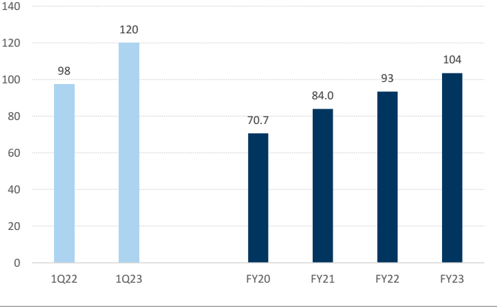
A key evolution is seen in the concerted efforts by streaming services and rights holders to revise subscription pricing. Major platforms such as Spotify, YouTube, Apple, and Amazon Music raised prices on standard individual plans in key markets by approximately 10%, while also adjusting rates for family and student plans. These changes, combined with initiatives to introduce super premium plans targeting superfans, have contributed to a period of improved overall monetisation. Industry players now plan to employ recurring headline price increases or product-led pricing adjustments to limit the stagnation historically observed in streaming fees. This approach is expected to help drive incremental revenue as premium product tiers offer enhanced features and superior sound quality[1].
Modernisation of Royalty and Payout Models

Another significant transformation in the monetisation landscape is the modernisation of streaming payout models. Historically, the 'pro rata' model paid labels based on the overall share of total streams, a model that has become increasingly unsustainable amid a surge in content volume and a greater prevalence of low-value tracks. Recent changes by platforms such as Deezer and Spotify include moves towards an artist-centric model, which rewards professional artists through amplified streams while addressing fraud and stream dilution. This modern approach involves measures such as setting thresholds for stream qualification and increasing the share of royalties allocated to high-value content, thereby aiming to shift 7% to 10% of overall royalties back to real artists over time[1].
Superfan Monetisation and Product Segmentation
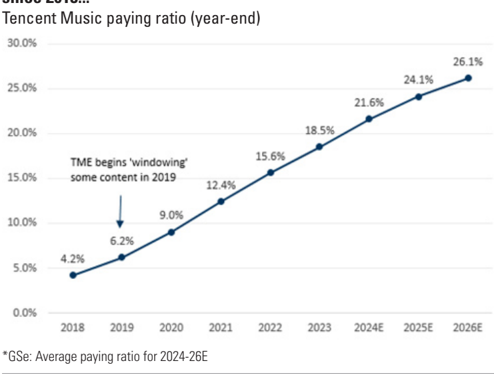

Industry experts now see enhanced monetisation opportunities by better segmenting the user base. The current streaming model treats all subscribers uniformly, despite wide variations in engagement and willingness to pay. The report highlights the potential of personalised offerings targeted at superfans—defined as subscribers who are highly engaged with at least one artist—who may be willing to pay double the average subscription fee. Preliminary estimates suggest that by progressively increasing the percentage of superfans exposed to additional monetisation options, incremental revenue could see a significant uplift of up to 13% in the global recorded music revenue, with the superfan addressable market reaching around $4.5 billion by 2030[1].
The Role of Emerging Markets

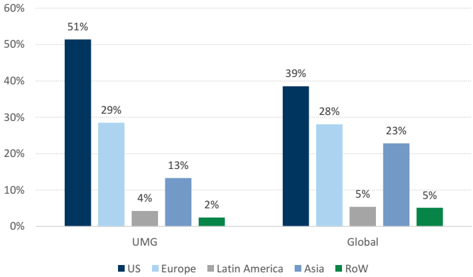
Emerging Markets (EM) are becoming the engine of growth for music subscriptions globally. While EM markets offer lower average revenue per user (ARPU)—with figures around $8 compared to $34 in developed markets—the volume of new subscribers has been growing impressively. In 2023, EM contributed to 60% of net subscriber additions, and this is expected to rise to nearly 70% by 2030. Despite lower ARPU and a more fragmented competitive landscape, improved pricing strategies are being implemented gradually as income levels in these regions rise. The focus remains on driving volume growth and eventually enhancing monetisation as users mature and conversion rates improve from freemium to paying subscribers[1].
Generative AI and its Implications
Generative AI has entered the music industry landscape, although its impact has been more experimental than disruptive at present. Initial concerns regarding mass content flooding have largely subsided, with the industry observing that most AI-generated content remains non-professional and low in quality. Measures to control the use of artificial intelligence, including efforts to prevent deep fakes and unauthorized replication of artist voices, are emerging. Notably, key partnerships—such as YouTube collaborating with major labels to launch a Music AI incubator—indicate a collective industry approach towards controlled deployment of AI. Meanwhile, legal and regulatory frameworks are also beginning to take shape, addressing issues such as copyright infringement when vast datasets of copyrighted material are used to train AI models[1].
Evolution in Ad-Supported Streaming

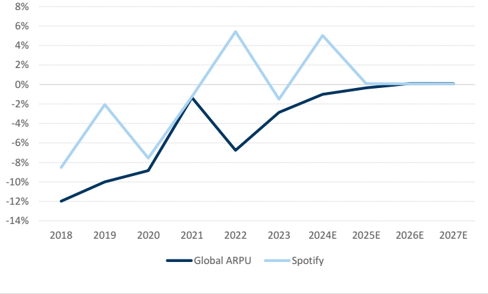
While subscription revenue continues to grow through price increases and premium tiers, ad-supported streaming is also undergoing significant changes. Although this sector experienced slower revenue growth in 2023 compared to previous years, it remains an important revenue driver for many platforms. The report notes that ad-supported music revenues grew at a lower rate than expected, in part due to a slower recovery in the global advertising market and challenges in unlocking increased value from emerging platforms like TikTok. Future growth in this segment is anticipated to benefit from refined licensing agreements and improved conversion rates, but overall revenue growth for ad-supported models remains modest when compared with subscription-based revenue[1].
Conclusion
In summary, the music monetisation landscape has evolved significantly in recent times. The introduction of recurring price increases and innovative product segmentation, particularly around superfans, reflects a broader industry shift towards maximizing revenue per user. Simultaneously, the modernisation of streaming payout models aims to more fairly reward artists in the context of ever-increasing content volumes and fraudulent streaming practices. Emerging markets continue to drive subscription volume despite lower ARPU, and new technological developments such as Generative AI are being integrated with careful consideration for copyright and regulation. Together, these trends suggest a more dynamic and resilient revenue framework that positions the music industry for sustained growth in the coming years[1].
Get more accurate answers with Super Pandi, upload files, personalized discovery feed, save searches and contribute to the PandiPedia.
Let's look at alternatives:
- Modify the query.
- Start a new thread.
- Remove sources (if manually added).