How does the transformer architecture in AI actually work?
How does AI turn text into brilliant results? Transformers work like lively group conversations among tokens, building meaning from scratch. Let's explore the magic behind tokens, embeddings, and more[1].
🧵 1/5
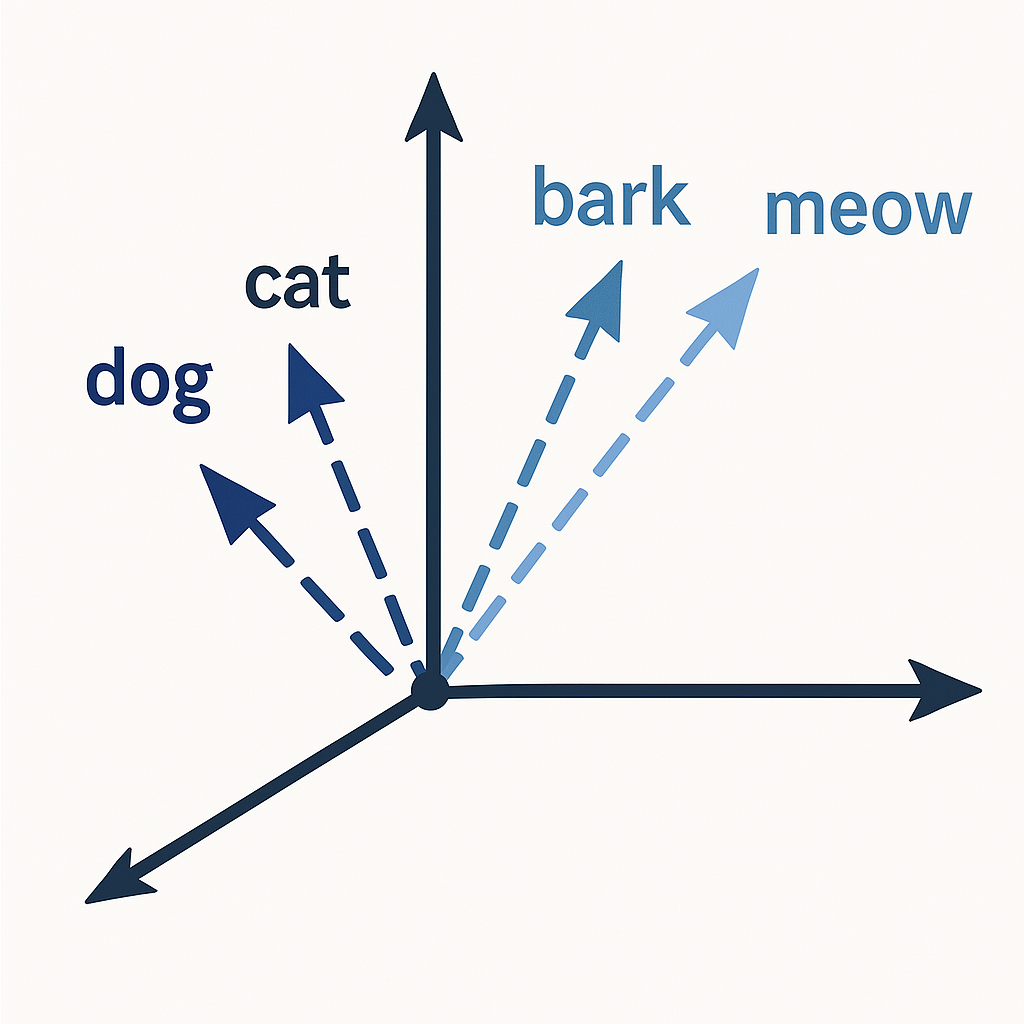
Tokens are individual words converted into numeric vectors – embeddings that capture both meaning and position. It's like handing out unique conversation cards to every word[2].
🧵 2/5
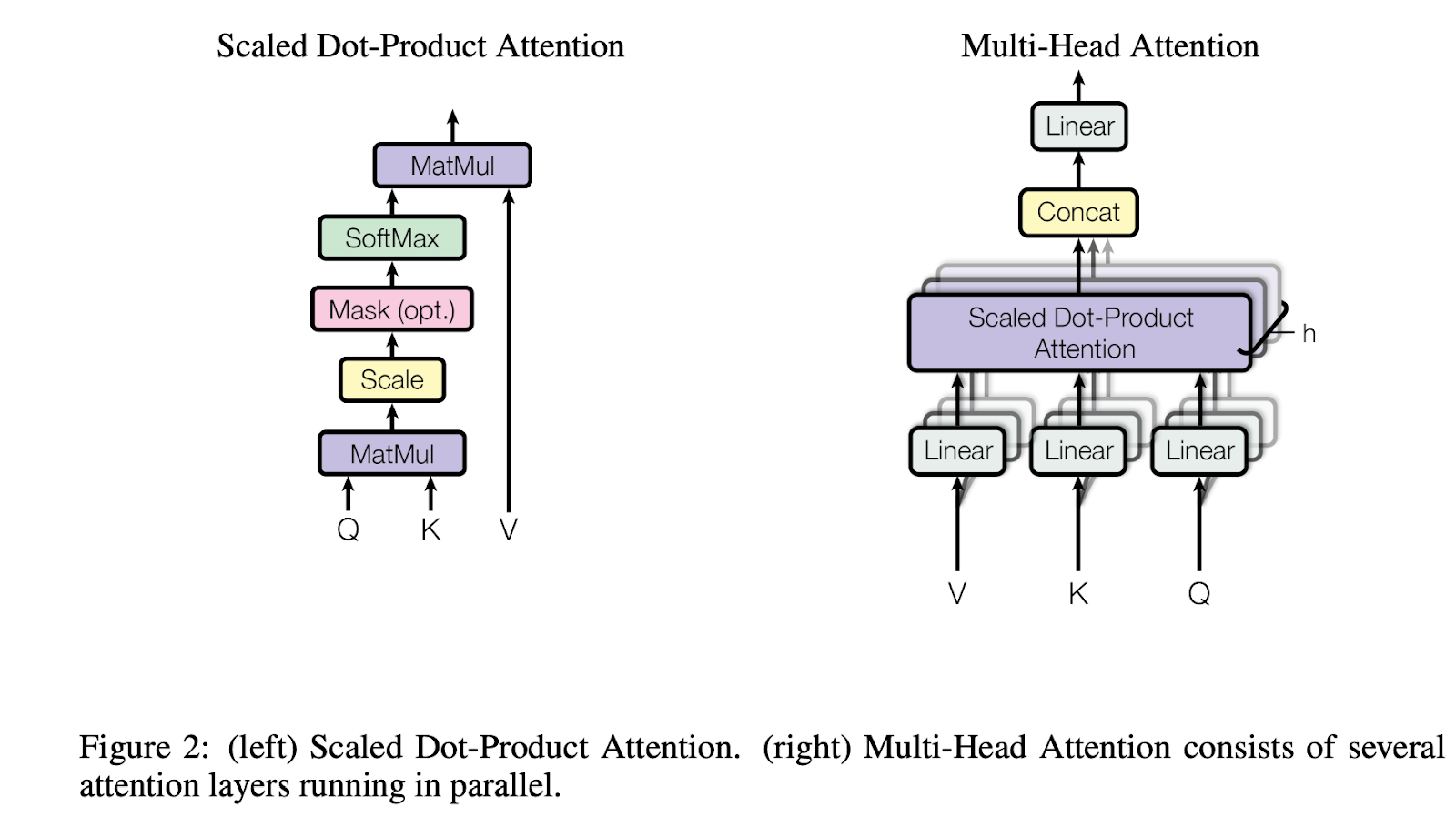
Self-attention lets each token ‘listen' to every other token to figure out what matters most. Imagine a dynamic group chat where every word weighs its peers to build context[2].
🧵 3/5
Multi-head attention runs several parallel group chats at once, each focusing on different relationships. And residual stacks add original info back in, keeping the conversation stable as it evolves[4].
🧵 4/5

Transformers excel at grasping vast contexts and learning deep language patterns, yet they can be resource-intensive and sometimes struggle with complex composition. Pretraining and scaling help overcome these limits. Which part amazed you most? Share your thoughts[10].
🧵 5/5
Sign Up To Try Advanced Features
Get more accurate answers with Super Pandi, upload files, personalized discovery feed, save searches and contribute to the PandiPedia.