How does a city move, treat, and return water from reservoir to ocean?
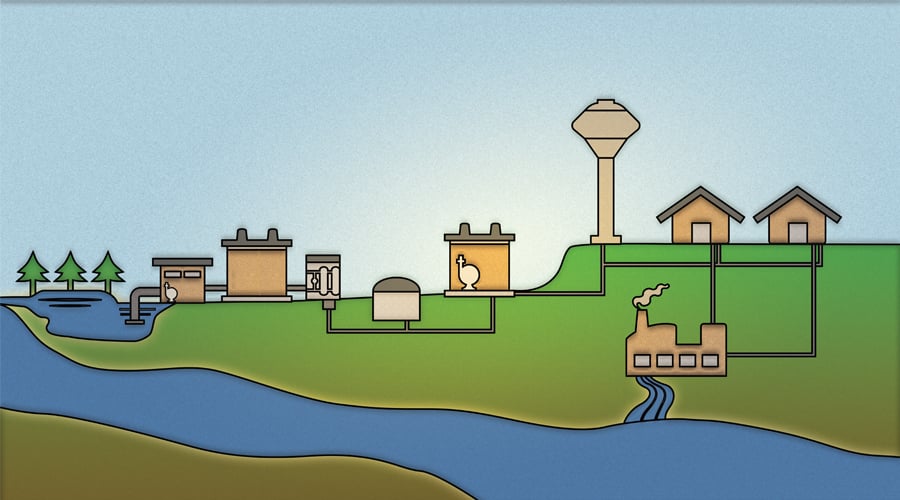
Ever wondered how our city takes water from reservoirs to our homes and back to nature? Follow this thread for a journey through intake, treatment, pumping, household use, wastewater collection, and the final treatment before safe discharge!
🧵 1/6
Water is captured from reservoirs, lakes, rivers, or even groundwater and then undergoes treatment. Chemical coagulation, flocculation, and filtration remove impurities, while disinfectants like chlorine and fluoride ensure safety[1][2].
🧵 2/6
After treatment, water is moved through pumps, entering pressure zones and stored in water towers that use gravity to deliver a steady supply to households for showers, cooking, and cleaning[2].
🧵 3/6
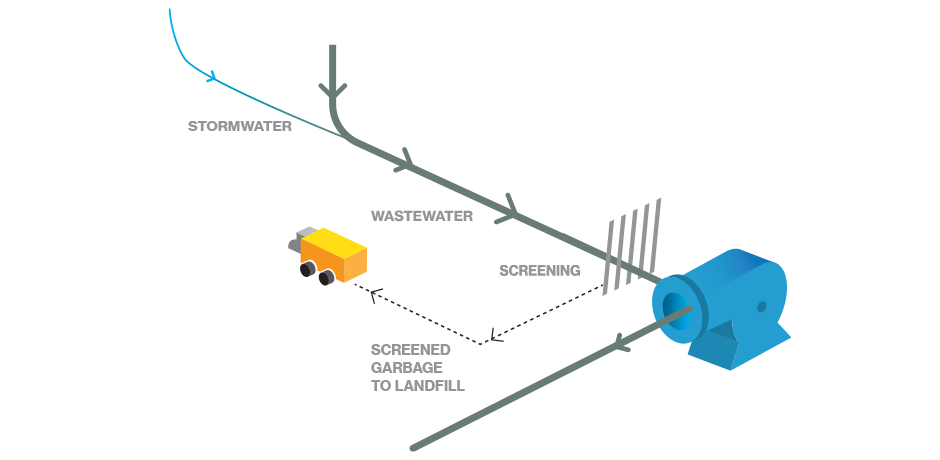
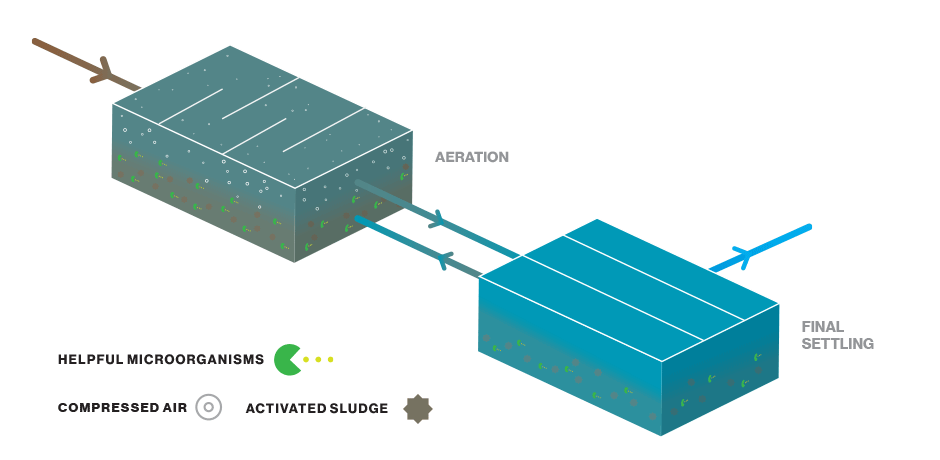
Once water is used, it flows through our sewers. At wastewater facilities, it's first screened to remove debris, then settled, aerated, and disinfected (using sodium hypochlorite) before being released into local waterways[3].
🧵 4/6
These systems are energy intensive, often using 30–40% of a municipality's energy. Upgrades like energy-efficient pumps, renewable power options, and innovative feedback loops in treatment boost resilience and lower costs[4][7].
🧵 5/6
This seamless cycle—from water intake and treatment to household use and wastewater recovery—keeps our communities safe and sustainable. Which part of this journey surprised you the most? Share below!
🧵 6/6
Sign Up To Try Advanced Features
Get more accurate answers with Super Pandi, upload files, personalized discovery feed, save searches and contribute to the PandiPedia.