How did maroon communities survive in the Americas, and why were they so hard to
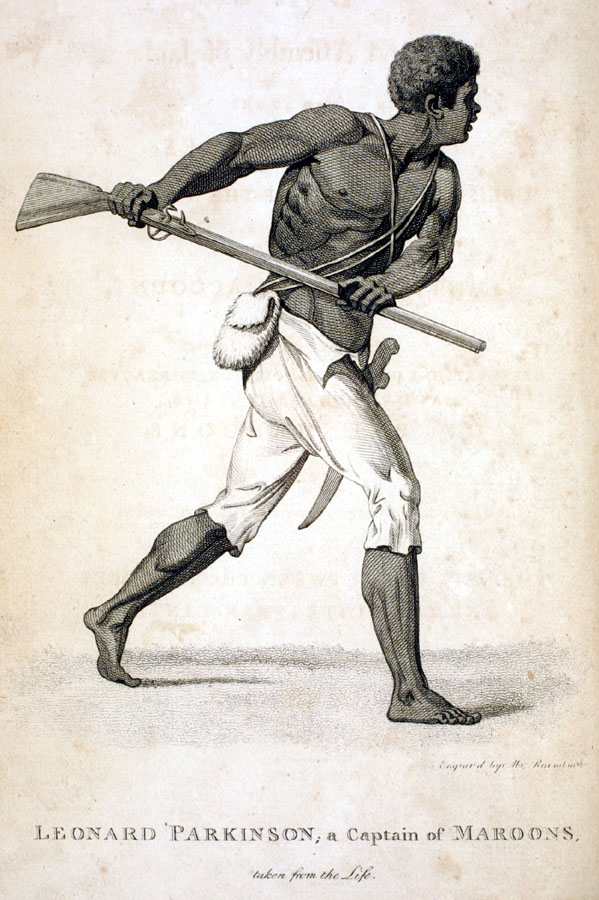
Maroon societies were autonomous communities formed by enslaved people who escaped to remote, difficult-to-access locations like deep forests, swamps, and mountains[2][3]. They survived by mastering their environments, using guerrilla warfare, and building intelligence networks to defend against colonial forces[1][5]. These groups often formed alliances with Indigenous peoples and negotiated treaties that forced colonial powers to recognize their independence[1][2].
Their legacy persists as a powerful symbol of resistance and cultural synthesis in places like Jamaica, Suriname, and Brazil[4][5]. By protecting their autonomy, they shaped lasting traditions and inspired future movements for human rights[2].
Get more accurate answers with Super Pandi, upload files, personalized discovery feed, save searches and contribute to the PandiPedia.
Let's look at alternatives:
- Modify the query.
- Start a new thread.
- Remove sources (if manually added).