The Influence of Charity on Early Coast Lighting
The Role of Christian Charity in Early Coast Lighting

In early times, marking dangerous reefs and guiding mariners safely into port was primarily the work of Christian charity[1]. These charitable acts were among the many useful roles that the Church fulfilled when no one else was available to carry them out[1]. Bells on rocks, marks on shoals and sands, and beacon lights were maintained by the great monasteries or their offshoots in England[1]. These beacon lights, though dim and uncertain, were the direct ancestors of the modern lighthouse[1]. This system of using lights to warn mariners existed long before Christianity, with civilizations such as the Lybians, Cushites, Romans, Greeks, and Phoenicians employing similar methods[1].
Ancient Lighthouses and Their Origins
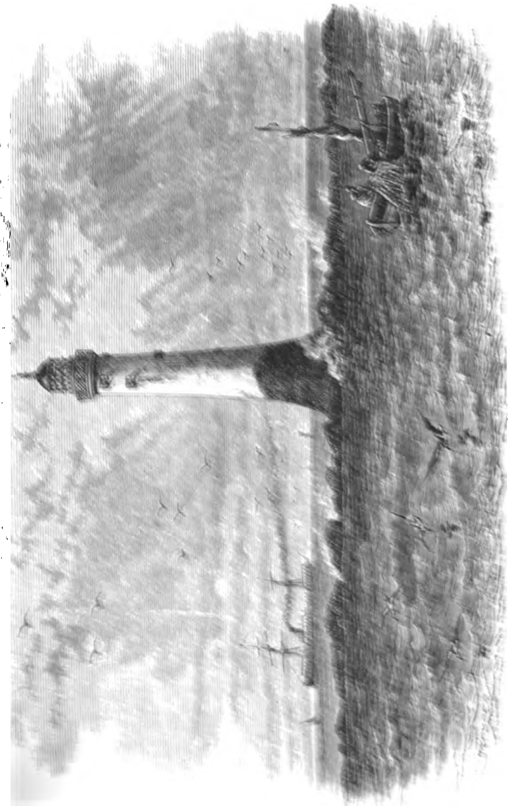
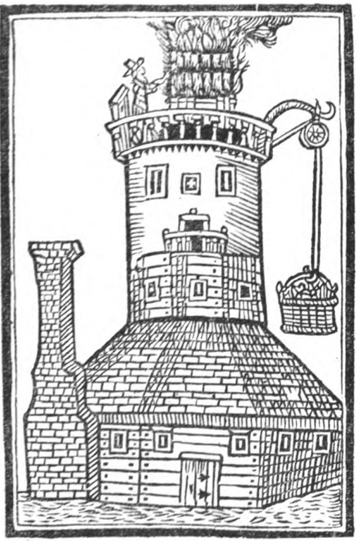
Ancient civilizations protected navigation through lighthouses, which were high columns with fires of wood in open grates or lamps lit by oil placed on their summits[1]. These structures were similar in style, though smaller in scale, to the tower of white marble erected at Alexandria by Ptolemy Philadelphus[1]. This tower, built nearly three centuries before Christ, cost around £170,000 of our money[1]. Despite differing opinions on who financed this project, evidence points to Ptolemy as its projector[1]. The architect, Sostratos of Guidos, inscribed his name on the tower but concealed it under a layer of cement, desiring perpetual recognition[1]. Time revealed his inscription, acknowledging his skill in benefiting sailors and travelers[1].
Transition to Religious Office in Coast Lighting

While the concept of warning signals predates Christianity, the focus shifts to England, where there is little evidence of lighthouses before the Roman occupation[1]. Following the decline of Roman power, lighthouses likely fell into ruin and were not revived until Christianity firmly established itself, teaching charity toward fellow men[1]. By the 14th century, monks and hermits in England and other maritime parts of Europe warned mariners of dangers around monasteries or hermitages using lights maintained during darkness[1].
Examples of Mediaeval Religious Coast Lighting
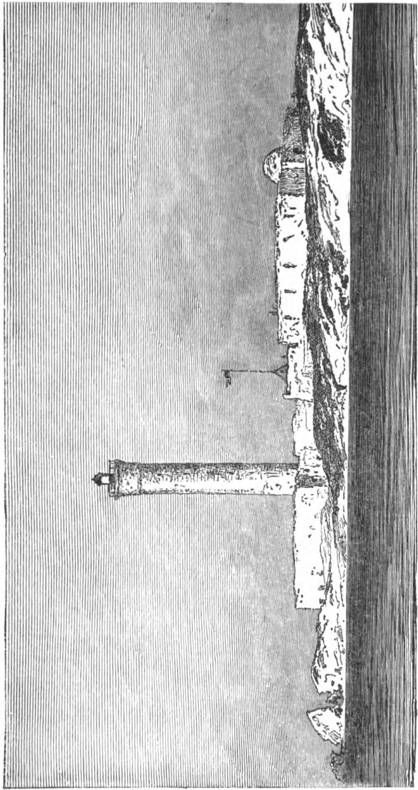
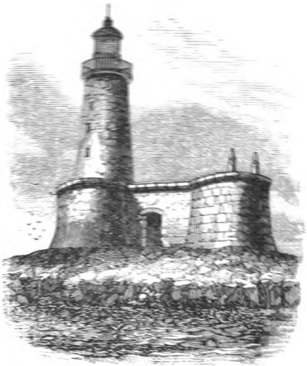
On the largest of the Ecrehou rocks, a hermitage or priory existed in 1309, served from the Norman abbey of Val Richer[1]. Land in Jersey supported two monks who sang masses for shipwrecked souls and kindled a bright light nightly[1]. Ruined chapels on rocky crags or headlands likely served as lighthouses for mariners of old[1]. The maintenance of sea lights was a religious office in medieval England[1]. From the hermitage chapel on Chale Down, a light had been kept nightly by monks for over five hundred years[1]. In 1427, a hermit at Ravenspurn built a lighthouse to warn vessels entering the Humber[1]. Additionally, the priests of St. Nicholas chapel in Ilfracombe maintained a fire of wood throughout the winter, guiding ships into port[1].
Religious Guilds and Dissolution of Monasteries

In one instance, coast lighting was performed by a religious guild, the Brethren of the Blessed Trinity of Newcastle-upon-Tyne[1]. In 1537, Henry VIII entrusted this guild with the navigation of the Tyne, including building and maintaining two towers with lights[1]. Prior to the religious changes in Henry VIII’s reign, coast lighting was a work of Christian charity[1]. Traditions associate towers or steeples of parish churches on the coast with having once been lighthouses, such as Blakeney in Norfolk and Boston[1]. The dissolution of the monasteries swept away the men who tended these coast lights and confiscated the property that maintained them[1]. Leland found few coast lights remaining after the dissolution[1].
Post-Reformation Coast Lighting

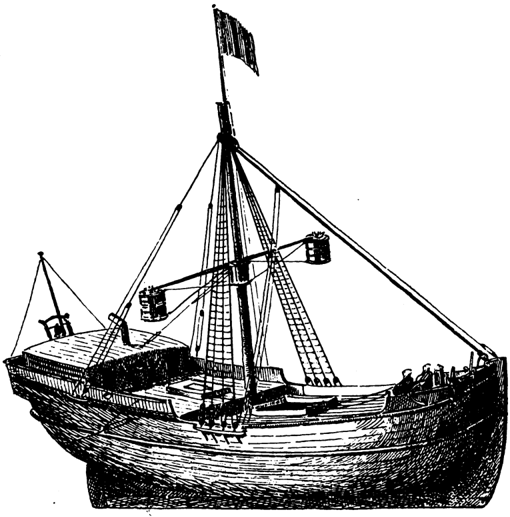
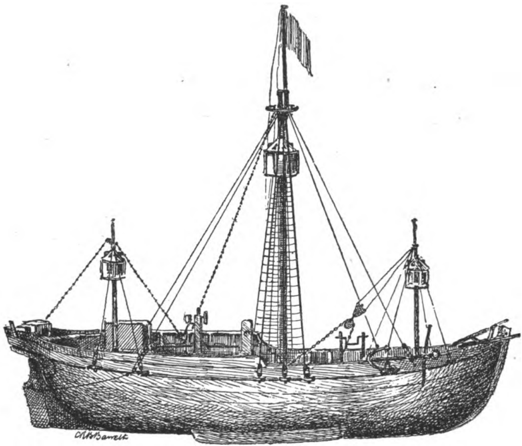
The coast was well lit prior to the dissolution, with lighthouses of some kind not uncommon[1]. The writer of The Pilgrimage of Perfection in 1526 speaks of the beacon directing the mariner to port, suggesting the importance of these lights[1]. After the dissolution, most of these lights were extinguished[1]. The lack of lighthouses was keenly felt by sailors who then began to pay for the service[1]. One of the earliest post-reformation lighthouses suggested was that at Winterton in 1585, proposed to be maintained upon the steeple and supported by contributions[1].
Get more accurate answers with Super Pandi, upload files, personalized discovery feed, save searches and contribute to the PandiPedia.
Let's look at alternatives:
- Modify the query.
- Start a new thread.
- Remove sources (if manually added).