100

How Art Deco Made Luxury Look Reachable

Art Deco did not make Ruhlmann affordable. It made luxury's visual language travel: from ebony, ivory, lacquer and gilded bronze to goods designed for wider production.[1][2].

  • Ruhlmann Inspired Drinks Cabinet 1
🧵 1/5

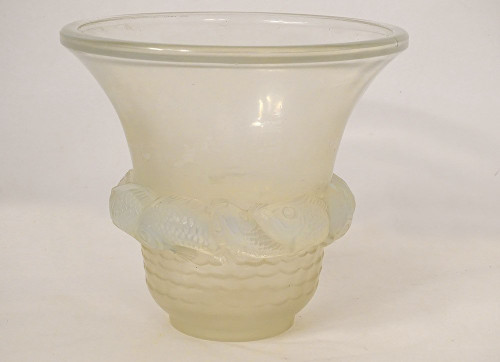
René Lalique shows the bridge. Moulds made his glass reproducible in series, while hand finishing preserved tactile relief, luminous surfaces and refined geometry. This was industrial luxury, not bare utility.[3][4].

  • René Lalique Moulded Opalescent Glass Vase Piriac Poissons Model 20th Century
🧵 2/5

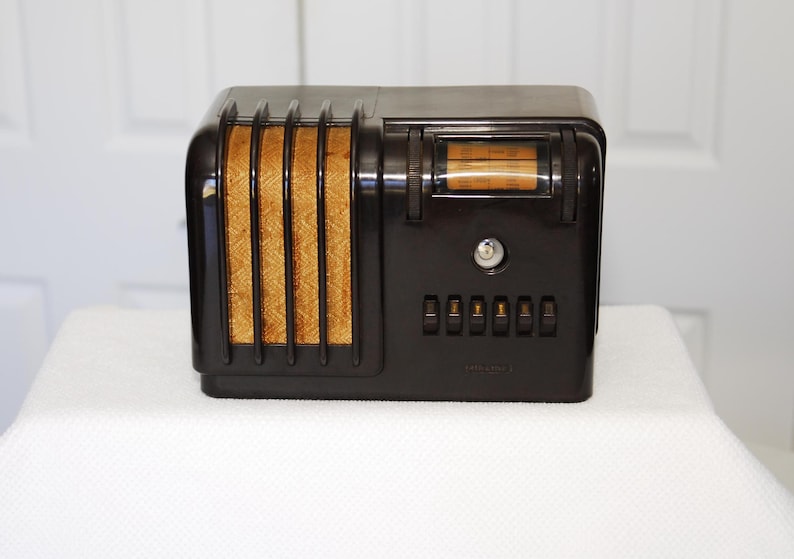
Then Deco entered daily life. Radios, vacuum cleaners, clocks and ashtrays received artistic treatment. Bakelite radios turned technology into part of the home's visual language, while practical goods became polished expressions of modern life.[5][6][7][8].

  • May include: Vintage Art Deco bakelite radio.  Features a dark brown bakelite cabinet, gold-toned fabric grill cloth, and a row of tuning knobs.  The radio has a classic design aesthetic, showcasing Art Deco style.  The front panel displays a tuning dial and station selector buttons.  This antique radio is a collectible item for enthusiasts of vintage electronics and mid-century modern design.
🧵 3/5

The promise was real: affordable materials such as aluminum, chrome-plated steel and Bakelite helped high-style design reach a wider public. But elite furniture still used rare materials and painstaking craft, and many Deco pieces were made in small numbers.[9][10][11].

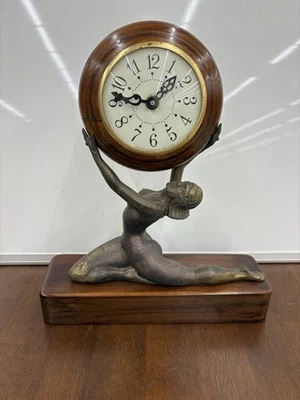
  • 1930s Art Deco Nude Mantel Clock. Electric  Clock Replaced With Batteries - Image 1 of 4
🧵 4/5

So did visual quality become democratic access? Yes, but only in a limited sense. More people could encounter the look of luxury in useful objects. Unequal purchasing power and elite handcraft remained. Deco widened aesthetic access, not economic equality.[12][13][14].

🧵 5/5