How can a heat pump warm your house using cold outdoor air?
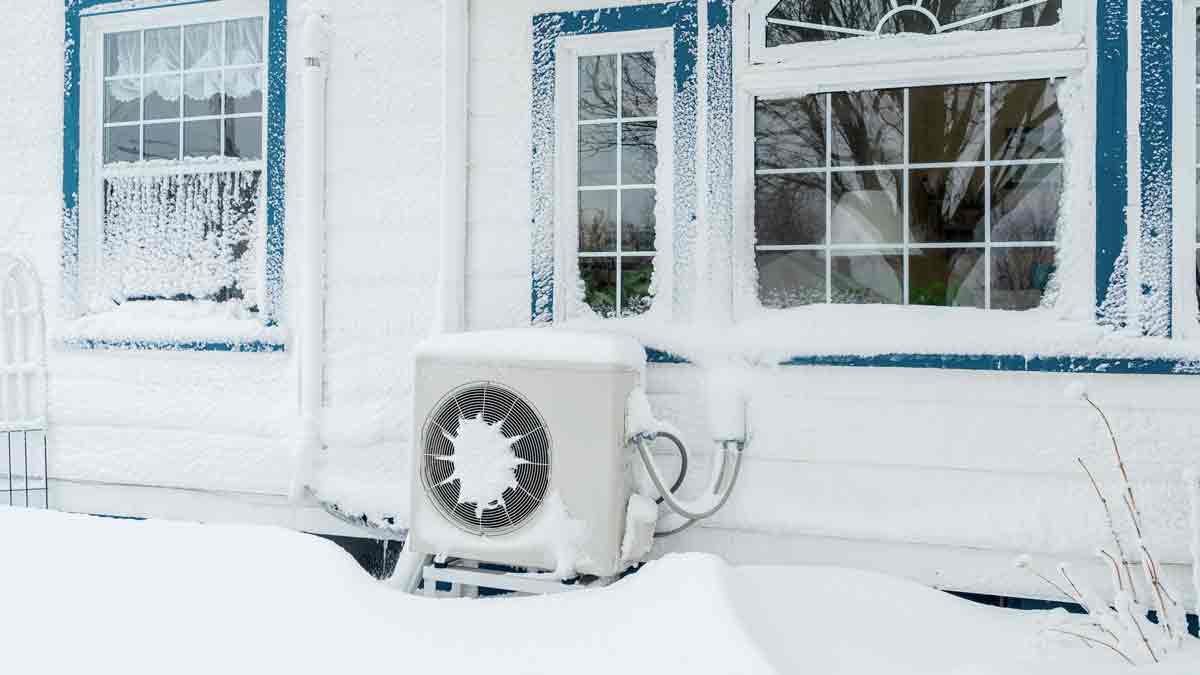
A heat pump warms your house by utilizing a refrigeration cycle, which consists of four main steps: evaporation, compression, condensation, and expansion. First, the refrigerant absorbs heat from the outdoor air in the evaporator, even when it's cold outside. This causes the refrigerant to evaporate into a gas. Next, a compressor increases the pressure and temperature of this gas. The hot gas then moves to the condenser, where it releases heat into your home as it changes back into a liquid. Finally, the refrigerant expands through a valve, decreasing its pressure before circulating back outside to repeat the cycle[6].
Today's cold-climate heat pumps are designed to function efficiently even below freezing, thanks to advancements like variable-speed compressors and improved defrost controls. These features allow the pump to maintain performance when outdoor temperatures drop, although efficiency may decrease slightly as temperatures fall[1][5].
Get more accurate answers with Super Pandi, upload files, personalized discovery feed, save searches and contribute to the PandiPedia.
Let's look at alternatives:
- Modify the query.
- Start a new thread.
- Remove sources (if manually added).