Discover Pandipedia
A growing directory of useful answers selected by the Pandi community. Search the collection or browse the latest discoveries.
3438 entries available
Which country leads in industrial robot installations?
Let's look at alternatives:
- Modify the query.
- Start a new thread.
- Remove sources (if manually added).
Cultural Variations in Humor

Humor is a universal human phenomenon; however, its perception and usage vary significantly across different cultural contexts. Understanding these disparities can provide insights into how humor operates within social dynamics, individual identity, and coping mechanisms.
Cultural Perception of Humor

The perception of humor often diverges sharply between Western and Eastern cultures. Research indicates that Westerners typically regard humor as a positive trait, associating it with attractiveness and self-actualization. For instance, humorous people are often viewed as more motivating, creative, and capable[2][3]. In contrast, Easterners, particularly those influenced by Confucian values like many Chinese, tend to hold a more ambivalent view of humor, regarding it as suitable primarily for experts rather than as a universal social trait. Many Chinese individuals perceive humor as potentially undermining their social status, thus feeling that humor should be exhibited with restraint[1][3][7].
This cultural dichotomy also reflects in how individuals evaluate humor behaviors. For Westerners, humor is often seen as essential in various interpersonal contexts. Conversely, Easterners might associate humor with serious implications and choose to reserve laughter and humor for specific, often private, contexts rather than public displays[4][8]. Judge John C. H. Wu’s remark summarizes this difference: “whereas Westerners are seriously humorous, Chinese people are humorously serious”[1][2].
Humor Usage Across Cultures

The way humor is utilized also varies significantly. In Western cultures, humor acts as a coping strategy, often employed to manage stress and navigate life’s difficulties[4][6]. Studies show that individuals living in Western societies are more likely to use humor as a defense mechanism against negative emotions, facilitating stress relief and enhancing social bonding[2][3][6]. In contrast, Eastern cultures tend to use humor less frequently as a coping mechanism. For example, research indicates that Japanese, Chinese, and Singaporean students are less likely to utilize humor in stressful situations compared to their Western counterparts[1][3].
The classification of humor styles further amplifies these cultural differences. Although humor can generally be categorized into four styles—affiliative, self-enhancing, self-defeating, and aggressive—Eastern cultures predominantly favor more adaptive forms of humor like affiliative and self-enhancing humor[5][7]. In contrast, Western cultures exhibit a higher tendency towards using maladaptive humor styles, particularly self-defeating and aggressive humor[3][7].
The Role of Language in Humor

Language plays a critical role in the expression and appreciation of humor; however, what is humorous in one culture may not be understood—or appreciated—in another. For instance, humor in Chinese often relies on linguistic nuances and wordplay that may be lost in translation, making it particularly challenging for individuals outside the culture to grasp[4][8]. The use of puns and context-dependent humor are prevalent in Chinese culture, yet these mechanisms can create barriers for non-native speakers[6][8]. This complexity leads to the saying, “Humor doesn’t travel,” which reflects the difficulties of communicating humor across cultural divides[1][3].
Psychological Implications and Well-being
The implications of humor extend beyond social interactions, affecting psychological well-being. Research highlights that both Westerners and Easterners can benefit from humor, but the effects manifest differently due to cultural contexts. While adaptive humor styles such as affiliative humor promote mental health and are positively correlated with life satisfaction in both groups, maladaptive styles tend to yield negative outcomes, especially in Eastern cultures[2][6][7].
Moreover, the research illustrates that humor styles are not only related to cultural attitudes but also to individual traits such as self-esteem and coping mechanisms. Westerners, for instance, often associate higher self-esteem with the use of adaptive humor[2][3]. In contrast, Easterners may find their coping humor strategies less impactful due to the cultural stigma associated with humor and playfulness, which underscores challenges in promoting mental health through humor in these contexts[4][8].
Conclusion
In summary, humor represents a complex interplay between cultural norms and individual behavior. The contrasting views on humor between Western and Eastern societies underscore the importance of context in humor appreciation and usage. While humor can be a unifying and adaptive force, it is also deeply influenced by cultural values, linguistic nuances, and social structures that shape its expression and significance in daily life. Understanding these cultural variations can enhance intercultural communication and foster deeper connections across diverse populations.
Let's look at alternatives:
- Modify the query.
- Start a new thread.
- Remove sources (if manually added).

Create your account to shape this feed around what you search for and enjoy.
Getting Started with an At-Home Exercise Routine
:max_bytes(150000):strip_icc()/Easy-workouts-for-beginners-3496020-FINAL-a0968ffe619d4933ae66d841e70f7387.gif "Easy Workouts For Beginners to Do at Home")
Beginning an exercise routine at home can be a simple yet effective way to improve your health and fitness. Here are several tips and insights for beginners looking to make this journey more manageable and enjoyable.
Choose Simple Workouts

You don't need to engage in long or complex workouts to see benefits. Beginner workouts can yield real results without requiring expensive equipment or elaborate plans. Simple exercises that utilize your body weight can effectively improve fitness, boost confidence, and increase energy levels. Starting with just a few minutes of exercise daily can lead to noticeable improvements in your fitness over time[1][4].
Consult Your Healthcare Provider
Before starting any new exercise program, especially if you have a prior health condition such as diabetes or heart issues, it's essential to consult with a healthcare provider. They can help you understand necessary modifications to ensure safety during your workouts[1].
Set Manageable Goals
Establishing a clear, attainable goal is crucial. Consider formulating a SMART goal—one that is specific, measurable, attainable, relevant, and time-bound. Writing it down and placing it where you can see it regularly will help keep you accountable and committed to your fitness journey[1].
Incorporate Everyday Movements
Everyday activities can be used to create a workout. For instance, movements like getting in and out of a chair or walking up and down stairs can improve strength, balance, and flexibility[1]. These activities can be repeated for a quick, effective workout session that fits seamlessly into your daily life.
Home Circuit Workout
Once comfortable with basic movements, you can create a simple circuit workout at home. Combine exercises like:
Chair Sit-to-Stand: Repeatedly sit down and stand up from a chair.
Stair Walking: Go up and down stairs for cardiovascular and strength benefits.
Floor Transitions: Practice getting up and down from the floor to enhance coordination and strength.
Doing each movement several times in a sequence can emulate a structured workout without requiring a gym visit[1][3].
Maximize Household Chores
You can easily turn household chores into a workout. Activities like sweeping, vacuuming, or even gardening can increase your heart rate and engage various muscle groups. For example, sweeping utilizes your core and oblique muscles, making it a great way to sneak in exercise while accomplishing chores[1][3].
Bodyweight and Flexibility Exercises

Bodyweight exercises are especially beneficial as they require no equipment and can be modified to various skill levels. Some easy and effective options include:
Bridges: Lie on your back with knees bent, and lift your hips to engage the glutes.
Modified Push-ups: Begin on your knees and lower your body toward the floor to build upper body strength.
Squats: Start with your back against a wall or a chair to master your form before progressing to freestanding squats.
These exercises can be scaled in intensity as fitness progresses. Aim for two to four times a week, performing 10 to 15 repetitions of each exercise with breaks in between[3][4].
Warm-Up and Cool Down
Always incorporate a warm-up and cool-down routine. Dynamic warm-ups can include simple movements like jogging in place, jumping jacks, or arm circles to prepare your body for exercise and prevent injury. Post-workout stretching is equally important to aid recovery and improve flexibility[2][3].
Social Support and Community
Engaging family and friends in your fitness journey can provide motivation and support. Sharing your goals with others enhances accountability, making it easier to stick to the program. Additionally, consider online communities for tips, workout plans, and encouragement from like-minded individuals[1][4].
Stay Consistent and Progress Gradually
Listen to your body and allow for rest days, as strength is built during recovery periods. Follow a pattern such as strength training followed by cardio or flexibility work on alternating days to maintain a balanced routine[2][4]. Progress should be gradual; as you grow more comfortable with basic movements, start to increase repetitions or introduce more challenging variations.
In summary, starting an exercise routine at home can be straightforward. By focusing on simple movements, setting realistic goals, and consistently engaging in various exercises, beginners can successfully enhance their fitness and overall well-being. With determination and the right approach, anyone can enjoy the journey to better health from the comfort of their home.
Let's look at alternatives:
- Modify the query.
- Start a new thread.
- Remove sources (if manually added).
The Role of Innovation in Driving Business Growth

Innovation stands as a pivotal strategy for businesses aiming to achieve growth and adaptability in a rapidly changing marketplace. Its significance is particularly highlighted in light of recent disruptions, such as those brought by the COVID-19 pandemic. Organizations that embrace innovation effectively can not only enhance their product offerings but also fundamentally reshape their operations to meet evolving consumer demands.
Understanding Innovation
At its core, innovation encompasses the implementation of new ideas, products, services, or processes that yield significant improvements in performance, utility, or customer satisfaction. This concept is divided into two categories: sustaining innovation, which enhances existing products for current customers, and disruptive innovation, which creates new markets or significantly alters existing ones[2]. Both types of innovation play critical roles in a company's growth strategy.
Business Growth Through Innovations

According to McKinsey, leading organizations that prioritize innovation tend to report substantial benefits. Their latest studies indicate that companies with strong innovation cultures are more successful at scaling their digital transformation efforts than those with weaker cultures. In essence, organizations that embrace innovation are more likely to invest in research and development (R&D), which, in turn, leads to the creation of new products and services that can attract new customers and retain existing ones[1][3].
Cultivating an Innovative Culture

Key to leveraging innovation for growth is fostering a culture that encourages creativity and experimentation. A McKinsey report emphasized that companies need to create an environment where failure is seen as a learning opportunity, rather than a setback. This means providing psychological safety for employees to experiment without fear of repercussions. Companies that successfully implement this culture see higher rates of innovation and advantageous business outcomes. For example, organizations fostering an innovation culture reported being ten times faster at developing new products compared to their less innovative counterparts[1][8].
Moreover, Korn Ferry highlighted that organizations that invest in R&D are better positioned to continue evolving their offerings, facilitating deeper connections with consumers and thus driving growth[11]. An organization’s commitment to innovative practices not only enhances its market position but also cultivates a resilient workforce ready to tackle unforeseen challenges through innovative solutions.
Technology as a Catalyst for Innovation

In the current digital age, technology serves as a critical enabler of innovation. McKinsey noted significant advancements with generative AI and other cutting-edge technologies being adopted across sectors. Such tools allow companies to capture data and respond to market changes swiftly, strengthening their competitive edge[1].
Companies that lead in innovation usage are not just adopting technology; they are integrating it into the very fabric of their operations. This integration supports data-driven decision-making, enhancing the overall strategic and operational effectiveness of the organization. Top innovators tend to focus their technology investments on areas that result in the highest business impact, such as enhancing competitive differentiation and operational sustainability[8].
Strategies for Embedding Innovation into Business Models
To harness the full potential of innovation, companies must align their strategies closely with their innovation goals. One emerging finding from successful firms is that setting clear, measurable innovation objectives tied directly to business growth can be a game changer. This ensures that all teams understand their roles in the innovation process and see its direct correlation to their performance[10].
Five actionable steps have been identified to integrate strategy into the innovation process:
Set high but achievable aspirations that are aligned with business goals.
Translate these aspirations into actionable steps and clarifications throughout the organization.
Foster an inclusive culture that encourages input at all levels, including frontline employees who understand customer needs best.
Measure and recognize innovation efforts across the organization to ensure continuous improvement and motivation.
Embrace failure as a learning tool, refining processes and timelines to enhance future innovation initiatives[4][10].
The Impact of External Support on Innovation

Research indicates that external support—such as government programs, financial assistance, and educational resources—greatly benefits small and medium enterprises (SMEs) during times of crisis. For instance, a study found that SMEs leveraging external support were better positioned to innovate and, thus, improve their performance and survival rates[9]. This external assistance translates into enhanced capabilities for firms, allowing them to explore new markets and innovate more effectively in response to challenges.
Conclusion
The relationship between innovation and business growth is undeniable. Organizations that prioritize creating an innovative culture, effectively leverage technology, and align their strategies with clear innovation goals are more likely to thrive and adapt to changing market conditions. As demonstrated through various case studies and research findings, these practices not only foster growth but also help organizations navigate uncertainties in today's dynamic environment. By embedding innovation deeply into their operational frameworks, companies can continue to leverage new ideas and technologies to fuel sustainable growth.
Let's look at alternatives:
- Modify the query.
- Start a new thread.
- Remove sources (if manually added).
Effective Strategies for Remote Team Management
Overview and Remote Work Challenges
Remote work has now become a standard operating method for organizations worldwide. Leaders are managing teams spread across multiple time zones, cultural backgrounds, and varied home environments. Research and expert insights indicate that the challenges in managing remote teams include communication gaps, isolation, unclear expectations, and difficulties in maintaining a strong team culture[1][2][10]. These challenges make it essential for managers to adopt strategies that not only sustain productivity but also foster collaboration and trust.
Establishing Clear Communication Protocols

Clear and consistent communication is the backbone of successful remote teams. Managers are advised to establish structured communication channels by choosing the right tools—such as instant messaging apps, video conferencing, and email—to suit different needs[6][11]. For example, using dedicated video calls for daily check-ins and using written channels for status updates helps ensure that all team members are aligned with company priorities. Experts emphasize that over‐communicating key updates and expectations prevents misunderstandings since nonverbal cues are lost when working remotely[18][21]. Managers should set guidelines on response times, preferred platforms, and clear agendas for virtual meetings to create an environment where every member feels informed and valued.
Goal Setting and Performance Management
Outcome-based planning is essential when physical supervision is not possible. Remote work demands clear definition of roles, responsibilities, and measurable outcomes such as Key Performance Indicators (KPIs) instead of merely monitoring hours[4][20]. Leaders are encouraged to conduct regular one-on-one check-ins and schedule performance reviews that focus on results, transparency in progress, and constructive feedback[7][19]. Setting SMART goals and clarifying expectations early on enables remote employees to work autonomously while still knowing how their individual contributions relate to the overall objectives of the organization.
Leveraging Technology and Collaboration Tools


Investing in the right technology is fundamental to overcoming remote work challenges. Modern collaboration tools such as Slack, Microsoft Teams, Zoom, and project management solutions like Trello, Asana, and Notion enable teams to coordinate seamlessly across distances[3][12][15]. These tools support real‐time meetings, asynchronous communication, file sharing, and workflow management. Additionally, analytics and time-tracking software help managers gauge productivity without resorting to micromanagement. By shifting from activity monitoring to outcome measurement, organizations can better support and empower remote teams[5][11].
Building Trust and a Strong Team Culture

Trust and team culture are critical in remote environments where informal office interactions are missing. Leaders should focus on transparency and consistent messaging that reinforces the company’s mission and values[9][16]. Techniques include regular virtual team-building activities, socializing opportunities like virtual coffee chats, and recognition programs to celebrate individual and collective achievements. Fostering an atmosphere of psychological safety—where employees feel confident to share ideas without fear of negative consequences—is essential for building long-term team loyalty and high performance[10][16]. Moreover, engaging new hires through detailed onboarding processes that include personal introductions and buddy systems further strengthens a sense of belonging.
Conducting Effective Meetings and Feedback Sessions
Virtual meetings should be well-structured, engaging, and timely. Leaders are encouraged to hold brief daily or weekly progress meetings and scheduled one-on-one sessions to provide clarity on goals and discuss any impediments faced by team members[7][13]. Effective meetings allow managers to capture action items, provide immediate feedback, and help remote workers feel connected to the broader team. In addition, incorporating digital tools to record meeting notes and capture follow-ups ensures that important details are not lost in translation. Regular feedback loops, both formal and informal, can help identify issues early and pave the way for iterative improvements in communication practices[8][19].
Maintaining Work-Life Balance and Employee Well-Being
Remote work can blur the boundaries between personal and professional lives, which may lead to burnout if not managed properly. Best practices suggest that managers support flexible scheduling, encourage regular breaks, and respect off-hours to promote a healthy work-life balance[14][17]. By offering mental health resources and holding informal virtual team-building events, organizations demonstrate that they value employee well-being. In addition, setting clear guidelines about working hours and respecting employees’ personal time builds trust and prevents the negative effects of overwork.
Conclusion
Effective remote team management demands a comprehensive approach that integrates structured communication, outcome-based performance management, reliable technology tools, and strong initiatives to build trust and a positive work culture. Leaders who set clear expectations, invest in the right technology, and nurture employee development while creating an environment where team members feel connected and supported will see improved productivity and better long-term results. By continuously gathering feedback and adapting processes, organizations can refine their strategies and succeed in a remote work landscape that is now the norm[1][4][10][15][19][22].
Let's look at alternatives:
- Modify the query.
- Start a new thread.
- Remove sources (if manually added).

Factors Influencing Olympic Success

The performance of countries in the Olympic Games is influenced by a multitude of factors, including economic resources, social contexts, governance, athlete development, and historical performances. Analyzing the data and trends from the Paris 2024 Olympics offers valuable insights into what drives success in this global sporting spectacle.
Economic Development and Resources

A significant factor that dictates a nation's success at the Olympics is its economic development. Wealthier nations generally secure a distinct advantage, winning a disproportionate share of Olympic medals compared to developing countries. This trend was evident in the 2024 Summer Olympics, where the top ten countries captured 63% of the available medals, underscoring how economic resources facilitate better training facilities, professional coaching, and comprehensive support systems for athletes[3].
Countries with greater GDPs can allocate larger budgets to sports infrastructure, which often results in enhanced training environments. For instance, nations prioritizing investment in sports and athlete development programs tend to see more successful outcomes. The United States, with the highest GDP globally, secured 126 medals at Paris 2024, demonstrating how economic stature correlates with Olympic success[1][3].
Athlete Development Programs

Investment in athlete development also plays a crucial role. Effective training programs, quality coaching, and access to state-of-the-art training facilities allow athletes to reach their potential. For example, the Olympic Solidarity program provided funding and training support for numerous athletes from different countries, improving their chances of success in the Olympics[2]. Such initiatives have proven critical, especially for scholarship-holders who won a notable number of medals during these Games[2].
Social Factors and Gender Equality

Social dynamics, including the promotion of gender equality, additionally influence Olympic outcomes. The Paris 2024 Games were notable for achieving full gender parity, with equal participation from male and female athletes. Countries that champion gender equality in sports often see better medal counts, as both male and female athletes receive equal resources and opportunities[2][3]. This approach not only enhances performance but also fosters a more inclusive sporting culture.
Historical Context and Population Size
While economic factors are pivotal, history and traditional strengths in specific sports contribute to a country’s Olympic success. For instance, countries like Japan and the USA have consistently performed well due to established sports traditions and effective governance structures that prioritize sports[5][6]. However, it's important to note that population size does not necessarily correlate with medal success. The analysis post-2024 showed that larger nations sometimes struggle to match the performance of smaller countries with fewer resources but targeted athlete development[1][3].
Developing countries such as Saint Lucia, which won its first Olympic medal at Paris 2024, illustrate that success can emerge even against economic challenges when strategic investment in sports is made. Athletes from these nations often excel in specific sports, demonstrating that determination and focused development can equal Olympic glory, regardless of a country’s economic status[3][4][10].
The Impact of Political and International Contexts

Political stability and governmental support for sports can also influence Olympic performance. The absence of Russian athletes during the Paris Games due to geopolitical tensions reshaped the competitive landscape, allowing other nations to seize opportunities that might not have been available otherwise[6][9]. Such changes highlight the importance of international relations and policies in determining which nations can effectively compete at the Olympics.
Record-Breaking and Success Stories
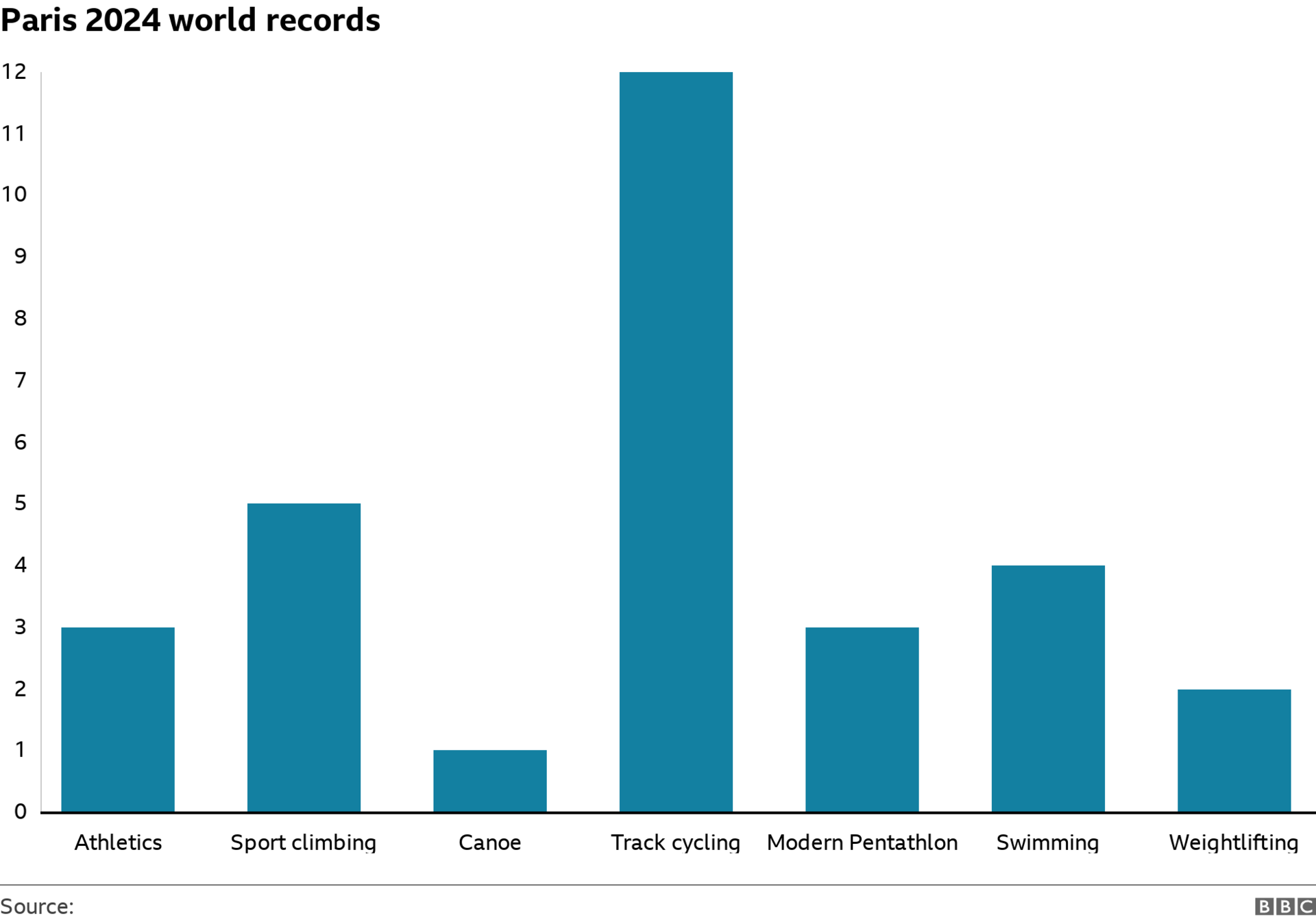
The Paris 2024 Olympics saw numerous records broken across various sports, evidencing a high level of competition and talent. Athletes like Leon Marchand of France shone brightly, securing multiple gold medals and setting new records, which not only brought success to his nation but also highlighted the effectiveness of the athlete development programs in place[5][10]. Similarly, the achievements of some nations in specific sports, such as wrestling and boxing, demonstrate how focused training initiatives can result in notable successes despite the broader economic context[3].
Conclusion
The intersection of economic resources, athlete development programs, social equality, historical context, and political situations create a complex environment that impacts a nation's Olympic success. While wealthy nations generally dominate the medal counts, exceptional performances from smaller or developing countries remind us that with strategic investment and focused efforts, Olympic success can be achieved by nations across the economic spectrum. Moving forward, understanding these factors will be crucial for policymakers and sports federations aiming to foster sporting excellence on a global scale.
Let's look at alternatives:
- Modify the query.
- Start a new thread.
- Remove sources (if manually added).
Create your account to shape this feed around what you search for and enjoy.
What’s trending in dessert styles now?
Let's look at alternatives:
- Modify the query.
- Start a new thread.
- Remove sources (if manually added).
Digital Innovations in Vehicle Booking
Let's look at alternatives:
- Modify the query.
- Start a new thread.
- Remove sources (if manually added).
Enhancing Soil Health: Strategies for Better Growth

Improving soil health is crucial for boosting plant growth and sustaining a productive garden or farm. Healthy soil provides essential nutrients, retains moisture, and supports a diverse ecosystem of microorganisms and organisms that are vital for plant health. Here are effective strategies to enhance soil health based on various expert sources.
Importance of Organic Matter

Adding organic matter such as compost or well-rotted manure is one of the most effective techniques to improve soil health. Organic matter enhances soil structure, regulates water retention, and promotes beneficial microbial activity. Compost, which is created from decomposing plant and animal materials, helps increase the nutrient-holding capacity of the soil while improving aeration and drainage[1][5][6].
When incorporating organic matter, it is advised to add a minimum of a 5 cm layer over the surface before digging or forking it into the soil[2]. This approach not only improves soil fertility but also increases the diversity of soil microorganisms, which are essential for breaking down organic materials and making nutrients available to plants[6][7].
Utilizing Cover Crops

Cover crops, or green manures, are vital for preventing soil erosion and enhancing soil fertility during the off-season. These crops are grown not for harvest but to be turned back into the soil to add nutrients and organic matter. Legumes, such as clover and beans, are particularly beneficial as they fix atmospheric nitrogen, enriching the soil for future crops[4][5]. Growing cover crops also helps keep the soil covered, minimizing nutrient loss and enhancing moisture retention[2][4].
Soil Testing and Nutrient Management
Regular soil testing is critical to identify nutrient deficiencies and make informed decisions on soil amendments. Essential nutrients for plants include nitrogen, phosphorus, and potassium (known as NPK). Signs of nutrient deficiencies can include yellowing leaves or stunted growth, so understanding soil nutrient levels is key[6][7].
After testing, specific amendments can be applied depending on the deficiency. Organic options like blood meal and fish emulsion can deliver necessary nutrients without the risks associated with synthetic fertilizers[1].
Minimizing Soil Disturbance

Adopting practices that minimize soil disturbance—such as no-dig gardening—can significantly benefit soil health. By leaving the soil undisturbed, the complex network of microorganisms and organic matter can thrive, resulting in healthier and more resilient soil. This approach also enhances the soil's ability to store carbon and retain moisture[4][6][7].
When soil is disturbed through excessive digging or tilling, it can lead to compaction and erosion, negatively impacting its health. Therefore, using compost as a top layer and allowing natural processes to incorporate nutrients is preferable[4][7].
Enhancing Soil Structure

Soil structure is another critical aspect of soil health. Healthy soil should have a balance of sand, silt, and clay, which allows for adequate aeration, drainage, and root penetration. To improve soil structure, practices such as mulching are effective. Mulches help retain moisture, regulate soil temperature, and, as they decompose, add organic matter to the soil[5][6].
Incorporating soil amendments like lime or gypsum can also improve structure. Lime raises soil pH in acidic soils, while gypsum helps with compaction and drainage issues[5].
Promoting Microbial Diversity
Healthy soil is alive with a diversity of microorganisms, which play a critical role in nutrient cycling and maintaining soil fertility. Strategies such as adding compost and organic matter encourage microbial diversity. Similarly, using mycorrhizal fungi can enhance nutrient uptake by forming symbiotic relationships with plant roots[5][6][7].
Improving the soil microbiome can lead to better plant health, more resilient crops, and increased nutrient availability.
Protecting Against Erosion

Soil erosion is a significant threat to soil health, especially in areas with heavy rainfall or wind. Keeping the soil covered with plants or mulches can protect it from erosive forces. Building organic matter through strategies like no-till gardening and using cover crops also helps maintain soil integrity[4][5].
Moreover, employing water management techniques such as swales or rain gardens can help mitigate erosion by managing precipitation runoff and enhancing soil moisture levels[4][5].
Conclusion

Improving soil health is a multifaceted approach that requires attention to organic matter, crop management, soil testing, and ecologically friendly practices. By integrating these strategies, gardeners and farmers can enhance the health and productivity of their soil, contributing to sustainable agricultural practices and a resilient ecosystem. Each small step taken toward better soil management leads to substantial improvements in plant health and overall environmental quality.
Let's look at alternatives:
- Modify the query.
- Start a new thread.
- Remove sources (if manually added).

Latest news on Tuesday, 9th of December 2025





Let's look at alternatives:
- Modify the query.
- Start a new thread.
- Remove sources (if manually added).