AI’s new split: bigger agents, tighter rules
AI just hit a weird new phase: smarter agents, stronger security, and tougher rules are landing at the same time. Here are the latest moves you should know before the noise drowns them out.

Claude’s newest agent stack now includes dreaming, outcomes, multiagent orchestration, and webhooks, so agents can remember patterns, judge their own work, and split complex jobs across specialists[13]. That could make long-running AI workflows far less brittle.
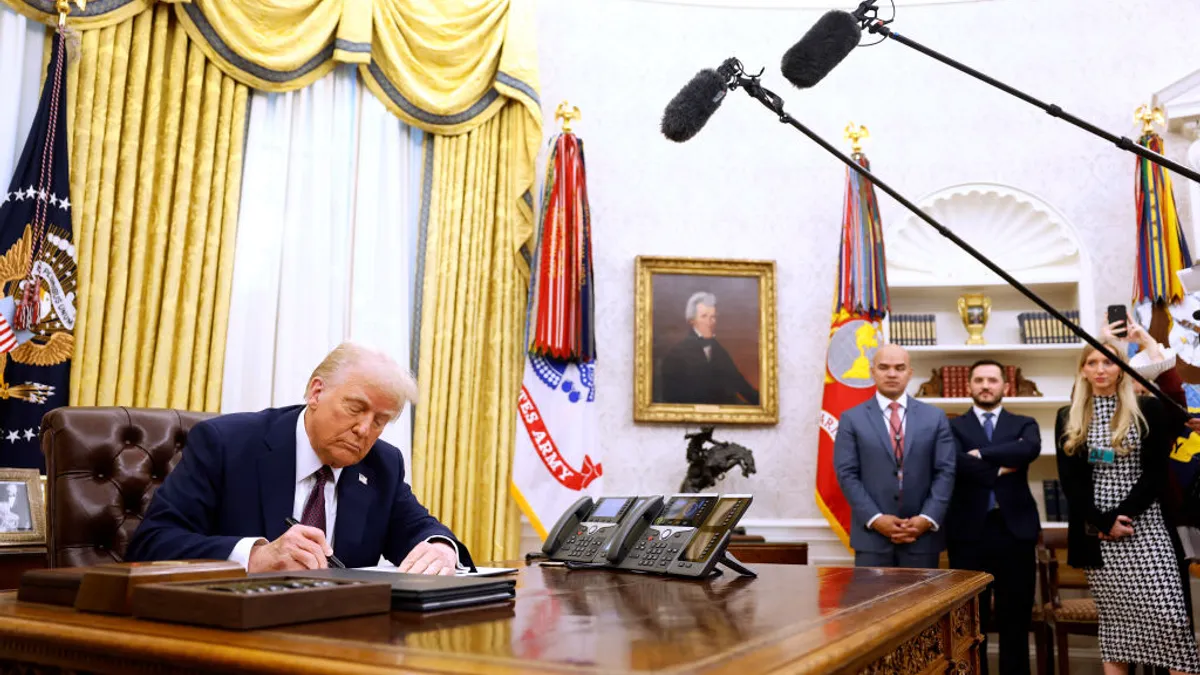
Google, Microsoft, and xAI will share unreleased models with the US government for pre-launch testing, after cybersecurity concerns around Anthropic’s Mythos model helped push the issue forward[7]. The big question: will AI get safer before it gets everywhere?


Connecticut’s AI bill passed the legislature, Maryland signed a pricing law, and several chatbot bills advanced in other states[15]. State-by-state AI rules are no longer hypothetical, and compliance is becoming a moving target.

CIOs are now being pushed to treat AI regulation as an operating model, not a side project, with lifecycle controls, risk classification, and evidence on demand[16]. In other words: governance is becoming part of shipping software.

Which of these shifts feels biggest to you: agent memory, government testing, or the new wave of AI regulation? Reply with your take or repost for your AI-obsessed friends.
Créez votre compte pour conserver cette réponse et la reprendre plus tard.
Examinons les alternatives :
- Modifier la requête.
- Démarrer une nouvelle conversation.
- Supprimer des sources (si elles ont été ajoutées manuellement).