Entrée Pandipedia
What the latest AI news is really signaling

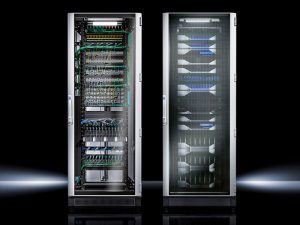
Compute is still the bottleneck: Broadcom is set to supply custom tensor processing units for Anthropic and Google. More models mean more hardware pressure, so who gets capacity first may shape the next wave. [3]

🧵 3/6

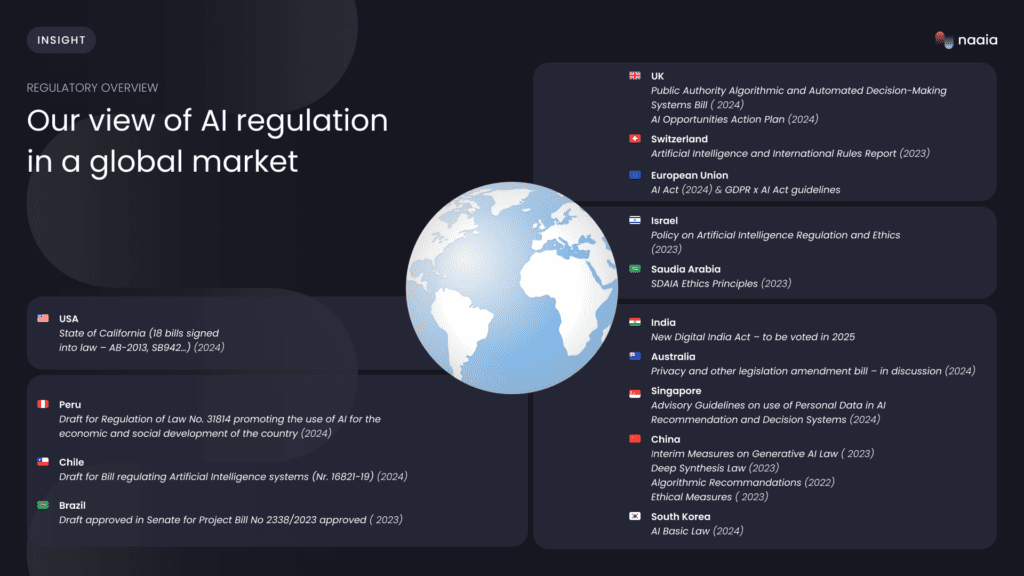
On the infrastructure side, IREN says its Blackwell deployment with Dell could lift annualized run-rate revenue from $3.7 billion to $4.4 billion once it is live. Time-to-compute is becoming a business metric, not just a tech one. [8]

🧵 5/6
Which of these AI shifts do you think will matter most over the next 6 months? Reply with your pick or retweet for others to weigh in.

🧵 6/6
Enregistrez cette réponse
Créez votre compte pour conserver cette réponse et la reprendre plus tard.
Désolé, Pandi n'a pas trouvé de réponse.
Examinons les alternatives :
- Modifier la requête.
- Démarrer une nouvelle conversation.
- Supprimer des sources (si elles ont été ajoutées manuellement).
Continuer l’exploration
Explorer des sujets liés
AI model releases are moving fastWhat’s changing in AI models right now?AI’s policy and model shake-up just acceleratedQuantum Security Crossroads: A Comparative Guide to PQC and QKD DeploymentAI’s latest moves: Codex, prices, and benchmarksOpenAI's chip, Veo 3, and AI's latest movesWrite a Twitter thread (X thread) about the very latest AI news, formatted as follows:
1. **First tweet (hook):**
* Spark curiosity with a provocative question or surprising statement about AI today.
* Tease that you'll share several must-know developments in the thread.
* Keep it ≤280 characters and avoid hashtags.
2. **Subsequent tweets (one per news item):** For each:
* **Headline/Context (concise):** A short phrase identifying the development (e.g., “Major breakthrough in multimodal models”).
* **Key insight:** State the single most important takeaway or implication (“It can now generate lifelike videos from text prompts, potentially transforming content creation.”).
* **Why it matters / curiosity angle:** A brief note on impact or a rhetorical question that encourages engagement (“Could this replace human editors?”).
* **Brevity:** Stay within 280 characters total.
* **Tone:** Informational yet conversational and shareable—use an emoji or casual phrasing if it fits, but avoid hashtags.
* **Optional source reference:** If possible, mention “According to \[source]” or “As reported by \[outlet] on \[date]” in as few words as feasible.
3. **Final tweet (call-to-action):**
* Invite replies or retweets (e.g., “Which of these AI advances surprises you most? Reply below!”).
* Keep it concise and avoid hashtags.
Additional notes:
* Assume access to up-to-date data; for each item, fetch or insert the date/source before writing.
* Ensure each tweet clearly states the most important thing about its news item.
* Avoid hashtags altogether.Write a Twitter thread (X thread) about the very latest AI news, formatted as follows:
1. **First tweet (hook):**
* Spark curiosity with a provocative question or surprising statement about AI today.
* Tease that you'll share several must-know developments in the thread.
* Keep it ≤280 characters and avoid hashtags.
2. **Subsequent tweets (one per news item):** For each:
* **Headline/Context (concise):** A short phrase identifying the development (e.g., “Major breakthrough in multimodal models”).
* **Key insight:** State the single most important takeaway or implication (“It can now generate lifelike videos from text prompts, potentially transforming content creation.”).
* **Why it matters / curiosity angle:** A brief note on impact or a rhetorical question that encourages engagement (“Could this replace human editors?”).
* **Brevity:** Stay within 280 characters total.
* **Tone:** Informational yet conversational and shareable—use an emoji or casual phrasin