Découvrir Pandipedia
Un répertoire grandissant de réponses utiles sélectionnées par la communauté Pandi. Cherchez dans la collection ou parcourez les dernières découvertes.
2322 entrées disponibles
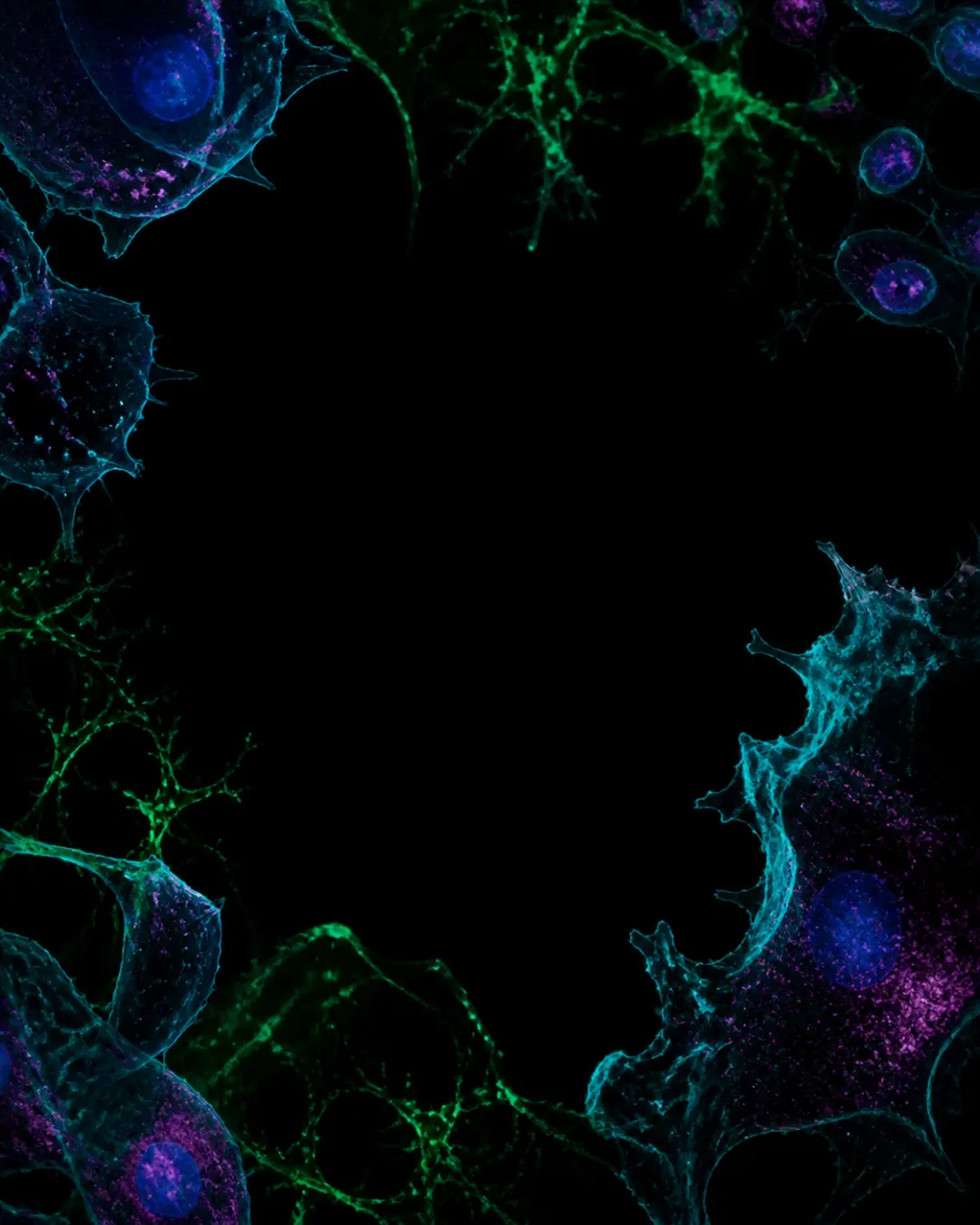
A Reported Roman Tale of Canine Fidelity, Not Modern Ethology

For three days the animal continued to watch the bodyThe anthology’s narrator, Anec…[1]

Examinons les alternatives :
- Modifier la requête.
- Démarrer une nouvelle conversation.
- Supprimer des sources (si elles ont été ajoutées manuellement).
The Fish That Fired Water
The Shooting-Fish
According to The World of Wonders, the shooting-fish hunted by noticing an insect above the water, fixing its gaze upon the target, and ejecting a forceful drop or small jet through its tubular mouth. The water struck the insect from its perch, dropping it into the pond, where the fish swallowed it[1].
The book supports this nineteenth-century claim with an account from 1828. Mr. Mitchell reportedly watched shooting-fish in a circular pond where beetles had been set upon pointed sticks atop a pole more than two feet high. One fish surfaced, stared steadily at a beetle, and knocked it into the water with its first shot; others repeated the performance, sometimes circling back for another attempt after missing[2].
To Victorian readers, the feat looked remarkably deliberate: the fish appeared to inspect its target, aim, fire, and correct a failed attempt. The book even wondered how it judged the insect’s position despite light being refracted at the water’s surface, asking whether the skill came from instinct or experience[3]. That is the book’s period interpretation, presented here as a historical natural-history report rather than a modern scientific conclusion.
Examinons les alternatives :
- Modifier la requête.
- Démarrer une nouvelle conversation.
- Supprimer des sources (si elles ont été ajoutées manuellement).
The Molasses Flood Was Not So Simple



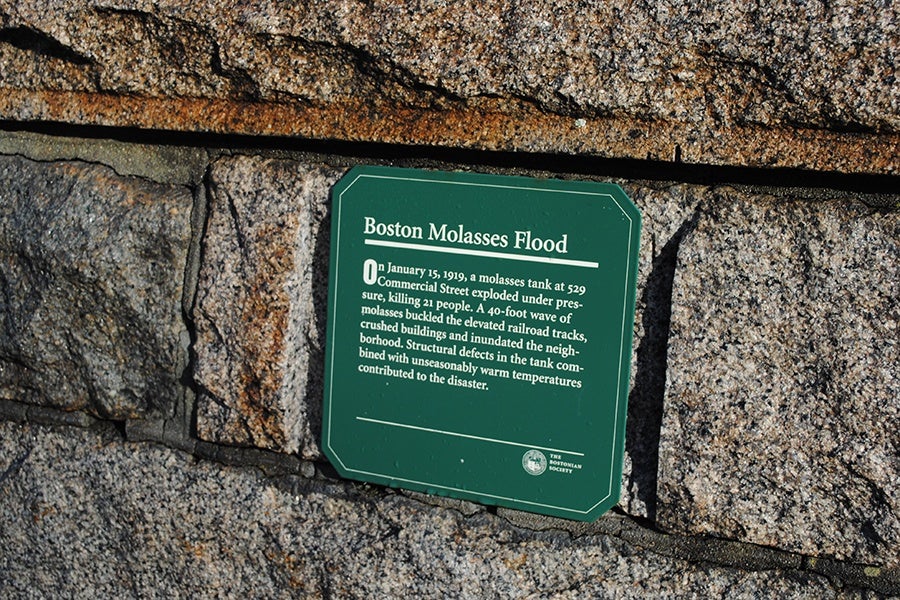
Examinons les alternatives :
- Modifier la requête.
- Démarrer une nouvelle conversation.
- Supprimer des sources (si elles ont été ajoutées manuellement).
Make one corner feel like a tiny cabin




Examinons les alternatives :
- Modifier la requête.
- Démarrer une nouvelle conversation.
- Supprimer des sources (si elles ont été ajoutées manuellement).

Blue Biotechnology’s Next Wave: Marine Organisms as Sustainable Material Sources
Blue Biotechnology’s Next Wave: Marine Organisms as Sustainable Material Sources
Marine biotechnology can replace or supplement petroleum-derived materials by converting algae, sponges, and marine bacteria into polymers, pigments, bioactive ingredients, and bioprocessing tools. The opportunity is substantial, but commercial success depends on more than discovering a promising molecule: developers must also secure reproducible biomass, control contaminants, demonstrate environmental safety, scale production, satisfy regulators, and compete with established materials.
The evidence points to a clear readiness gradient. Algae have the broadest and most mature portfolio because controlled cultivation, harvesting, and biorefinery routes already support hydrocolloids, pigments, omega-3 oils, food and feed ingredients, and other products.[1][2] Sponge-derived and sponge-inspired materials are promising mainly for selective, high-value biomedical uses, while marine bacteria offer major discovery potential but face greater cultivation, scale-up, and reproducibility barriers.[3][4]
1. Product Landscape: What the Organisms Provide
| Source | Representative compounds and materials | Supported applications | Commercial position |
|---|---|---|---|
| Algae | Alginate, laminarin, fucoidan, carrageenan, agar, ulvan, rhamnan sulfate, and calcium spirulan; phenolic compounds, phlorotannins, peptides, lectins, fatty acids, and phytosterols; chlorophylls, carotenoids, and phycobiliproteins.[5][6][7][8] | Gelling, thickening, stabilization, hydrogels, wound dressings, controlled drug delivery, tissue engineering, 3D bioprinting, natural colorants, dyes, cosmetics, nutraceuticals, pharmaceutical formulations, omega-3 oils, dietary supplements, aquafeed, and biodiesel feedstocks.[9][10][11][12] | Highest readiness among the three groups because cultivation and multiproduct processing pathways are comparatively developed.[13] |
| Marine bacteria | Polysaccharides, peptides, polyketides, alkaloids, sterol-like compounds, exopolysaccharides, quinones, violacein, prodiginines, tambjamines, and melanin. Examples include thiocoraline, anticancer extracts from Halomonas sulfifobacter, and engineered Vibrio natriegens melanin.[14][15][16][17] | Drug discovery, bioplastics, wastewater treatment, heavy-metal removal, hydrocarbon degradation, pollutant remediation, protective coatings, adsorbent materials, pigments, preservatives, cosmetics, nutraceuticals, and biofuels.[18][19][20][21] | High discovery potential, but generally earlier-stage manufacturing readiness because many organisms are difficult to cultivate and processes are not yet reproducible at scale.[22][23][24] |
| Marine sponges | The reviewed evidence emphasizes sponge-derived biomolecular extracts used in silica-calcium composites and sponge-inspired biosilica incorporated into hydrogel inks, rather than a broad list of purified sponge-specific compounds.[25] | Porous scaffolds, 3D-printed wound dressings, tissue regeneration, drug delivery, and bioinks with reported reactive-oxygen-species-scavenging, angiogenic, and anti-inflammatory functions.[26] | High-value but niche and less mature: biomass growth is species- and site-dependent, wild supply is ecologically risky, and compound-level downstream evidence is limited.[27][28][29][30] |
2. Cultivation, Harvesting, and Bioprocessing
Algae offer the most complete production chain. Cultivation systems include open ponds and raceways, closed or tubular photobioreactors, attached-growth systems, and algal biofilms. Depending on the species and product, cultures may be autotrophic, mixotrophic, or heterotrophic, with control of light, temperature, pH, carbon, nitrogen, phosphorus, and trace nutrients.[31][32] Suspended cultures can be concentrated through sedimentation, flocculation, flotation, filtration, or centrifugation. Harvesting is costly because conventional cultures contain little solid material; attached-growth systems can produce more concentrated biomass and reduce this burden, although mixed algae-bacteria biofilms may be unsuitable for products requiring a single species or high purity.[33][34][35]
The most promising algal model is a biorefinery that recovers several product streams, such as proteins, lipids, pigments, food or feed ingredients, and pharmaceutical compounds, instead of relying on one low-value output. Environmental control, metabolic engineering, automation, sensors, machine learning, synthetic biology, and phenomics are described as tools for improving composition and process intensification.[36][37][38]
For sponges, the preferred alternative to repeated wild collection is regenerative mariculture. Donor specimens can be fragmented into explants and grown on nets, lanterns, tubular modules, long-lines, or buoys. Laboratory cultivation is also reported, but growth depends strongly on species and site.[39][40][41][42] One downstream example combines supercritical carbon-dioxide extraction with gel-permeation chromatography to recover polyprenyl hydroquinones, reducing reliance on organic solvents compared with conventional processing.[43][44]
Marine-bacterial production is shifting from direct collection toward discovery and controlled manufacturing. Deep-sea sampling is difficult, and many marine microbes cannot be cultured by conventional methods. Proposed solutions include microfluidic single-cell cultivation, simulated habitats, co-cultivation, genome mining, activation of cryptic biosynthetic gene clusters, and heterologous expression in a more tractable host.[45][46][47] Bacteria can also function as bioprocessing agents, including strains reported to degrade hydrocarbons or polyethylene, but these capabilities still require validation under industrial conditions.[48][49]
3. Ecological Impacts and Sustainability Safeguards
Algal cultivation can use sunlight, atmospheric carbon, seawater, wastewater, or non-arable land, and wastewater systems may remove nutrients, some metals, carbon, and pharmaceutical contaminants while recycling water and nutrients.[50][51] These benefits are conditional: seawater systems still require nutrient and salinity management, freshwater systems can increase water pressure, and wastewater may contain contaminants or pathogens. The reviews therefore direct wastewater-grown biomass mainly toward biofuel rather than food, and identify enclosed reactors, pretreatment, monitoring, water recycling, careful species selection, and integrated biorefineries as safeguards.[52][53]
Sponges are filter feeders that retain particles, bacteria, organic matter, viruses, and some pollutants. In integrated multitrophic aquaculture, they may help treat fish-farm wastes while producing biomass alongside organisms such as macroalgae, mussels, and polychaetes.[54] However, sponges can accumulate toxic substances including lead and cadmium, and bioremediation may be contaminant-specific and slow.[55][56] The documented safeguards are regenerative aquaculture, site monitoring, fouling control, reduced underwater operations, and awareness of contaminant exposure, rather than assuming that every farmed sponge product is automatically safe.
For marine bacteria, cultivation and fermentation can reduce the need for repeated environmental extraction. The omega-3 example concerns thraustochytrids, which are marine stramenopile protists rather than bacteria, so it should not be treated as evidence about bacterial production. Separately, bacteria have been reported to degrade persistent pollutants.[57] The reviews recommend responsible bioprospecting, life-cycle assessment from sampling through manufacture, ethical and regulatory oversight, and protection of poorly understood ecosystems. They also note that detailed species-specific sustainability standards, validated genetic-containment protocols, and mature ecological-management systems remain incomplete.[58]
4. Commercialization Hurdles
The central challenge is not discovery alone. A marine material must be technically reproducible, supplied at adequate volume, scalable, legally compliant, environmentally defensible, economically viable, and acceptable to customers at the same time.[59] The main barriers are:
- Biology and feedstock: Limited taxonomy and biodiversity knowledge makes promising organisms difficult to locate and validate. Deep-ocean access is expensive, rare organisms may yield too little material, and wild supply can be unreliable.[60][61][62]
- Extraction and quality: Marine matrices can contain compounds with different solubilities and stabilities. Extraction may reduce yield or destroy activity, while heavy metals and pollutants can require rigorous purification. Formulation, shelf life, and batch-to-batch consistency remain difficult.[63][64][65][66]
- Scale and economics: Many extraction methods are not readily scalable or cost-effective. Pilot plants, process development, energy, and production investments raise costs, while immature markets, uncertain demand, established competitors, and weak consumer trust constrain revenue.[67][68][69][70][71][72]
- Regulation: Health, food, and pharmaceutical applications require controls covering composition, toxicology, safety, clinical evidence where relevant, and sometimes reimbursement and adoption. Rules are fragmented across jurisdictions, while regulatory precedent is concentrated in a limited set of established algal biomass, pigment, and oil products.[73][74][75]
- Environmental legitimacy: Commercial extraction must remain within the ocean’s capacity to withstand harvesting. The reviews identify insufficient understanding of how to obtain value without damaging the ecosystems that support the resource.[76][77]
5. Strategic Outlook
A practical commercialization strategy should use three tracks rather than treating all marine organisms as equally ready.
- Near term, prioritize algae for sustainable-material deployment. Existing cultivation, concentration, biorefinery, hydrocolloid, pigment, and omega-3 pathways provide the strongest route to products, provided developers use enclosed or well-monitored systems, control nutrients and contaminants, recycle water where appropriate, and recover multiple product streams.[78][79][80]
- Medium term, develop farmed sponges and sponge-inspired materials for selective high-value applications. Fragment-based mariculture and integrated aquaculture can reduce pressure on wild populations, while silica-calcium composites, biosilica, hydrogel inks, wound dressings, scaffolds, and drug-delivery materials offer higher-value targets than bulk commodities.[81][82][83]
- Longer term, invest in marine-bacterial synthetic biology and fermentation. Genome mining, heterologous expression, co-cultivation, and controlled production could address the problems of unculturable organisms, scarce biomass, and environmentally risky collection, although reproducibility, containment, life-cycle assessment, and scale-up still need stronger validation.[84][85][86][87]
Conclusion
The next wave of blue biotechnology is most credible when it links ecological safeguards to manufacturing design. Algae currently provide the best platform for near-term sustainable materials; sponges are better suited to carefully managed, high-value biomaterials and aquaculture; and marine bacteria offer a broad longer-term platform for pharmaceuticals, pigments, enzymes, remediation, and biopolymers. Across all three, the decisive investment is not simply in finding new marine compounds, but in building controlled cultivation, low-impact processing, reliable quality systems, and evidence that the resulting product improves rather than shifts environmental burdens.
Examinons les alternatives :
- Modifier la requête.
- Démarrer une nouvelle conversation.
- Supprimer des sources (si elles ont été ajoutées manuellement).
When a screen becomes a shoreline
In late-2000s Aqua Aero imagery, the over-under waterline fundamentally reorganizes the viewer’s scanning behavior by establishing a strict visual hierarchy across the split frame. This style features a glossy display or camera dome positioned directly in or near the water surface, capturing terrestrial and aquatic zones simultaneously [1][2].
Documented visual features govern this reading order. The open sky and surface elements occupy the upper segment to establish initial expanse and openness [3]. The central waterline then acts as a distinct dividing threshold that creates immediate spatial depth by contrasting the surface air with submerged elements [4][5]. Finally, the physical bezel of the housing or the dynamic splash pattern determines the interpretive breakout effect, guiding whether the image reads flatly as a bordered frame or opens outward as an immersive portal into an aquatic environment [6][7].
A verified context anchor for this technique appears in early digital photography milestones, such as mid-2000s field experimentation using Nikon D200 bodies inside acrylic and glass dome ports around 2006 [8][9]. While period practitioners simply categorized these as split-level or over-under photographs to showcase environmental continuity, later viewers classify them under the broader retro-futurism umbrella of Frutiger Aero due to their glossy textures, bright aquatic color grading, and optimistic coexistence of technology and pristine nature [10][11][12].
Would you also like to know how camera settings and glass dome ports affect distortion in Aqua Aero imagery?Réponse terminée. Une option de suivi est disponible.
Examinons les alternatives :
- Modifier la requête.
- Démarrer une nouvelle conversation.
- Supprimer des sources (si elles ont été ajoutées manuellement).
How do retrieval augmented generation systems improve answer accuracy?

Retrieval-augmented generation (RAG) improves answer accuracy by combining pretrained language models with external, searchable knowledge bases to ground responses in verified facts rather than relying solely on parametric memory[1][2][3]. Because traditional language models depend on static training data, they are prone to producing plausible-sounding fabrications known as hallucinations[4]. RAG addresses this by operating in distinct stages: retrieving relevant information from trusted external sources, augmenting the input query with that retrieved context, and prompting the model to synthesize an accurate, factually grounded response[5][6].
To implement a RAG pipeline and maximize its effectiveness, several practical strategies and components can be utilized:
- Hybrid Search and Re-ranking: Improve retrieval accuracy by combining lexical (keyword) search with semantic (vector) search, followed by re-ranking via a cross-encoder to fetch the most relevant data[7][8].
- Data Cleaning: Standardize, filter, and extract data to remove artifacts like logos, special symbols, and code blocks that might confuse the language model[9].
- Prompt Engineering for Grounding: Craft prompts that explicitly require the model to incorporate retrieved context and rely only on those passages to produce factual outputs[10][11].
- Hallucination Detection and Evaluation: Implement evaluation frameworks and detection techniques—such as LLM prompt-based classifiers, semantic similarity checks, or BERT stochastic checkers—to measure faithfulness and flag potential hallucinations[12][13][14].
- Citation Systems: Build attribution into the output pipeline so users can verify claims against original source material, creating an audit trail that catches errors before deployment[15].
Would you also like to know how different hallucination detection methods compare in terms of cost and accuracy?Réponse terminée. Une option de suivi est disponible.
Examinons les alternatives :
- Modifier la requête.
- Démarrer une nouvelle conversation.
- Supprimer des sources (si elles ont été ajoutées manuellement).
Which Climate Solution Came First?
Examinons les alternatives :
- Modifier la requête.
- Démarrer une nouvelle conversation.
- Supprimer des sources (si elles ont été ajoutées manuellement).
What is the maximum player count in the game 'EVE Online's' single-shard
Examinons les alternatives :
- Modifier la requête.
- Démarrer une nouvelle conversation.
- Supprimer des sources (si elles ont été ajoutées manuellement).
What makes co-op puzzle games ideal for team-building workshops?. Explain in two paragraphs how shared problem-solving mechanics mirror workplace collaboration and boost communication. Mention practical setup tips.
Co-op puzzle games are effective for team-building because progress depends on shared problem-solving rather than individual performance. Players must exchange information, explain what they notice, divide tasks, listen actively, and coordinate decisions—much like colleagues working through a project with incomplete information. Puzzles also make communication visible: unclear instructions, duplicated effort, or reluctance to ask for help quickly affect the whole team. Because the challenge is shared and usually low-stakes, participants can practise these behaviours safely, then reflect on how they relate to workplace collaboration.
For a successful workshop, choose a game that matches the group’s size, experience, accessibility needs, and available time; avoid puzzles so difficult that frustration overwhelms learning. Groups of three to six usually give everyone a meaningful role. Set a clear objective, explain the rules and technology beforehand, and assign a facilitator to observe communication patterns without taking over. After each activity, hold a short debrief: What helped the team progress? Where did information get stuck? How were decisions made? Connect those observations to real workplace habits, such as clarifying assumptions, inviting quieter voices, and agreeing who owns the next action.
Would you also like a sample 60-minute co-op puzzle workshop plan?Réponse terminée. Une option de suivi est disponible.
Examinons les alternatives :
- Modifier la requête.
- Démarrer une nouvelle conversation.
- Supprimer des sources (si elles ont été ajoutées manuellement).