Découvrir Pandipedia
Un répertoire grandissant de réponses utiles sélectionnées par la communauté Pandi. Cherchez dans la collection ou parcourez les dernières découvertes.
2609 entrées disponibles
Ruins, Relics, and Riches: Lunar archaeology and the golden asteroid
Examinons les alternatives :
- Modifier la requête.
- Démarrer une nouvelle conversation.
- Supprimer des sources (si elles ont été ajoutées manuellement).

What are the weirdest Christmas traditions globally?
Transcription
Tió de Nadal
In Catalonia, families beat a hollow log while singing to make it 'defecate' gifts[1][2].
Caganer
Catalan nativity scenes often include a figurine of a person defecating, symbolizing fertility[1][2].
Befana
In Italy, a witch named Befana delivers gifts to children on January 5, leaving treats for the good[1][3].
Krampus
Austria celebrates Krampus, a demon-like figure who punishes naughty children during Christmas[3][8].
Yule Goat
In Sweden, giant straw goats are constructed, often attracting vandalism to burn them down[3][8].
KFC for Christmas
In Japan, it is a tradition to eat Kentucky Fried Chicken for Christmas dinner thanks to a 1970s marketing campaign[1][6][10].
Yule Cat
In Iceland, a giant cat eats children without new clothes during Christmas, promoting gift-giving[4][11].
Roller-skating Mass
Venezuelans roller-skate to church for Christmas Mass in a popular festive tradition[3][5].
Spider Web Decorations
In Ukraine, Christmas trees are decorated with spider webs, symbolizing good fortune from a folk tale[1][4][9].
Shoe Toss
In the Czech Republic, single women throw shoes over their shoulders to predict marriage[2].
La Quema del Diablo
Guatemalans burn piles of trash topped with a devil effigy to cleanse evil spirits[4][5].
Night of the Radishes
In Oaxaca, Mexico, locals carve intricate designs into radishes to celebrate[4][9].
Last-Minute Guests
In Portugal, families set extra places for deceased relatives at Christmas dinner, honoring them[4][9].
Donald Duck Special
Swedes gather around the TV at 3 PM on Christmas Eve to watch a classic Disney special[1][6].
Mummering
In Newfoundland, Canada, people disguise themselves and go from house to house performing[1][4].
Candle Lighting
In Colombia, Little Candles' Day on December 7 marks the beginning of Christmas by lighting candles[4][7].
Christmas Pickle
In Germany, families hide a pickle ornament in the Christmas tree, rewarding the finder[4][10].
Sauna Tradition
In Finland, it’s customary to have sauna gatherings on Christmas Eve to purify before celebrations[1][11].
Kallikantzaros
In Greece, mischievous goblins known as Kallikantzaros come out during the Christmas season causing mayhem[1][10].
Mari Lwyd
In Wales, people dress as a horse and visit homes for food and drink, performing songs[4][8].
Sources
- 13 of the Weirdest Christmas Traditions From Around the World
- 14 Weird Christmas Traditions to Perplex and Delight You
- The world's 12 weirdest Christmas traditions
- 10 Christmas traditions from around the world
- 15 weird and wonderful Christmas traditions from around the world
- 15 weird and wonderful Christmas traditions around the world
- 18 Unusual Christmas Traditions Around The World
- Weirdest Christmas traditions from around the world
- Unusual Christmas traditions from around the world
- 12 Of The Weirdest Christmas Traditions From Around The World
- 10 Of The Strangest Christmas Traditions Around The World
Examinons les alternatives :
- Modifier la requête.
- Démarrer une nouvelle conversation.
- Supprimer des sources (si elles ont été ajoutées manuellement).
The Rise of AI Project Managers: Skills, Certifications, and Career Paths
The Rise of AI Project Managers: Skills, Certifications, and Career Paths
Introduction

Modern project management is evolving rapidly as artificial intelligence becomes integral to streamlining operations and enhancing decision-making. The role of an AI project manager now blends technical fluency with traditional stakeholder management, requiring professionals to oversee complex projects that integrate AI tools and methodologies[1][9].
Role and Responsibilities


AI project managers are responsible for bridging the gap between traditional project management and the emerging capabilities of AI technologies. Their daily responsibilities include coordinating cross-functional teams, defining project scopes, and managing schedules and risks using AI-driven tools. These professionals ensure that AI tools like predictive analytics and machine learning are seamlessly integrated into project workflows, which ultimately enhances project efficiency and decision-making[1][9].
Essential Skills and Competencies

To succeed as an AI project manager, a combination of technical expertise and strong management skills is required. Professionals in this role need a solid grounding in AI fundamentals such as data literacy, natural language processing, and the use of development tools like TensorFlow or PyTorch, alongside proven project management capabilities (including familiarity with PMP, Agile, and risk management practices). Additionally, soft skills such as leadership, communication, and problem-solving are essential to successfully manage teams and stakeholder expectations[1][9].
Certifications and Educational Pathways


Numerous certification programs and educational courses have emerged to equip aspiring AI project managers with the necessary skills. Traditional project management certifications such as the Project Management Professional (PMP)® are increasingly supplemented with specialized courses focused on artificial intelligence. For instance, the Cognitive Project Management for Artificial Intelligence (CPMAI) boot camp is designed to teach data-centric and agile approaches specifically for AI and ML projects[13]. Similarly, the Coursera specialization 'Generative AI for Project Managers' provides hands-on training in generative AI, prompt engineering, and the application of AI tools throughout the project lifecycle[10].
Salary Benchmarks


Salary data for AI project managers reflects the specialized nature of the role. According to one guide, the Bureau of Labor Statistics reported an average annual salary of $95,370 for project management specialists with top performers earning up to $159,150[5]. In the tech sector, companies like Scale AI report base salaries ranging from $130K to $169K with median total compensation around $170K, and the highest reported package reaching nearly $390K[8]. In addition, other reports indicate that Glassdoor estimates average AI manager salaries near $115,095 per year, with total compensation including bonuses rising to approximately $165,711[9].
Market Trends and Future Outlook

AI adoption in project management is expected to grow significantly in the coming years. Current trends indicate that 72% of project managers foresee major changes to their roles as AI tools automate routine tasks and enhance strategic decision-making[3]. Some studies predict that companies will increase investments in AI by as much as 32%, and that by 2030, up to 80% of project management tasks may be automated[3]. In parallel, industry experts emphasize that integrating AI effectively into project management not only boosts efficiency but also provides a competitive edge for organizations that adopt these tools early on[12].
Conclusion
The role of AI project managers represents a transformative shift in project management, combining technical expertise with effective leadership and communication skills. As organizations continue to integrate advanced AI tools to optimize project outcomes, the demand for professionals who can navigate both technological and managerial challenges is set to increase. With established certifications and diverse educational pathways available, along with attractive salary benchmarks and a promising market outlook, the career path of an AI project manager offers significant opportunities for growth and innovation. Professionals who continuously update their skills and adapt to evolving technologies will be well-positioned to lead their organizations into the future[1][13].
Examinons les alternatives :
- Modifier la requête.
- Démarrer une nouvelle conversation.
- Supprimer des sources (si elles ont été ajoutées manuellement).
How is social media impacting political discourse?
Transcription
Social media is significantly reshaping political discourse by enabling real-time engagement, fostering grassroots movements, and broadening the participation of diverse political actors. Platforms like Facebook, Twitter, and Instagram facilitate quick dissemination of information, allowing individuals and groups to mobilize support for social and political causes, exemplified by movements such as #BlackLivesMatter and the Arab Spring[1][3]. However, these platforms also contribute to the spread of misinformation, polarization, and echo chambers, which can distort public opinion and undermine democratic processes[2][8][9].
Sources
- The Impact of Social Media on Political Discourse: A Case Study Approach
- Social Media Are Ruining Political Discourse
- The new democratisation: social media impact on the political process in Sub-Saharan Africa
- The Impact of Social Media on Political Discourse: Opportunities and Challenges
- The Impact of Social Media on Political Discourse: Pros and Cons
- Social media manipulation by political actors an industrial scale problem - Oxford report | University of Oxford
- https://www2.lse.ac.uk/ideas/Assets/Documents/project-docs/digital-ir/working-papers/LSE-IDEAS-Social-media's-impact-on-political-discourse-in-South-Africa.pdf
- How social media impacts political views
- The Power of Social Media: Shaping Political Discourse in the Digital Age
- 10+ Advantages and Disadvantages of Social Media in Politics
Examinons les alternatives :
- Modifier la requête.
- Démarrer une nouvelle conversation.
- Supprimer des sources (si elles ont été ajoutées manuellement).
Urban Climate Migration: Planning for the Next Million Displaced Residents
Urban Climate Migration: Planning for the Next Million Displaced Residents
Overview and Context

Urban climate migration is emerging as a defining challenge of our time, as millions of residents face displacement due to rising temperatures, extreme weather, and long‐term environmental degradation[4]. The pressures of climate change are no longer confined to distant future projections; instead, they are redrawing the world map now, forcing both international and internal migration and reshaping urban demographics[9].
Relocation Trends and Migration Drivers


Climate migration is driven by a combination of sudden disasters and slowly evolving environmental changes, with communities in vulnerable coastal zones, drought‐prone regions, and locations exposed to wildfires experiencing the brunt of these impacts[4]. As projections indicate that over one billion people could be displaced by climate-related disasters by mid-century, policy makers are increasingly urged to identify early warning signals and initiate planned relocation processes before communities are permanently lost[9].
Housing Policy and Social Equity


In many urban areas, housing policy is under severe stress as climate impacts expose deep-seated inequities. For instance, informal settlements – where residents lack secure tenure and essential infrastructure – are often located in hazard-prone zones and are becoming increasingly vulnerable to flooding, high winds, and other disasters[7]. The violation of the right to adequate housing has prompted urgent calls for governments to upgrade informal settlements and ensure that vulnerable populations are not further disenfranchised by climate-induced displacement[7].
Infrastructure Stress and Urban Planning


Rapid population growth resulting from influxes of climate migrants is putting increased stress on urban infrastructure. Cities that traditionally were not considered at risk are now contending with aging housing stock, inadequate water and sanitation systems, and the challenge of integrating newcomers into existing urban fabric[10]. Programs such as integrated urban planning initiatives are being developed to link spatial planning with sustainable infrastructure investment, ensuring that future developments address housing demands, transit needs, and environmental resilience simultaneously[10].
Preventing Displacement and Climate Gentrification

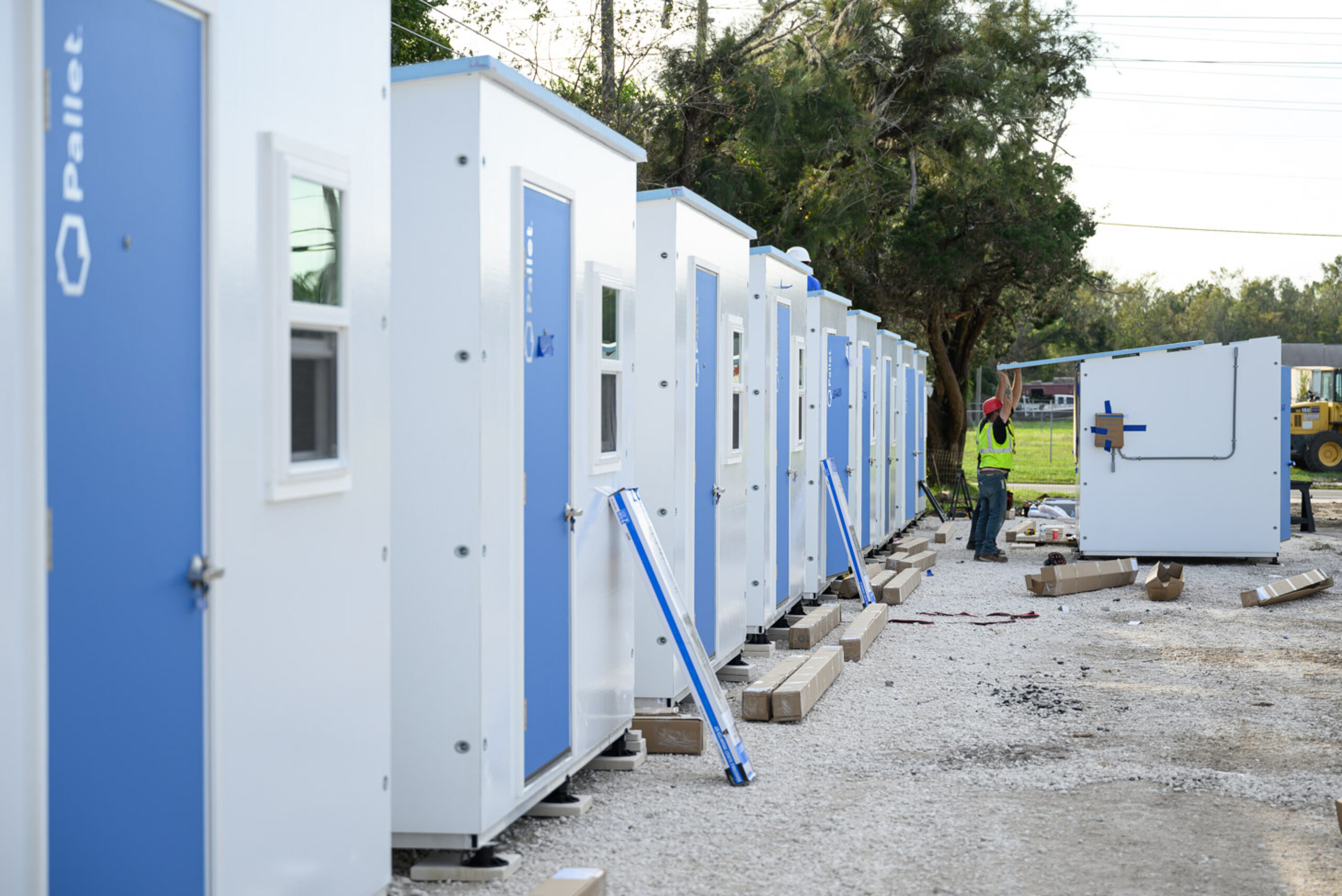
Urban areas that serve as destinations for climate migrants are at risk of climate gentrification, a phenomenon in which rising property values and infrastructure upgrades inadvertently displace lower-income residents[8]. Some cities, already witnessing early signs of this trend, are adopting proactive strategies to counter rising rental costs and ensure equitable access to affordable housing. Initiatives include community land trusts, anti-displacement zoning, and financial incentives for developers to maintain affordable units in neighborhoods undergoing rapid transformation[8].
Proactive Strategies and Inclusion Frameworks


To manage the incoming pressures of climate migration, cities are embracing a multi-pronged approach that combines early-warning systems, strategic relocation planning, and participatory governance. For example, some urban centers are integrating climate forecasts into housing policies, thereby identifying future migration hotspots and preparing resilient infrastructures in anticipation of increased demand[9]. Additionally, forward-looking governments are exploring federal and municipal frameworks that define clear decision-making processes for relocation, incorporate community-led monitoring, and ensure that vulnerable populations have a voice in proposal and planning stages[11].
Conclusion
Climate migration is reshaping urban landscapes and demanding innovative policy solutions that address both the immediate needs and long-term challenges posed by displacement. Successful planning for the next million displaced residents depends on inclusivity, proactive infrastructure investment, and strong legal and policy frameworks that protect the rights of all residents[4][7]. With coordinated efforts across local, state, and federal levels, cities can not only absorb the influx of migrants but also create resilient, equitable urban environments that serve as models for climate adaptation in an era of unprecedented change[10].
Examinons les alternatives :
- Modifier la requête.
- Démarrer une nouvelle conversation.
- Supprimer des sources (si elles ont été ajoutées manuellement).
Why is cultural heritage important?
Transcription
Cultural heritage is important because it embodies identities, traditions, and shared values, fostering a sense of community and belonging. It acts as a collective memory, connecting past, present, and future, and is crucial for peace, diversity, and local economies. The preservation of cultural heritage helps to promote mutual respect among different cultures and is vital for understanding our history and humanity[1][2][3][4][8][9]. Additionally, recognizing and safeguarding cultural heritage is essential for confronting global challenges like climate change and armed conflict[6][9].
Sources
- The Importance of Cultural Heritage
- Cultural heritage: 7 successes of UNESCO’s preservation work
- Why cultural heritage matters now more than ever
- What Is Heritage and Why Is It Important?
- Cultural heritage - Wikipedia
- The Future of Our Past: Why Heritage Matters
- What is Cultural Heritage?
- Smarthistory – What is cultural heritage?
- Why It Matters
Examinons les alternatives :
- Modifier la requête.
- Démarrer une nouvelle conversation.
- Supprimer des sources (si elles ont été ajoutées manuellement).
Enhancing AI Agents for User Interface Navigation
Enhancing AI Agents for User Interface Navigation
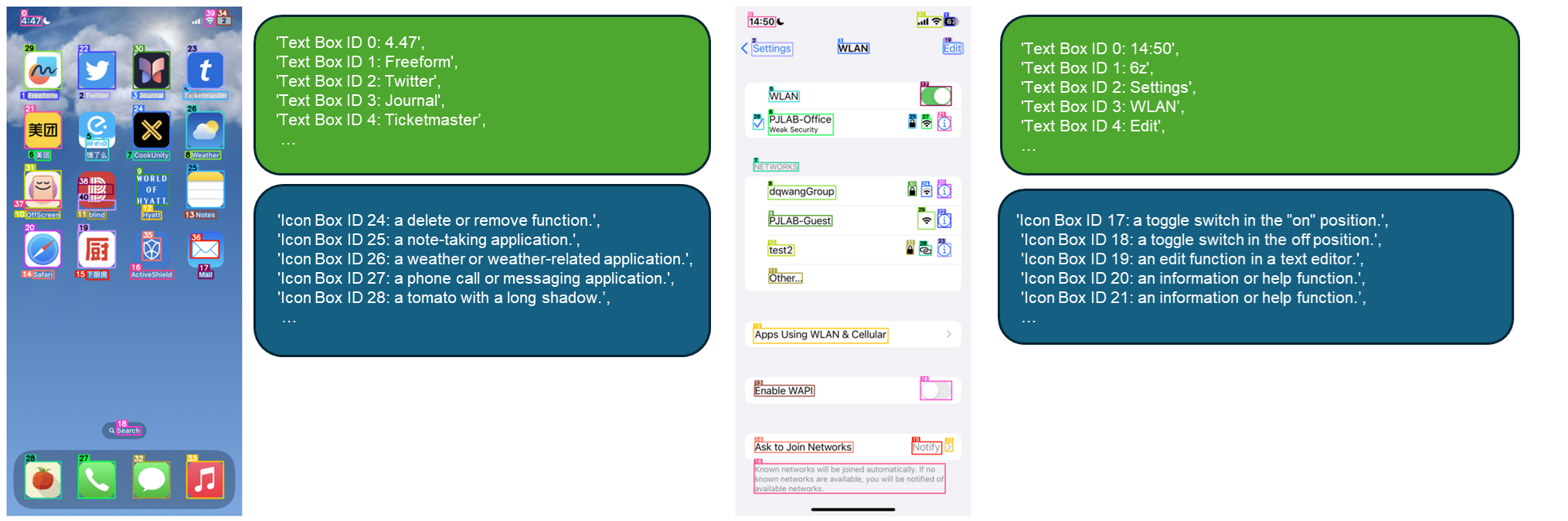
Recent advancements in large language models (LLMs) have showcased their potential in driving AI agents for user interfaces. The paper introduces OmniParser, a tool that leverages the capabilities of the GPT-4V model. This agent aims to improve the interaction between users and operating systems by more effectively understanding user interface (UI) elements across different platforms.
The Need for Improved Parsing Techniques
Despite the promising results of multimodal models like GPT-4V, there remains a significant gap in accurately identifying interactable UI elements on screens. Traditional screen parsing techniques struggle with reliably detecting clickable regions in user interfaces, which impedes the efficiency of AI agents in executing tasks effectively. To bridge this gap, the authors argue for a robust screen parsing technique that can enhance the AI's ability to accurately interpret and interact with various elements on the screen.
Introducing OmniParser

OmniParser is designed to address these shortcomings. It incorporates several specialized components, including:
Interactable Region Detection: This model identifies and lists interactable elements on the UI screens, enhancing the agent's understanding of functionality.
Description Models: These models interpret the semantics of detected elements, providing contextual information that aids in action prediction.
OCR Modules: Optical Character Recognition (OCR) is employed to read and analyze text within the UI, further facilitating interaction by identifying buttons and icons accurately.
By integrating these components, OmniParser generates structured output that significantly enhances the knowledge of GPT-4V regarding the UI layout, resulting in improved agent performance on various benchmarks like ScreenSpot, Mind2Web, and AI-TW.
Key Contributions

The research presents several contributions to the field of UI understanding in AI:
Dataset Creation: An interactable region detection dataset was curated to fine-tune the models on popular web pages, allowing the agent to learn from a diverse range of UI elements.
Enhancement of GPT-4V: The OmniParser model notably improves GPT-4V's performance when introduced alongside the interactable region detection system. Initial evaluations show significant gains on benchmarks, indicating that the overall accuracy of action prediction is enhanced.
Evaluation Across Multiple Platforms: OmniParser was tested in various environments—desktop, mobile, and web browsers—demonstrating its versatility and effectiveness across different interfaces.
Results and Implications

The paper outlines that OmniParser significantly outperforms baseline models such as GPT-4V without local semantics or other methods used in similar contexts. For instance, in evaluations conducted with the ScreenSpot dataset, OmniParser achieved improved accuracy compared to GPT-4V, showcasing the importance of accurately identifying functional elements on user interfaces. Specifically, the improvements were observed in interactions requiring the identification of buttons and operational icons.
Practical Applications
The implications of this research are substantial, offering solutions not only for enhancing AI-powered UX (user experience) tools but also for broader applications in various automated systems that require user interface interaction. By integrating nuanced understanding derived from local semantics, OmniParser equips AI agents with stronger capabilities to perform complex tasks, reducing the likelihood of errors in interaction.
Future Directions
The authors propose further enhancement of OmniParser through continuous model training and the expansion of datasets to include a wider diversity of UI elements and interactions. This ongoing work will contribute to the generalizability of AI agents across different platforms and applications, making them more efficient and reliable.
In conclusion, the introduction of OmniParser represents a significant stride toward the development of smarter, more effective AI agents for navigating user interfaces. The advancements in parsing technology and the comprehensive approach to understanding UI components position this research at the forefront of AI applications, poised for substantial impacts in both user interface design and automated interaction systems.
As AI continues to evolve, integrating tools like OmniParser into standard practices could redefine how users interact with technology, ultimately enhancing usability across a myriad of digital platforms[1].
Examinons les alternatives :
- Modifier la requête.
- Démarrer une nouvelle conversation.
- Supprimer des sources (si elles ont été ajoutées manuellement).
Factors Influencing City Locations
Factors Influencing City Locations
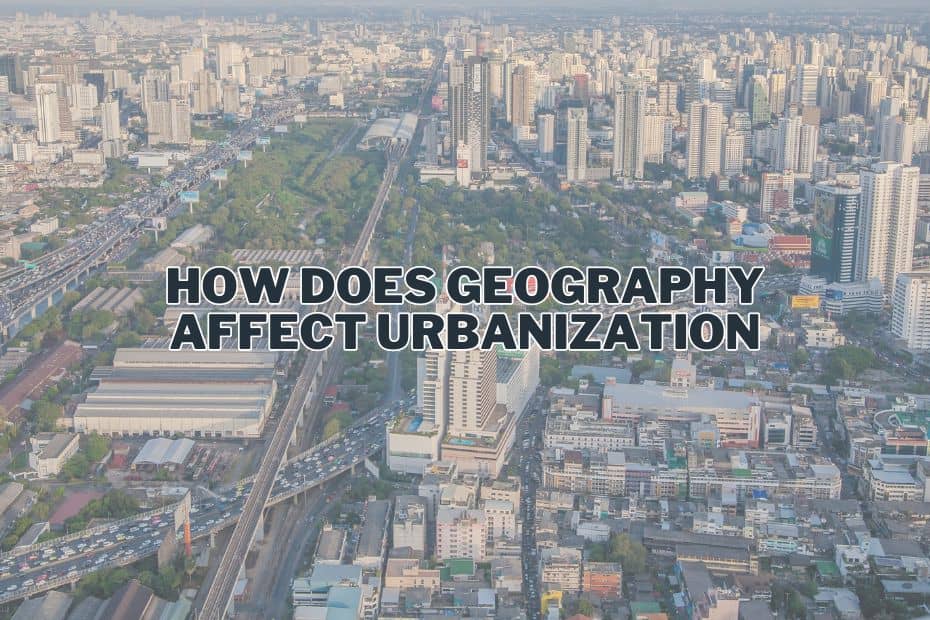
City locations are determined by a confluence of various factors that range from geographical conditions to economic considerations. Understanding these influences helps to clarify urban development patterns across different regions. Below are the primary factors that play a crucial role in determining where cities are established and how they evolve over time.
Geographical Factors
Natural Resources and Climate
Natural resources, climate, and topography are fundamental to urban development. Coastal areas, for example, often emerge as significant trade hubs due to their proximity to bodies of water, which facilitates shipping and industry. In contrast, inland regions typically support more rural lifestyles reliant on agriculture, owing to limited access and trade opportunities compared to coastal cities[1]. The availability of natural resources also shapes a city’s economic activities, with areas rich in minerals fostering mining or agribusiness, depending on agricultural conditions[1].
Site and Situation

The physical characteristics of a location, referred to as site factors, play an important role. Elements like proximity to water sources, quality of soil, and elevation significantly influence city development. For example, cities located near rivers or coastal areas often thrive due to the economic activities that these features can support[4]. In turn, situation factors involve a city's geographical relationship with other areas. Strategic locations can enhance accessibility and connectivity, vital for trade and growth. New York City's location at the mouth of the Hudson River is a classic example, as this situational advantage spurred its extensive economic and demographic growth[3].
Economic Considerations
Connectivity and Trade
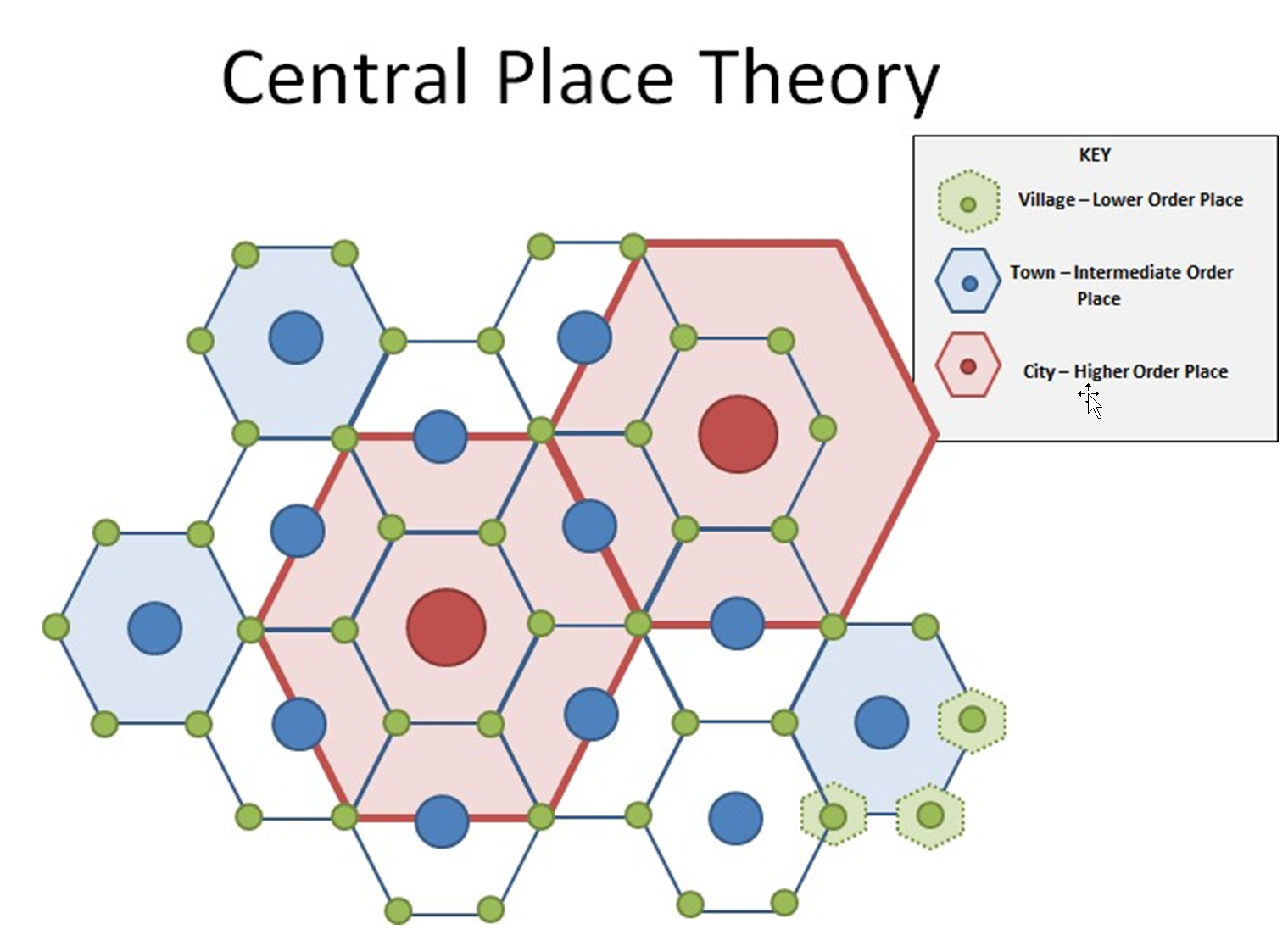
Cities frequently emerge in positions where multiple transportation networks intersect. This connectivity enhances a city’s role as a trade center, facilitating commerce and the movement of goods. Cities such as Chicago and Los Angeles are prime examples, having developed around these critical junctions of transportation routes[3]. Moreover, urban locations often correlate with economic activities; cities benefit from being centrally located to market areas, allowing businesses to serve surrounding populations effectively[2].
Resource Distribution
The distribution of resources includes not only natural resources but also labor and capital. Economic structures in cities are largely influenced by local resource availability, which, when combined with favorable climates, leads to specific industries taking root. For instance, cities began to form based on industrial needs for raw materials and energy resources during and after the industrial revolution[2][5]. Moreover, agglomeration economies—the benefits that accrue to firms and individuals from locating near each other—further enhance the vibrancy of urban centers, promoting growth and specialization within areas[5].
Historical and Social Elements
Defense and Security
Historically, the need for defense influenced the choice of city locations. Many ancient cities were established in places that provided natural defensive advantages, such as elevated positions or being surrounded by water. As a result, places like Paris and Athens grew due to their defensible sites[3]. Security concerns also shaped city growth patterns, as well-protected areas attracted settlements and commerce, ultimately leading to their development into major urban centers.
Cultural and Religious Considerations
Cultural and religious factors have also played significant roles in city formation. Many cities, such as Mecca and Jerusalem, were established around religious centers, drawing followers and becoming pivotal urban locations due to their spiritual significance[3]. This attachment to cultural heritage continues to influence urban geography today, often leading to a concentration of population and economic activity around historically important sites.
Conclusion
The location and growth of cities are influenced by intricate interrelations among various factors, including geographical, economic, historical, and social considerations. Connectivity to transportation networks, resource availability, and market access are paramount in shaping urban areas. Furthermore, the natural physical environment and historical contingencies significantly influence the development of cities, underlining the complexity of urbanization processes across different regions. Collectively, these factors define not only the locations of cities but also their evolution over time, demonstrating the dynamic nature of urban geography.
Examinons les alternatives :
- Modifier la requête.
- Démarrer une nouvelle conversation.
- Supprimer des sources (si elles ont été ajoutées manuellement).
What are the longest bridges in the world?
Transcription
Danyang-Kunshan Grand Bridge
The world's longest bridge at 102 miles (164 km), located in China, opened in 2011[4][5][6].
Changhua-Kaohsiung Viaduct
The second-longest bridge at 97 miles (157 km), part of Taiwan's High-Speed Railway[2][4][6].
Cangde Grand Bridge
The third-longest bridge at 72 miles (116 km), also part of the Beijing-Shanghai High-Speed Railway[4][6].
Tianjin Grand Bridge
Fourth-longest bridge at 70.6 miles (113 km), enabling China's high-speed rail services since 2011[5][6].
Weinan Weihe Grand Bridge
Once the longest bridge in the world, now the fifth longest at 49 miles (79 km)[3][6].
Hong Kong-Zhuhai-Macau Bridge
The sixth longest bridge at 34 miles (55 km) connecting three regions in China[3][4].
Bang Na Expressway
The seventh longest bridge at 34.2 miles (55 km), an elevated highway in Thailand[2][3][5].
Beijing Grand Bridge
Eighth longest bridge at 30 miles (48 km) on the Beijing-Shanghai High-Speed Railway[4][6].
Lake Pontchartrain Causeway
The ninth longest, at 23.8 miles (38.4 km), recognized as the longest continuous bridge over water in the U.S.[2][4].
Wuhan Metro Bridge
The tenth longest bridge at 23.5 miles (38 km), part of the metro system in Wuhan, China[5][6].
Danyang-Kunshan
A major railway bridge near Shanghai, China, known for its remarkable length.
Changhua-Kaohsiung
A prominent viaduct in Taiwan ensuring earthquake resilience and high-speed travel.
Tianjin
A key bridge in Hebei, China, facilitating rapid rail travel between major urban centers.
Lake Pontchartrain
A unique causeway in Louisiana, USA, famous for its nearly unbroken stretch over water.
Wuhan
A vital city in central China, featuring one of the longest metro bridges in the world.
Bangkok
The bustling capital of Thailand, home to the long Bang Na Expressway providing vital transport.
Hong Kong
A vibrant city known for its bridge connecting it with Zhuhai and Macau across the sea.
Macau
Known for its casino attractions, it is also linked by the Hong Kong-Zhuhai-Macau Bridge.
Beijing
The capital of China, where multiple long bridges are integral to its high-speed rail network.
Zhuhai
A coastal city in China, linked by one of the world's longest bridges and key to transport.
Examinons les alternatives :
- Modifier la requête.
- Démarrer une nouvelle conversation.
- Supprimer des sources (si elles ont été ajoutées manuellement).
When the Baron Walks Into His Own Play

Examinons les alternatives :
- Modifier la requête.
- Démarrer une nouvelle conversation.
- Supprimer des sources (si elles ont été ajoutées manuellement).