Arcologies: the building that becomes a state
What if the skyline wasn’t just architecture, but a political system with walls? Arcologies were designed as massive, self-contained urban organisms, and cyberpunk just turns the volume up on the class war inside them.[2][31]
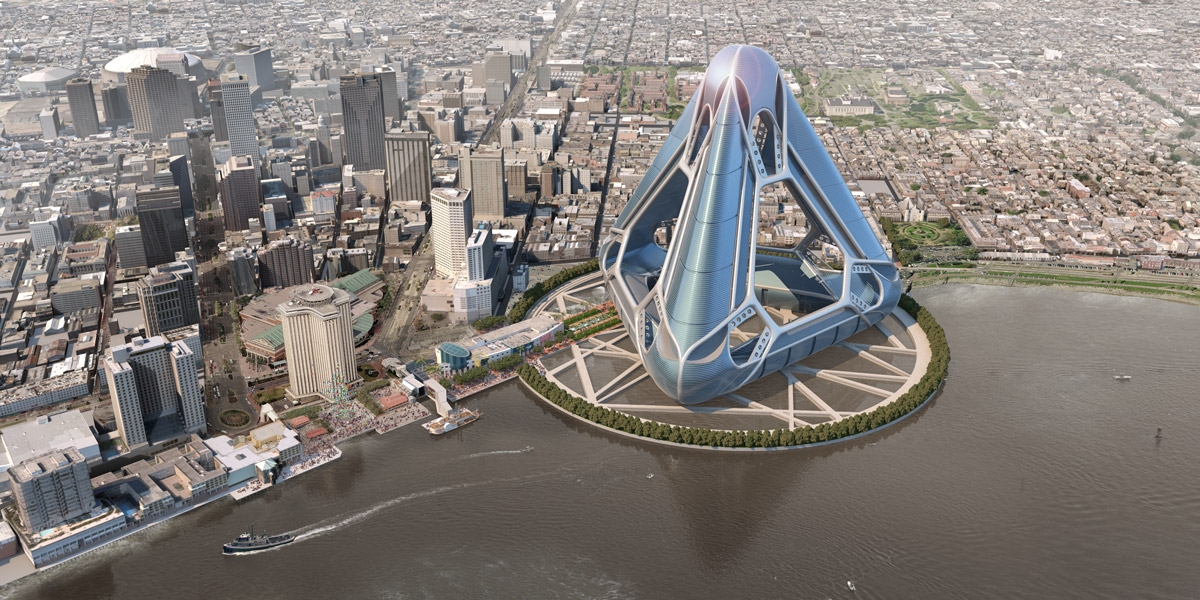
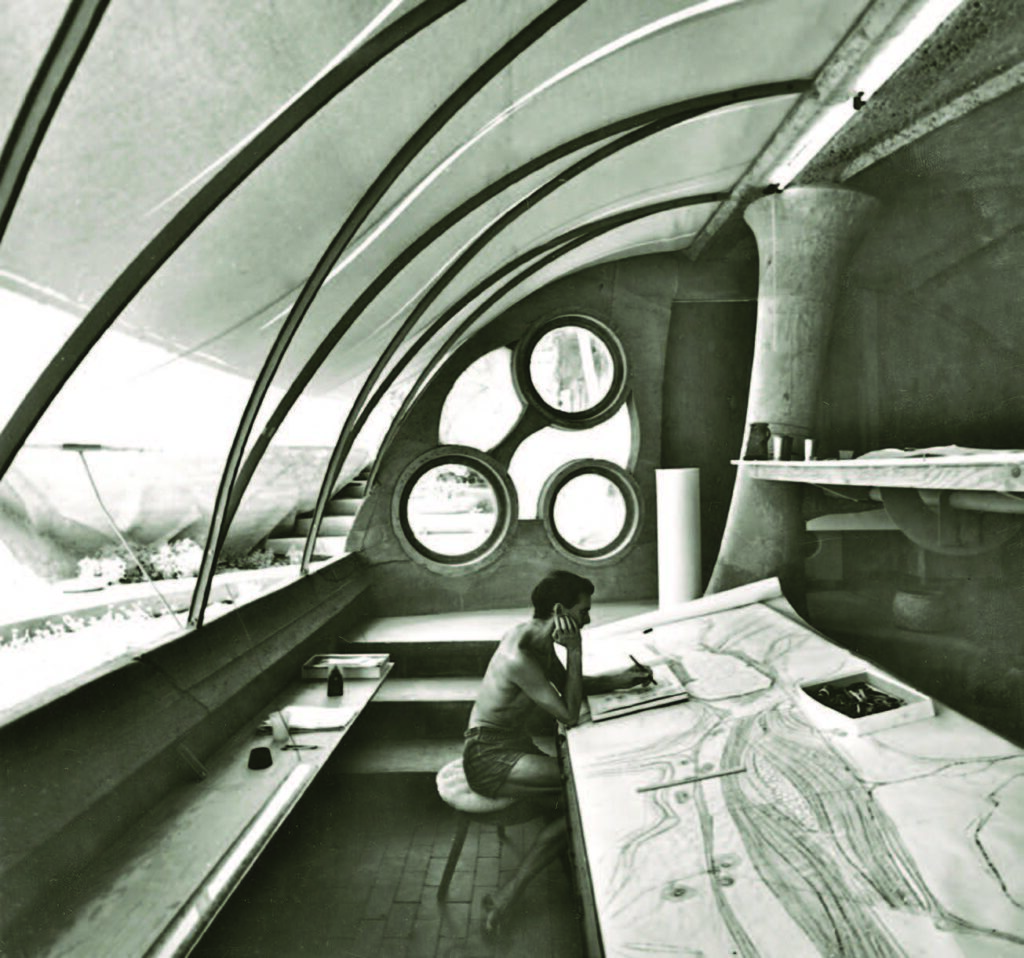
Paolo Soleri’s arcology idea fused architecture and ecology: dense vertical habitats meant to pack housing, agriculture, industry, and culture into one organism-like system, instead of spreading outward into fragile ecosystems.[2][31]
That same logic keeps showing up in gated communities: controlled entrances, private security, and even 24/7 guards or facial recognition in some compounds. The wall becomes a filter for who gets comfort, and who gets watched.[5][14]
![Figure 1.4 Transparent edges of the gated communities. SPR residency, Sector 82, Faridabad [Photo courtesy: Author]](https://figures.academia-assets.com/68864969/figure_006.jpg "Figure 1.4 Transparent edges of the gated communities. SPR residency, Sector 82, Faridabad [Photo courtesy: Author]")
Real-world private cities push the idea further. Forbes describes Danga Bay as a 20,000-person development where a security agent told a visitor cameras were not allowed, and the company’s word was law.[18]

Privatized infrastructure makes the enclosure feel total: local-government guides warn that P3s can reduce public control, hide information, raise user fees, and lock cities into long contracts that favor profit over public need.[22][6][12]

So the cyberpunk arcology isn’t just a cool megastructure. It is a vertical bargain: live in the tower, buy your safety, rent your mobility, accept the cameras, and call it civilization. Which real-world parallel hits hardest? Reply with your pick.[28][9]
Examinons les alternatives :
- Modifier la requête.
- Démarrer une nouvelle conversation.
- Supprimer des sources (si elles ont été ajoutées manuellement).