Descubre Pandipedia
Un directorio creciente de respuestas útiles seleccionadas por la comunidad de Pandi. Busca en la colección o explora los últimos descubrimientos.
2609 entradas disponibles

what is the aha moment in product development

The 'aha moment' in product development refers to the critical moment when a user first perceives the value of a product and understands why they need it. This pivotal realization, often described as a moment of clarity or insight, transforms an evaluating user into an engaged one. It is vital for retaining customers, as users who do not encounter an aha moment are less likely to continue using the product[1].
Identifying the aha moment involves analyzing user behavior and finding specific actions that correlate with increased engagement and retention[3]. For different products and user segments, the specific actions that signify an aha moment can vary significantly. For example, for Uber, it might be hailing a ride quickly, while for Netflix, it could be watching something enjoyable shortly after signing up[6].
To guide users toward their aha moments, companies must enhance the onboarding process and reduce friction within the user journey. This can include various strategies, such as using interactive walkthroughs and tooltips that direct users to key product features[5].
Ultimately, achieving a rapid aha moment is crucial, as it can lead to user activation, retention, and even prompt users to upgrade to paid subscriptions. Hence, understanding and optimizing for the aha moment is essential for any product aiming for long-term success and user satisfaction[2].
Veamos alternativas:
- Modifica la consulta.
- Inicia un nuevo hilo.
- Eliminar fuentes (si se han agregado manualmente).
Posture-enhancing home office setups

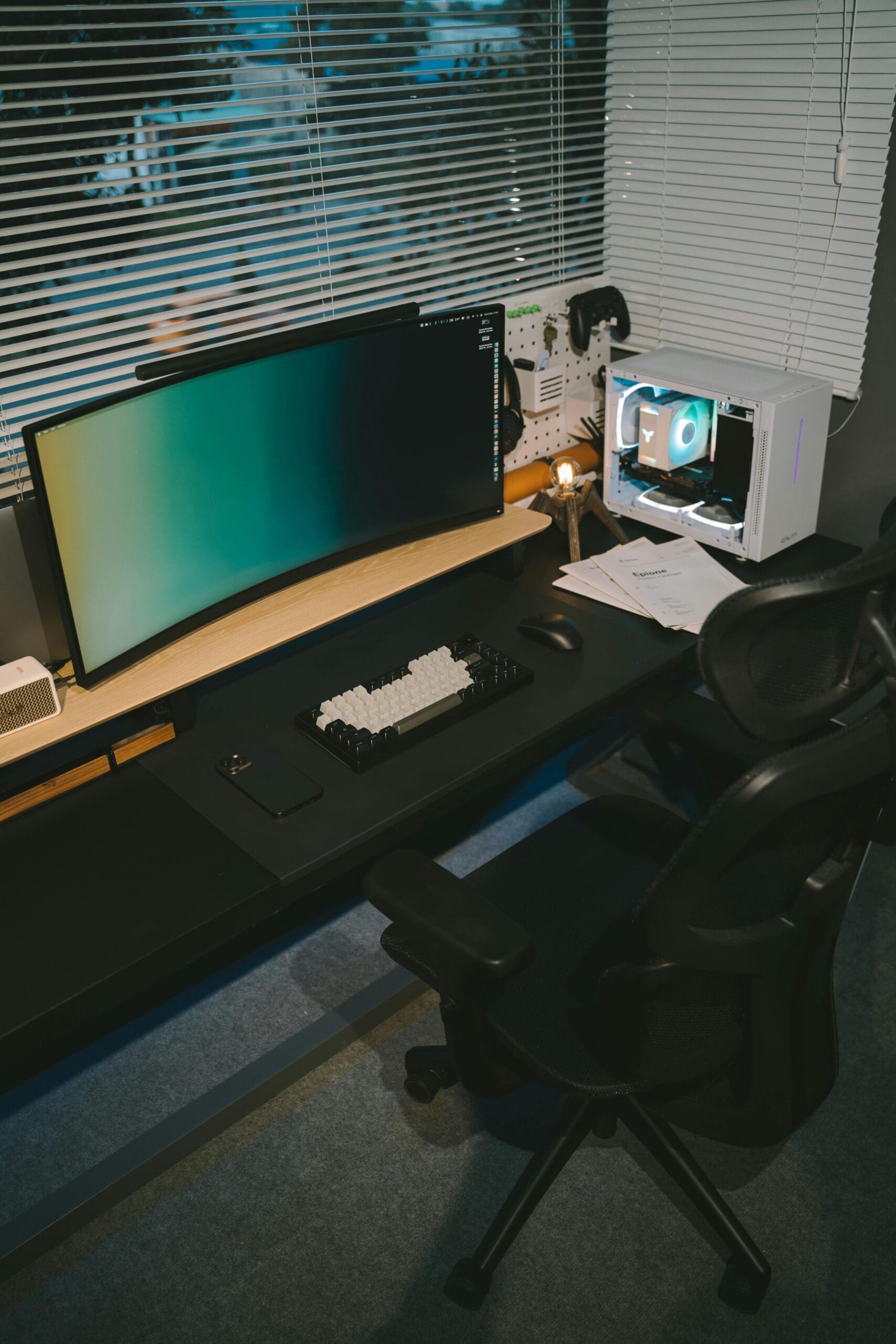






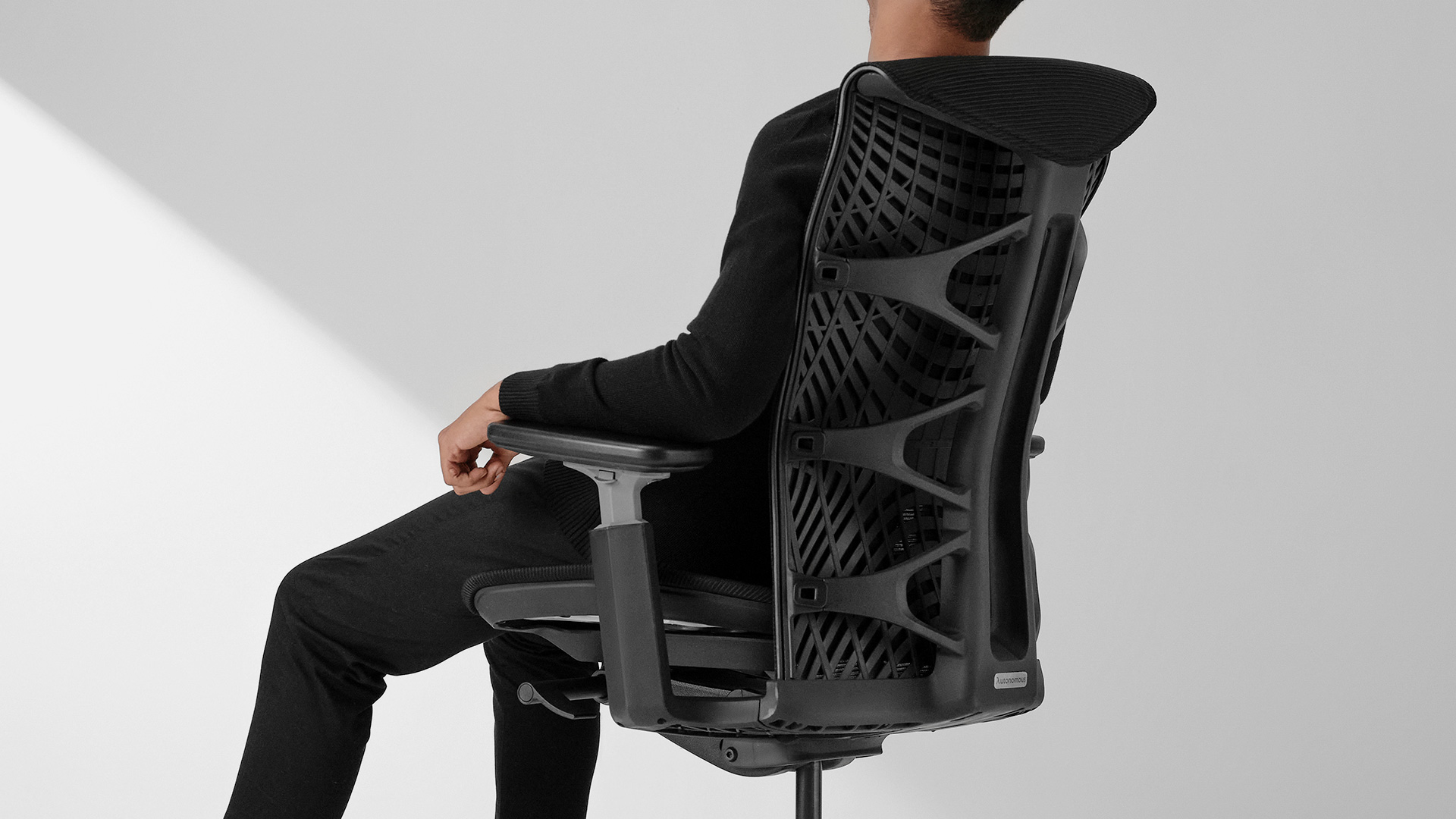

Veamos alternativas:
- Modifica la consulta.
- Inicia un nuevo hilo.
- Eliminar fuentes (si se han agregado manualmente).
Explanations of Mysterious Phenomena in "The Moon Pool"
Explanations of Mysterious Phenomena in "The Moon Pool"
Introduction
In A. Merritt's "The Moon Pool," characters encounter mysterious phenomena that they attempt to explain through a blend of scientific theories and supernatural beliefs. These explanations often reflect the characters' backgrounds and worldviews, creating a dynamic interplay between reason and the inexplicable.
Dr. Walter T. Goodwin, a botanist, and Dr. David Throckmartin, a fellow scientist, initially seek naturalistic explanations for the strange occurrences. Throckmartin theorizes that the Moon Rock is composed of an element sensitive to moon rays, similar to how selenium reacts to sun rays, with small circles acting as an operating mechanism that requires the full moon's strength to open the slab and summon the Dweller[1]. He also suggests that the sleep phenomenon experienced by his party could be a coincidence caused by gaseous emanations or plants, and the peculiar tinkling music might be vibrations affecting the nervous system[1]. Goodwin expands on this, proposing that the Dweller itself might be a product of an advanced science developed by a surviving ancient race from a sunken Pacific continent, who mastered forms of energy like light[1]. He explains that moonlight, after reflecting off the moon, is altered, potentially carrying energies from an unknown lunar element[1]. These altered rays, combined with the influence of the globes in the Moon Pool Chamber, are the necessary factors for the Dweller's formation[1]. Goodwin also describes the green ray used by Yolara as an agent that stimulates atomic vibration, causing matter to disintegrate into electrons[1], and the invisible cloaks as material that admits or curves light vibrations, rendering the wearer wholly invisible[1]. He notes that the coria (shells) are activated by atomic energy, which creates a partial negation of gravity and a repulsive thrust[1]. The
moss death
Scientific Explanations
fungus is explained as a rapidly developing organism that destroys flesh by microscopic hooks and rootlets[1]. The Yekta of the Crimson Sea is described as a hydroid that secretes a swiftly acting poison, destroying the nervous system and creating an illusion of extended torment[1]. Goodwin also speculates that the Three are highly intelligent beings whose evolution took a different path in the caverns, leading to unique brain structures and values[1]. Dr. Marakinoff, a Russian physicist, contributes scientific explanations as well. He identifies the Moon Pool's liquid as intensely radioactive and unlike any known fluid on Earth, acting like radium with a mysterious added element[1]. He believes the chamber walls confine an atomic manipulation, a conscious arrangement of electrons that emit light indefinitely[1]. Marakinoff also suggests that the moon was hurled from the Pacific region, which would explain the Moon Chamber's dependence on moon-rays and the vast internal spaces[1]. He reveals the existence of "gravity-destroying bombs" that cut off gravity, sending objects into space[1]. The talking globes are explained as mechanisms utilizing wireless telegraphy principles and the interchangeability of light and sound vibrations, creating a "field of force"[1]. He describes the Shining One as a creation from the ether, imbued with a "soul of light" and the "essence of life" from Earth's heart, with seven orbs as channels for sentience[1]. The Dweller's ability to embody both rapture and horror is attributed to its balancing of poles of utter joy and utter woe[1].
Supernatural Beliefs
In contrast to the scientific perspectives, many characters hold strong supernatural beliefs. Thora Halversen, a Swedish nurse, exhibits a "curious sensitivity" to the place's "influences," believing it "smelled" of ghosts and warlocks, and performs an "archaic" gesture to the moon to stop the tinkling sounds[1]. The Ponape natives are deeply superstitious, fearing malignant spirits called "ani" and refusing to go to the ruins during full moon nights[1]. Olaf Huldricksson, a Norse sailor, believes the Dweller is a "sparkling devil" or "moon devil" that took his family, equating it with Loki and praying to Thor and Odin for vengeance[1]. He refers to the underground world as "Trolldom" (witchcraft) and "Helvede" (hell)[1]. Larry O'Keefe, despite his modern background, firmly believes in Irish folklore, including banshees, leprechauns, and phantom harpers[1]. He later attributes the Silent Ones to the Tuatha De Danann, ancient Irish gods[1]. The Murian rulers, Yolara and Lugur, worship the "Shining One" as a deity, believing it grants them power and dominion[1]. Lakla, the handmaiden of the Silent Ones, believes in their ancient wisdom and power, stating that they created the Dweller and possess wondrous healing abilities[1]. Lakla also states that love is stronger than death and the Shining One, suggesting it can weaken the Dweller's evil[1].
Clash of Perspectives
The narrative highlights the clash between these scientific and supernatural viewpoints. Larry O'Keefe, despite his belief in banshees and leprechauns, initially dismisses Olaf's account of the "sparkling devil" as a "collective hallucination" caused by volcanic gas[1]. However, as he witnesses more inexplicable events, his skepticism wanes, and he becomes a staunch ally in the quest, even if he still tries to rationalize the frog-men as trained animals[1]. Goodwin, the scientist, is often irritated by O'Keefe's "superstition" but ultimately accepts his companionship[1]. The Murians themselves are divided, with Yolara and Lugur embracing the Shining One's power for conquest, while Lakla and the Silent Ones represent an older, more benevolent, yet still mysterious, force that seeks to contain the evil unleashed by the Dweller.
Conclusion
The narrative of "The Moon Pool" intricately weaves together scientific inquiry and ancient beliefs. While characters like Goodwin and Marakinoff strive to understand the phenomena through the lens of advanced physics and biology, others, like Olaf and Larry, interpret them through the prism of their cultural and personal mythologies. This duality underscores the profound and unsettling nature of the mysteries encountered, suggesting that some truths may lie beyond the current grasp of either pure science or traditional superstition, or perhaps, that they are two sides of the same coin.
Veamos alternativas:
- Modifica la consulta.
- Inicia un nuevo hilo.
- Eliminar fuentes (si se han agregado manualmente).
Did you know your watch can spot dehydration?
Transcripción
Imagine your watch not only telling time but also keeping an eye on your hydration. Modern wearables use sensors that measure the electrical conductance of your skin, a method known as galvanic skin response. When you are well hydrated, your skin has more water and conducts electricity better. In contrast, when you are dehydrated, the skin becomes less conductive due to reduced water levels. These devices also monitor subtle changes in your body temperature, which can provide further clues about your hydration status. Together, these advanced measurements help predict when you might be becoming dehydrated, allowing you to take action before health issues arise.
Veamos alternativas:
- Modifica la consulta.
- Inicia un nuevo hilo.
- Eliminar fuentes (si se han agregado manualmente).
5 milestones in holographic display tech
Veamos alternativas:
- Modifica la consulta.
- Inicia un nuevo hilo.
- Eliminar fuentes (si se han agregado manualmente).
Giant's Causeway: The Hexagon Enigma
Transcripción
Nestled along Northern Ireland's rugged coastline, the Giant's Causeway reveals about 40,000 interlocking basalt hexagons formed from ancient volcanic lava that cooled rapidly<sup class='text_citation' source_id='3' start_phrase='approximately 40,000 interlocking' end_phrase='cooled rapidly'></sup><sup class='text_citation' source_id='5' start_phrase='the rocks of the WHS' end_phrase='ancient lava poured'></sup>.
As molten rock contracted and cracked, nature crafted perfect hexagonal patterns, revealing a brilliant geological puzzle<sup class='text_citation' source_id='2' start_phrase='columns protrude out' end_phrase='hexagonal, prismatic column shapes'></sup><sup class='text_citation' source_id='11' start_phrase='formation of interlocking basalt' end_phrase='cooling and contracting into'></sup>.
Over millions of years, wind and water gently sculpted this natural wonder, deepening its mystery and allure<sup class='text_citation' source_id='6' start_phrase='spectacular area of global geological' end_phrase='world heritage centre'></sup><sup class='text_citation' source_id='9' start_phrase='solidifying as rock' end_phrase='geologic significance is so'></sup>.
Today, the Giant's Causeway stands as a majestic monument to Earth's dynamic history, enchanting all who visit<sup class='text_citation' source_id='8' start_phrase='new theory for the Giant's' end_phrase='beautiful and mysterious'></sup>.
Fuentes
- The Giant’s Causeway (Northern Ireland) and how it formed?
- Giant's Causeway - Wikipedia
- The Giant's Causeway and Causeway Coast
- Giant's Causeway and Causeway Coast
- New theory for the Giant's Causeway's formations revealed
- Giant's Causeway Geology
- Giant’s Causeway: The Science Behind Ireland’s Most Mythical Rocks
Veamos alternativas:
- Modifica la consulta.
- Inicia un nuevo hilo.
- Eliminar fuentes (si se han agregado manualmente).
Is it true that Greeks portrait women as the devil?
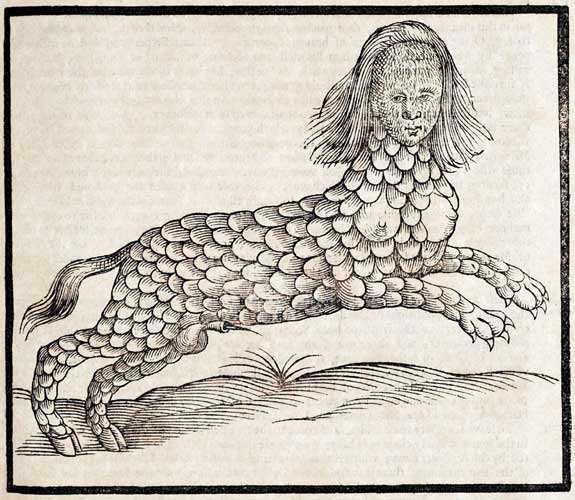
Yes, Greek mythology often portrays women as monstrous figures, embodying male fears about female power and motherhood. Lamia, for example, is depicted as a child-devouring demon whose transformation into a monster follows her grief over losing her children to Hera, suggesting a deep-seated anxiety about women's roles in nurturing and caring for children[1][3].
Additionally, creatures like Gello serve as representations of similar fears, associated with infertility and child mortality[5]. This pattern extends to other figures in mythology, like Medea, who embodies both the nurturing and destructive potential of women, further reinforcing the demonization of powerful female figures in ancient narratives[6].
Veamos alternativas:
- Modifica la consulta.
- Inicia un nuevo hilo.
- Eliminar fuentes (si se han agregado manualmente).
Hook: Why game music boosts study focus
Transcripción
Welcome to our audio clip. Today we explore why game music boosts study focus. Our brains naturally adjust their rhythm to match steady beats, a process known as brainwave entrainment. Rhythmic sounds help guide our minds into states that are perfect for concentration. Video game soundtracks are carefully chosen to be instrumental and constant, which means they avoid distracting words and instead provide a gentle, continuous pulse. Ambient loops, whether drawn from calming nature sounds or the repetitive scores of popular games, create a soothing background atmosphere. This steady sound pattern has been found to reduce stress and improve memory by stimulating both halves of the brain at the same time. By playing your favorite game music during study, you are inviting your mind to sync with a rhythm that helps keep you alert and focused. Enjoy the melody and let the rhythm enhance your study session.
Veamos alternativas:
- Modifica la consulta.
- Inicia un nuevo hilo.
- Eliminar fuentes (si se han agregado manualmente).
Understanding ScreenAI: A Vision-Language Model for UI and Infographics
Understanding ScreenAI: A Vision-Language Model for UI and Infographics
Introduction to ScreenAI
ScreenAI is an innovative vision-language model designed to enhance the understanding of user interfaces (UIs) and infographics. As technology evolves, the ability to seamlessly interpret and interact with various visual formats becomes crucial. This model builds upon the principles shared between UIs and infographics, facilitating improved human-computer interaction.
Key Features of ScreenAI
Vision-Language Integration

ScreenAI leverages a modal architecture that combines visual inputs with natural language processing. This architecture is based on a unique mixture of datasets, which allows the model to tackle comprehension tasks related to both UIs and infographics. The system performs multiple functions including question answering, UI navigation, and summarization, all of which contribute significantly to understanding complex screens and infographics[1].
Advanced Task Performance
One of the standout features of ScreenAI is its ability to surpass existing benchmarks in crucial document understanding tasks. For example, during evaluation, ScreenAI achieved state-of-the-art (SoTA) results, especially in tasks that require comprehensive understanding of infographics and UI elements. This advancement is attributed to the model's customizable and adaptable nature, which facilitates its application across various formats and platforms[1].
Multi-Task Learning and Applications
ScreenAI’s architecture supports a multitude of tasks that enhance its usability. It is designed to perform effective screen annotation, facilitate question answering, and provide comprehensive screen summaries.
Screen Annotation

Screen annotation tasks involve detecting and identifying UI elements presented on a screen. The model incorporates a layout annotator to systematically label these elements, which include images, text, and various icons. This process is essential for interpreting data displayed in different formats[1].
Question Answering

In the context of question answering, ScreenAI can respond accurately to inquiries about infographics and UI layouts. For instance, users can pose complex questions regarding visual data, and the model generates explicit answers. This is achieved through an integrated understanding of the visual and textual elements, allowing it to provide concise and relevant information[1].
Summarization Capabilities
Moreover, ScreenAI excels in summarizing content displayed within UIs and infographics. The model is designed to distill essential information from complex visuals, making it easier for users to grasp key messages without sifting through excessive details[1].
Training and Model Architecture
Training Procedures
The training procedures for ScreenAI are grounded in self-supervised learning, allowing the model to learn from vast amounts of unlabeled data. This approach addresses the challenges related to data scarcity and enhances the model’s performance across various tasks by dynamically adjusting to different datasets[1].
Model Architecture
The architecture applies a multimodal encoder that processes both text and images, making it adept at tackling format variations. By integrating feedback mechanisms, the model continually refines its predictions, leading to improved accuracy over time. The vision encoder significantly contributes to understanding the contextual nuances present in different visual scenarios[1].
Evaluation and Results
State-of-the-Art Performance
During extensive evaluations, ScreenAI was benchmarked against several leading models. The results demonstrated that it outperformed existing models by achieving higher accuracy in tasks like screen annotation and question answering. For instance, it was noted that the incorporation of advanced features such as pix2struct patching significantly enhanced its ability to generalize across diverse visual inputs[1].
Diverse Task Adaptation
ScreenAI's ability to adapt to various tasks further underscores its versatility. From analyzing mobile screens to large document layouts, the model maintains a consistent performance level. Its training regimen includes a robust mixture of pre-training and fine-tuning tasks that prepare it for real-world applications, offering insights across multiple domains[1].
Conclusion
ScreenAI represents a significant leap forward in the field of vision-language models, particularly regarding the understanding of user interfaces and infographics. With its advanced architecture, robust training methodologies, and proven state-of-the-art performance, ScreenAI not only enhances the interaction between humans and machines but also sets a new standard for future developments in intelligent visual data comprehension. The integration of various tasks within a unified model showcases its potential to transform how users interact with complex visual information in everyday applications[1].
Veamos alternativas:
- Modifica la consulta.
- Inicia un nuevo hilo.
- Eliminar fuentes (si se han agregado manualmente).
Why do castrated men (eunuchs) live longer?

Castrated men, known as eunuchs, tend to live longer than their uncastrated counterparts due to several factors. A Korean study found that eunuchs lived an average of 70 years, around 15 years longer than intact men from similar social statuses[3][6]. The absence of testosterone, a hormone linked to various health issues, is believed to contribute to this increased longevity[6]. Lower testosterone levels may help reduce risks of cardiovascular diseases and certain cancers, leading to a healthier and longer life[4][6].
Castration also prevents the physiological changes associated with puberty, which can impact health in ways that contribute to shorter lifespans in men[6]. Eunuchs often experienced different lifestyles, and their roles in society were primarily non-aggressive and focused on service, which may also have influenced their longevity[6].
Veamos alternativas:
- Modifica la consulta.
- Inicia un nuevo hilo.
- Eliminar fuentes (si se han agregado manualmente).