Descubre Pandipedia
Un directorio creciente de respuestas útiles seleccionadas por la comunidad de Pandi. Busca en la colección o explora los últimos descubrimientos.
2619 entradas disponibles
Can you identify the scientific theories discussed in 'A Strange Manuscript'?
Veamos alternativas:
- Modifica la consulta.
- Inicia un nuevo hilo.
- Eliminar fuentes (si se han agregado manualmente).

Digital Platforms and Their Role in Combating Stigma
Digital Platforms and Their Role in Combating Stigma
Introduction


Digital platforms have emerged as powerful tools in the effort to combat stigma, especially surrounding mental health. Through a diverse range of online interventions and strategies, these platforms help to educate the public, provide spaces for social connection, and empower marginalized voices. Various studies and reviews have explored how digital media not only disseminates accurate information but also actively challenges negative stereotypes by enabling direct communication and personal storytelling[1][2][4].
Enhancing Awareness and Education


One of the primary ways digital platforms work to reduce stigma is by raising public awareness and promoting accurate knowledge about mental health. Educational campaigns conducted through social media and dedicated websites spread fact‐based information that counteracts myths about mental illness[2][4]. For instance, platforms have been used to share personal narratives, factual content, and myth-busting messages to educate audiences about mental health conditions, emphasizing that mental illnesses are treatable and that seeking help is a sign of strength rather than weakness[1][23]. Additionally, online tools allow for interactive learning experiences that enhance mental health literacy and encourage positive attitudes toward professional care and social inclusion[13].
Facilitating Social Connection and Direct Engagement


Digital platforms offer an interactive space for individuals to connect with others who have similar experiences. This direct contact, whether through online support groups, peer-to-peer forums, or live chat services, creates a ‘social contact’ effect that humanizes the experience of mental illness and counteracts stigma[5][7]. Several campaigns and interventions have shown that when individuals share their firsthand experiences via these platforms, negative stereotypes are challenged and social distance is reduced. Studies report that such contact-based approaches, especially those involving first-person narratives, are among the most effective methods for diminishing stigma[1][16][20]. Moreover, the immediacy of digital interactions allows for ongoing conversation, which contributes to sustaining a supportive network that facilitates both understanding and recovery[8][21].
Empowering Marginalized Voices

Digital platforms also serve as a vehicle for marginalized communities to reclaim their narratives and assert their identities. By providing accessible and often anonymous spaces, these platforms empower individuals who might otherwise be silenced by traditional societal norms[3][15]. Efforts such as community-led journalism and decentralized governance in online environments enable underrepresented groups to share their stories directly. This not only helps in combating stigma but also creates a sense of solidarity among community members who feel excluded from mainstream channels[12][18][24]. Through increased representation and inclusive participation, digital tools promote equity and help break down cultural and socioeconomic barriers that contribute to stigmatization[7][9].
Digital Activism and Community Mobilization

Online activism has transformed the landscape of how stigma is confronted. Social media campaigns, digital petitions, and hashtag movements mobilize vast audiences rapidly, channeling public attention toward issues of stigma and discrimination[6][11]. These digital actions not only challenge opposing stereotypes in real time but also facilitate collective efforts that pressure institutions to reform policies and practices. Activists often use digital platforms to share impactful content that redefines public discourse around mental health, effectively turning passive observation into active engagement[17][19][22]. By combining educational content with grassroots mobilization, digital activism contributes to creating a more balanced and supportive narrative about mental health care and recovery.
Measuring and Evaluating Impact
Research suggests that digital interventions can lead to small to moderate improvements in attitudes toward mental health, especially among young people[23]. Studies using online platforms for mental health promotion and intervention have measured outcomes such as reduced prejudice, decreased social distance, and improved help-seeking behavior[5][14]. Although many of these interventions are still in preliminary stages, evidence indicates that the integration of direct contact, educational messaging, and interactive technology is effective in altering stigmatizing views. The use of validated scales and follow-up assessments in these studies helps to further substantiate the role of digital platforms in creating lasting change[13][10].
Challenges and Considerations
While digital platforms have shown significant promise in combating stigma, several challenges remain. Not all individuals have equal access to digital technologies, and issues related to digital literacy, privacy, and the potential for superficial engagement, sometimes labeled as ‘slacktivism,’ can limit the overall effectiveness of these interventions[6][15]. Additionally, the need to ensure that content is culturally sensitive and accessible in multiple languages is crucial for reaching a global audience[2][12]. Continuous evaluation and adaptation of these digital strategies are necessary to address the concerns of misinformation and digital exclusion while maximizing the potential benefits[14][20].
Conclusion
Digital platforms play a multifaceted role in battling stigma by educating the public, facilitating personal connection, and empowering marginalized groups to share their stories. They act as catalysts for social change by enabling interactive, peer-supported, and community-driven approaches that challenge negative stereotypes and promote mental health literacy. Despite challenges related to access and engagement, the evidence consistently indicates that digital interventions, particularly those incorporating direct contact and educational content, are effective tools in reducing stigma. As these platforms continue to evolve, their capacity to influence public perception and foster more inclusive societies is likely to expand, making them an indispensable asset in the fight against stigma[1][2][4][7][12][16][23].
Veamos alternativas:
- Modifica la consulta.
- Inicia un nuevo hilo.
- Eliminar fuentes (si se han agregado manualmente).


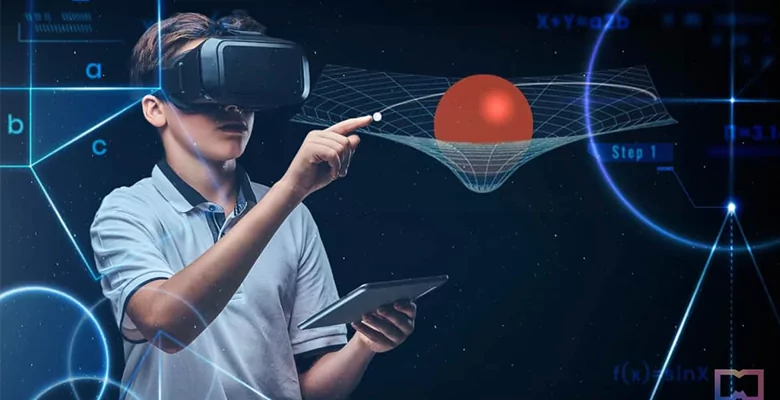
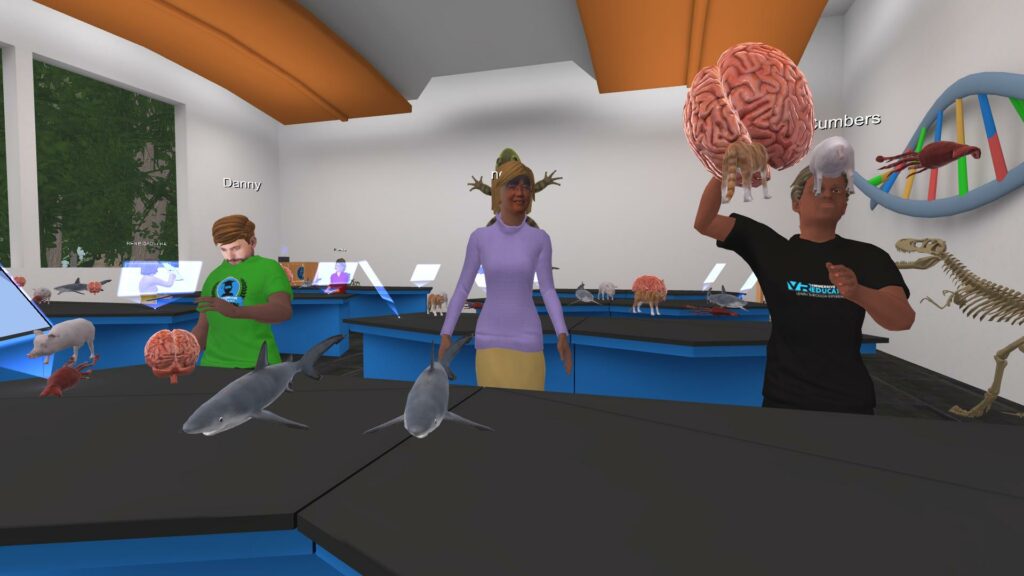
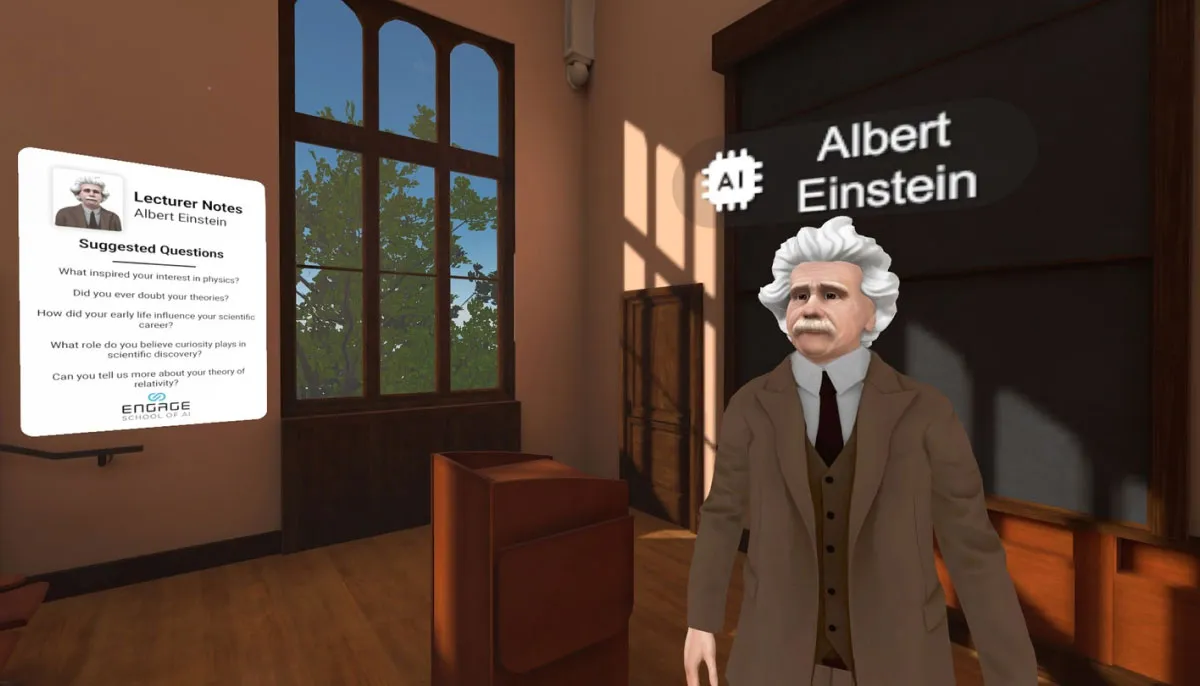




Why is goal-setting important?

Goal setting is important because it provides clarity, direction, and motivation in both personal and professional life. It helps individuals align their daily actions with their long-term aspirations, ensuring focus on what truly matters. According to the research, setting specific and challenging goals enhances performance and fosters greater self-esteem and self-efficacy, as it encourages a sense of accomplishment with measurable outcomes[1][2][3].
Additionally, goal setting processes equip people to manage their time effectively, prioritize actions, and reduce stress by sharpening their focus on high-value activities. This structured approach can significantly increase productivity, ultimately leading to personal growth and fulfillment[5][6].
Veamos alternativas:
- Modifica la consulta.
- Inicia un nuevo hilo.
- Eliminar fuentes (si se han agregado manualmente).
What are some popular ASMR channels to follow?
Transcripción
Gentle Whispering ASMR
Known for her calming voice and role-play videos, Maria promotes relaxation and stress relief, making her a highly influential ASMRtist with millions of subscribers[5][8].
ASMR Darling
A versatile creator celebrated for her wide range of triggers, including role-plays and personal attention, boasting over 2.5 million subscribers[2][7].
Gibi ASMR
Popular for her creative role-playing and a mix of ASMR triggers, Gibi's engaging characters and soothing voice attract a broad audience[7][8].
Heather Feather
An early ASMRtist known for her binaural sounds and immersive role-plays, she has a large archive of relaxing content[7][8].
FrivolousFox
Focuses on mouth sounds, head massage, and ASMR singing, appealing to audiences seeking soothing audio experiences[1].
ASMR Zeitgeist
Utilizes deep voices and high-quality audio equipment, providing a unique ASMR experience[3][6].
Tingting ASMR
Celebrated for her diverse range of ASMR videos, including makeup and hair-related content, with a significant following[5][8].
PPOMO ASMR
A Korean ASMRtist who produces videos primarily without showing her face, focusing on soothing soundscapes[6][8].
ASMR Bakery
Known for trigger assortment videos that emphasize sound, making her content a hub for ASMR lovers[3][8].
Goodnight Moon ASMR
Creates immersive role-plays that often provide a cozy atmosphere, ideal for late-night relaxation[2][4].
Jojo’s ASMR
Engaging and funny, combining humor with traditional ASMR roles for a unique viewing experience[1][6].
Latte ASMR
Known for high-quality productions and unique role-play scenarios, including detailed aesthetician roles[8][7].
ASMR Glow
Offers creative role-plays along with specific sound triggers, making her a fan favorite[7][8].
SAS-ASMR
Famous for her eating sounds and mukbang videos, bringing a unique twist to traditional ASMR content[4].
ASMRrequests
Focused on elaborate production quality and various character roles, her content is both immersive and well-crafted[5][6].
Moonlight Cottage ASMR
Renowned for producing visually engaging role-playing scenarios steeped in historical ambiance[5][10].
ASMR Massage Psychetruth
Provides massage-themed content with sound-focused techniques that effectively induce relaxation[4].
Spirit Payton
Adds personal attention and mouth sounds to her ASMR content, engaging a diverse audience[2][3].
RaffyTaphy ASMR
Known for his playful style and diverse tapping sounds, he is a beloved figure in the ASMR community[3].
Cosmic Tingles
Offers creative ASMR experiences that range from soft whispers to engaging sound environments[4].
ASMR Superstars
Features an array of ASMR artists and unique videos that cater to various triggers and preferences[3].
The French Whisperer
Creates informative and immersive videos in multiple languages, perfect for contextually rich ASMR experiences[2].
WhispersRed ASMR
Focuses on meditation and ASMR therapy, aiming for mental wellness through soothing sounds[5][6].
Vito ASMR
Provides extensive ASMR triggers that range from writing sounds to unique roles for deep relaxation[5].
Korean ASMR
Highlights cultural elements in her ASMR content, appealing to a global audience with multilingual support[3].
Gentle Whispering Cinema
Elevates ASMR with high-quality visuals, immersing viewers in a unique sound experience[5].
Relaxing ASMR
A repository of various ASMR themes focused on relaxation, sleep, and soothing narratives[8].
Chynaunique ASMR
Featuring lip gloss application and personal attention content, her style draws a dedicated following[3][4].
Core ASMR Experience
Offers a range of role-plays and personal attention videos, creating a cozy and immersive environment for viewers[8].
Fuentes
- 50+ Most Popular ASMR Artists that You Should Follow
- 12 best ASMR channels on YouTube for a soothing experience
- The 70 Best ASMRtists On YouTube
- The Ultimate List Of The Best ASMR Artists Or ASMRtists
- The 9 Best ASMR YouTube Channels for Sleep and Relaxation
- Where to Find the Best ASMR Videos on YouTube
- 5 ASMR Channels You Should Follow If You Need to Decompress
- The 7 Best ASMR Channels On YouTube To Make You Sleep Like A Baby
- Discover the most popular ASMR videos from the top 20 channels on YouTube.
- ✨ Top 10 ASMR Channels You Need to Follow for Ultimate Relaxation ✨
Veamos alternativas:
- Modifica la consulta.
- Inicia un nuevo hilo.
- Eliminar fuentes (si se han agregado manualmente).

is it safe o inbest in ev market?
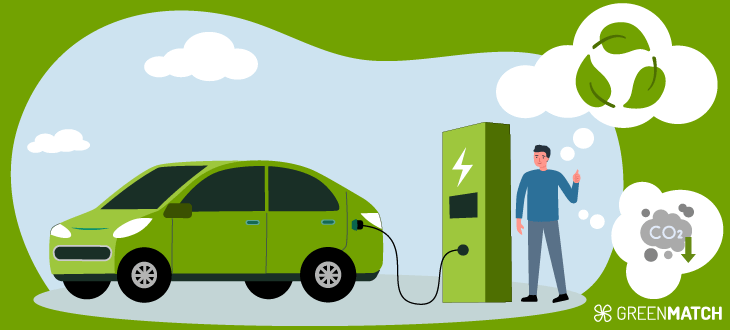
Investing in the electric vehicle (EV) market can be seen as a promising opportunity, but potential investors should note several factors that may influence its safety and viability.
The EV market is expected to grow significantly. For example, the global EV market, valued at £291.5 billion in 2023, is projected to more than double to £714.9 billion by 2030, indicating strong long-term potential driven by technological advancements and supportive government policies[1]. Furthermore, global sales of EVs are forecasted to reach approximately 16.7 million units in 2024, up from around 13.9 million in the previous year, representing a growth rate of about 20%[6].
Specific projections for 2025 suggest that EVs could make up about 10% of the U.S. market share, increasing from 7.5% in 2024[2]. In Europe, sales are also expected to recover, with Western European EV sales predicted to grow from 1.9 million to 2.7 million in 2025, indicating a recovery in the market after previous downturns[3].
However, several challenges persist that could impact the investment environment. These include concerns about charging infrastructure availability, which is a significant barrier to adoption as many consumers cite the lack of charging stations as a deterrent[5]. Additionally, uncertainties in policy, especially with changes in government and their impact on subsidies and tax incentives for EV purchases, could pose risks[3][6]. The transition may be further complicated by competition from cheaper Chinese EVs, which could pressure domestic producers and affect price dynamics[4][7].
In summary, while the growth potential in the EV market is considerable, challenges concerning infrastructure, policy stability, and competitive pressures should be carefully considered before making investment decisions. Investors should stay informed about evolving market conditions and policy developments to assess risk effectively.
Veamos alternativas:
- Modifica la consulta.
- Inicia un nuevo hilo.
- Eliminar fuentes (si se han agregado manualmente).
What is the difference between Bing Chat and Microsoft's Copilot mobile app?
Microsoft's Copilot, originally known as Bing Chat, is now positioned as a versatile AI assistant that integrates into various Microsoft applications and services, enhancing productivity across platforms like Windows and Microsoft 365. The Copilot mobile app allows users to access AI capabilities on the go, helping with tasks such as generating text and images, and providing real-time updates from the web[2][3].
In contrast, Bing Chat primarily functions as a web-based chat service integrated within the Bing search engine. While it offers various conversational features, the mobile app version provides additional functionality, like image generation and enhanced interaction through dedicated apps for iOS and Android[4][6].
Veamos alternativas:
- Modifica la consulta.
- Inicia un nuevo hilo.
- Eliminar fuentes (si se han agregado manualmente).
What causes earthquakes?

Earthquakes are caused by a sudden slip on a fault, which occurs when the stress on the edge of tectonic plates overcomes the friction holding them together. This sudden movement releases energy in the form of seismic waves that travel through the Earth's crust, resulting in ground shaking[4]. The Earth's crust is divided into tectonic plates that move very slowly but can build up stress over time. When this stress exceeds the strength of the rocks, an earthquake happens[1][4].
There are various types of faults associated with earthquakes, including normal, reverse, and strike-slip faults. Each type is characterized by different movements of the Earth's crust[5]. The majority of earthquakes occur along these fault lines, which are typically located at the boundaries of tectonic plates[2][6].
Additionally, human activities such as hydraulic fracturing and wastewater disposal can induce earthquakes, although these tend to be smaller in magnitude[3]. Overall, earthquakes most commonly occur where tectonic plates interact, primarily along fault lines in tectonically active regions such as the 'Ring of Fire' around the Pacific Ocean[2][5].
Veamos alternativas:
- Modifica la consulta.
- Inicia un nuevo hilo.
- Eliminar fuentes (si se han agregado manualmente).
What is the significance of the equator?

The equator is significant for several reasons. It is an imaginary line at 0 degrees latitude that divides Earth into the Northern and Southern Hemispheres, serving as a reference point for the latitude system used in mapping (which includes imaginary east-west lines called parallels)[2][4].
Geographically, the equator is where Earth's circumference is greatest, measuring about 40,075 kilometers (24,901 miles)[3][5]. This unique position also results in an equatorial bulge, meaning that Earth's diameter at the equator is approximately 12,756 kilometers (7,926 miles), compared to about 12,714 kilometers (7,900 miles) at the poles[3].
Climatically, the equator experiences a stable warm climate year-round, with very little seasonal variation. Instead of traditional seasons, regions around the equator generally recognize wet and dry seasons due to their proximity to the Sun, which is almost directly overhead at noon throughout the year[3][5]. Furthermore, during equinoxes, the sun passes directly over the equator, leading to nearly equal lengths of day and night[2][5].
Additionally, the equator is crucial for understanding Earth's climatic zones and ecosystems, particularly the lush tropical rainforests found in equatorial regions, which boast high biodiversity[1][3]. Overall, the equator is a key reference in geography, climate science, and environmental studies.
Veamos alternativas:
- Modifica la consulta.
- Inicia un nuevo hilo.
- Eliminar fuentes (si se han agregado manualmente).
Why the Trafalgar Square lions have no whiskers

The bronze lions beneath Nelson’s Column have no projecting whiskers. How do you cast a hair in solid metal?
Writing in 1867, Frank Buckland defended that omission. A lion’s fine, flexible whiskers would be difficult to represent in bronze; wire substitutes, he thought, would look absurd.
The heavy-looking paws raised the same problem. Fur gives a living limb a soft edge. Cast that outline in a solid material, and it can look clumsy. Buckland had seen the effect in his own plaster cast of a hare.
This is Buckland’s explanation, rather than Landseer’s recorded reasoning: the material helps explain what the sculpture leaves out.
Veamos alternativas:
- Modifica la consulta.
- Inicia un nuevo hilo.
- Eliminar fuentes (si se han agregado manualmente).