Descubre Pandipedia
Un directorio creciente de respuestas útiles seleccionadas por la comunidad de Pandi. Busca en la colección o explora los últimos descubrimientos.
2272 entradas disponibles

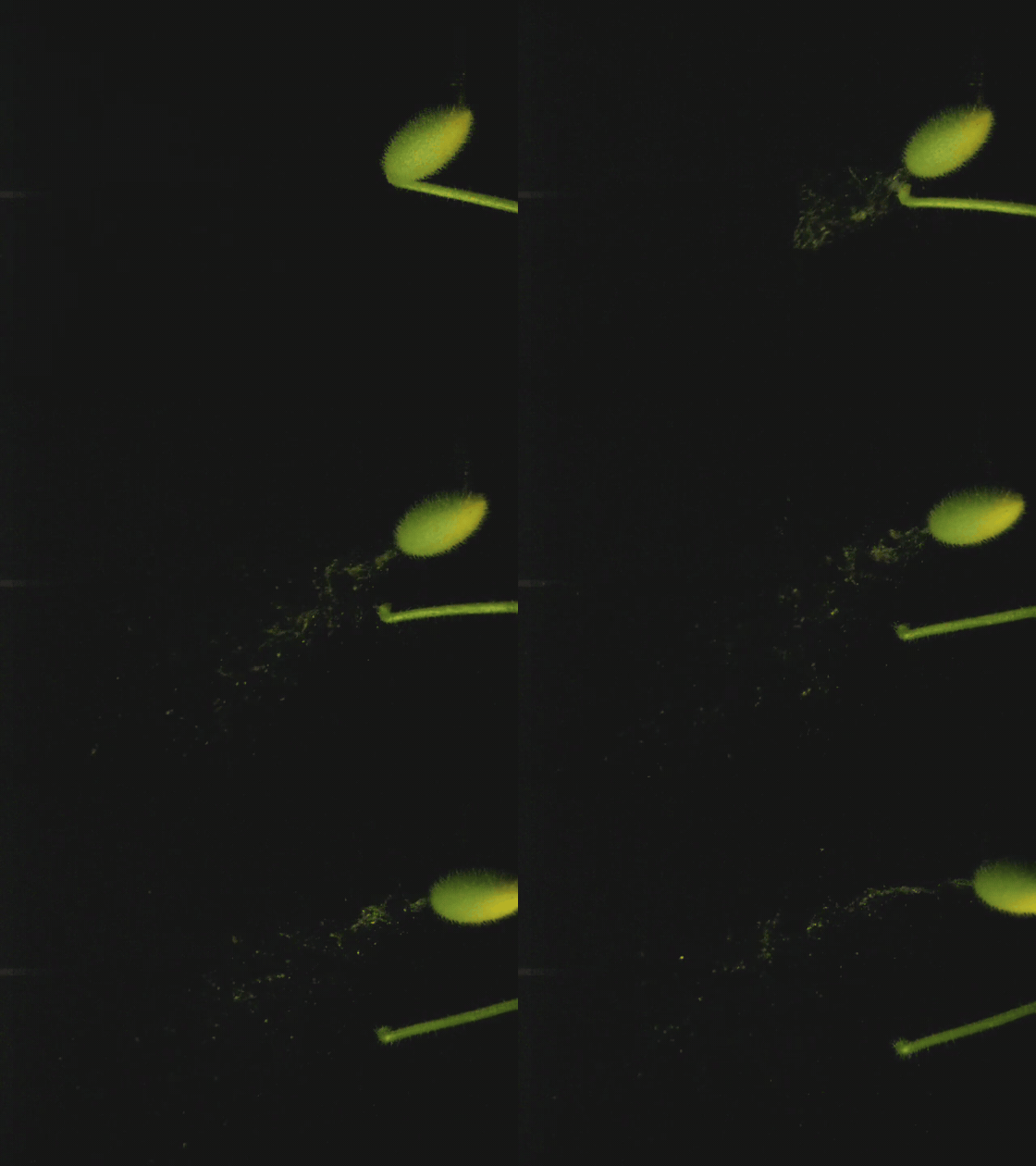
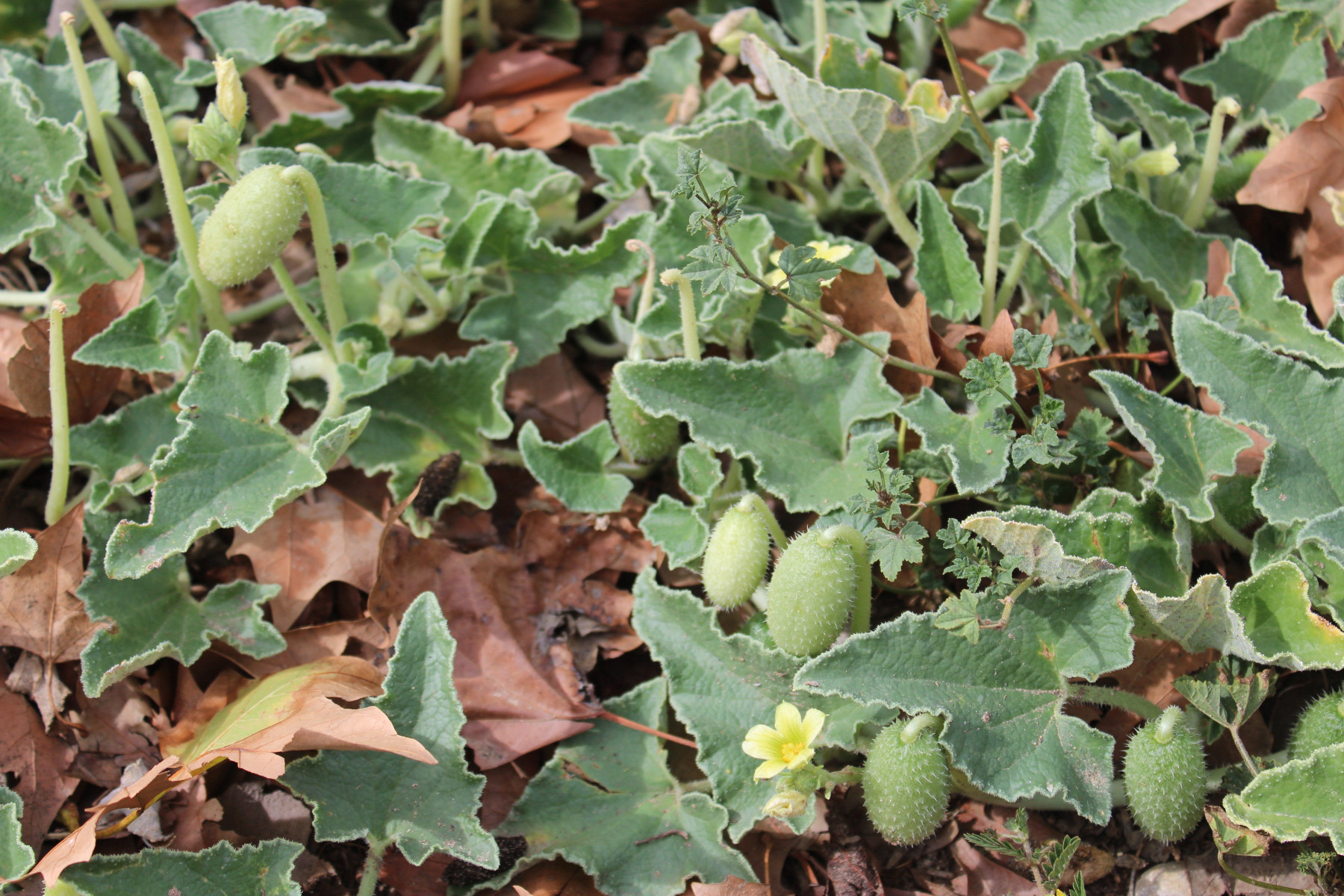
A plant that launches its seeds
Veamos alternativas:
- Modifica la consulta.
- Inicia un nuevo hilo.
- Eliminar fuentes (si se han agregado manualmente).
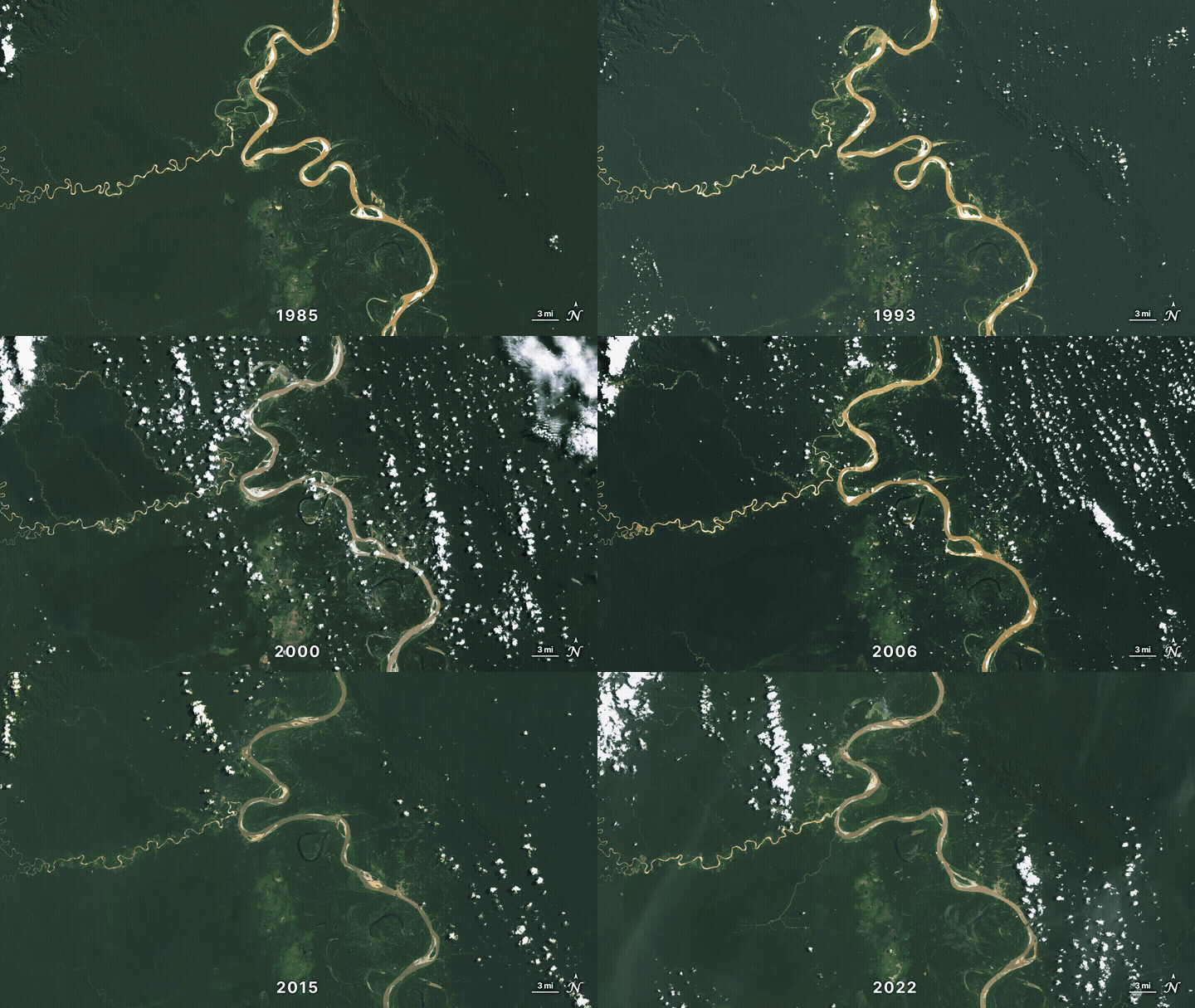
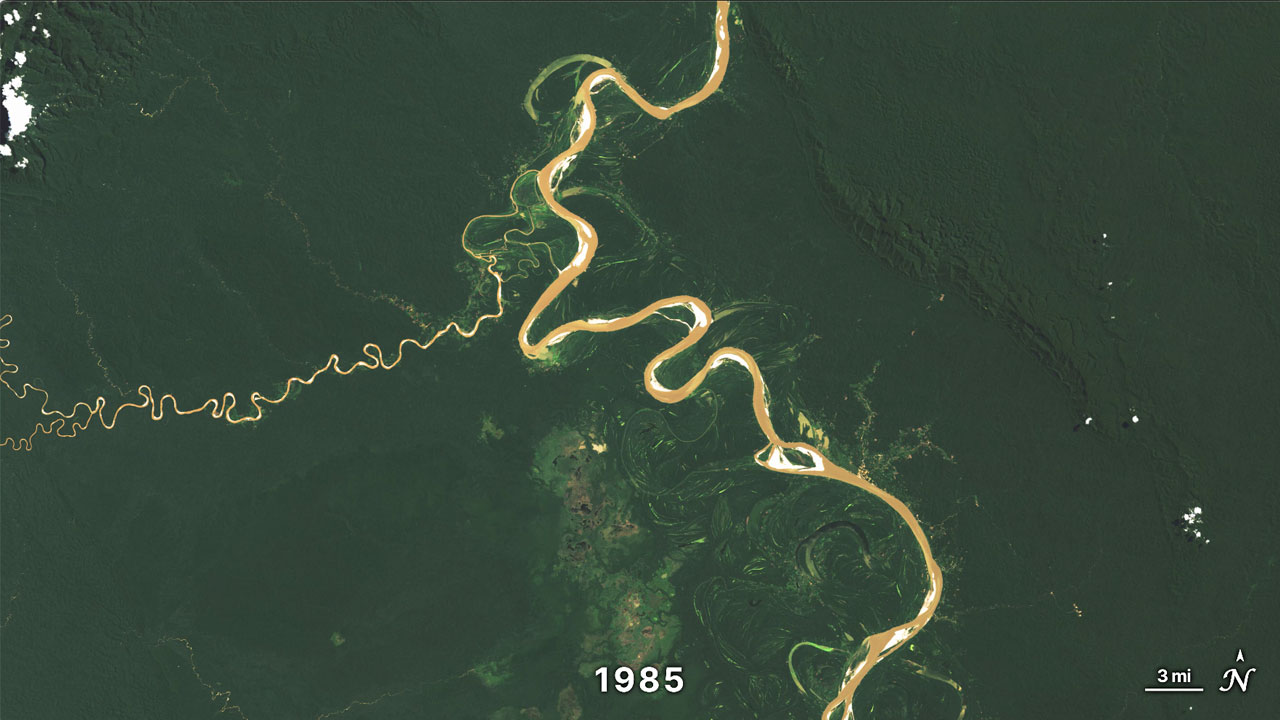
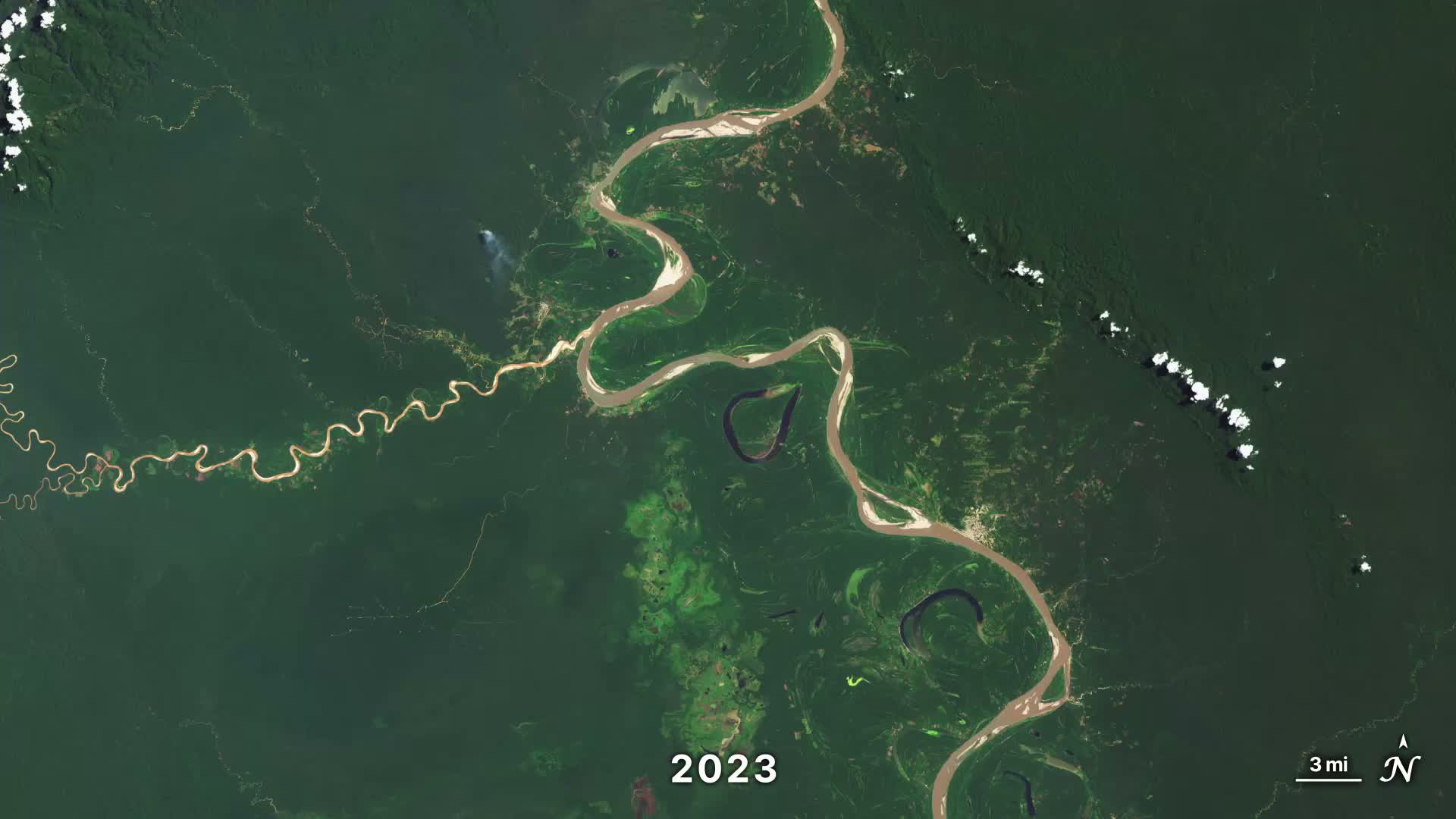
Rivers Leave Pieces of Themselves Behind
From 1985 to 2023, Peru’s Ucayali River changed shape in satellite images. Its bends stretch, and the narrow necks between loops can shrink until the river cuts a shorter route. The abandoned loop may remain beside the river as an oxbow lake: a curved, sometimes horseshoe-shaped lake marking part of the river’s former course. These lakes reveal where the river once flowed.
Veamos alternativas:
- Modifica la consulta.
- Inicia un nuevo hilo.
- Eliminar fuentes (si se han agregado manualmente).
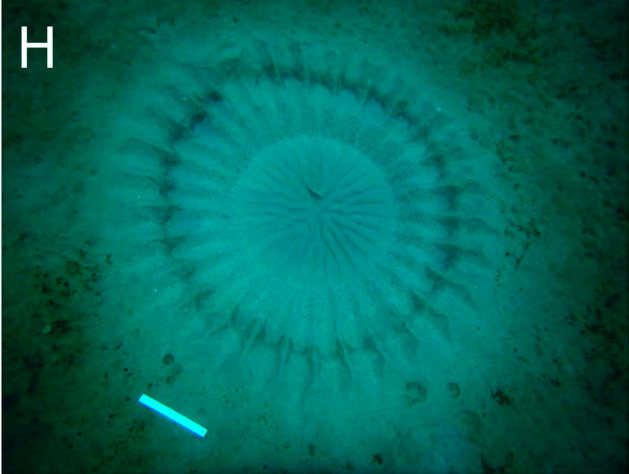
A Tiny Fish’s Enormous Dating Profile
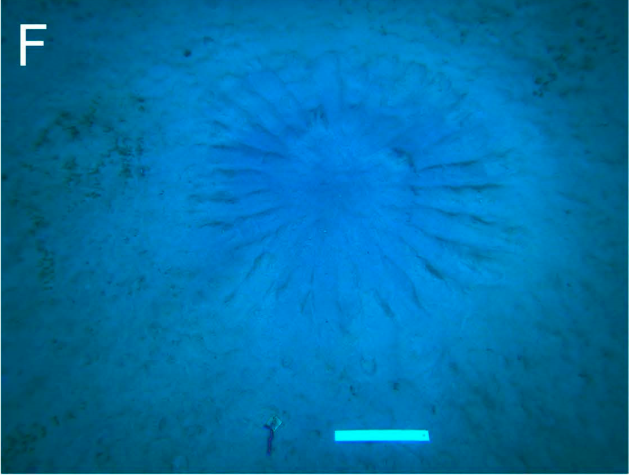
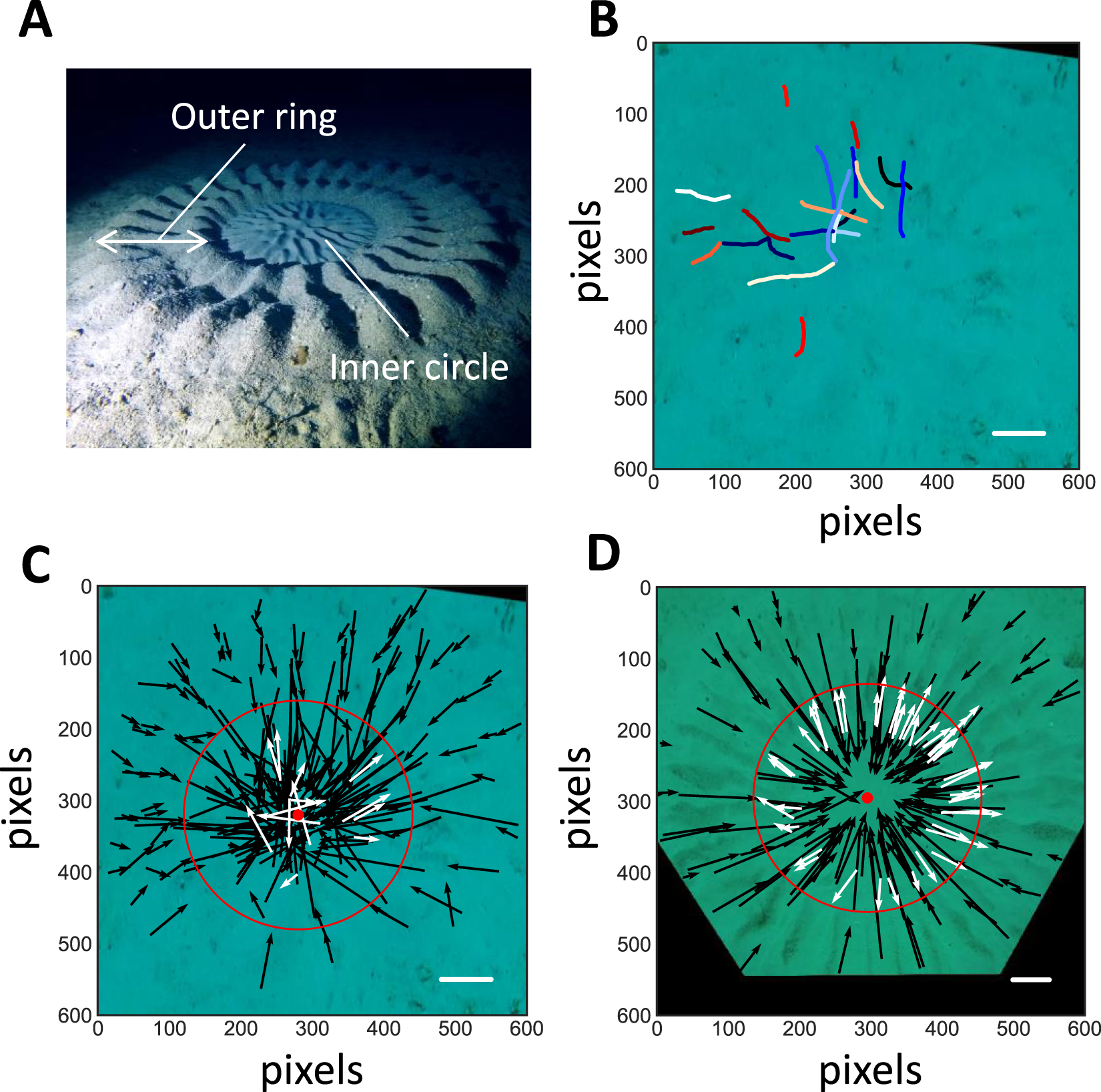
Off Japan, researchers watched male pufferfish about 12 centimetres long spend 7–9 days building seabed circles about 2 metres wide with their fins and bodies. They decorate the ridges with shell and coral fragments. These courtship nests attract females, and spawning happens at the centre. The shape helps gather fine sand there. After spawning, the male tends the eggs as the circle erodes; in the study, males built fresh nests for the next breeding cycle.
Veamos alternativas:
- Modifica la consulta.
- Inicia un nuevo hilo.
- Eliminar fuentes (si se han agregado manualmente).
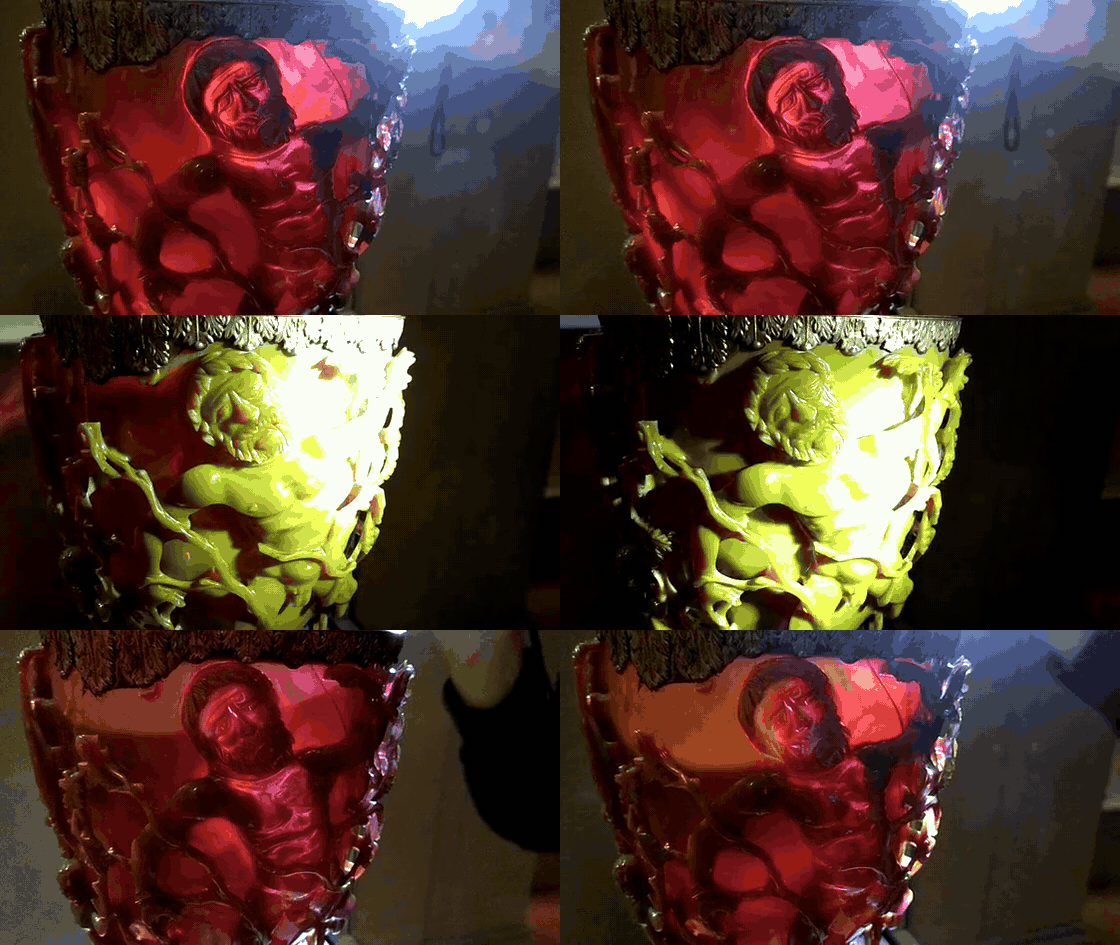
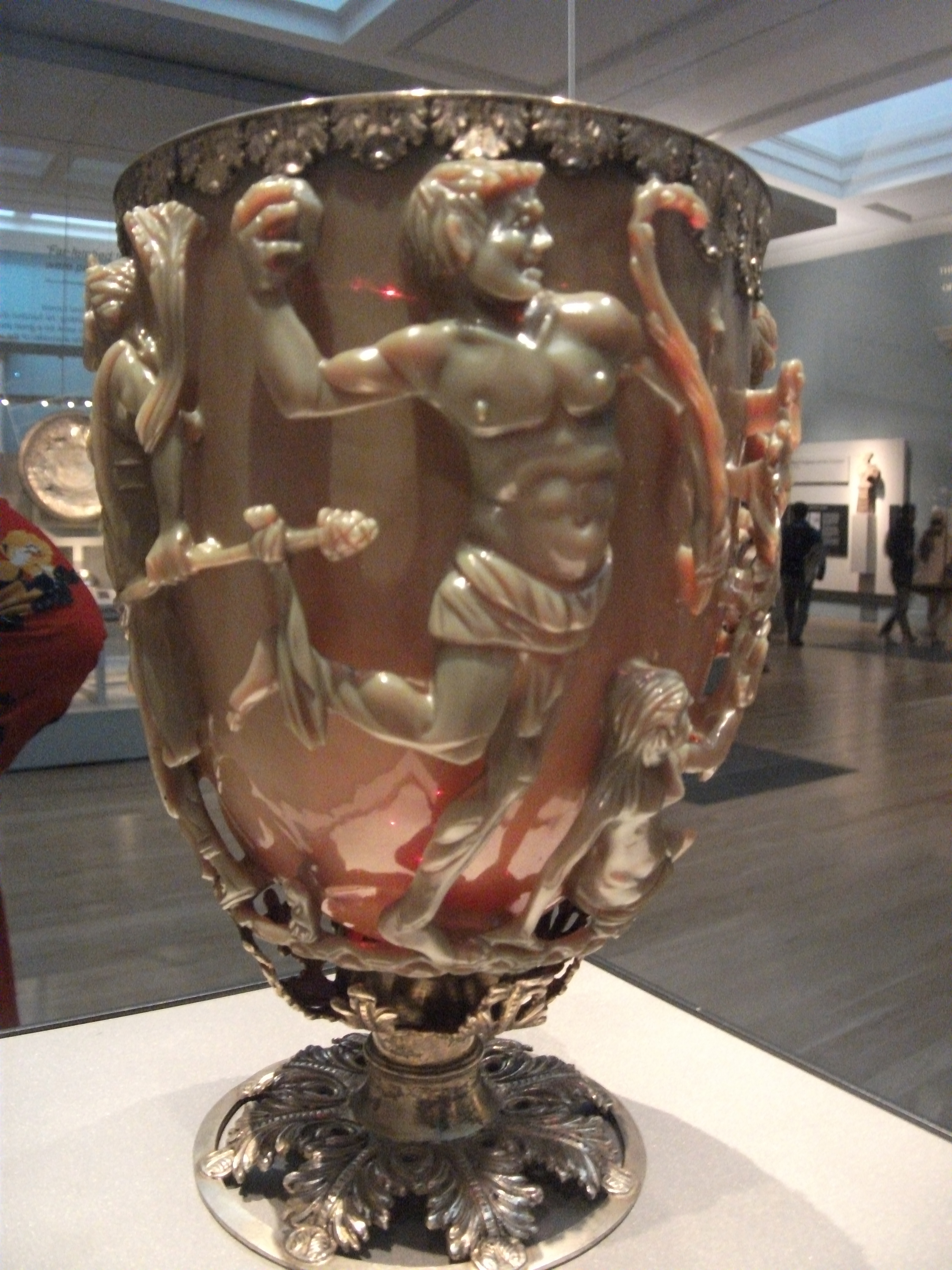
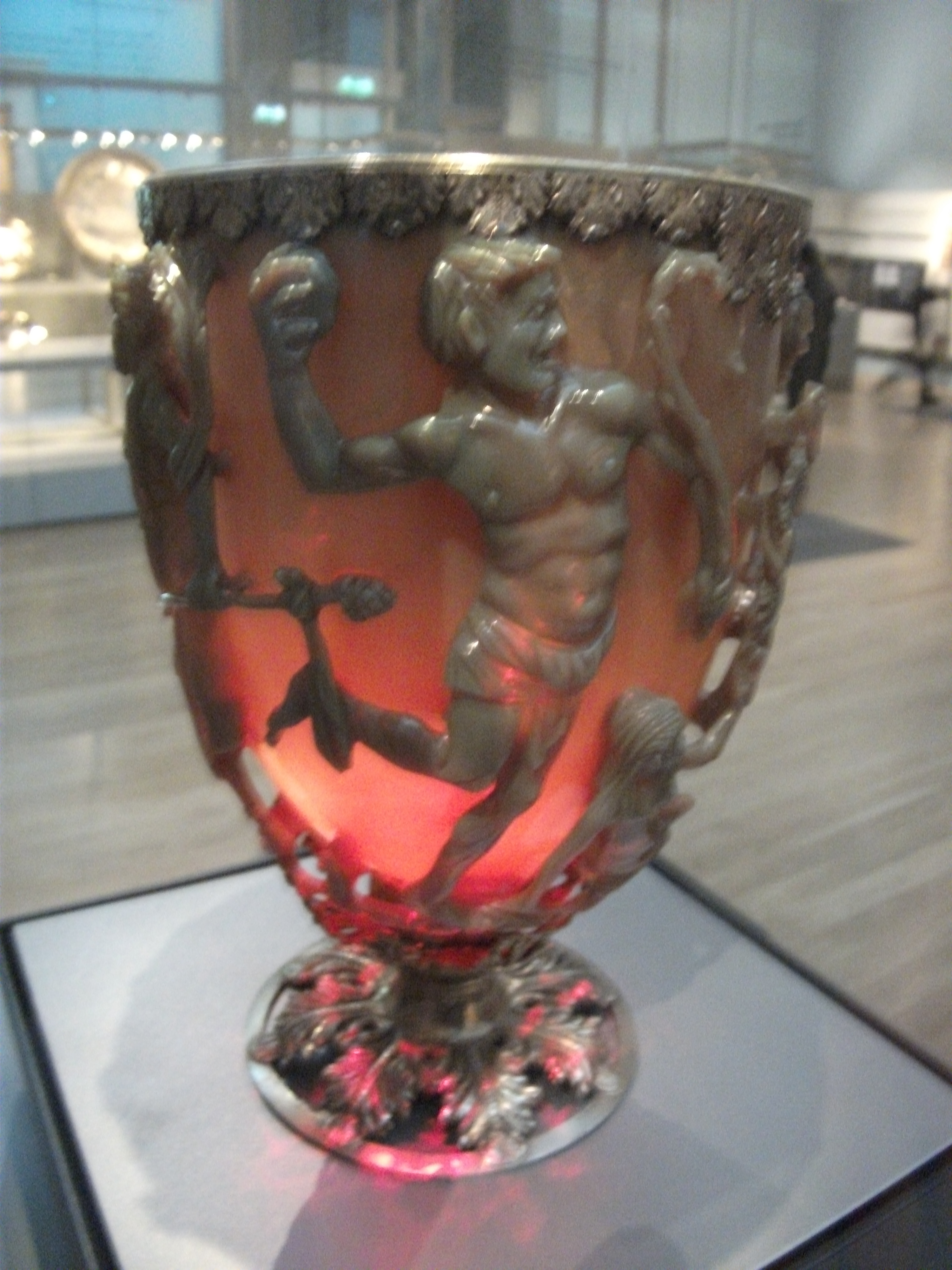
A Roman cup that changes colour
Veamos alternativas:
- Modifica la consulta.
- Inicia un nuevo hilo.
- Eliminar fuentes (si se han agregado manualmente).
Books With Secret Paintings
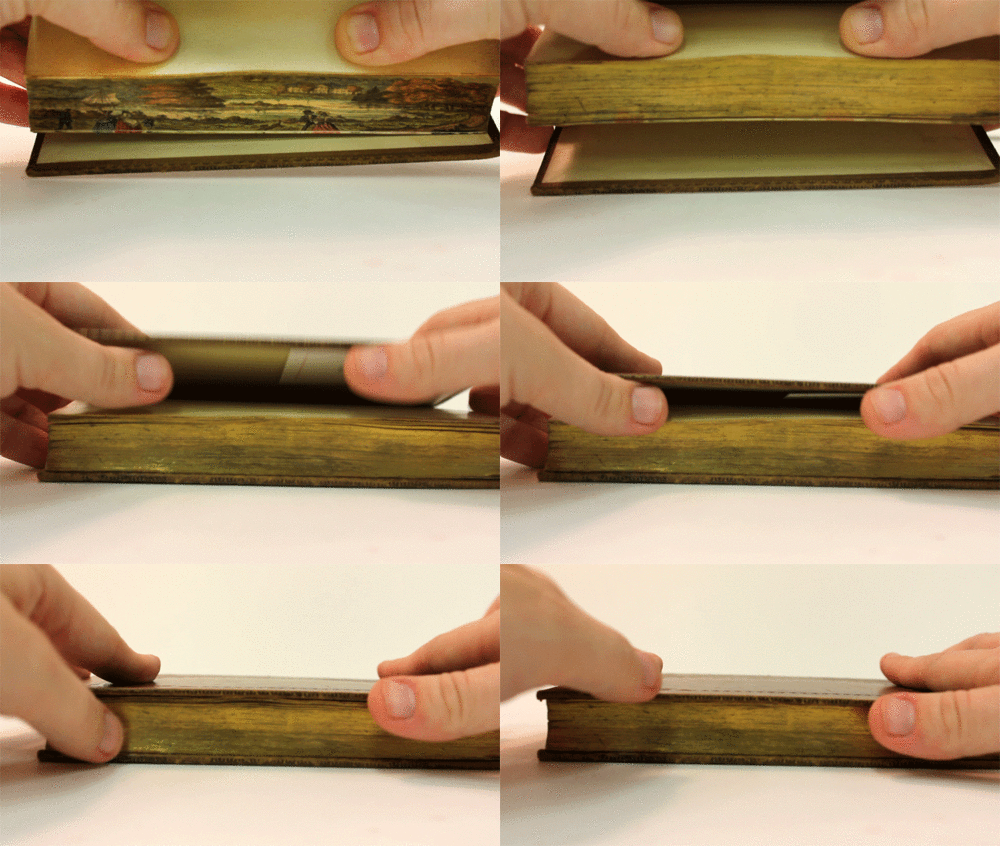
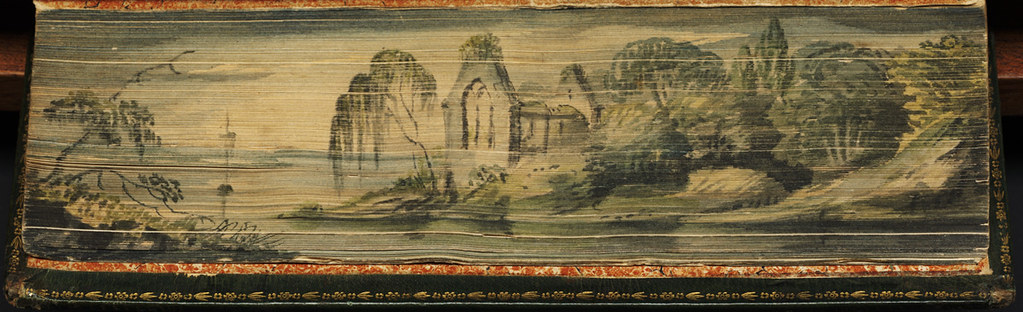
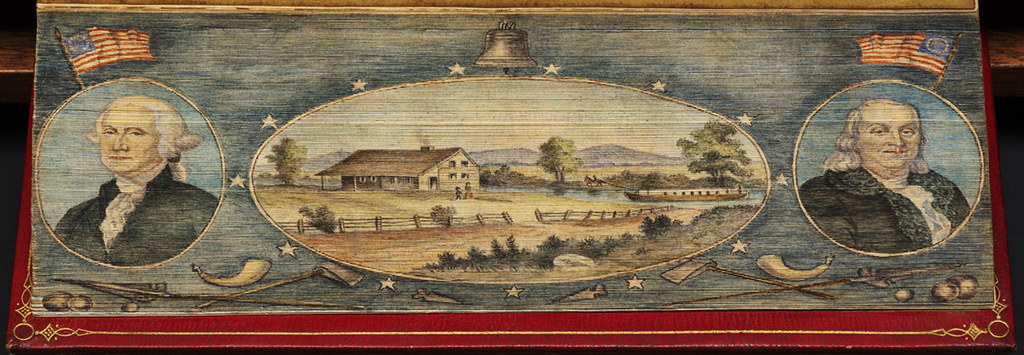
Along the edges of a closed book’s pages, a gold edge can hide a landscape. Fan the pages gently and the image appears; close the book and it vanishes beneath the gilding. This is hidden fore-edge painting: an artist paints across the edges while the pages are fanned. Some books reveal one picture when fanned one way and a different painting when fanned the other, the same book, two hidden scenes.
Veamos alternativas:
- Modifica la consulta.
- Inicia un nuevo hilo.
- Eliminar fuentes (si se han agregado manualmente).
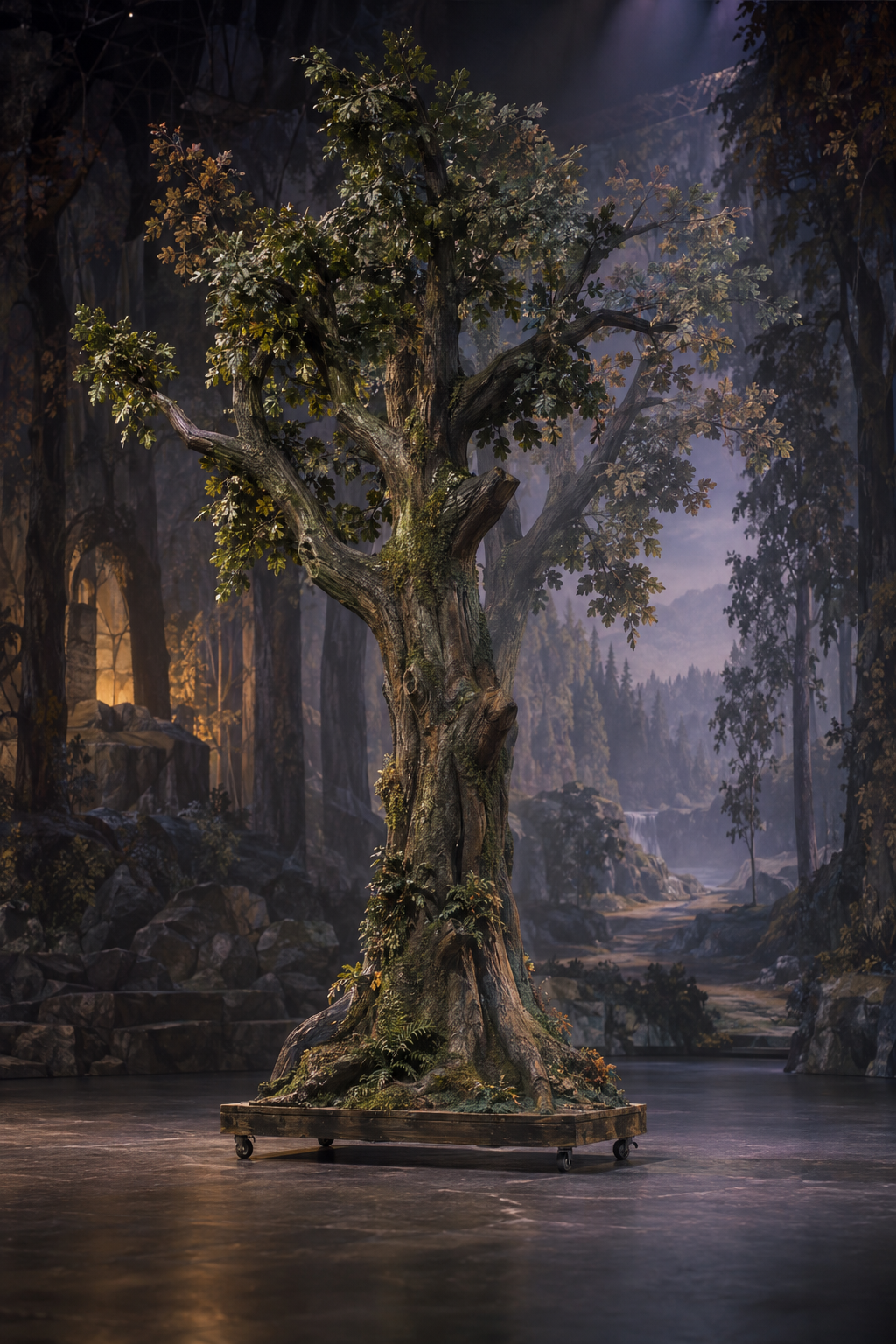
A forest that turns with the story
Veamos alternativas:
- Modifica la consulta.
- Inicia un nuevo hilo.
- Eliminar fuentes (si se han agregado manualmente).
Gemini Ten: Photography on the Climb to Agena Eight
Transcripción
On July nineteenth, nineteen sixty-six, Gemini Ten was climbing toward Agena Eight. The day before, Michael Collins and John Young had docked with Agena Ten. A trajectory correction had left them with only half their planned fuel at docking, and they repeatedly fired Agena Ten’s engine to match orbits with Agena Eight. Collins’s first planned spacewalk was a stand-up EVA: he remained at the open hatch rather than moving away from the spacecraft. It lasted forty-nine minutes. With a seventy-millimetre camera, he took twenty-two ultraviolet images of the southern Milky Way. As the docked spacecraft entered daylight, he also photographed a coloured plate to test how accurately film recorded colour in space. For the planned second EVA, Collins put on the ELSS chestpack and unstowed an umbilical, a line carrying oxygen, communications, and nitrogen. The nitrogen was stored under pressure in the adapter section and would power the hand-held maneuvering unit, a small device for moving an astronaut with gas thrust. Fuel remained scarce. The crew rendezvoused with Agena Eight about ninety minutes before the planned EVA, shaping the timing of the next spacewalk around the mission’s limited fuel.
Veamos alternativas:
- Modifica la consulta.
- Inicia un nuevo hilo.
- Eliminar fuentes (si se han agregado manualmente).
The Marshall study, and what the source does not establish
After November 1964, budget pressure and NASA’s choice to emphasize crewed Earth-orbit missions sharply reduced piloted Mars-study activity. A Marshall Space Flight Center team still examined a Saturn-and-Apollo-based Mars flyby, but it remained a study concept, not a funded direct-landing program or a flown mission.[1][2][3]
| Period | Reported Mars-study activity |
|---|---|
| 17 months before November 1964 | 29 piloted planetary mission studies, costing $3.5 million.[4] |
| November 1964 through May 1966 | Four contracted studies, costing $465,000.[5] |
The change accompanied a policy shift: NASA assigned low priority to developing a new rocket after Saturn and proposed concentrating post-Apollo crewed flight on Earth orbit, using Apollo-developed technology. The later study count and spending show how markedly Mars-related study work contracted during that period.[6][7]
The Marshall study, and what the source does not establish
Separately from the general count of contracted studies, a Marshall team led by Ruppe examined a crewed Mars flyby using Saturn launch vehicles and Apollo hardware. Its February 1965 report judged such flybys technically feasible in the mid-to-late 1970s, using a modified Apollo command and service module, a pressurized hangar, and automated probes.[8]
The source mentions four later studies but does not identify them as contractor studies or describe their architectures. It therefore does not provide enough detail to compare contractor designs with Marshall’s concept. Nor does the feasibility assessment establish an approved, funded direct-landing effort or a mission that flew: it documents a study, not a flight program.[9][10]
Veamos alternativas:
- Modifica la consulta.
- Inicia un nuevo hilo.
- Eliminar fuentes (si se han agregado manualmente).
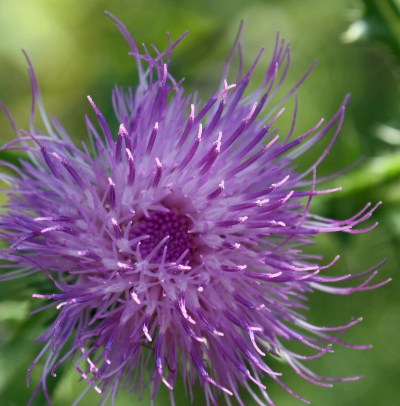
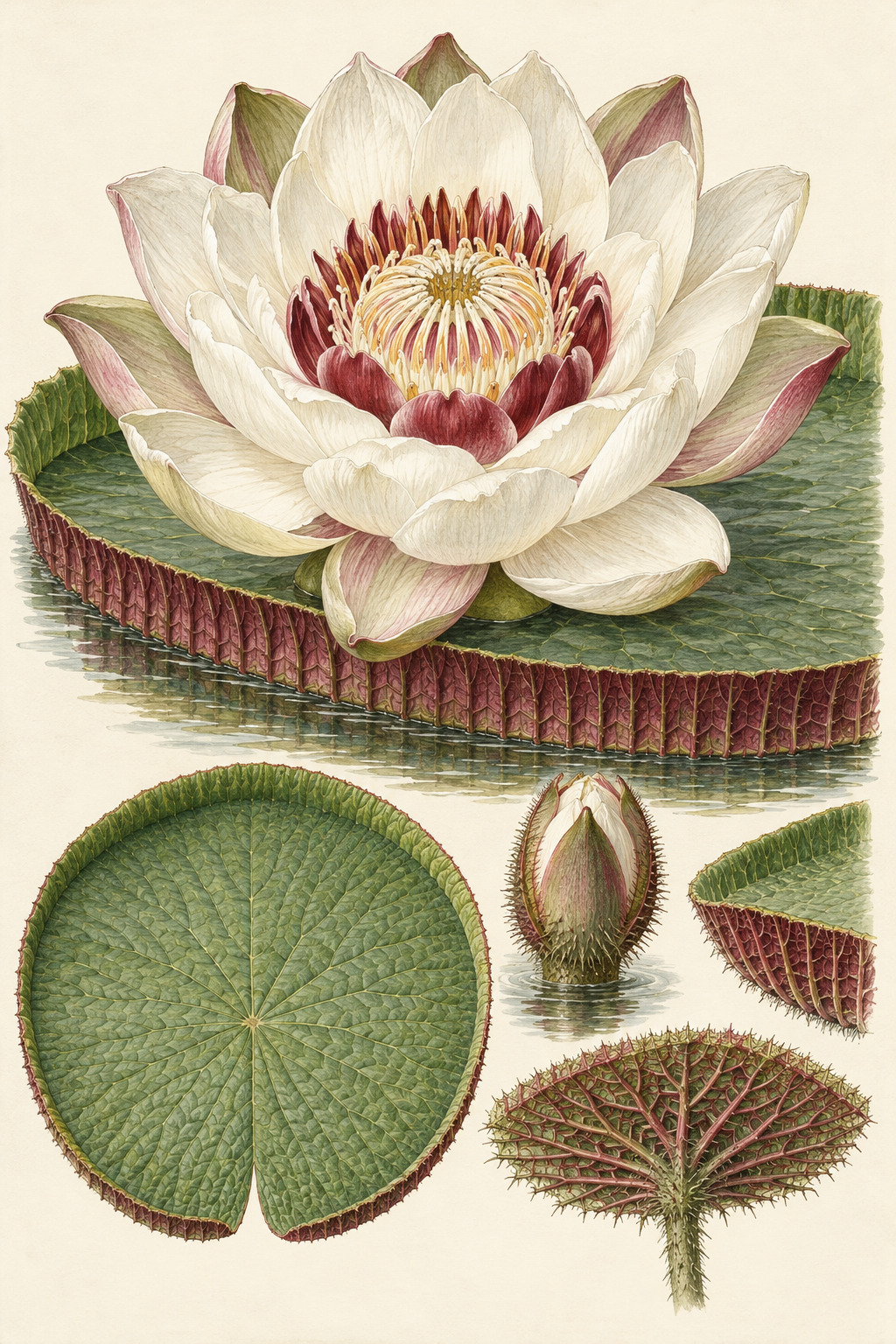
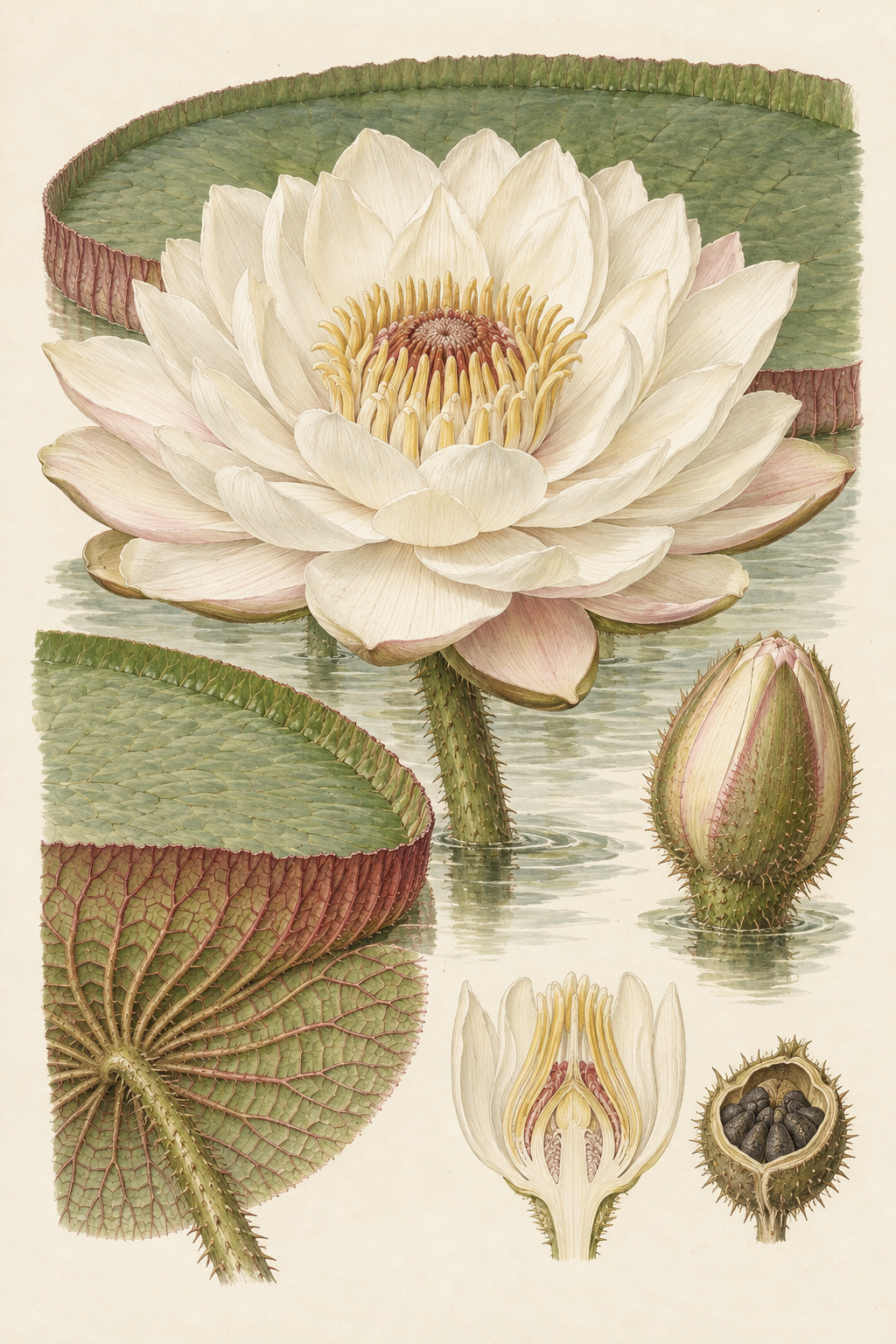
When flowers ran warm
Veamos alternativas:
- Modifica la consulta.
- Inicia un nuevo hilo.
- Eliminar fuentes (si se han agregado manualmente).