Descubre Pandipedia
Un directorio creciente de respuestas útiles seleccionadas por la comunidad de Pandi. Busca en la colección o explora los últimos descubrimientos.
2272 entradas disponibles

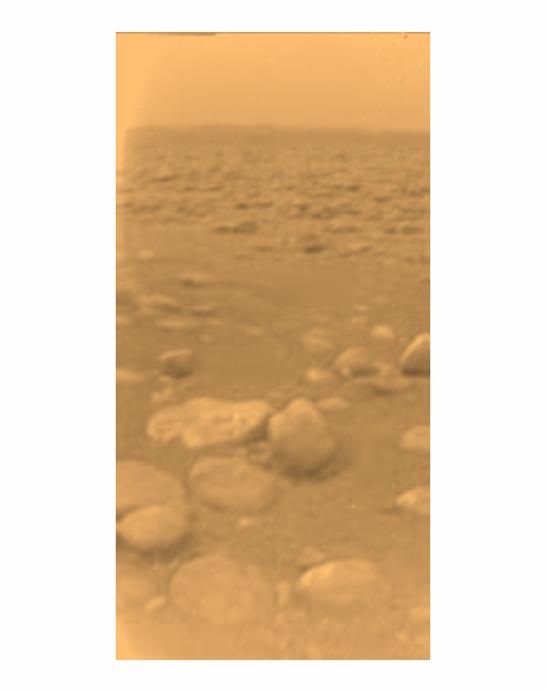
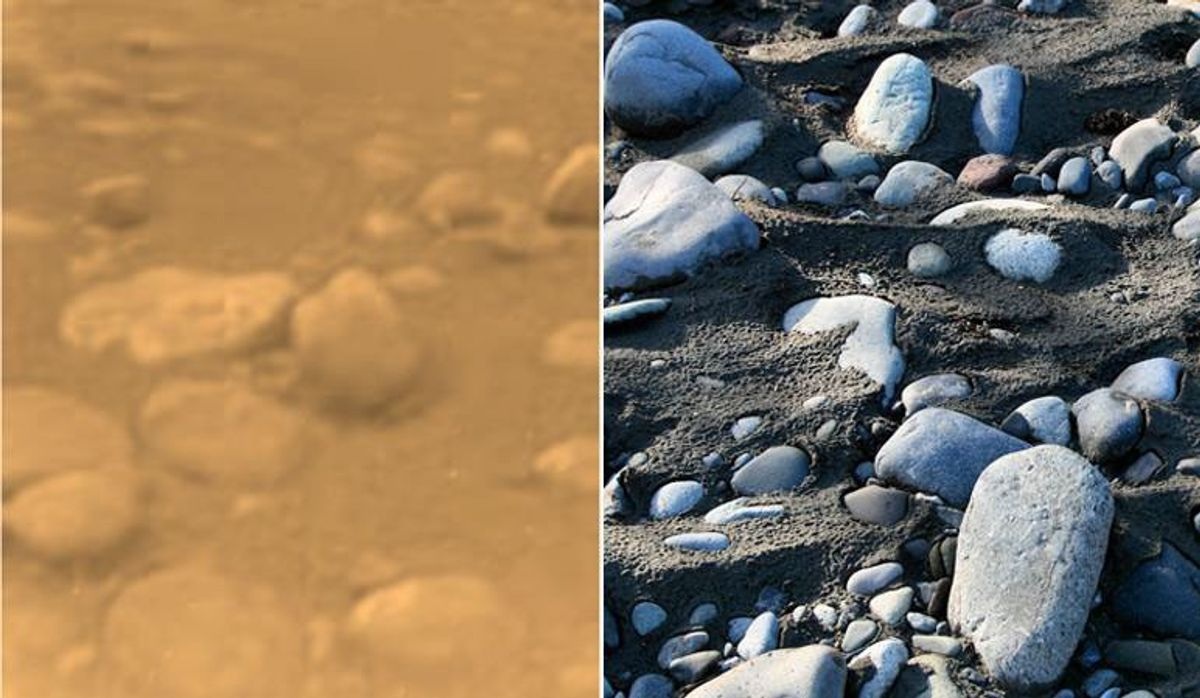
A real photograph from Saturn’s moon
On 14 January 2005, the Huygens spacecraft landed on Saturn’s moon Titan and sent back this view of its pebbled surface. The rounded stones are thought to be water ice; Titan is so cold that ice behaves like rock. Titan has clouds, rain, rivers, lakes and seas, but its surface liquids are hydrocarbons such as methane and ethane. The landscape can look familiar, even though its chemistry is very different.

Veamos alternativas:
- Modifica la consulta.
- Inicia un nuevo hilo.
- Eliminar fuentes (si se han agregado manualmente).
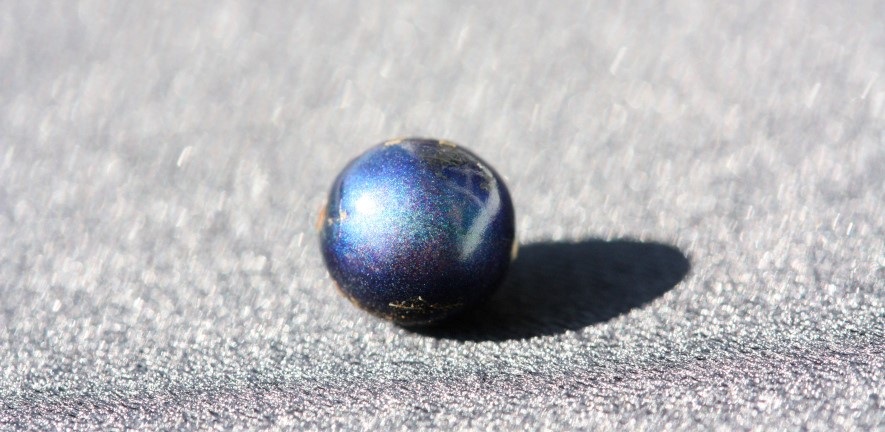
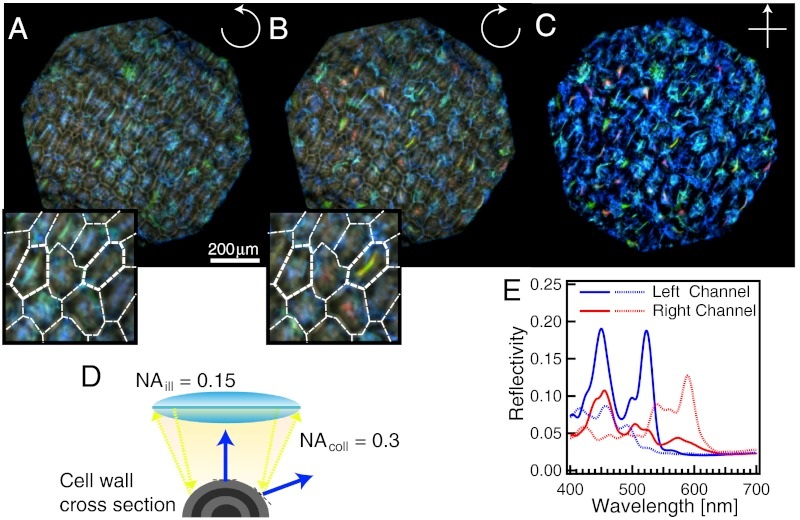
Blue berries without blue pigment
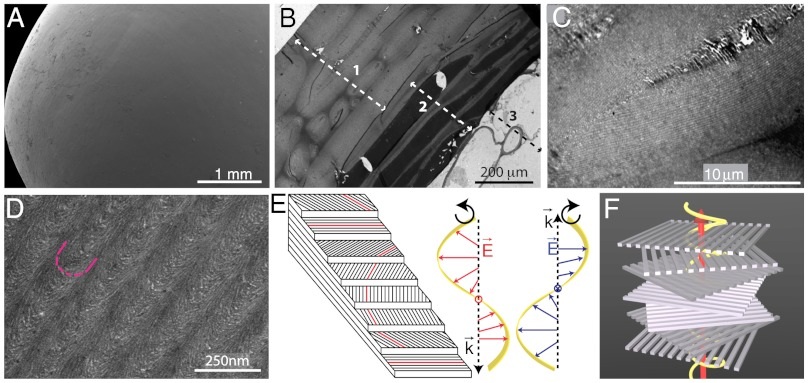
Marble berries (Pollia condensata) look metallic blue, but no blue pigment makes that colour. Their gleam comes from microscopic structures in their cell walls: layers of cellulose arranged in a twisting stack selectively reflect light, producing the brilliant colour. Under a microscope, the fruit appears as a mosaic of differently coloured cells. Specimens collected in the 19th century were still colourful and shiny. The fruit can dry out while its colour-making structure survives.
Veamos alternativas:
- Modifica la consulta.
- Inicia un nuevo hilo.
- Eliminar fuentes (si se han agregado manualmente).
Grinding a Sugar Geode
Veamos alternativas:
- Modifica la consulta.
- Inicia un nuevo hilo.
- Eliminar fuentes (si se han agregado manualmente).
Reindeer have a winter setting for their eyes
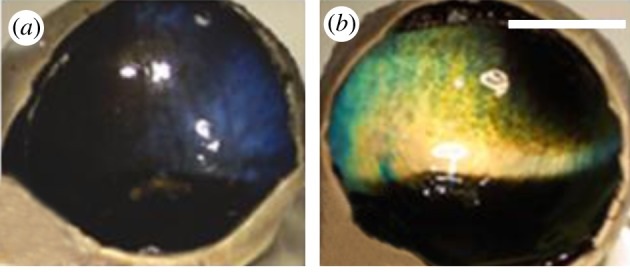
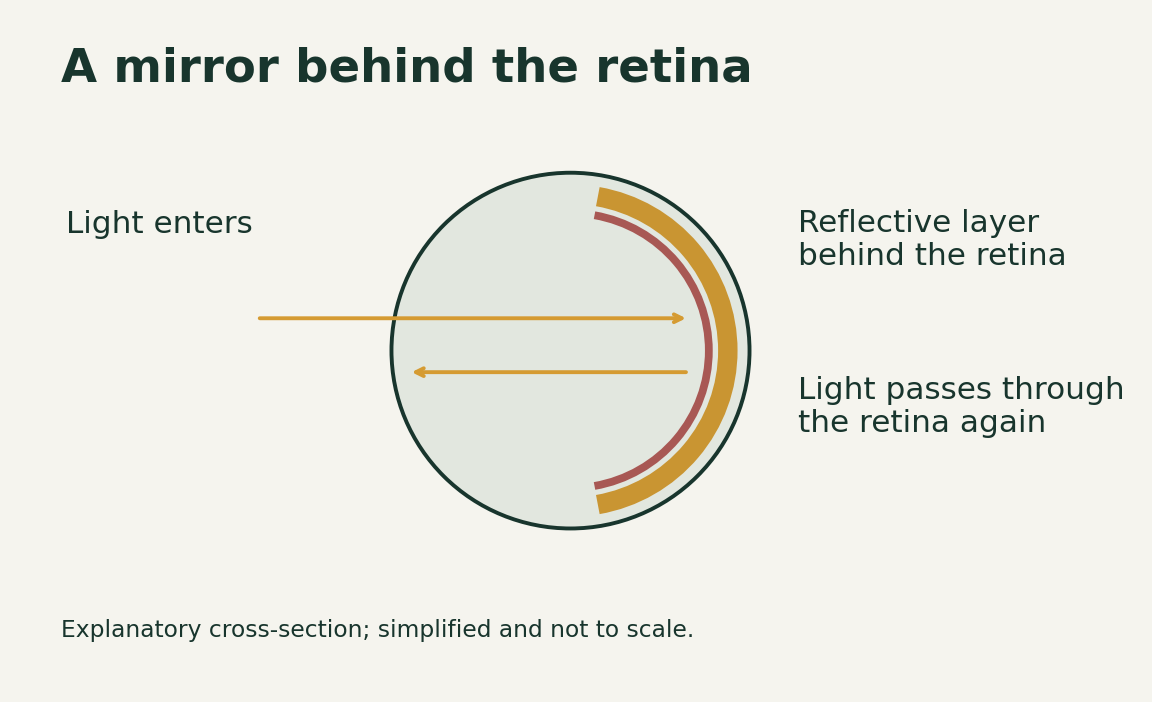
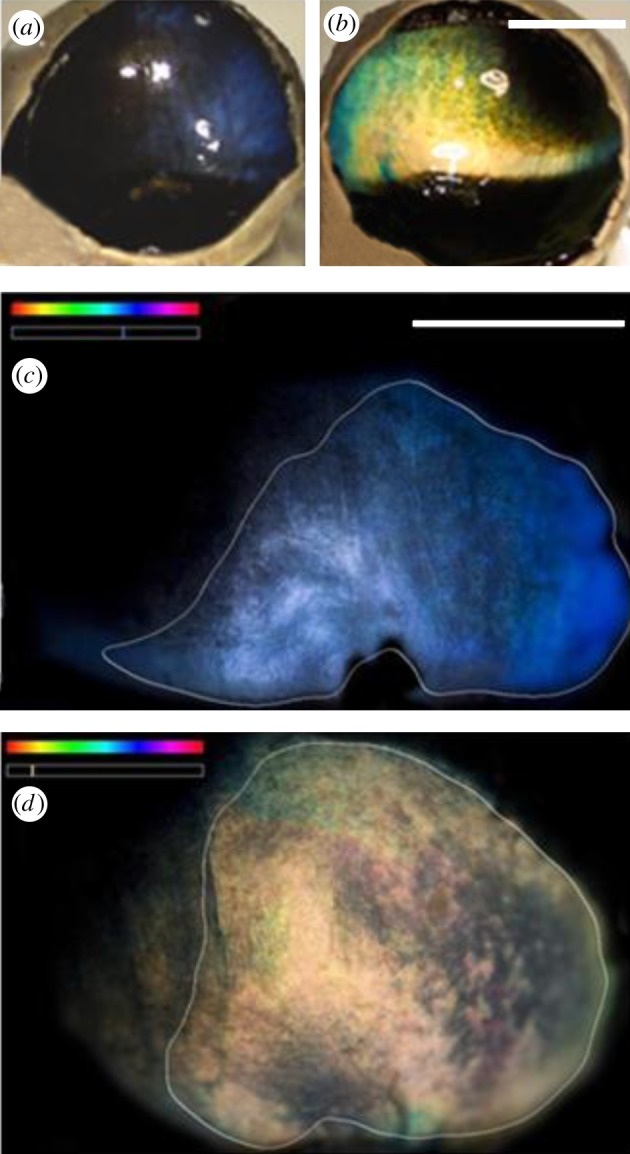
Reindeer eyes have a seasonal setting: a reflective layer behind the retina shifts from golden tones in summer to deep blue in winter. It is the layer inside the eye that changes, not the iris. The layer reflects light back through the light-sensitive cells. This seasonal shift helps reindeer adapt their vision to Arctic summers with long days and winters marked by darkness and blue twilight.
Veamos alternativas:
- Modifica la consulta.
- Inicia un nuevo hilo.
- Eliminar fuentes (si se han agregado manualmente).
A tiny wooden bead with a world inside
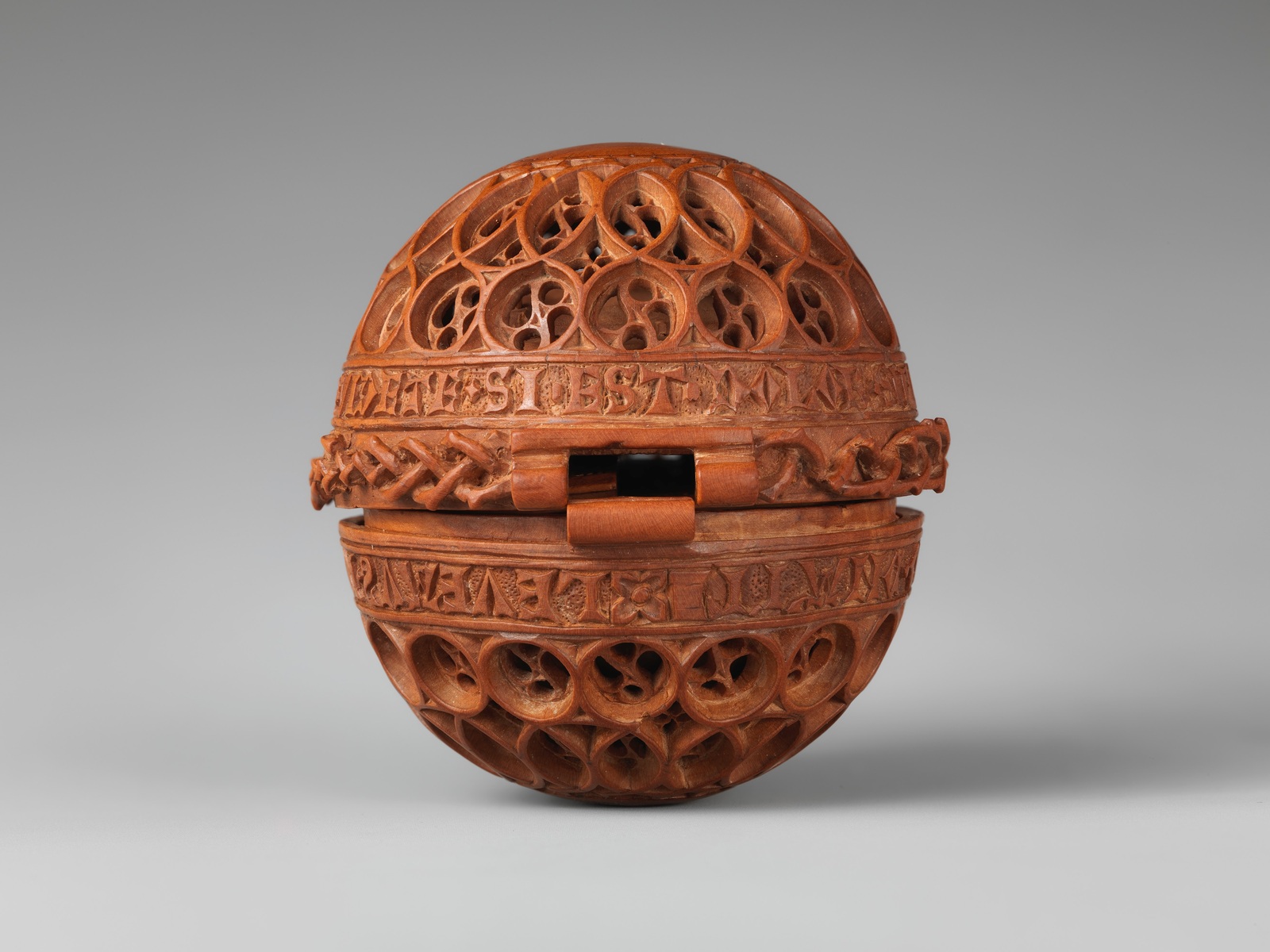
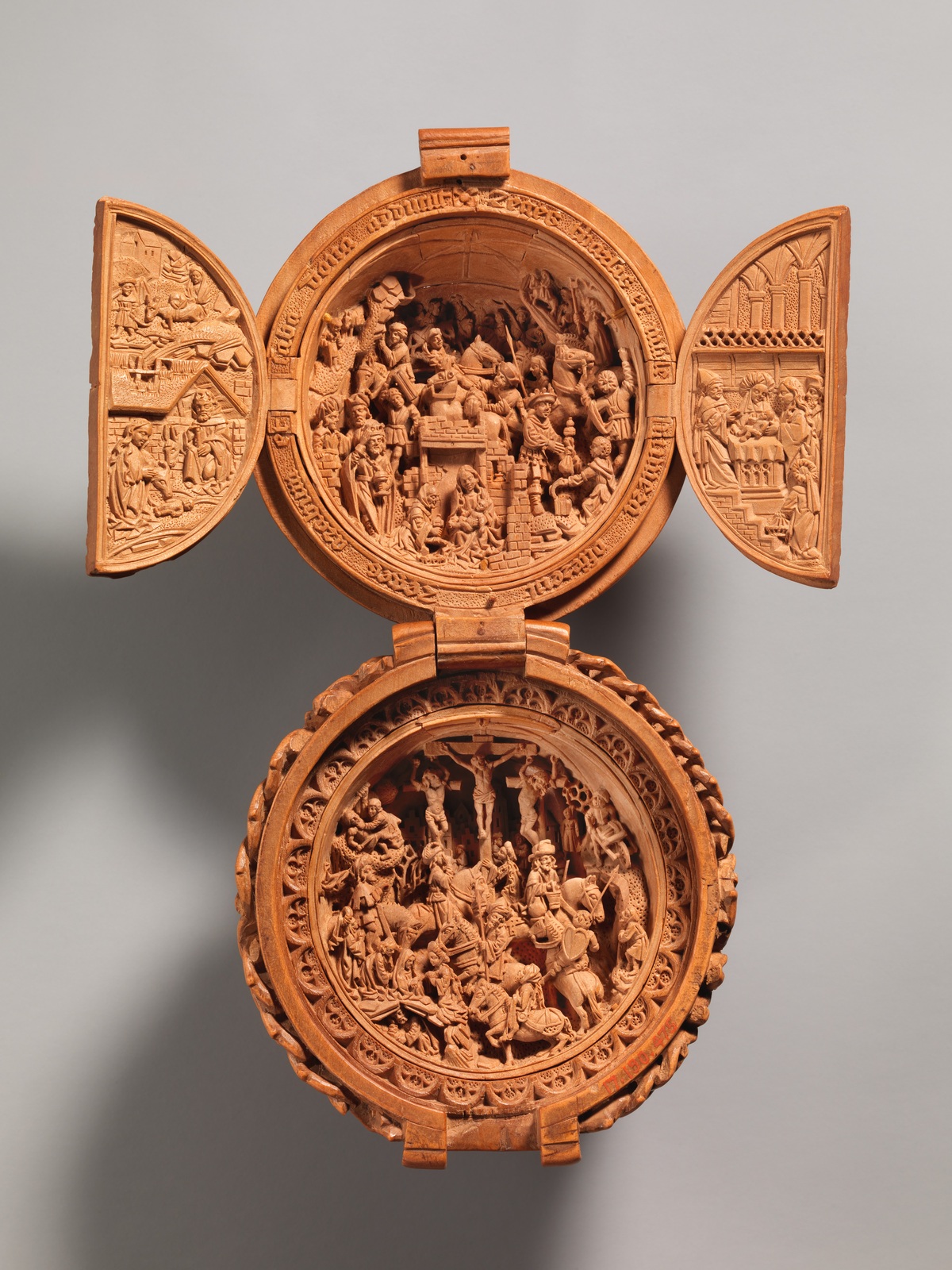
Closed, this wooden bead is less than six centimetres across. Open it, and a miniature world appears: tiny people, horses, camels and buildings carved into boxwood. Made in the Netherlands in the early 1500s, it unfolds into detailed religious scenes. The Met thinks its makers probably used a magnifying lens. Its outside was meant to be touched while praying; its inside, opened and contemplated.

Veamos alternativas:
- Modifica la consulta.
- Inicia un nuevo hilo.
- Eliminar fuentes (si se han agregado manualmente).
Ancient pottery that sings when water moves
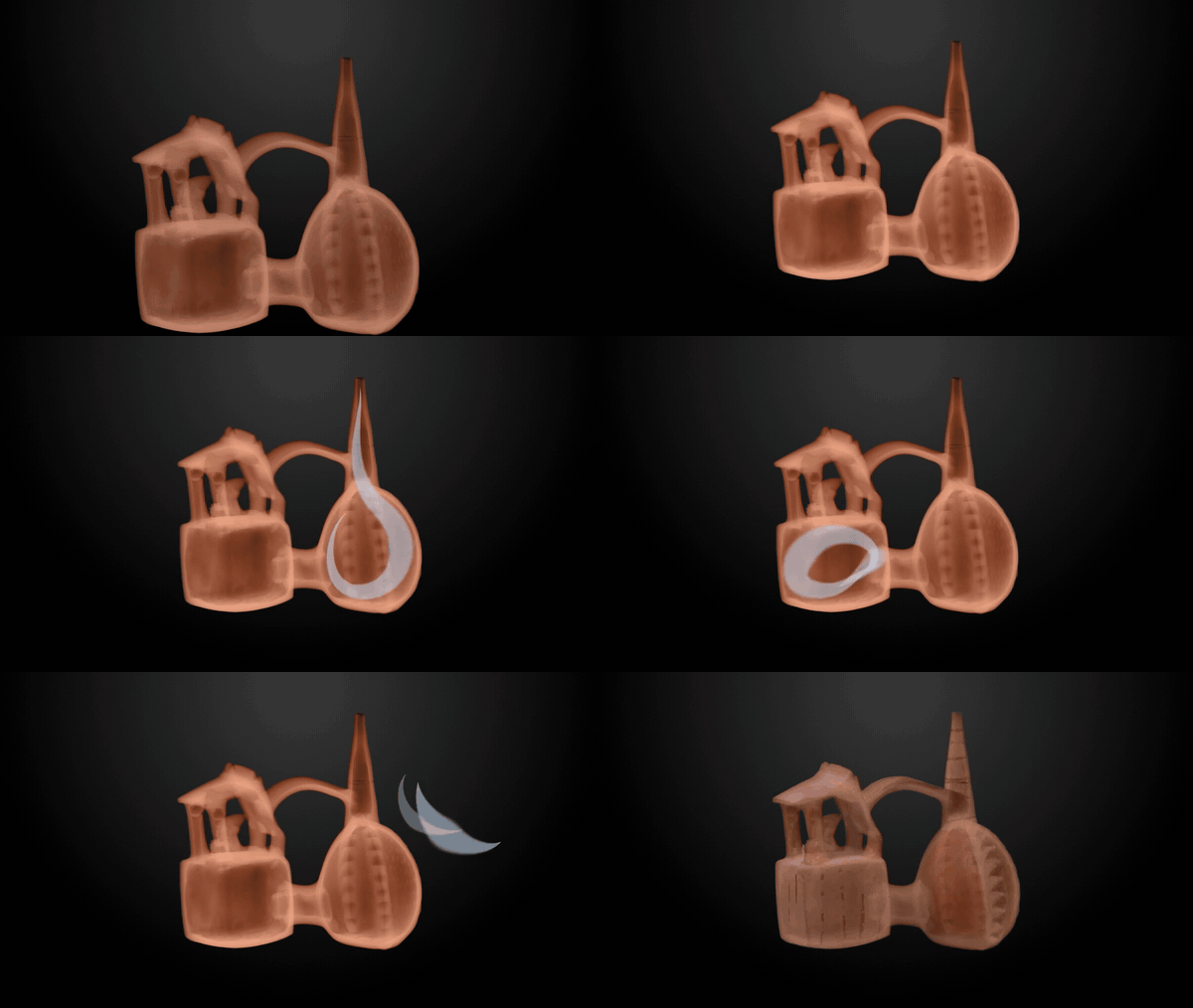
Some ancient Peruvian pottery can sound like a bird: whistling vessels contain a small whistle. Some are sounded by blowing; others make sound as liquid moves between chambers. In the latter, moving liquid displaces air and pushes it through the whistle. The vessel shown in the museum film dates to AD 800–1300 and comes from Peru’s Lambayeque region; its hidden interior makes the ceramic container an instrument.

Veamos alternativas:
- Modifica la consulta.
- Inicia un nuevo hilo.
- Eliminar fuentes (si se han agregado manualmente).
The red jellyfish above thunderstorms
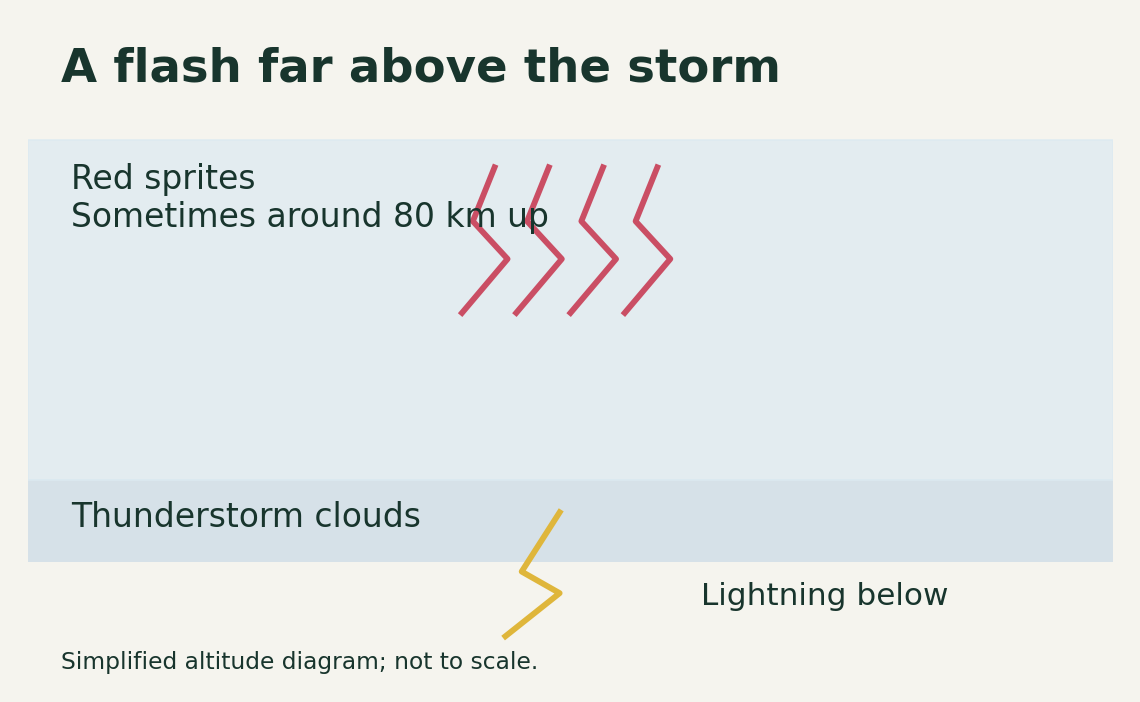
Thunderstorms have a light show above the clouds: red sprites, fleeting electrical discharges that can look like glowing jellyfish. They last only milliseconds and occur far above ordinary thunderstorm clouds, sometimes around 80 kilometres up. Footage from the International Space Station captured a sprite above Southeast Asia in April 2012. Its red tendrils are a brief atmospheric electrical discharge linked to powerful lightning below.

Veamos alternativas:
- Modifica la consulta.
- Inicia un nuevo hilo.
- Eliminar fuentes (si se han agregado manualmente).
Peeling an Aurora Skin
Veamos alternativas:
- Modifica la consulta.
- Inicia un nuevo hilo.
- Eliminar fuentes (si se han agregado manualmente).
A robot swan from the 1700s
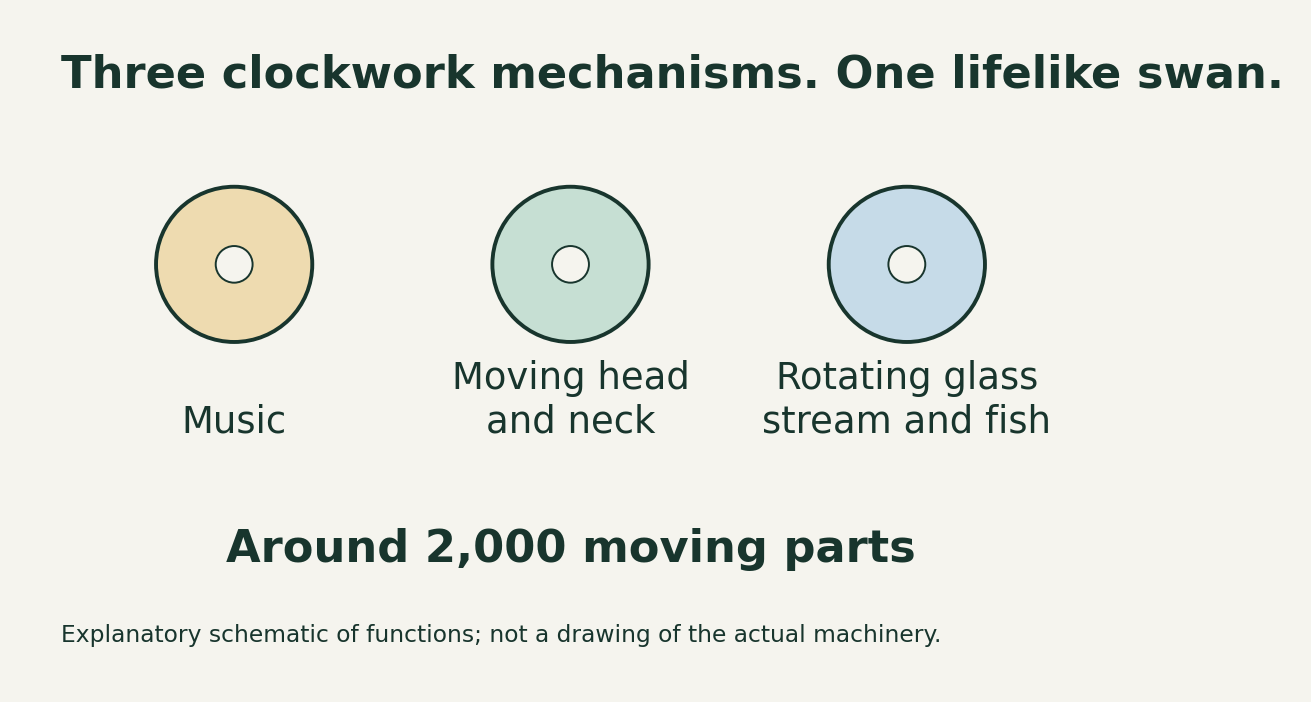
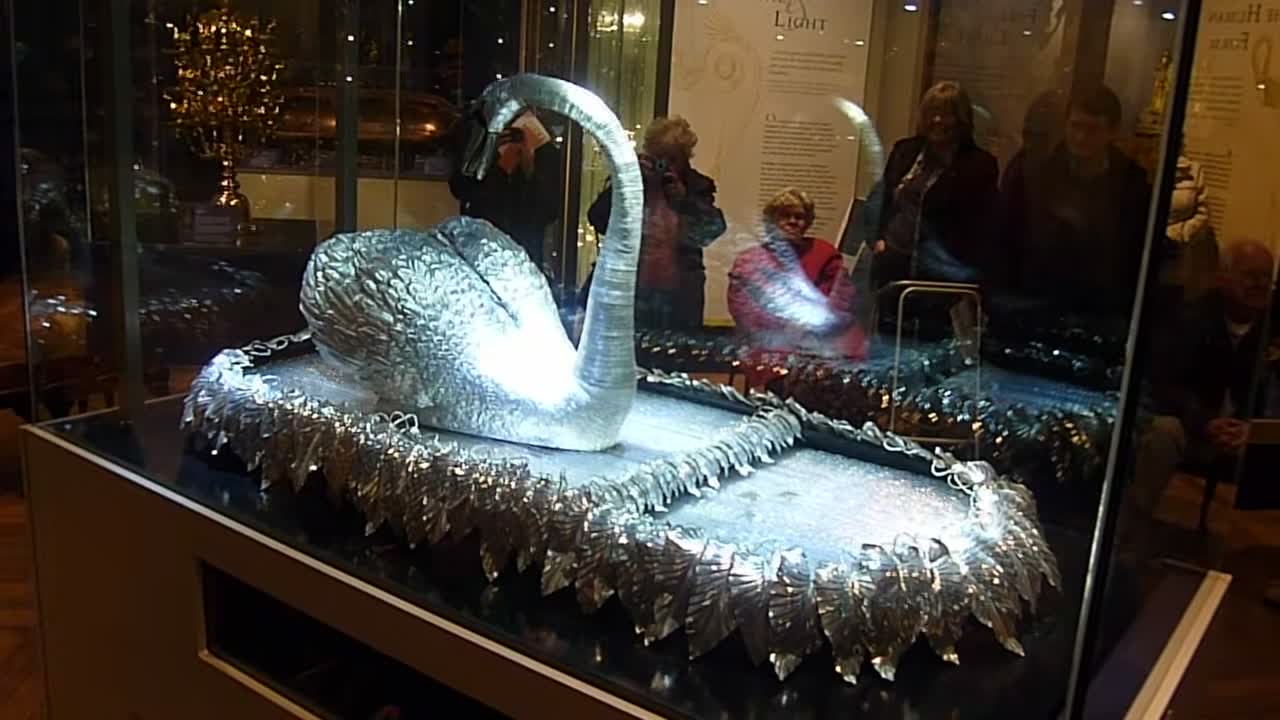
The Silver Swan looks alive, but it is an 18th-century machine. Clockwork powers its graceful movements: it turns its neck, preens and appears to catch a little silver fish. Inside are three clockwork mechanisms and around 2,000 moving parts. Rotating glass rods create the illusion of flowing water. Mark Twain marvelled at its lifelike movements when he saw it at the Paris exhibition in 1867. After careful restoration, it can still perform at The Bowes Museum.
Veamos alternativas:
- Modifica la consulta.
- Inicia un nuevo hilo.
- Eliminar fuentes (si se han agregado manualmente).
Breathing an Amber Lung
Veamos alternativas:
- Modifica la consulta.
- Inicia un nuevo hilo.
- Eliminar fuentes (si se han agregado manualmente).