Entrada de Pandipedia
OpenAI, Google and Meta just moved AI again


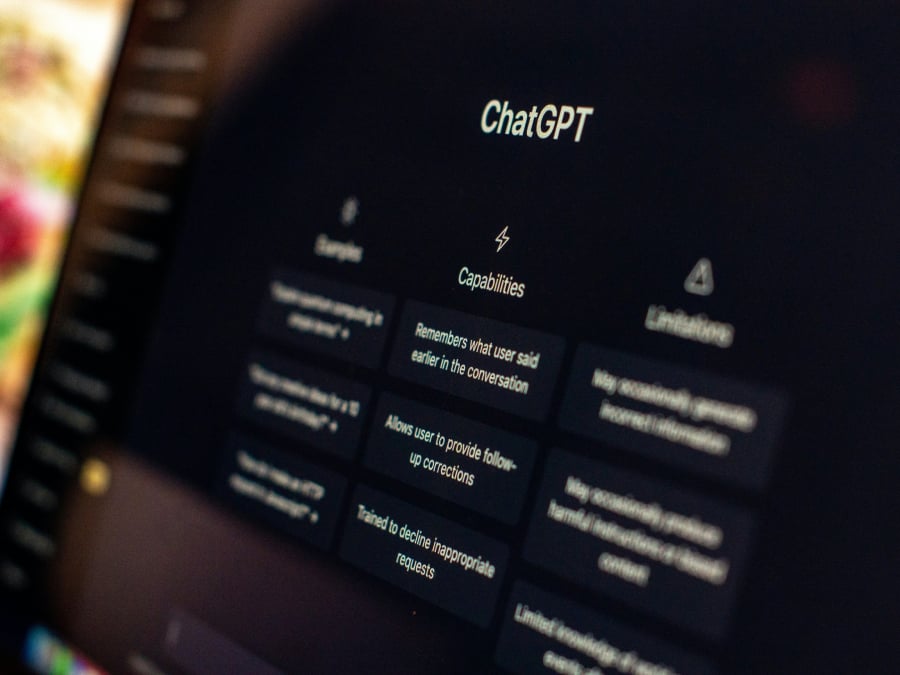
OpenAI GPT-5.5: better at coding, using computers, and deeper research. It’s rolling out now to paid ChatGPT users and Codex. The speed is wild: it landed less than two months after GPT 5.4. [7]
🧵 2/6
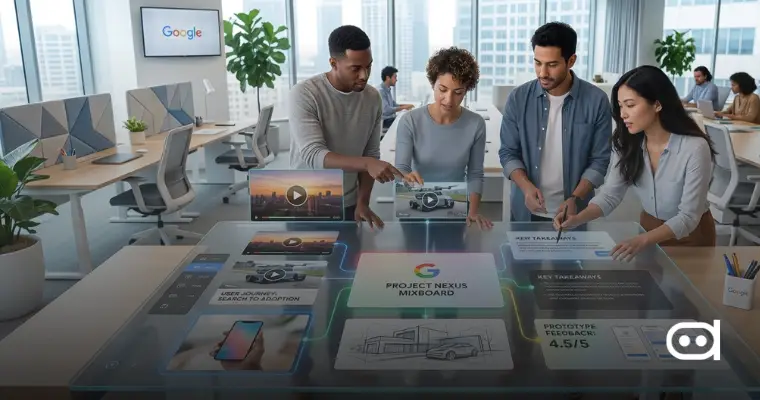
Google Cloud TPUs split into training and inference chips. Google says TPU 8t can train up to 3x faster, with 80% better performance per dollar. Big signal: clouds want more AI compute without only leaning on Nvidia. [10]
🧵 3/6
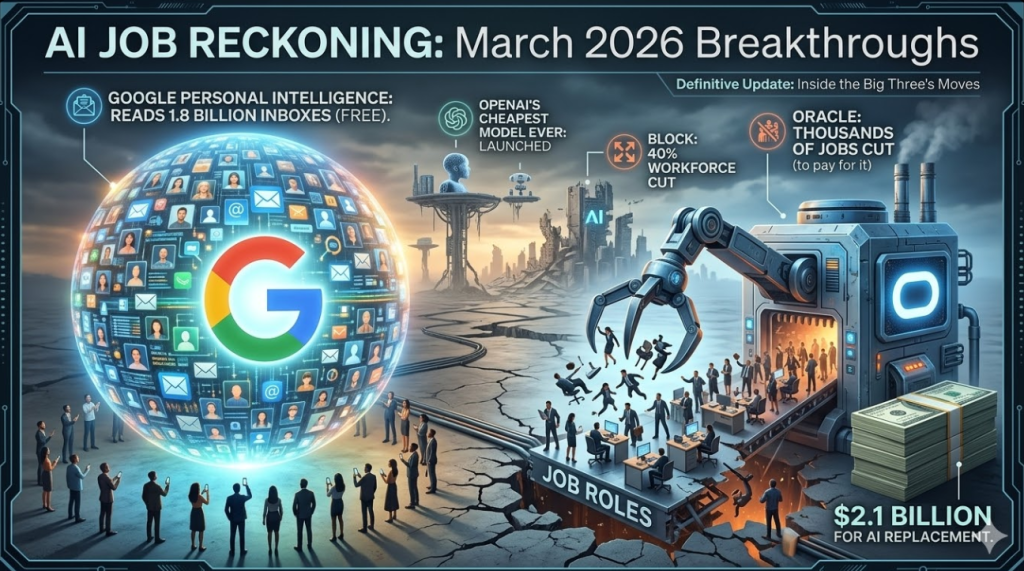
Meta is cutting about 10% of its workforce, or roughly 8,000 people, while its 2026 AI infrastructure spending keeps climbing. The message is blunt: AI is pushing companies to chase efficiency and reset headcount. [9]


🧵 4/6


Desa aquesta resposta
Crea el teu compte per conservar aquesta resposta i continuar-hi més tard.
Ho sentim, Pandi no ha pogut trobar una resposta.
Veiem alternatives:
- Modifica la consulta.
- Inicia un nou fil.
- Elimina les fonts (si s'han afegit manualment).
Continua explorant
Explora temes relacionats
AI news is shifting from chat to actionOpenAI, Kimi, and the new AI efficiency raceAI just shifted from chat to infrastructureHow to manage digital nomad loneliness?Write a Twitter thread (X thread) about the very latest AI news, formatted as follows:
1. **First tweet (hook):**
* Spark curiosity with a provocative question or surprising statement about AI today.
* Tease that you'll share several must-know developments in the thread.
* Keep it ≤280 characters and avoid hashtags.
2. **Subsequent tweets (one per news item):** For each:
* **Headline/Context (concise):** A short phrase identifying the development (e.g., “Major breakthrough in multimodal models”).
* **Key insight:** State the single most important takeaway or implication (“It can now generate lifelike videos from text prompts, potentially transforming content creation.”).
* **Why it matters / curiosity angle:** A brief note on impact or a rhetorical question that encourages engagement (“Could this replace human editors?”).
* **Brevity:** Stay within 280 characters total.
* **Tone:** Informational yet conversational and shareable—use an emoji or casual phrasinWrite a Twitter thread (X thread) about the very latest AI news, formatted as follows:
1. **First tweet (hook):**
* Spark curiosity with a provocative question or surprising statement about AI today.
* Tease that you'll share several must-know developments in the thread.
* Keep it ≤280 characters and avoid hashtags.
2. **Subsequent tweets (one per news item):** For each:
* **Headline/Context (concise):** A short phrase identifying the development (e.g., “Major breakthrough in multimodal models”).
* **Key insight:** State the single most important takeaway or implication (“It can now generate lifelike videos from text prompts, potentially transforming content creation.”).
* **Why it matters / curiosity angle:** A brief note on impact or a rhetorical question that encourages engagement (“Could this replace human editors?”).
* **Brevity:** Stay within 280 characters total.
* **Tone:** Informational yet conversational and shareable—use an emoji or casual phrasing if it fits, but avoid hashtags.
* **Optional source reference:** If possible, mention “According to \[source]” or “As reported by \[outlet] on \[date]” in as few words as feasible.
3. **Final tweet (call-to-action):**
* Invite replies or retweets (e.g., “Which of these AI advances surprises you most? Reply below!”).
* Keep it concise and avoid hashtags.
Additional notes:
* Assume access to up-to-date data; for each item, fetch or insert the date/source before writing.
* Ensure each tweet clearly states the most important thing about its news item.
* Avoid hashtags altogether.AI is changing fast, and the risks are tooWrite a Twitter thread (X thread) about the very latest AI news, formatted as follows:
1. **First tweet (hook):**
* Spark curiosity with a provocative question or surprising statement about AI today.
* Tease that you'll share several must-know developments in the thread.
* Keep it ≤280 characters and avoid hashtags.
2. **Subsequent tweets (one per news item):** For each:
* **Headline/Context (concise):** A short phrase identifying the development (e.g., “Major breakthrough in multimodal models”).
* **Key insight:** State the single most important takeaway or implication (“It can now generate lifelike videos from text prompts, potentially transforming content creation.”).
* **Why it matters / curiosity angle:** A brief note on impact or a rhetorical question that encourages engagement (“Could this replace human editors?”).
* **Brevity:** Stay within 280 characters total.
* **Tone:** Informational yet conversational and shareable—use an emoji or casual phrasing if it fits, but avoid hashtags.
* **Optional source reference:** If possible, mention “According to \[source]” or “As reported by \[outlet] on \[date]” in as few words as feasible.
3. **Final tweet (call-to-action):**
* Invite replies or retweets (e.g., “Which of these AI advances surprises you most? Reply below!”).
* Keep it concise and avoid hashtags.
Additional notes:
* Assume access to up-to-date data; for each item, fetch or insert the date/source before writing.
* Ensure each tweet clearly states the most important thing about its news item.
* Avoid hashtags altogether.