
What accessibility features are becoming standard in modern video games?
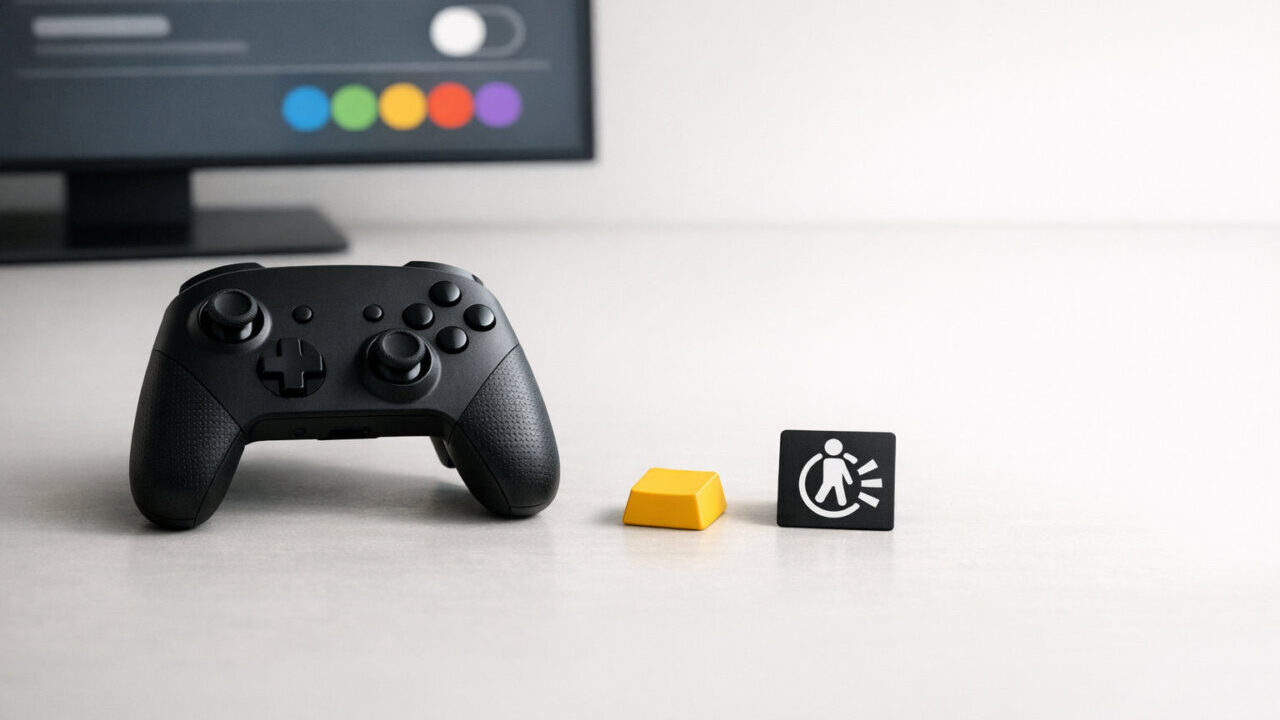
Modern video games are increasingly incorporating accessibility features as a core design standard rather than an optional extra[1][2]. Emerging norms and standard options include:
- Customizable controls: Full button remapping, adjustable analog stick and triggers sensitivity, dead zone customization, toggle versus hold commands, and support for adaptive controllers[3][4].
- Color-blind modes: Tailored visual settings and customized palettes to support players with color blindness and low vision[5].
- Sign-language avatars and communication support: Advanced auditory and communication options include signing[6], along with text-to-speech, speech-to-text, and visual sound indicators for directional cues[7].
- Additional emerging norms: Scalable fonts, customizable subtitles with speaker tags, screen reader compatibility, and adjustable difficulty or assist sliders[8][9].
Adoption is being driven by several key industry guidelines and cross-industry initiatives. Notably, the Entertainment Software Association (ESA) launched the Accessible Games Initiative (AGI), introducing 24 standardized accessibility tags across auditory, gameplay, input, and visual categories to provide clear information on storefronts[10]. Regulatory frameworks such as the Twenty-First Century Communications and Video Accessibility Act (CVAA) in the U.S. have also expanded requirements for accessible communication services and user interfaces in video games[11][12].
Would you also like to know which platforms currently lead in displaying standardized accessibility tags?Resposta completada. Hi ha una opció de seguiment disponible.
Veiem alternatives:
- Modifica la consulta.
- Inicia un nou fil.
- Elimina les fonts (si s'han afegit manualment).