Descobreix Pandipedia
Un directori creixent de respostes útils seleccionades per la comunitat de Pandi. Cerca a la col·lecció o explora els darrers descobriments.
2272 entrades disponibles
What new AI features has Meta recently released?

Meta has recently introduced a number of updates that enhance how users interact with its AI assistant across its platforms. For instance, you can now speak directly with Meta AI on Messenger, Facebook, WhatsApp, and Instagram DM—it will respond out loud in a natural, conversational style and lets you choose different voice options (including ones modeled on celebrities like Awkwafina, Dame Judi Dench, and John Cena)[2][4]. In addition, the assistant’s visual capabilities have been upgraded. Users can share photos with Meta AI and ask questions about them, request photo edits such as adding or removing objects or changing a background, and even generate entirely new images[2][4].
Meta has also enhanced its language support with a new translation tool for Reels. This feature automatically translates audio using real-time dubbing and lip-syncing so that content can be enjoyed across different languages[2][4]. Moreover, Meta AI now integrates more deeply into group interactions—you can invoke it in group chats by typing “@MetaAI” to get ideas, plan trips, or answer questions collaboratively[1][3].
For creators and businesses, there is also the launch of AI Studio, a platform that lets them build personalized AI experiences to better engage with their communities, along with newly personalized chat themes and improved AI-powered ad tools that have already shown to boost campaign performance[4].
Each of these upgrades is part of Meta’s ongoing effort to extend its AI capabilities across its ecosystem while offering more intuitive and useful interactions for both individual users and enterprises[2][4].
Veiem alternatives:
- Modifica la consulta.
- Inicia un nou fil.
- Elimina les fonts (si s'han afegit manualment).
Manus AI: A Comprehensive Report on an Autonomous Task-Executing Agent
Manus AI: A Comprehensive Report on an Autonomous Task-Executing Agent
Overview

Manus AI is an autonomous, general-purpose artificial intelligence agent developed by a Chinese company that transforms ideas into actionable results. Unlike typical chatbots that simply provide suggestions or text‐based responses, Manus AI is designed to independently execute multi‐step tasks. It has captured significant attention due to its ability to autonomously think, plan, and deliver complete outcomes – from screening resumes to generating custom travel itineraries and analyzing financial data[1][15][17]. Early demonstrations have shown it performing complex tasks in a seamless, asynchronous fashion, allowing users to delegate work without needing constant supervision[4].
Key Features and Capabilities
At its core, Manus AI is built to move beyond mere conversational responses. According to multiple sources, its key strengths include autonomous task execution, multi‐modal processing, and advanced tool integration. The system can not only generate ideas but also act on them by writing code, browsing the web, and interfacing with external applications such as spreadsheets and real estate listings[1][12][18]. Designed with a ‘digital worker’ mentality, Manus AI leverages large language models combined with reinforcement learning and a multi‐agent framework to decompose complex jobs into manageable subtasks. This gives the agent the ability to generate polished outputs – for instance, assembling detailed reports or structured tables based on user preferences – that are directly actionable[2][11]. Its architecture, reputed to be compared favorably against established models in head‐to‐head benchmarks, underscores its potential as both an operational and productivity tool[3][9].
Use Cases and Applications
Manus AI’s practical applications span a wide range of industries and workflows. The agent has been demonstrated to perform tasks such as resume screening where it extracts key details, ranks candidates, and even produces output formatted as an Excel table[19]. In real estate, it can break down user specifications – including budget constraints, safety, and educational quality – to provide curated property recommendations complete with supporting data and resource links[19][16]. In the financial domain, Manus AI has been shown to fetch historical data, perform correlation analysis between stock prices, and compile its findings into comprehensive reports or even deploy interactive websites for visualization[17][20]. Beyond these domains, the agent is also used for personalized travel planning, generating educational course content, and assisting with operational tasks in e-commerce and business process automation[1][7][8]. These cases not only highlight its versatility but also its ability to ‘bridge minds and actions’ by executing tasks end-to-end.
Benchmark Performance and Comparison

Several independent evaluations have cited Manus AI’s performance on the GAIA benchmark, a standard test for general AI assistants. Reported results indicate that Manus surpasses other models, including some from OpenAI, by achieving higher scores across multiple difficulty levels[6][20]. This performance is attributed not to a radically new algorithm but to superior product design, integration of multiple specialized models, and efficient task orchestration. For example, while other AI systems may generate a response and wait for further input, Manus executes tasks autonomously—from decomposing a complex command into subtasks to verifying data accuracy via external sources[18][9]. This has led industry observers to note that Manus stands out as a true ‘digital intern’ capable of handling real-world processes with limited human intervention.
Market Impact and Future Prospects
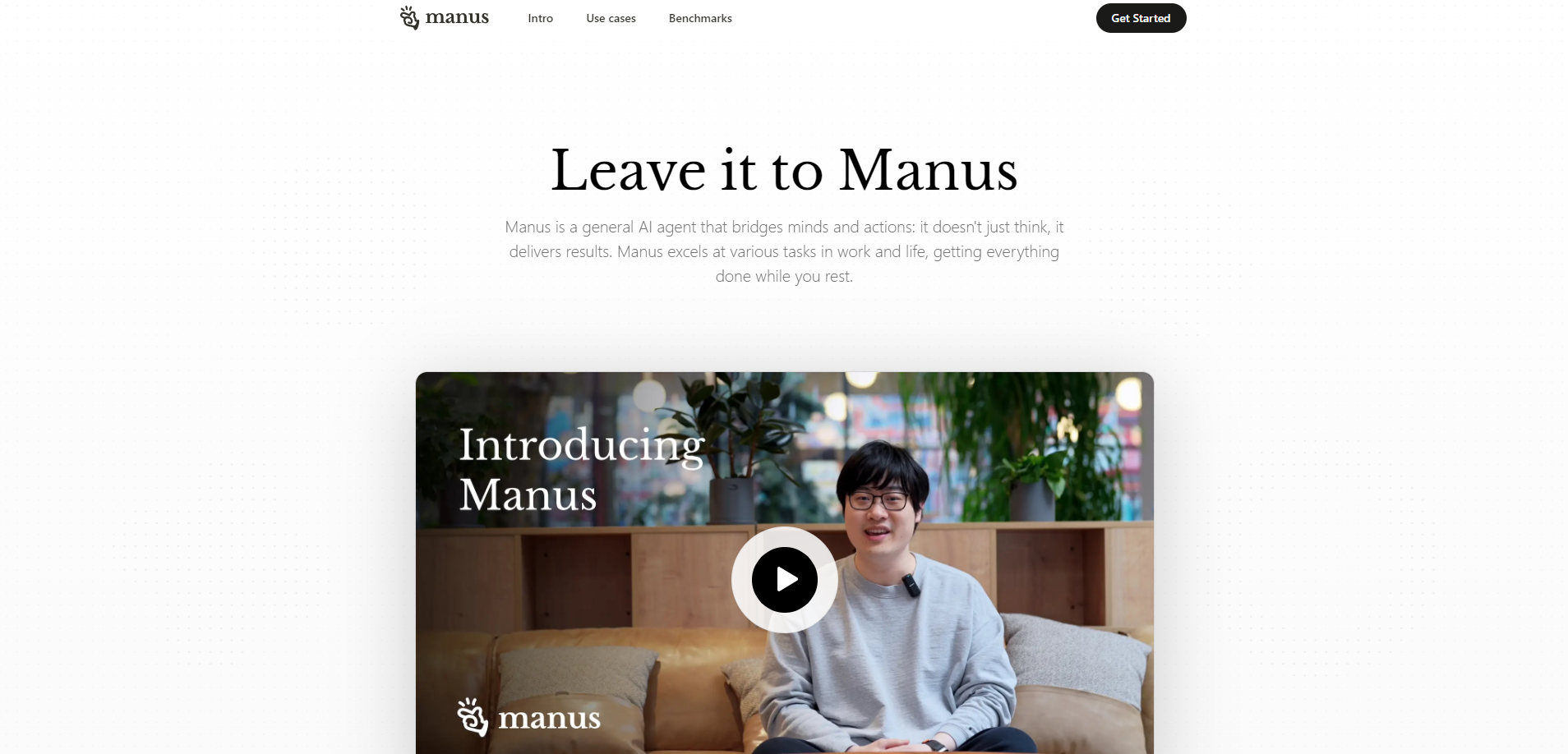
The launch of Manus AI has generated considerable excitement and debate across the technology industry. Investors and market analysts have noted that the product’s ability to execute complex tasks at a low cost is fueling optimism about the future of autonomous AI agents. Its initial invitation-only beta has sparked high demand, with early adopters comparing its debut to previous breakthroughs such as DeepSeek’s R1[5][10]. However, challenges remain: reports of server capacity issues and a limited number of available invitation codes have led to criticisms regarding accessibility and scalability[13][19]. Despite these hurdles, the potential economic impact is significant, with projections suggesting that enhanced productivity through task automation could drive major gains in the global AI market. Moreover, as the development team refines the technology and scales infrastructure, Manus AI is expected to influence industries from finance and real estate to education and e-commerce, while setting a new standard for autonomous task execution[8][14].
Veiem alternatives:
- Modifica la consulta.
- Inicia un nou fil.
- Elimina les fonts (si s'han afegit manualment).

TRUMP ESTÁ PREJUDICANDO A UCRÂNIA?
/https://i.s3.glbimg.com/v1/AUTH_59edd422c0c84a879bd37670ae4f538a/internal_photos/bs/2025/L/9/nxSSYTRAeEh8alxVQONQ/2025-02-28t173858z-673011667-rc2t3dasirja-rtrmadp-3-ukraine-crisis-usa.jpg "Trump suspende ajuda militar à Ucrânia após bate boca com Zelensky")
Sim, diversas matérias indicam que as ações recentes de Trump vêm causando prejuízos significativos à Ucrânia. Por exemplo, um artigo do G1 relata que Trump suspendeu toda a ajuda militar dos EUA para Kiev logo após seu confronto com Zelensky, medida essa que compromete a capacidade de defesa ucraniana frente à agressão russa[1]. Além disso, outras análises apontam que a retórica de Trump tem pressionado o governo ucraniano a aceitar condições de cessar-fogo que podem envolver concessões territoriais – condições essas que podem enfraquecer a soberania de Kiev e favorecer os objetivos de Moscou[2][3]. Fontes como a DW mostram ainda que, ao adotar uma postura focada em encerrar a guerra “em 24 horas”, Trump coloca em risco a continuidade do apoio militar e financeiro a um país que depende fortemente desse suporte para se manter na luta contra a invasão[4]. Por fim, relatos apontam que essa postura questionável – que privilegia interesses unilaterais dos EUA e abre margem para negociações de paz em termos desfavoráveis para a Ucrânia – tem aproximado Washington dos interesses russos, o que pode ter consequências graves para Kiev[5][6][7]. Em resumo, a suspensão de ajuda crucial e a pressão para que a Ucrânia aceite termos duros nas negociações são medidas que, de acordo com as fontes, estão prejudicando significativamente o país.
Veiem alternatives:
- Modifica la consulta.
- Inicia un nou fil.
- Elimina les fonts (si s'han afegit manualment).

Top Digital Nomad Destinations for Families

 Maps
Maps Yelp
YelpVeiem alternatives:
- Modifica la consulta.
- Inicia un nou fil.
- Elimina les fonts (si s'han afegit manualment).
How does deep research by open AI work?

Deep Research by OpenAI is an autonomous research agent built on a specialized version of the o3 model that’s been optimized for web browsing and data analysis. When you provide it with a research query, it first breaks the query into smaller, manageable steps. Then it searches across the internet—accessing a wide variety of sources such as web pages, PDFs, images, and even any files you might attach—to gather all relevant information.[1][4]
As it collects data, Deep Research uses a chain‐of‐thought reasoning process to interpret, compare, and analyze the retrieved information. In other words, it isn’t just pulling facts; it actively processes and synthesizes the material, adapting its search direction if new insights or discrepancies emerge in real time.[5][3] This process typically takes anywhere from five to 30 minutes, during which the agent compiles all the findings into a structured report complete with citations for every claim made.[4]
Additionally, Deep Research can perform tasks like running Python code for data analysis, reading user‑provided documents, and producing tables or summaries as needed. Overall, it serves as a digital research assistant capable of handling complex, multi‑step tasks—tasks that normally would take a human researcher several hours to complete.[1][2]
Veiem alternatives:
- Modifica la consulta.
- Inicia un nou fil.
- Elimina les fonts (si s'han afegit manualment).
Differences Between Guided and Unguided Meditation: A Comprehensive Overview
Differences Between Guided and Unguided Meditation: A Comprehensive Overview
Introduction to Meditation Styles
Meditation can be practiced in many ways, and two common methods are guided meditation and unguided (or silent) meditation. Both approaches aim to promote relaxation, stress relief, and enhanced mindfulness; however, they differ in terms of structure and the degree of external input. In guided meditation, practitioners follow directions provided by a teacher or audio recording, while unguided meditation is a self-directed practice where the meditator controls the entire process[1][2][6].
Characteristics of Guided Meditation

Guided meditation relies on an external source – such as an instructor’s voice, a prerecorded audio track, or a meditation app – to direct the practitioner through specific techniques. As noted across multiple sources, guided sessions commonly include clear instructions on breathing, focus points (such as body scans or visualizations), and even cues for emotional processing[1][2][4]. Beginners find this approach especially useful because it helps reduce the tendency for the mind to wander, provides a structure to build a regular practice, and can be tailored to address specific needs like stress relief or improving sleep[1][5][8]. In some cases, guided meditation techniques are designed to gently lead one’s awareness from everyday thoughts to a more peaceful and mindful state, ensuring that the meditator does not get lost in distracting thoughts[4][6].
Characteristics of Unguided Meditation

Unguided meditation, also known as silent or independent meditation, is characterized by the absence of external guidance. In this practice, the meditator sits alone and directs their focus—whether on the breath, body sensations, or a mantra—without following a preset script[2][6]. This method places full responsibility on the practitioner to maintain concentration and navigate their own experience. Advanced meditators often prefer unguided meditation because it allows for a deeper level of introspection and personal expression, offering greater freedom to explore one’s inner thoughts without interruption[4][9][11]. However, for beginners, this lack of structure can sometimes make it challenging to maintain focus, especially if the mind tends to be “chatty” or easily distracted[6][9].
Comparing Benefits and Limitations


Both guided and unguided meditation have unique benefits and drawbacks:
• Guided meditation is praised for its structured format and ease of use, especially for newcomers. The explicit verbal cues help reduce anxiety, heighten concentration, and offer a clear path for beginners to understand meditation techniques. Additionally, many guided sessions are designed with specific intentions—such as stress reduction or emotional healing—in mind, which can be particularly helpful when facing challenging situations[1][4][5][8].
• In contrast, unguided meditation offers a higher level of autonomy and adaptability. Without reliance on external prompts, practitioners develop the ability to maintain focus independently and cultivate a personal, introspective experience that can lead to deeper mindfulness and self-awareness over time. However, this freedom may come at the cost of structure, making it more challenging for beginners who might struggle with sustaining attention without a guiding voice[2][6][9].
Ultimately, the trade-offs between dependence on external guidance and the freedom to create one’s own meditative flow shape the effectiveness of each style, depending on the experience level and personal preferences of the meditator[7][10].
Choosing the Right Practice

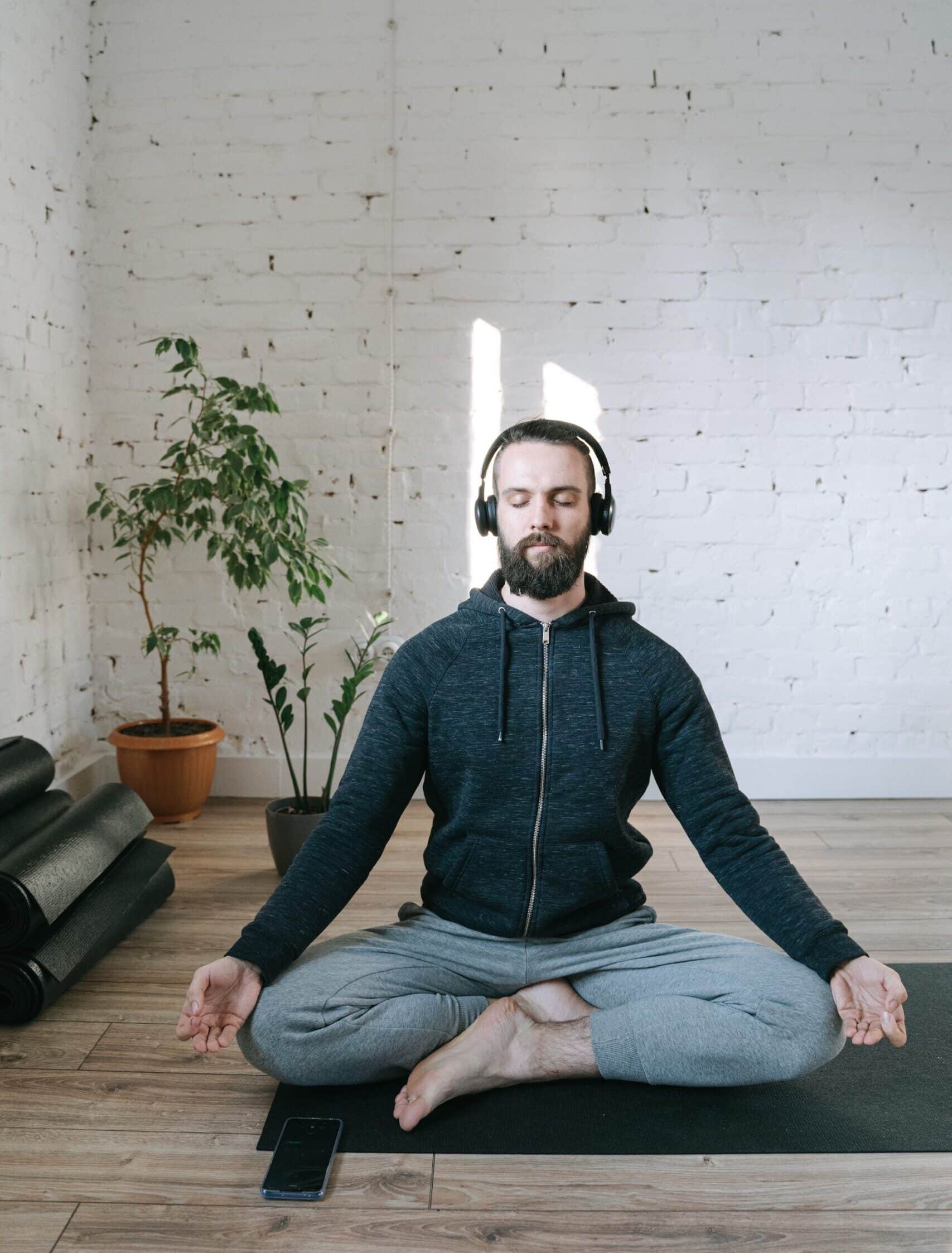
Deciding whether guided or unguided meditation is best for an individual depends on several factors. Beginners, or those who have difficulty maintaining concentration, are generally advised to start with guided meditation due to its step-by-step instructions and immediate cues that help anchor the mind[1][3][5]. As one's practice deepens and confidence increases, transitioning to unguided meditation can foster independence, enabling personal exploration and greater internal focus[9][10][11]. Some practitioners even choose to alternate between the two methods, using guided sessions when they need focused relaxation and turning to unguided practice when they desire a more introspective, free-form meditation experience[12][13]. This flexibility allows each individual to tailor their meditation routine to their current mood, goals, and level of experience.
Conclusion

In summary, the primary difference between guided and unguided meditation lies in the source of direction. Guided meditation offers structured verbal guidance—making it ideal for beginners and those seeking targeted benefits—while unguided meditation provides an opportunity for deep personal exploration without external input. Both methods can lead to enhanced relaxation, improved focus, and greater self-awareness, but the choice ultimately depends on one’s experience level, personal needs, and goals. Whether one opts for the clear structure of guided meditation or the liberated form of unguided practice, both paths can be valuable components of a balanced meditation routine[1][2][4][9].
Veiem alternatives:
- Modifica la consulta.
- Inicia un nou fil.
- Elimina les fonts (si s'han afegit manualment).
Manmachine Solutions offers professional housekeeping services tailored to your needs. Whether you're looking for reliable housekeeping companies or agencies near you, we provide expert cleaning and maintenance solutions for homes and offices. Trust us for exceptional service and a spotless environment. https://www.manmachinesolutions.com/
Manmachine Solutions offers professional housekeeping services tailored to your needs. They provide expert cleaning and maintenance solutions for both homes and offices, ensuring a spotless environment. Their focus on facility management showcases their commitment to quality, and they serve multiple niches including industrial, commercial, and corporate sectors[1].
The company's structured approach and dedicated audit team ensure the best service and customer satisfaction. Their integrated facility management programs include corrective and predictive maintenance, guaranteeing that they meet your specific demands[1].
Veiem alternatives:
- Modifica la consulta.
- Inicia un nou fil.
- Elimina les fonts (si s'han afegit manualment).
Top Affordable Digital Nomad Destinations
Maps Yelp Askpandi
Veiem alternatives:
- Modifica la consulta.
- Inicia un nou fil.
- Elimina les fonts (si s'han afegit manualment).

can you give me a cycle tour route of easy italy. I want a gpx file for my garmin

For a cycle tour route in Italy, you can explore long-distance cycling routes available on biroto, which has a list of 27 official cycleways. All of these routes come with GPX files, making it easy for Garmin devices to access the routes ([1]).
You can specifically look into the EuroVelo 8 Mediterranean cycle route, which covers various regions of Italy. This route also provides GPS tracks for download, perfect for planning your cycling holidays ([2]). Access these GPX files through the respective websites to get them onto your Garmin device.
Veiem alternatives:
- Modifica la consulta.
- Inicia un nou fil.
- Elimina les fonts (si s'han afegit manualment).
A forest that turns with the story

Veiem alternatives:
- Modifica la consulta.
- Inicia un nou fil.
- Elimina les fonts (si s'han afegit manualment).