What does the nearly $2,000 energy-saving estimate really mean?
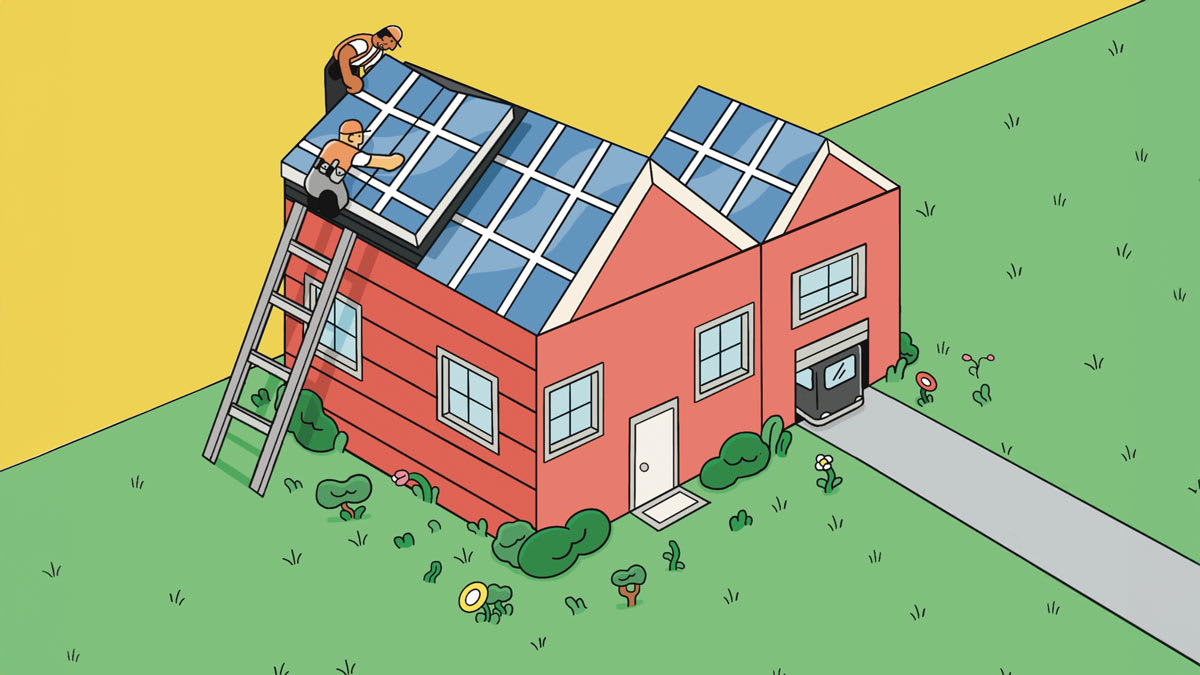
Estimates that energy-efficiency projects can save a typical American family nearly $2,000 per year reflect modeled outcomes for defined household contexts rather than guaranteed results for every homeowner or renter [1]. Interpreting these figures responsibly requires separating three key questions:
- What kind of project is being discussed? Savings depend heavily on the specific measure implemented. Comprehensive building envelope improvements—such as air sealing and adding insulation to attics, crawl spaces, and rim joists—typically target heating and cooling loads [2]. Other projects involve upgrading major equipment, such as installing high-efficiency heat pumps or solar panels [3].
- Who pays for the upgrade? Upfront costs vary widely based on scope, but they can be offset by federal tax credits (such as the Energy Efficient Home Improvement Credit or Residential Clean Energy Credit) and local rebates [4]. However, federal tax incentives generally require primary residence ownership and are not directly available to landlords who do not live in the home [5]. Renters are typically limited to landlord-approved modifications.
- How long do savings take to appear? Some measures, like simple weatherstripping or caulking, can pay for themselves within a year [6], while attic insulation projects commonly recover their costs through utility savings in three to eight years [7]. Major equipment upgrades and solar installations feature longer break-even timelines spanning multiple years [8].
Downstream authors should verify the original estimate's specific publication date, baseline modeling assumptions, and geographic context before publishing [9], ensuring the figure is never presented as a universal savings promise [10].
As a safe next action, consider reviewing one unusually high utility bill to identify peak energy usage or checking for landlord-approved efficiency options [11]. A professional home energy assessment is appropriate when you need a written report and expert inspection to pinpoint the most cost-effective improvements for your specific property [12].
Would you also like to know which federal tax credits apply to specific energy upgrades?Resposta completada. Hi ha una opció de seguiment disponible.
Veiem alternatives:
- Modifica la consulta.
- Inicia un nou fil.
- Elimina les fonts (si s'han afegit manualment).