Découvrir Pandipedia
Un répertoire grandissant de réponses utiles sélectionnées par la communauté Pandi. Cherchez dans la collection ou parcourez les dernières découvertes.
2323 entrées disponibles
The Petrified Wig
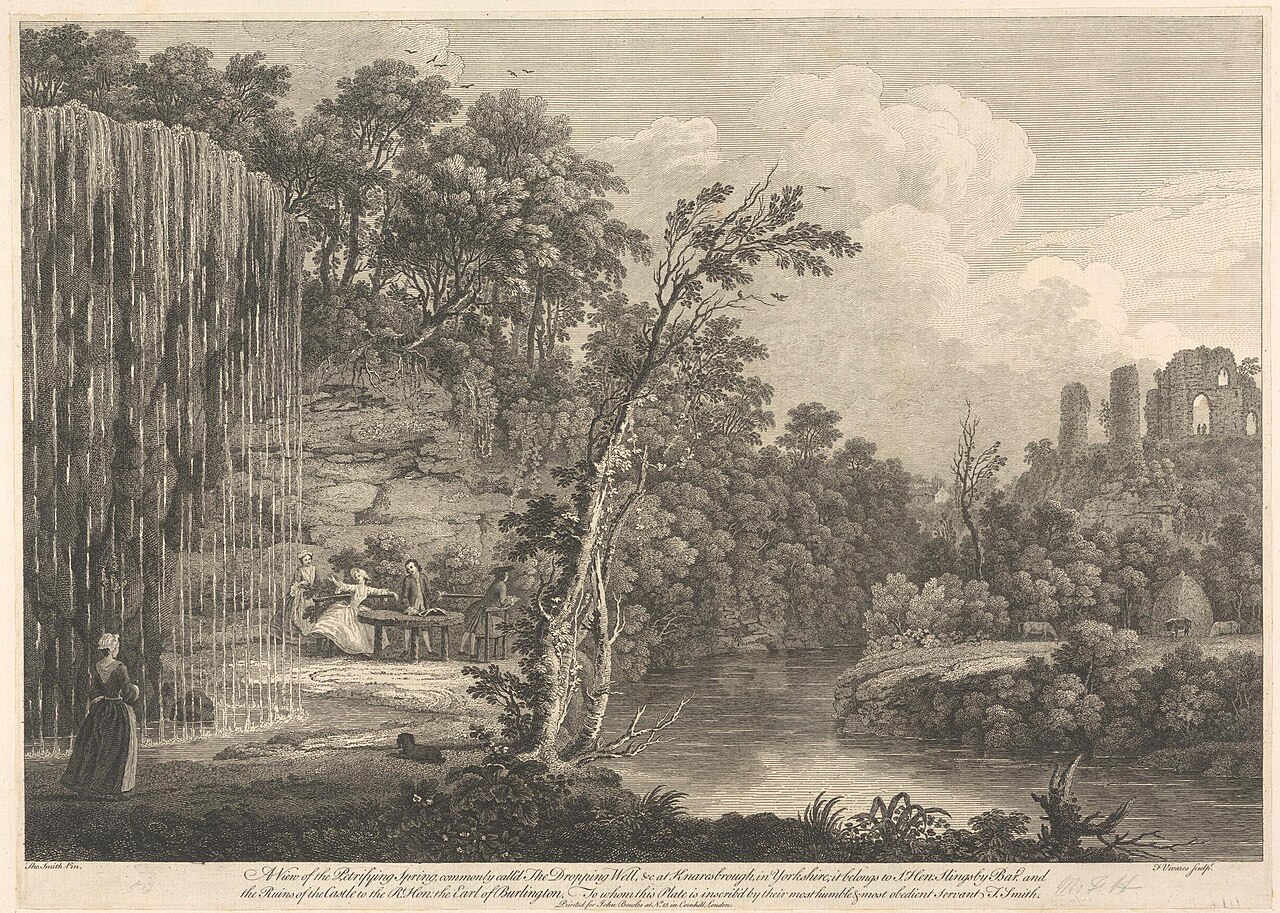
The dropping well at Knaresborough rises at the foot of a limestone rock, runs about sixty feet, then spreads over the brow of the rock and falls from thirty or forty separate places into a channel below. The rock overhangs by some fifteen feet, and each drop makes a small musical tinkling against the hollow.
The water is loaded with mineral matter, which it lays down on anything left under the drip until the object is crusted over and looks like stone. The people who show the well keep a collection of things treated this way. The two prize exhibits are a bird's nest, and an old wig[1].
Examinons les alternatives :
- Modifier la requête.
- Démarrer une nouvelle conversation.
- Supprimer des sources (si elles ont été ajoutées manuellement).
Fossil Ink
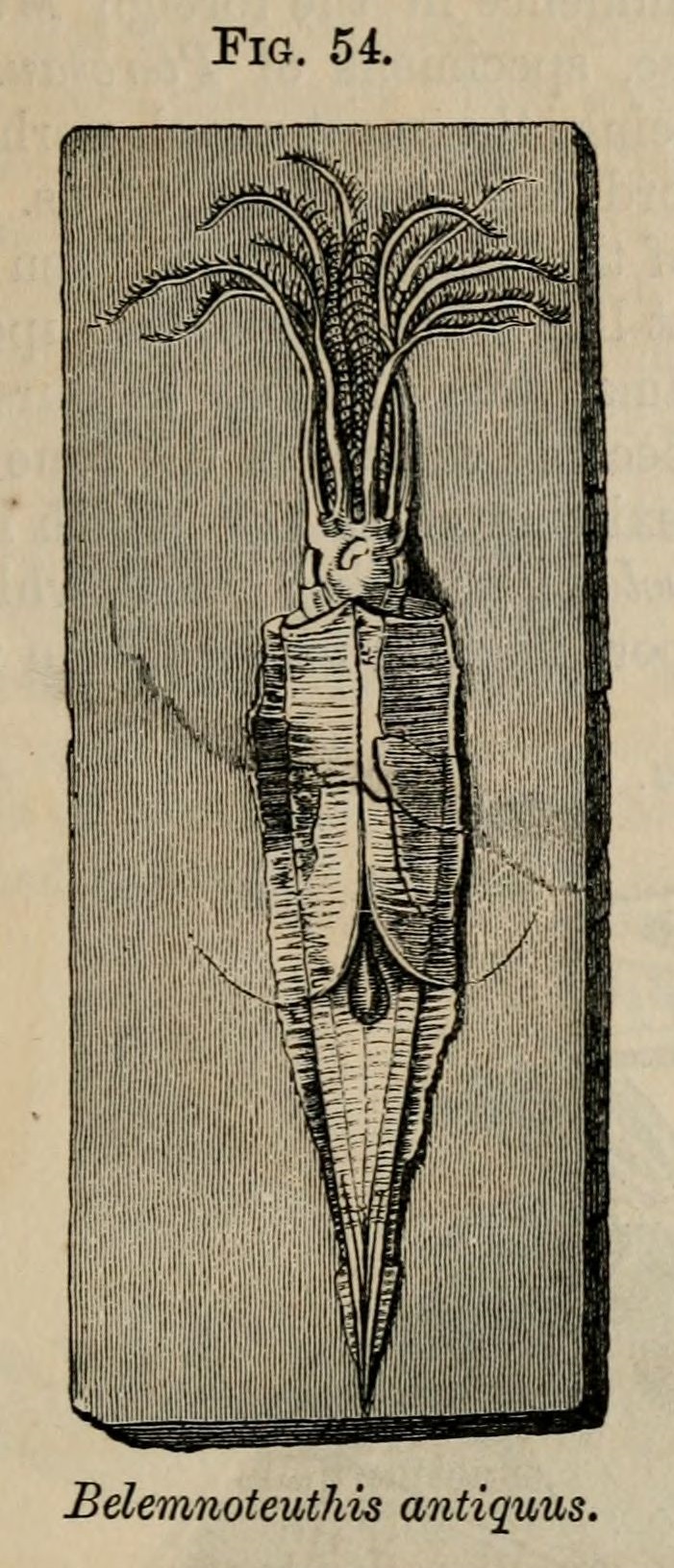
Country people in England called them thunderbolts: dart-shaped stones turning up in the fields, some under an inch long, some more than a foot.
They are belemnites, and they are not stones at all. Each is the internal skeleton of an animal much like a cuttlefish, whose eight arms carried fifteen to twenty pairs of hooks apiece for gripping fish, and whose head held very large eyes.
The extraordinary part is what some specimens still contain. Not only the skeleton, but the ink: the oval sac that held it, the tube through which it was shot out into the water, and the black fluid itself, preserved in a solid state, long after the last time the animal used it to disappear[1].
Examinons les alternatives :
- Modifier la requête.
- Démarrer une nouvelle conversation.
- Supprimer des sources (si elles ont été ajoutées manuellement).
The Laughing Mummies of the Puna
Examinons les alternatives :
- Modifier la requête.
- Démarrer une nouvelle conversation.
- Supprimer des sources (si elles ont été ajoutées manuellement).
Found by Grabbing a Tree
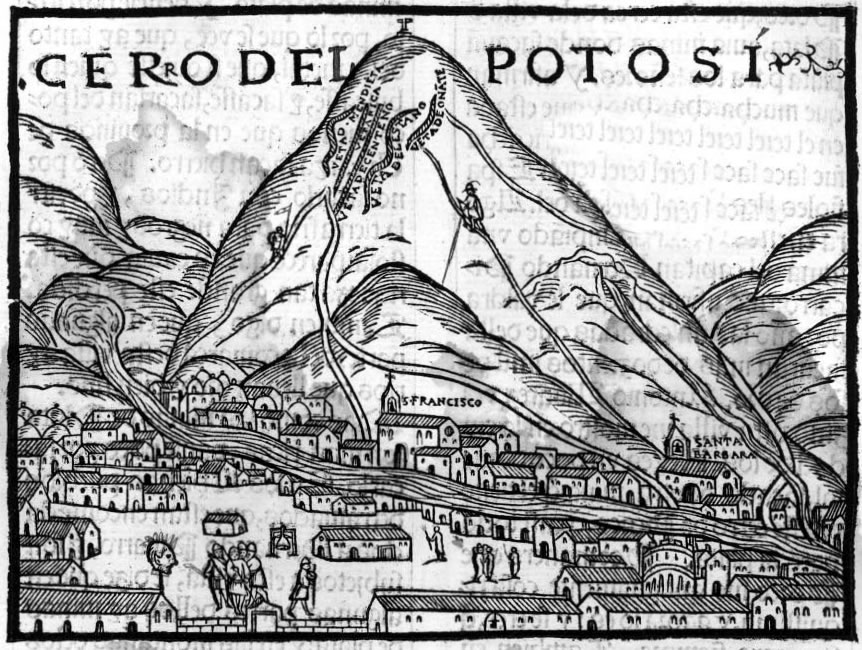
The richest silver mine in South America was found by a man chasing something else.
An Indigenous hunter named Hualpa was climbing the side of a mountain after a wild animal and caught hold of a tree to help himself up. The tree was so slightly rooted that it came out of the ground entirely. The animal escaped — but there were grains of native silver clinging to the roots in his hand[1].
The vein ran so close to the surface at Potosí that no shaft was ever needed there. Miners simply scooped out the hillside, in the end opening several hundred pits, none of them more than seventy yards deep.
Examinons les alternatives :
- Modifier la requête.
- Démarrer une nouvelle conversation.
- Supprimer des sources (si elles ont été ajoutées manuellement).
The Safety Lamp That Was Not Safe
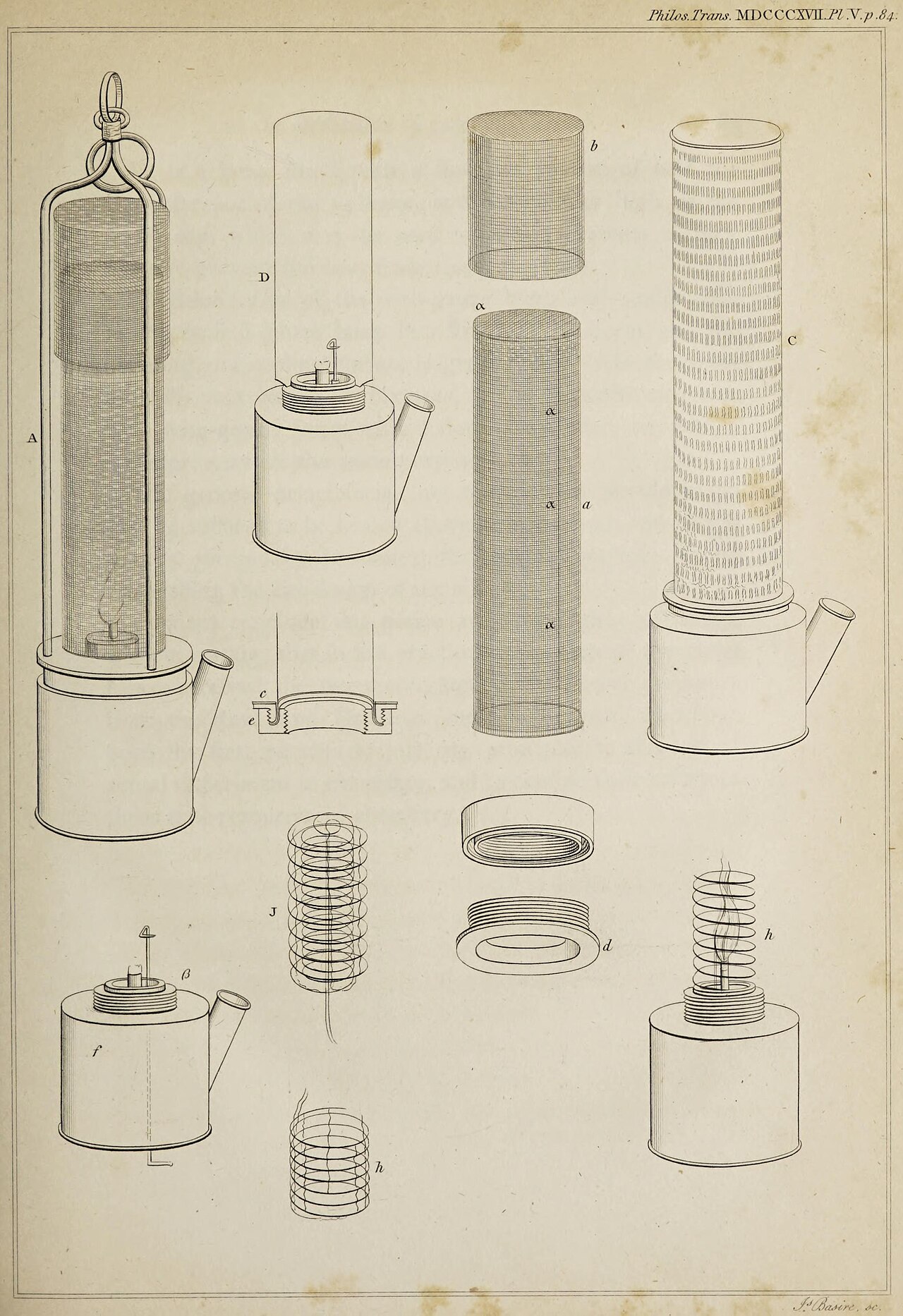
By the 1840s the miner's safety lamp was already a celebrated piece of British invention. The book is not impressed by it.
It first sets out the scale of the problem: upwards of twenty thousand people lost their lives in the coal mines of Great Britain in little more than twenty years, killed by explosions of inflammable gas and by the carbonic acid gas the miners called choke damp.
Then it turns to Sir Humphry Davy's lamp and says, plainly, that "it does not appear to deserve that name, as many very serious accidents have happened in collieries where it has been in constant use."[1]
Examinons les alternatives :
- Modifier la requête.
- Démarrer une nouvelle conversation.
- Supprimer des sources (si elles ont été ajoutées manuellement).
Everyone Thought It Landed Next to Them
On 18 May 1710 a meteor crossed the sky over Leeds: broad at one end, narrow at the other, and travelling broad end first. People called it the flaming sword. Its light arrived so suddenly and so brightly that those standing beneath it saw their own shadows thrown on the ground.
It was tracked onwards across Yorkshire, Lancashire, Nottingham and Derby. And here is the part worth keeping. Of all the people who watched it come down, scattered many miles apart from one another, every one of them was convinced it had fallen within a few yards of where they stood[1].
Examinons les alternatives :
- Modifier la requête.
- Démarrer une nouvelle conversation.
- Supprimer des sources (si elles ont été ajoutées manuellement).
The Night London Chased the Sky
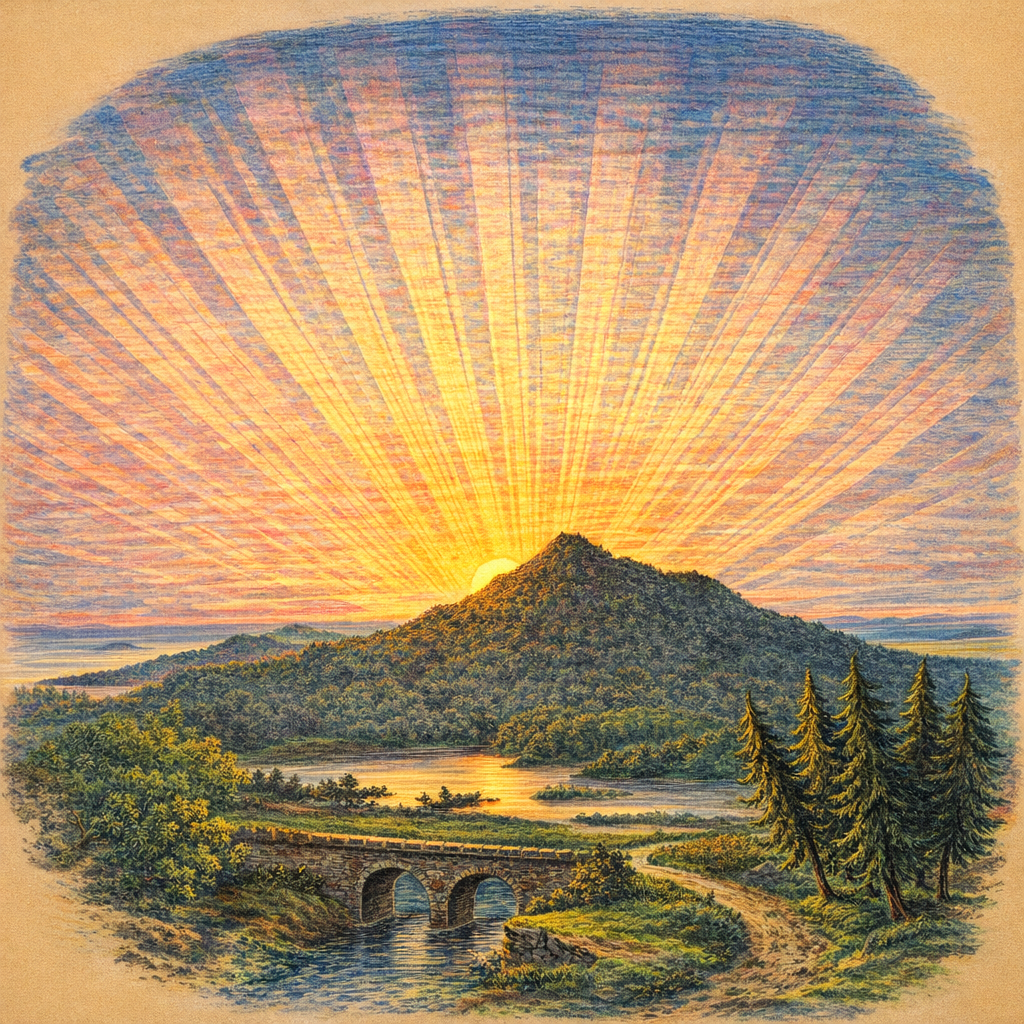
An aurora does not always appear as a clean arch of light. Sometimes it does not look like a sky phenomenon at all.
The book records an occasion in London when the northern lights showed up as a broad low glow, exactly like the reflection of a large fire somewhere beyond the rooftops. The fire engines were out nearly all night, searching the city for imaginary fires[1].
Examinons les alternatives :
- Modifier la requête.
- Démarrer une nouvelle conversation.
- Supprimer des sources (si elles ont été ajoutées manuellement).
The Evidence Arrived by Current
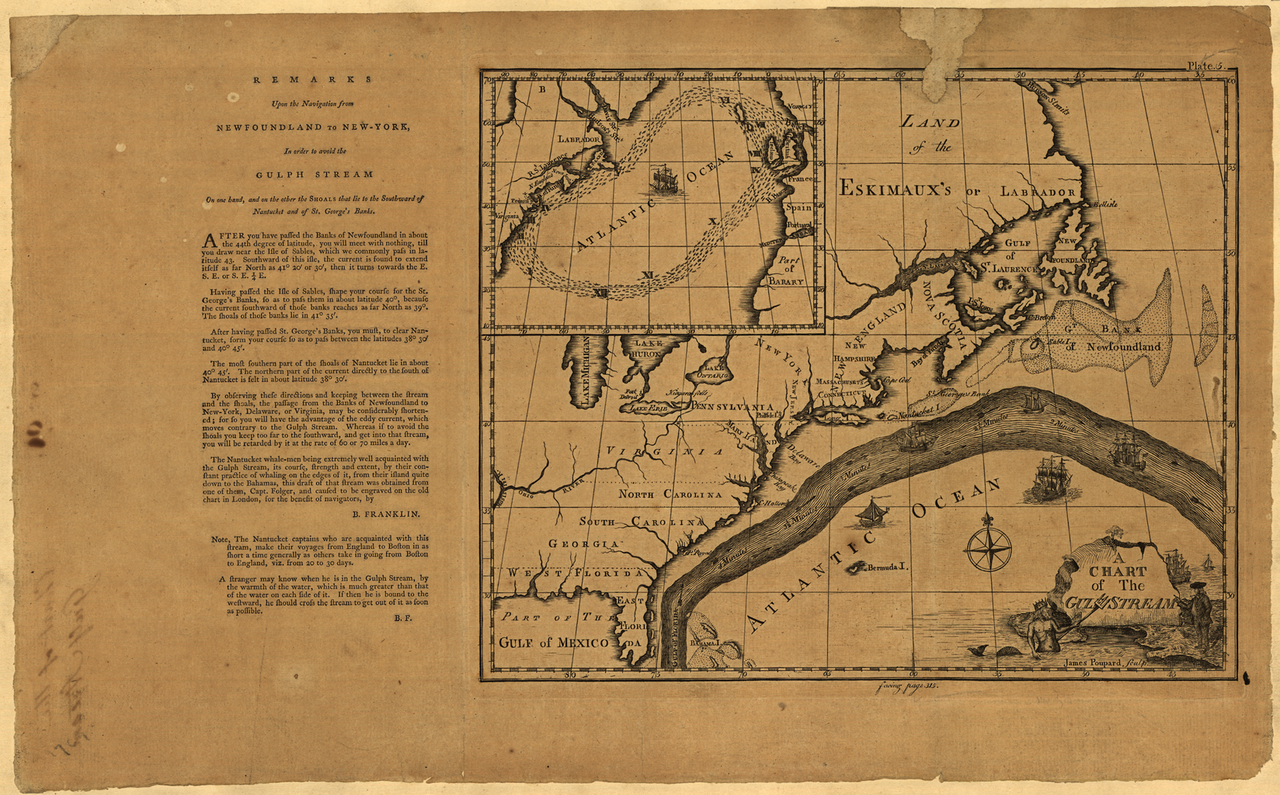
Before he sailed, Columbus had physical evidence that something lay to the west, and the Gulf Stream had delivered it to him. The current carried onto the shores of the Azores two things that did not belong there: pieces of bamboo of enormous size, and the bodies of two men of a race nobody recognised[1].
The book gives the measure of that current elsewhere. A single drop of water takes two years and ten months to return to the place it set out from. A boat with no sail and no oar would drift from Florida to the Newfoundland bank in forty or fifty days.
It carries wreckage just as faithfully. The remains of the Tilbury, a ship burnt at Jamaica, were eventually found on the coast of Scotland.
Examinons les alternatives :
- Modifier la requête.
- Démarrer une nouvelle conversation.
- Supprimer des sources (si elles ont été ajoutées manuellement).
No Two Trees the Same
The Selva is the forested plain running west from the Amazon to the foot of the Andes, at least fifteen hundred miles across and, by the book's estimate, some six times the area of France. What the account finds most remarkable about it is not the size.
"It is composed of large trees of various sizes and heights, and what is very remarkable, they differ greatly in species; so that no two trees standing together are of the same kind." On a patch of twenty square yards you might count thirty or forty trees, every one of them a different species[1].
The gaps between are filled with grass-trees and bushes and stitched together by climbing plants, until the whole becomes "a woody fabric... as impenetrable to man as a wall of stone, and more difficult to be removed."
Examinons les alternatives :
- Modifier la requête.
- Démarrer une nouvelle conversation.
- Supprimer des sources (si elles ont été ajoutées manuellement).
The Horses That Never Saw Daylight Again
Examinons les alternatives :
- Modifier la requête.
- Démarrer une nouvelle conversation.
- Supprimer des sources (si elles ont été ajoutées manuellement).