Découvrir Pandipedia
Un répertoire grandissant de réponses utiles sélectionnées par la communauté Pandi. Cherchez dans la collection ou parcourez les dernières découvertes.
2272 entrées disponibles
Walking a Raindrop
Examinons les alternatives :
- Modifier la requête.
- Démarrer une nouvelle conversation.
- Supprimer des sources (si elles ont été ajoutées manuellement).

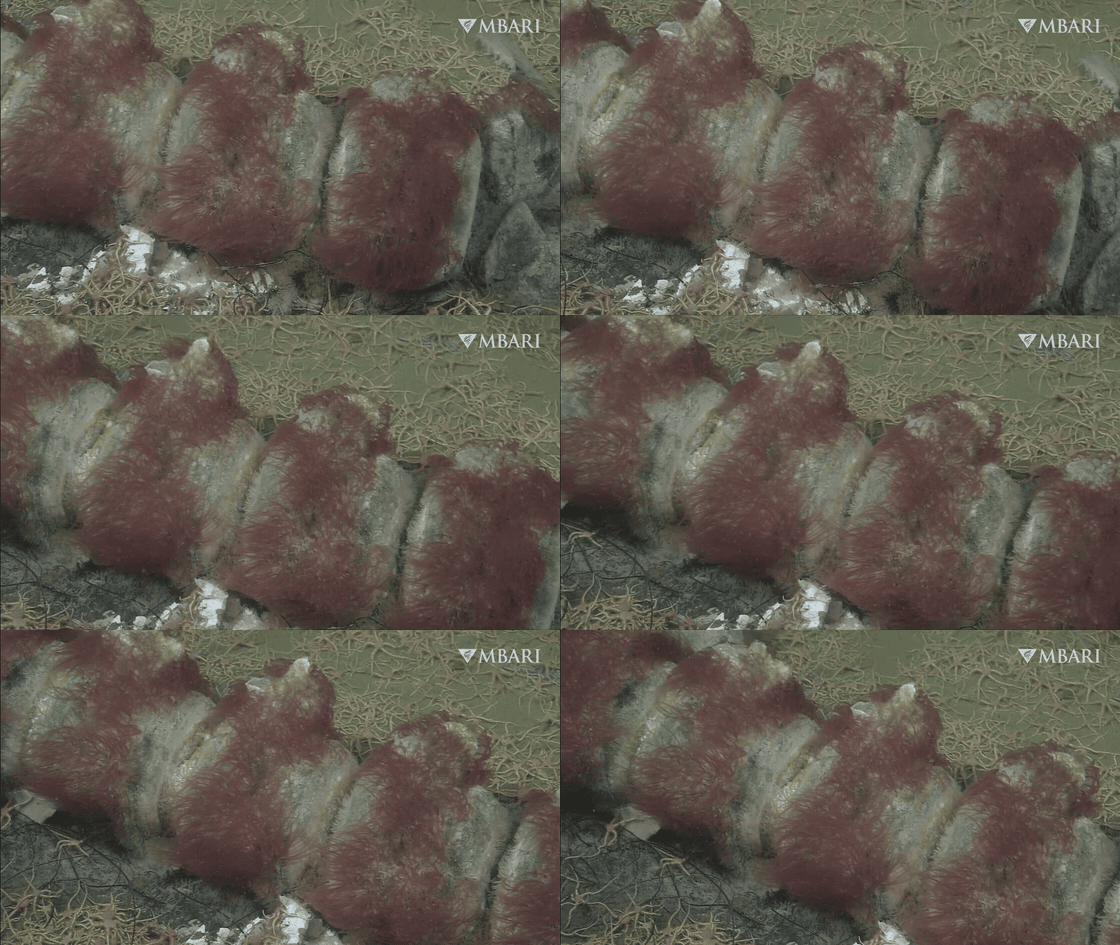
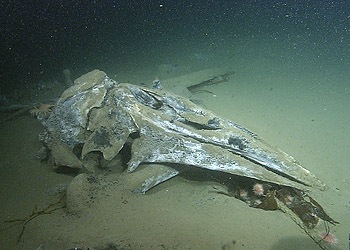
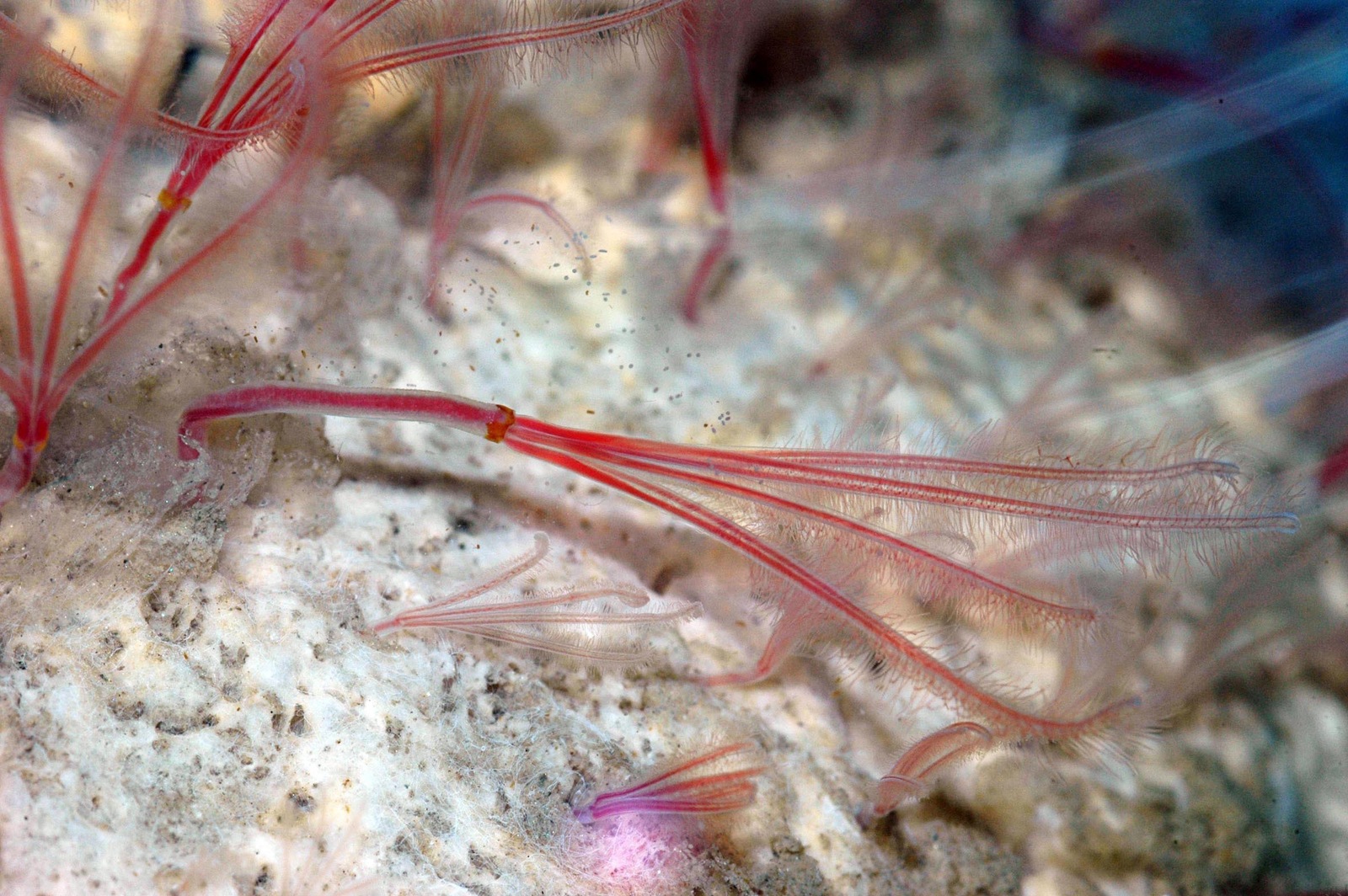
A garden growing from whale bones
These “flowers” are worms growing out of whale bones. Osedax worms have no mouth or gut. Instead, root-like tissue penetrates the bone, while bacteria living inside the worms help them obtain nutrients from it. The worms’ root-like tissue and bacterial partners let them use the bones as a source of nutrients. Even a skeleton can become an ecosystem.
Examinons les alternatives :
- Modifier la requête.
- Démarrer une nouvelle conversation.
- Supprimer des sources (si elles ont été ajoutées manuellement).
Felt-Lined Wheel
Examinons les alternatives :
- Modifier la requête.
- Démarrer une nouvelle conversation.
- Supprimer des sources (si elles ont été ajoutées manuellement).
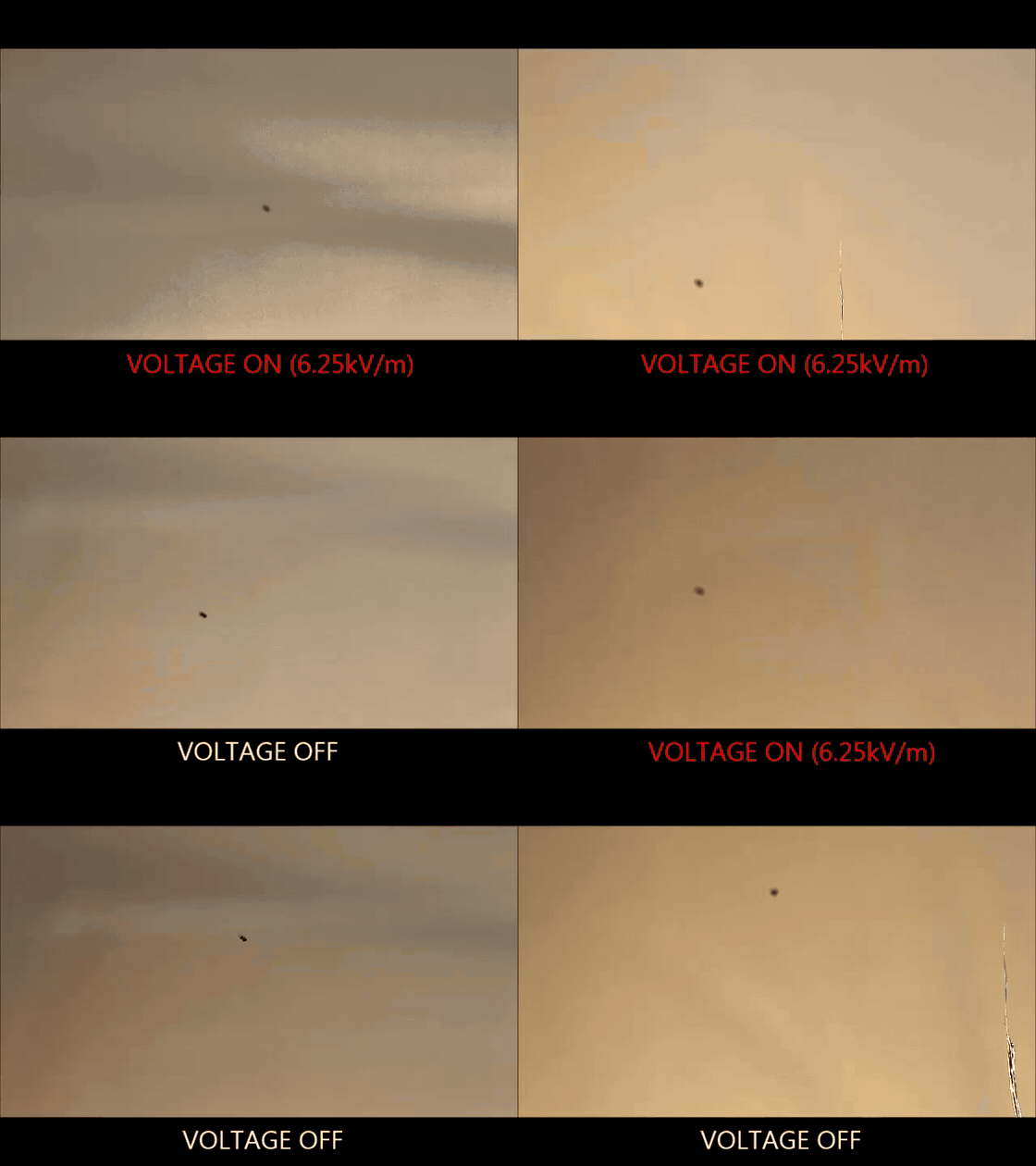
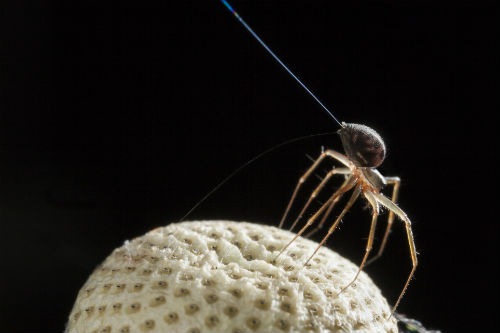
Spiders riding electric fields
Spiders have no wings, but some can travel through the air by releasing silk, a behavior called ballooning. In laboratory experiments, electric fields lifted spiders even without wind. The experiments show that spiders can be lifted by electric fields under lab conditions. They don’t establish how often this happens outside the laboratory.
Examinons les alternatives :
- Modifier la requête.
- Démarrer une nouvelle conversation.
- Supprimer des sources (si elles ont été ajoutées manuellement).
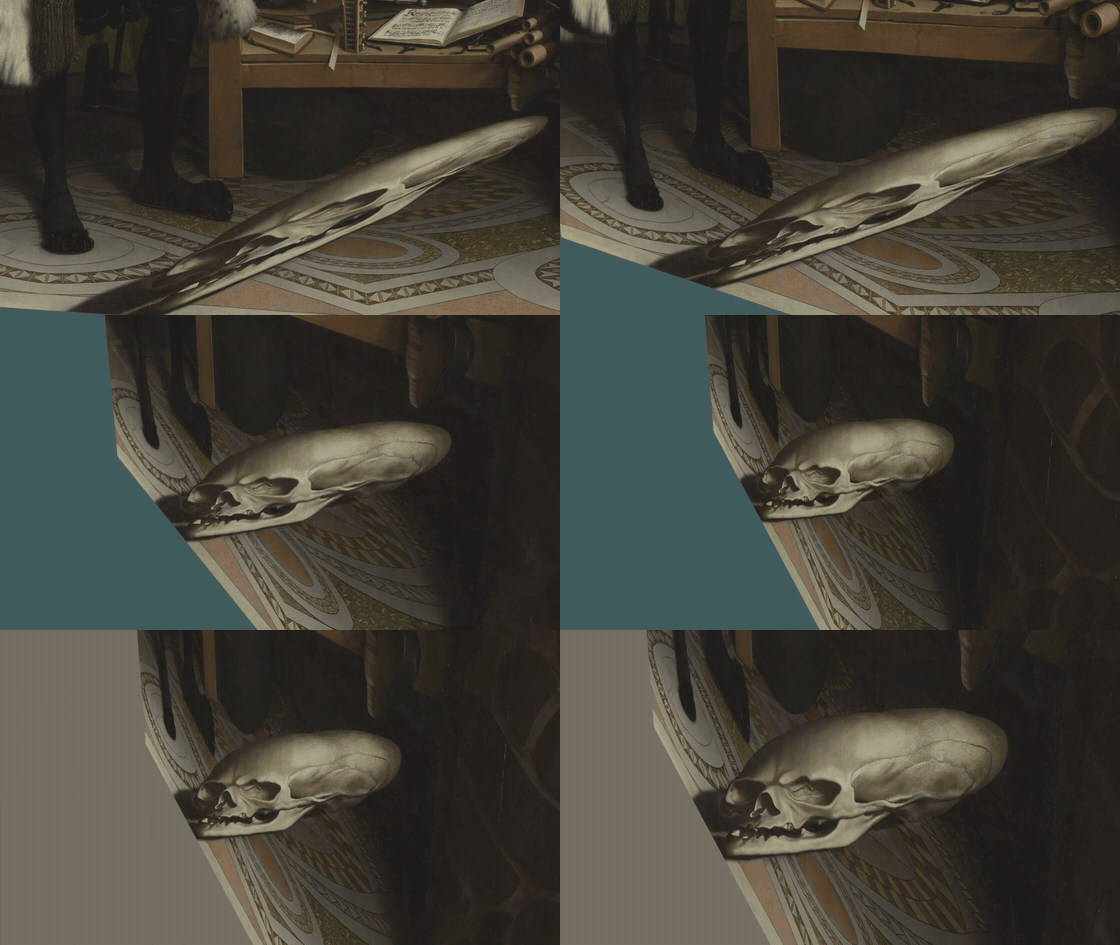
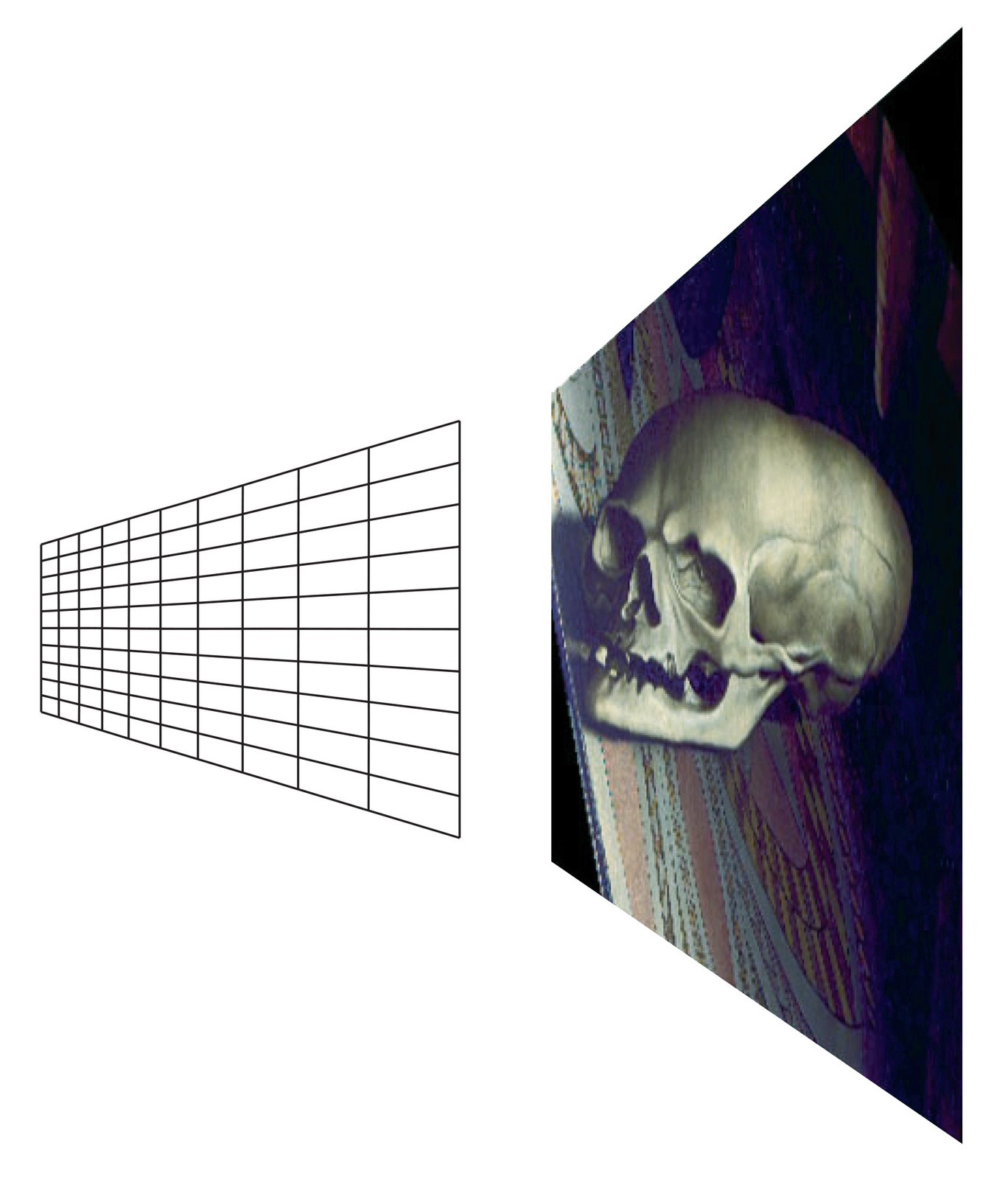
A painting that changes when you move
At the bottom of this painting, a strange smear is actually a skull. Viewed from the side, the distorted shape snaps into focus. Holbein painted this unusual perspective in 1533. The skull becomes recognizable when you change where you stand and look at the painting from the side.

Examinons les alternatives :
- Modifier la requête.
- Démarrer une nouvelle conversation.
- Supprimer des sources (si elles ont été ajoutées manuellement).
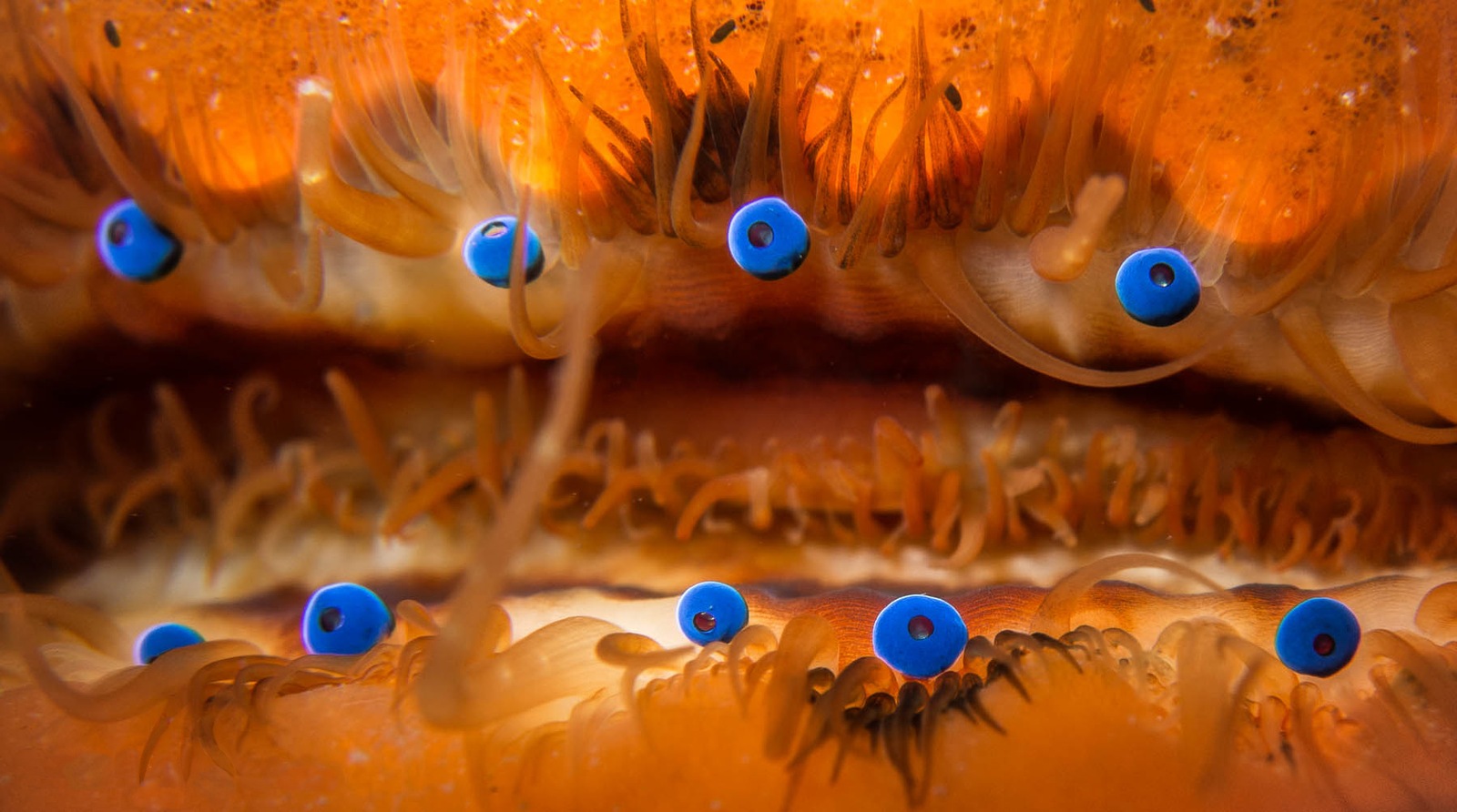
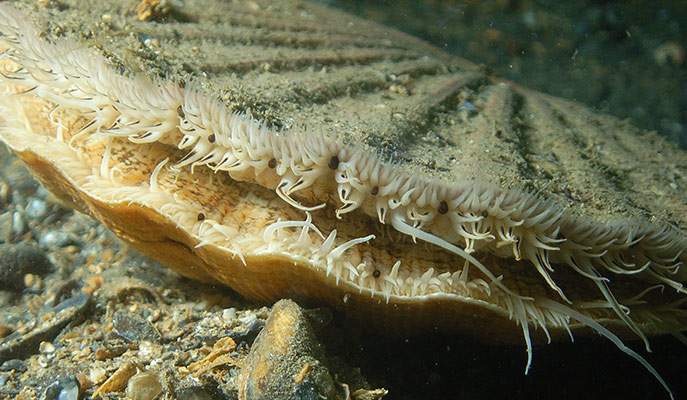
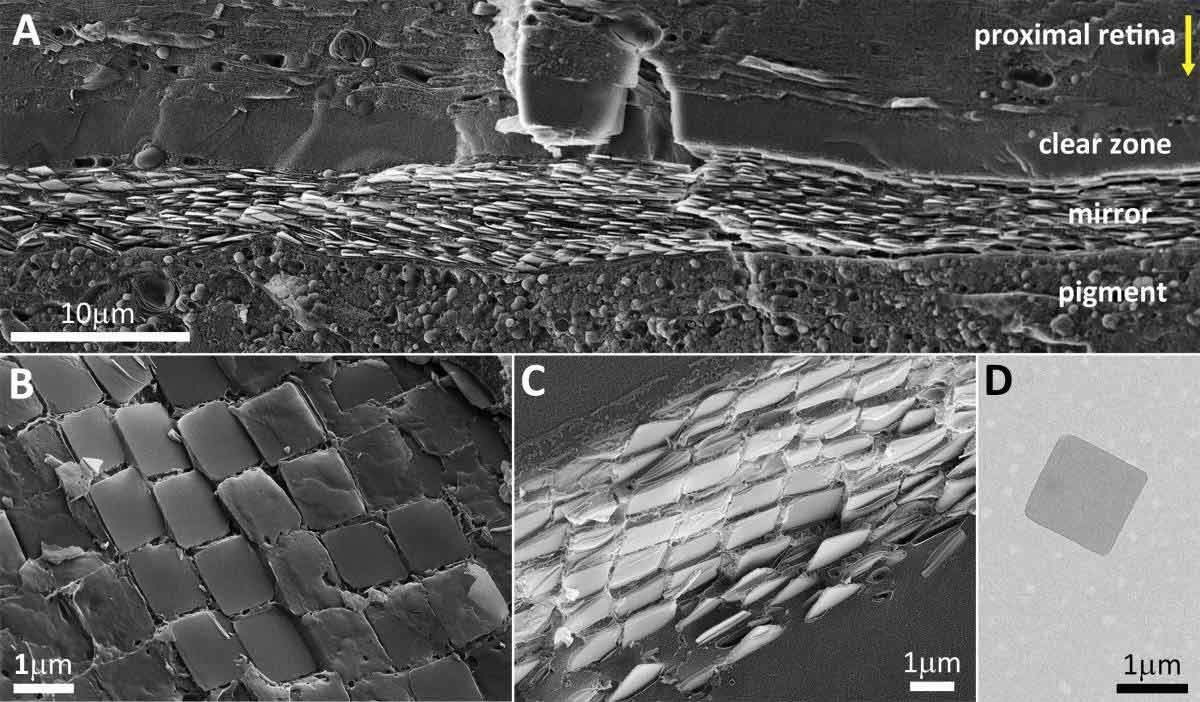
Scallops see with mirrors
Those blue dots are eyes: scallops can have up to 200 of them. Each eye focuses light with a curved mirror made from tiny crystals. The mirrors work rather like those in a miniature reflecting telescope. A scallop can have an array of these crystal mirrors, one for each of its many eyes.
Examinons les alternatives :
- Modifier la requête.
- Démarrer une nouvelle conversation.
- Supprimer des sources (si elles ont été ajoutées manuellement).
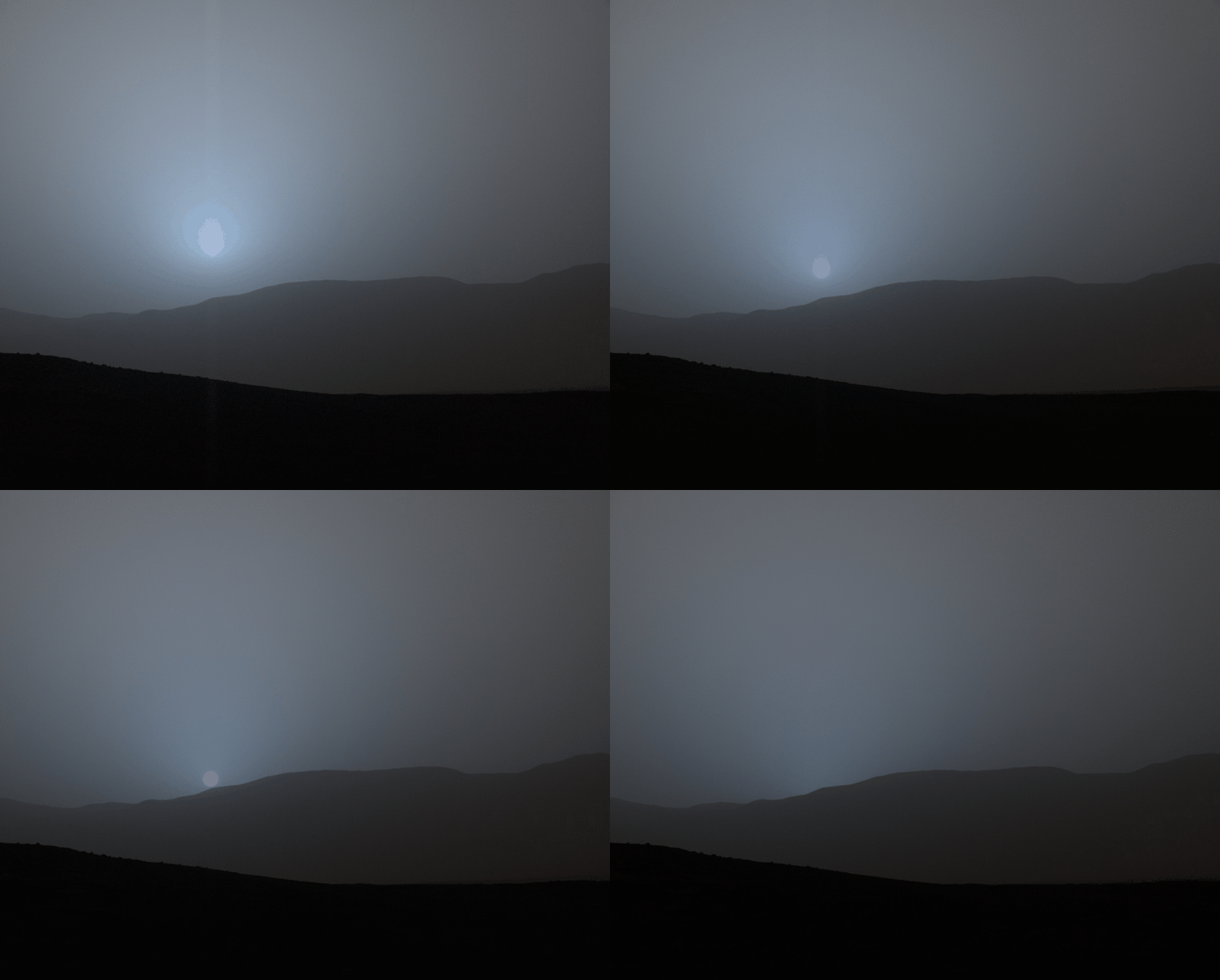
A blue sunset on Mars
Curiosity photographed a sunset from the surface of Mars. A blue glow surrounds the Sun, making the scene look unlike a sunset on Earth. The glow comes from the way fine Martian dust scatters sunlight. It is the same Sun, but the dust in Mars’s sky gives the light a different appearance.

Examinons les alternatives :
- Modifier la requête.
- Démarrer une nouvelle conversation.
- Supprimer des sources (si elles ont été ajoutées manuellement).
A bridge you have to keep alive
In Meghalaya, India, Khasi communities guide living tree roots across rivers to form bridges. These crossings are still growing: as the roots thicken over time, they strengthen the structure. A living-root bridge is not simply finished and left behind. Its roots keep growing, so the bridge has to be kept alive.


Examinons les alternatives :
- Modifier la requête.
- Démarrer une nouvelle conversation.
- Supprimer des sources (si elles ont été ajoutées manuellement).
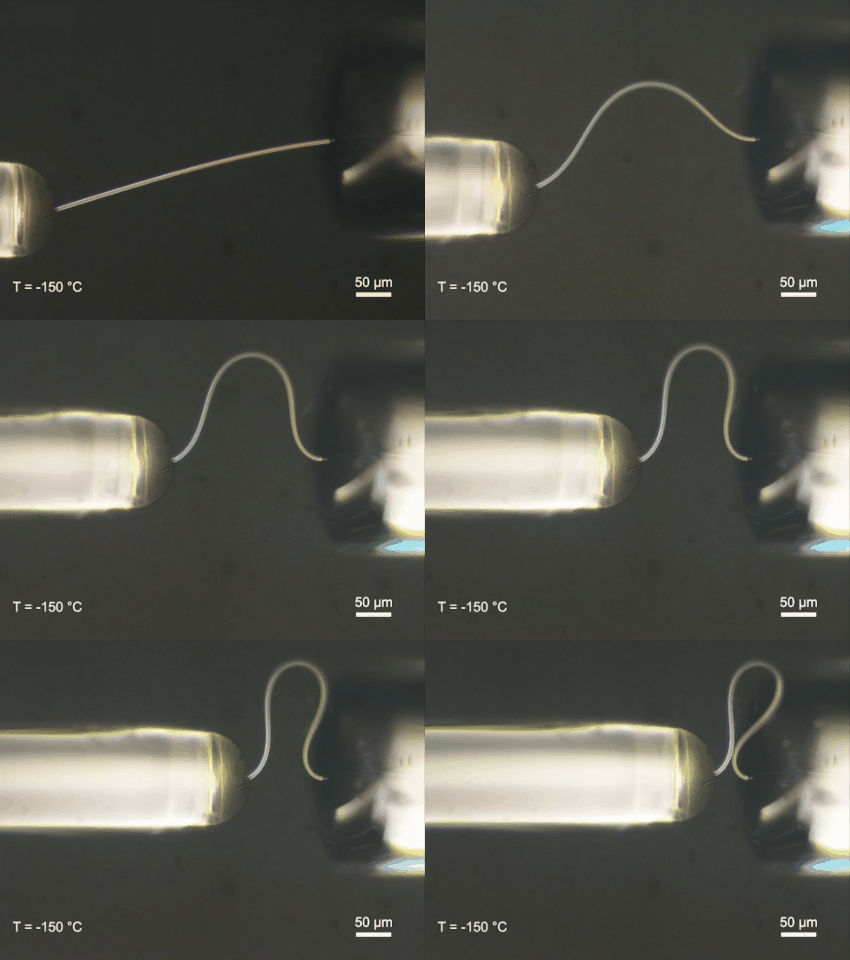
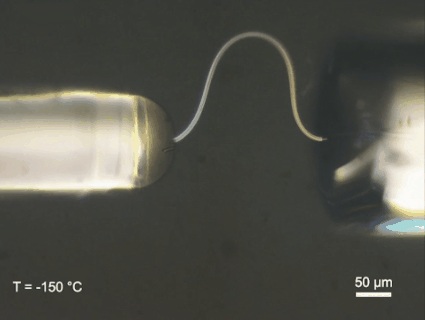
Solid ice that bends
Solid ice can bend under specific conditions: researchers grew exceptionally thin, nearly flawless ice crystals and observed them at −150°C. The crystals bent, then sprang back when released. The finding applies to these specially grown crystals at this extremely low temperature; it does not establish that ordinary ice behaves the same way. It shows that solid ice can flex in this particular setting.
Examinons les alternatives :
- Modifier la requête.
- Démarrer une nouvelle conversation.
- Supprimer des sources (si elles ont été ajoutées manuellement).
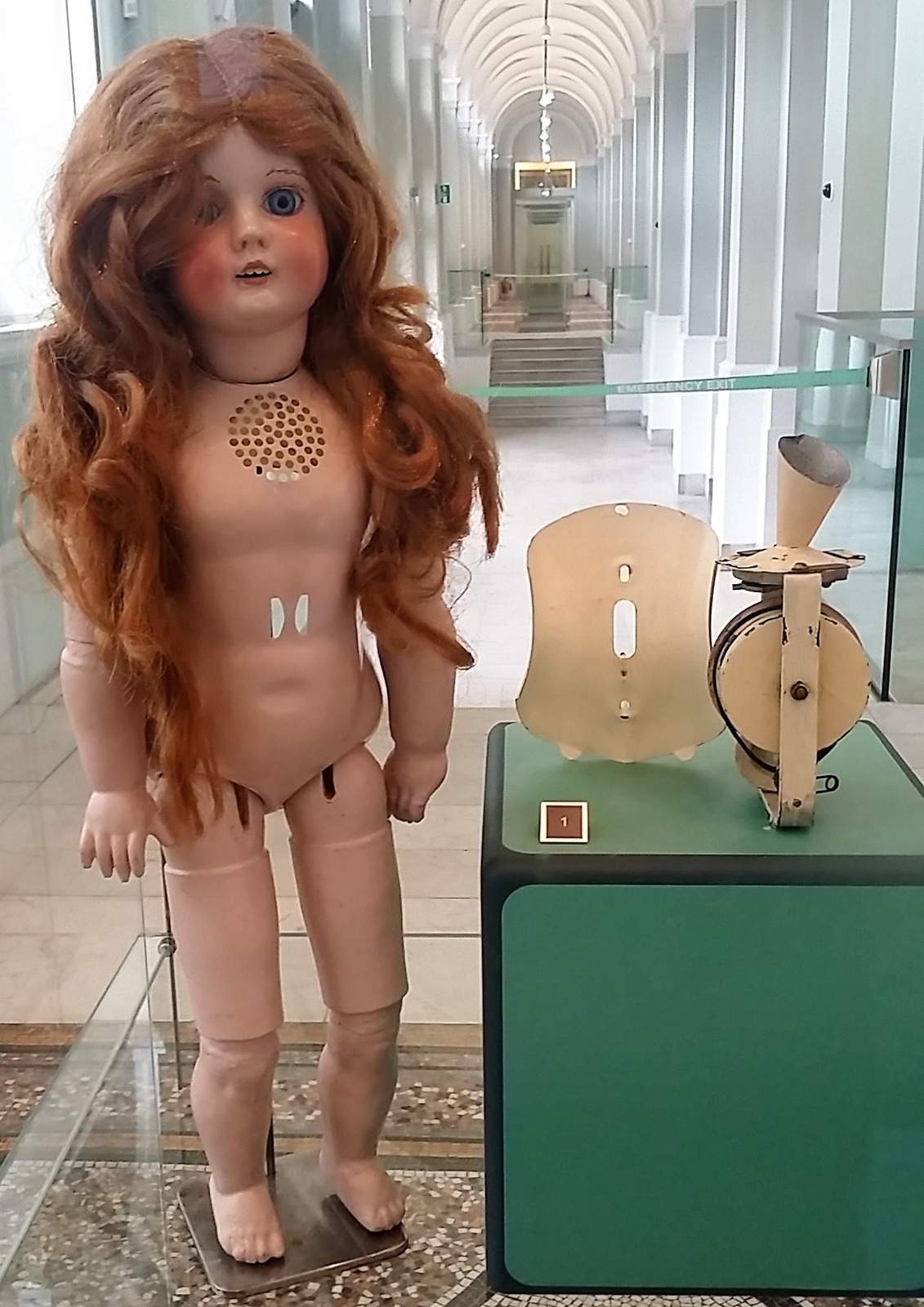
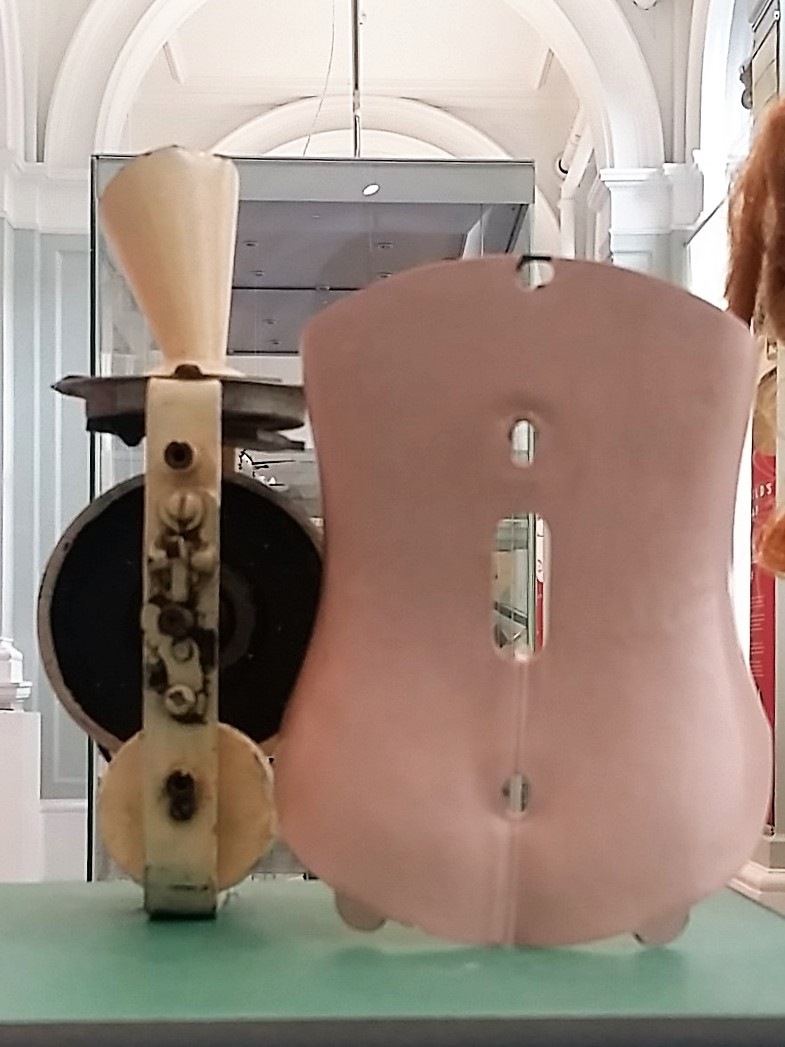
The 1890 toy that still has a voice
In 1890, a talking doll could speak through a tiny phonograph inside its body. The device played a voice recorded on a wax cylinder. More than 130 years later, we can still listen to the person who gave this toy its voice. That surviving recording lets us hear what a talking doll sounded like at the time.
Examinons les alternatives :
- Modifier la requête.
- Démarrer une nouvelle conversation.
- Supprimer des sources (si elles ont été ajoutées manuellement).