Découvrir Pandipedia
Un répertoire grandissant de réponses utiles sélectionnées par la communauté Pandi. Cherchez dans la collection ou parcourez les dernières découvertes.
2272 entrées disponibles
Pleating a Copper Feather
Examinons les alternatives :
- Modifier la requête.
- Démarrer une nouvelle conversation.
- Supprimer des sources (si elles ont été ajoutées manuellement).

Concrete with a built-in crack repair system
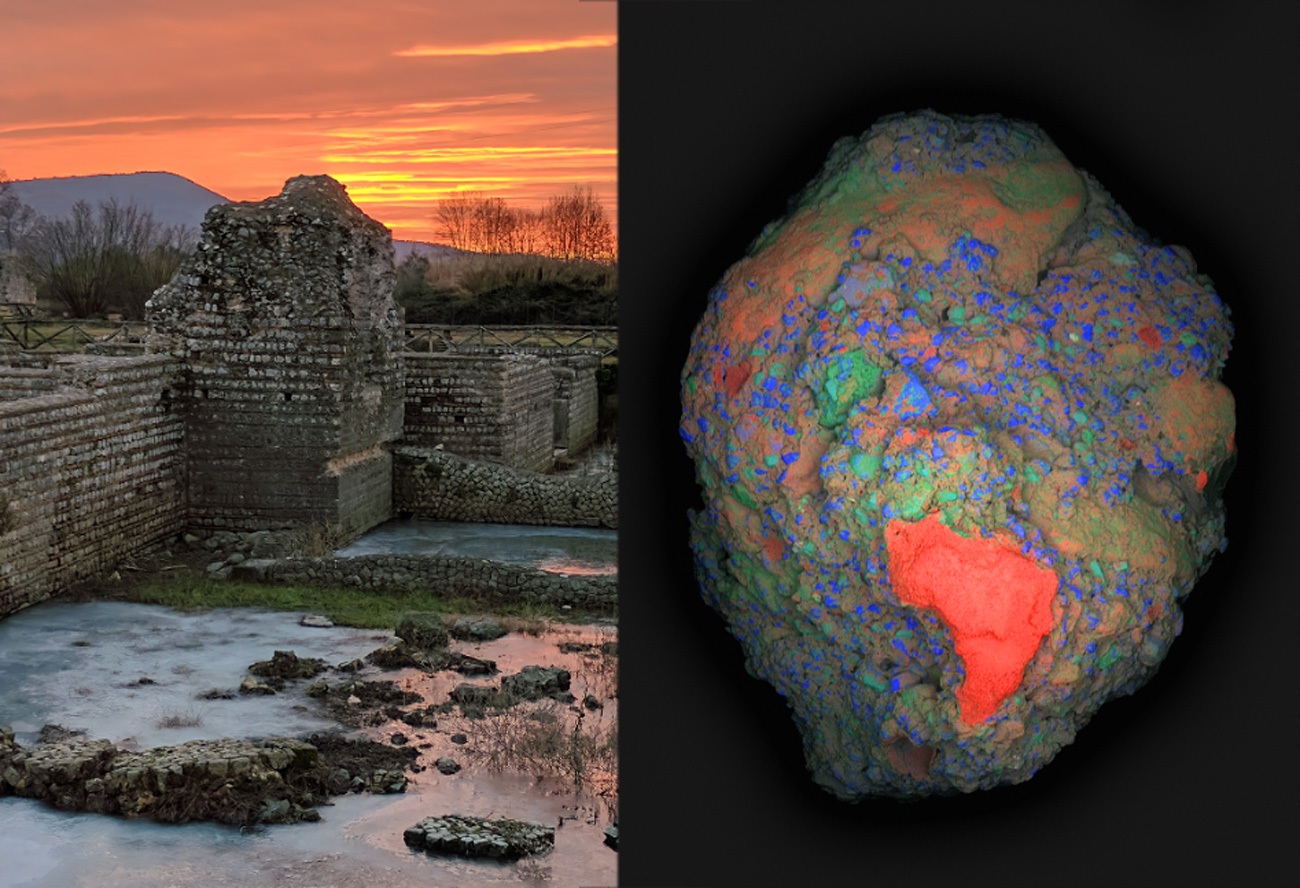
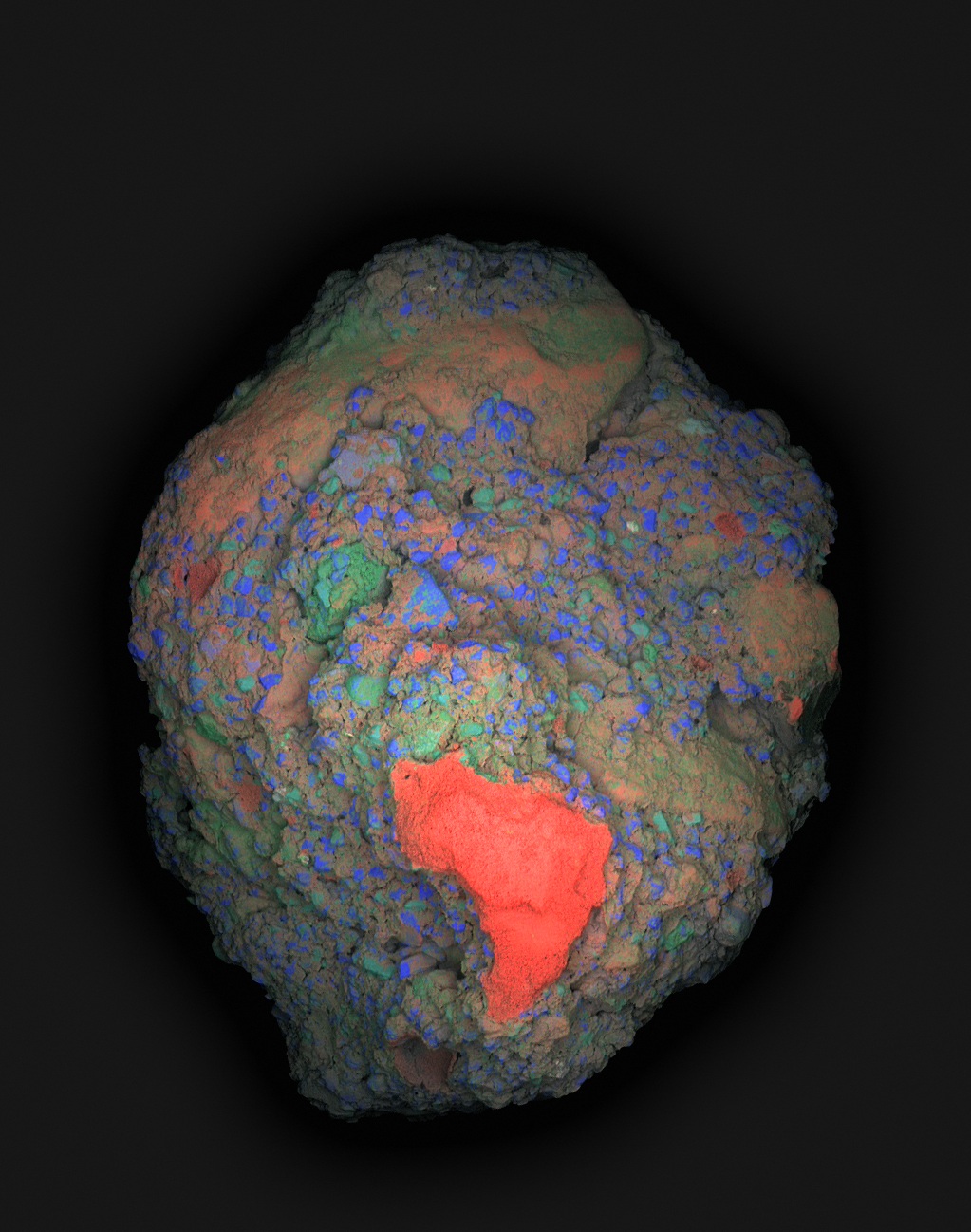
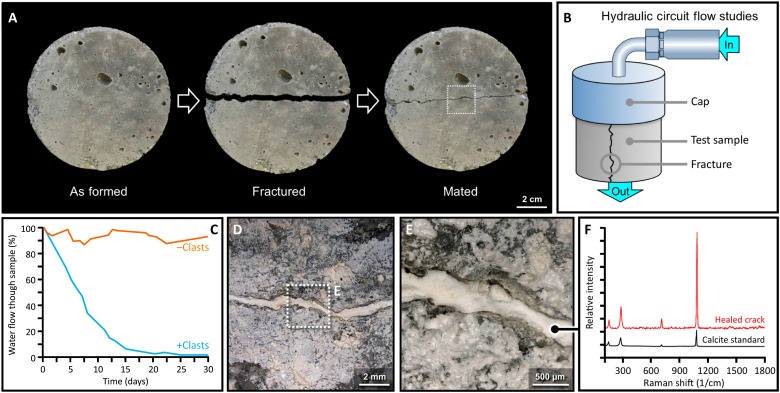
Those white lumps in Roman concrete may be part of a repair system. Researchers found calcium-rich inclusions, tiny features within the concrete, that can help fill small cracks when water enters. Water can dissolve calcium from the inclusions, which can then form new minerals inside a crack. In tests, researchers deliberately cracked Roman-inspired concrete samples and ran water through them. Cracks in the tested mixture sealed within two weeks; a comparison without quicklime kept leaking.
Examinons les alternatives :
- Modifier la requête.
- Démarrer une nouvelle conversation.
- Supprimer des sources (si elles ont été ajoutées manuellement).
Unspooling a Moss Comet
Examinons les alternatives :
- Modifier la requête.
- Démarrer une nouvelle conversation.
- Supprimer des sources (si elles ont été ajoutées manuellement).
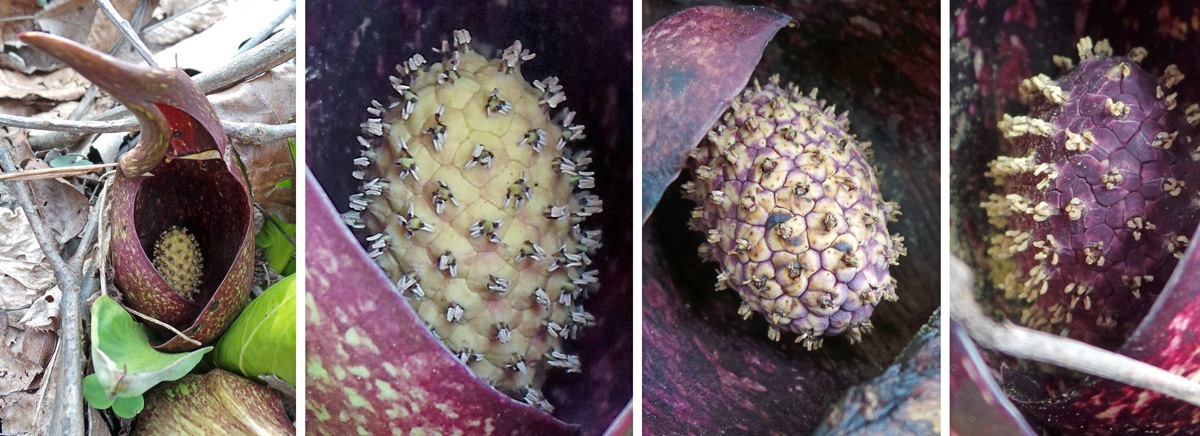
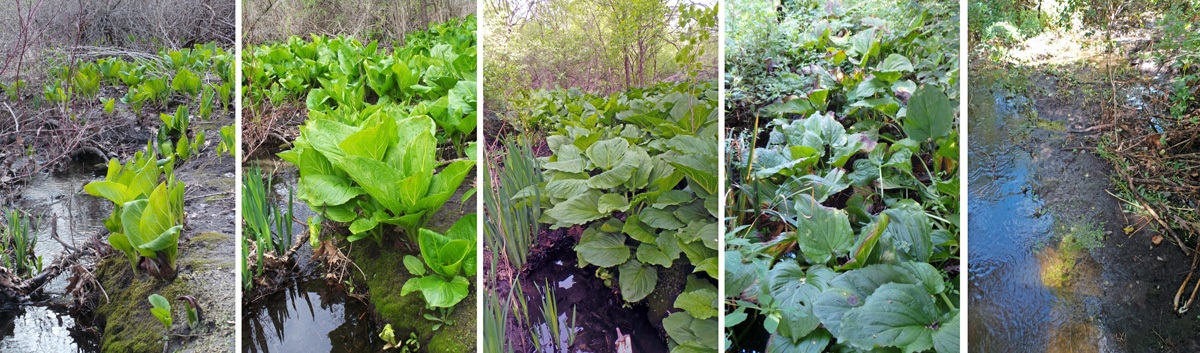
A flower with its own heating system
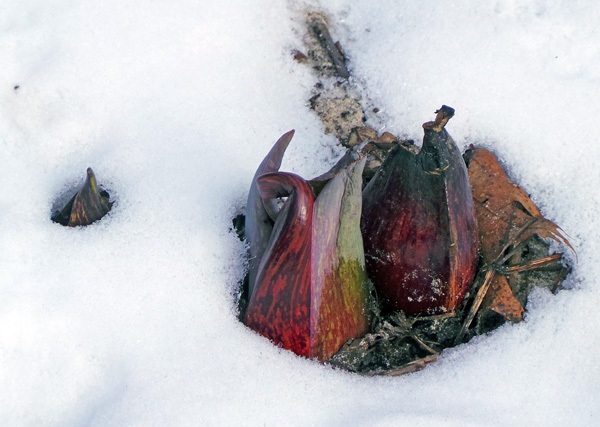
Eastern skunk cabbage can flower while snow remains and the ground is frozen. Its flowering structure releases heat through metabolism, staying warmer than the surrounding air. Stored energy helps maintain this warm space in chilly early spring. Its smell attracts insects that visit the flowers and carry pollen. The warmth can also help early pollinators, making the small hooded flower a busy patch of life in a cold landscape.
Examinons les alternatives :
- Modifier la requête.
- Démarrer une nouvelle conversation.
- Supprimer des sources (si elles ont été ajoutées manuellement).
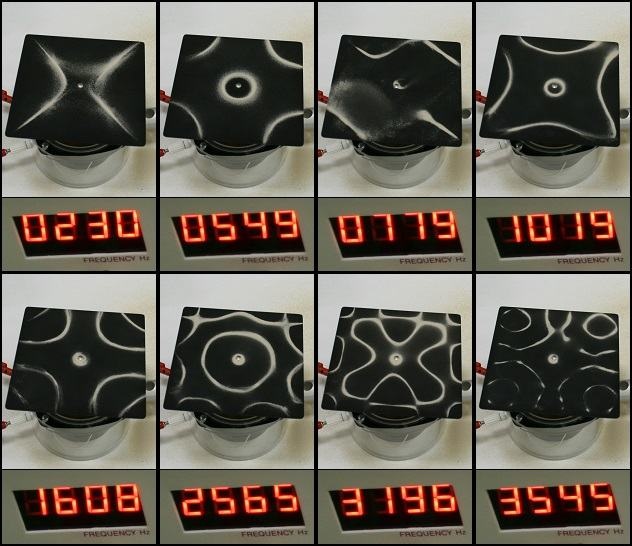
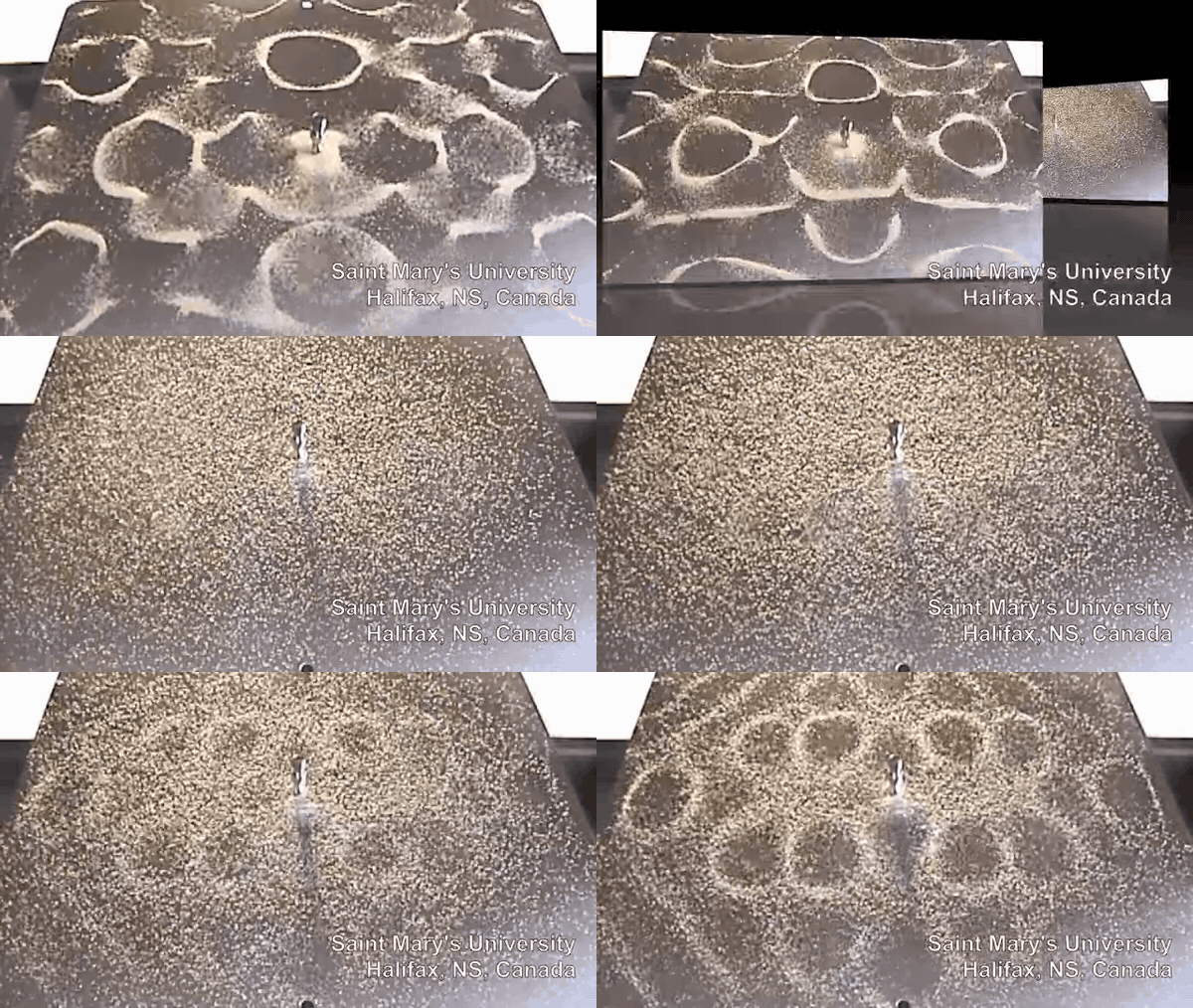
Sound that draws patterns in sand
Change the note, and sand on a vibrating metal plate forms a different geometric pattern. The grains bounce away from parts moving strongly and gather along lines that barely move. These patterns, called Chladni figures, vary with the plate’s shape, how it is supported and the vibration mode excited. They make the plate’s otherwise hard-to-see motion visible.
Examinons les alternatives :
- Modifier la requête.
- Démarrer une nouvelle conversation.
- Supprimer des sources (si elles ont été ajoutées manuellement).
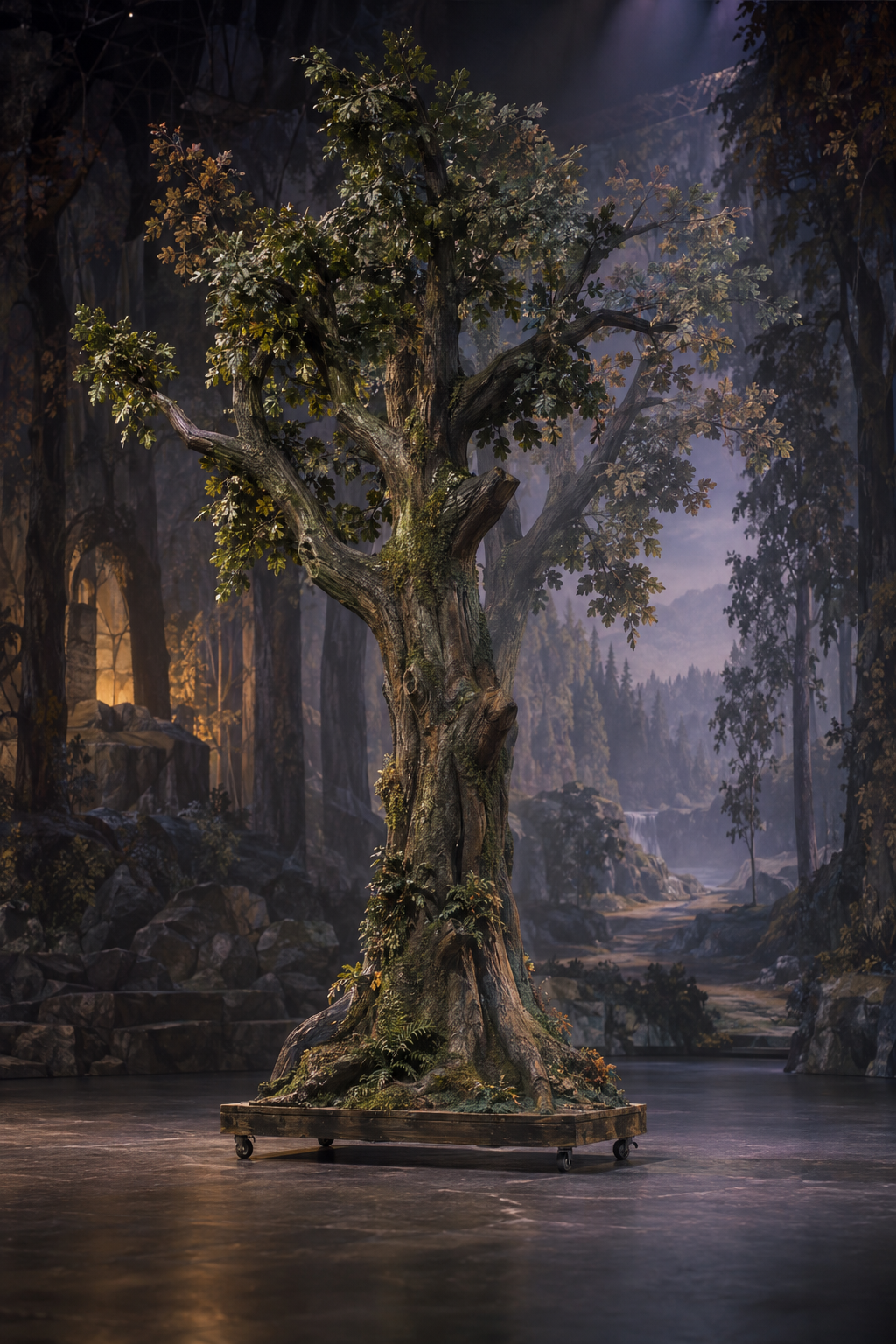
A forest that turns with the story
Examinons les alternatives :
- Modifier la requête.
- Démarrer une nouvelle conversation.
- Supprimer des sources (si elles ont été ajoutées manuellement).
Gemini Ten: Photography on the Climb to Agena Eight
Transcription
On July nineteenth, nineteen sixty-six, Gemini Ten was climbing toward Agena Eight. The day before, Michael Collins and John Young had docked with Agena Ten. A trajectory correction had left them with only half their planned fuel at docking, and they repeatedly fired Agena Ten’s engine to match orbits with Agena Eight. Collins’s first planned spacewalk was a stand-up EVA: he remained at the open hatch rather than moving away from the spacecraft. It lasted forty-nine minutes. With a seventy-millimetre camera, he took twenty-two ultraviolet images of the southern Milky Way. As the docked spacecraft entered daylight, he also photographed a coloured plate to test how accurately film recorded colour in space. For the planned second EVA, Collins put on the ELSS chestpack and unstowed an umbilical, a line carrying oxygen, communications, and nitrogen. The nitrogen was stored under pressure in the adapter section and would power the hand-held maneuvering unit, a small device for moving an astronaut with gas thrust. Fuel remained scarce. The crew rendezvoused with Agena Eight about ninety minutes before the planned EVA, shaping the timing of the next spacewalk around the mission’s limited fuel.
Examinons les alternatives :
- Modifier la requête.
- Démarrer une nouvelle conversation.
- Supprimer des sources (si elles ont été ajoutées manuellement).
The Marshall study, and what the source does not establish
After November 1964, budget pressure and NASA’s choice to emphasize crewed Earth-orbit missions sharply reduced piloted Mars-study activity. A Marshall Space Flight Center team still examined a Saturn-and-Apollo-based Mars flyby, but it remained a study concept, not a funded direct-landing program or a flown mission.[1][2][3]
| Period | Reported Mars-study activity |
|---|---|
| 17 months before November 1964 | 29 piloted planetary mission studies, costing $3.5 million.[4] |
| November 1964 through May 1966 | Four contracted studies, costing $465,000.[5] |
The change accompanied a policy shift: NASA assigned low priority to developing a new rocket after Saturn and proposed concentrating post-Apollo crewed flight on Earth orbit, using Apollo-developed technology. The later study count and spending show how markedly Mars-related study work contracted during that period.[6][7]
The Marshall study, and what the source does not establish
Separately from the general count of contracted studies, a Marshall team led by Ruppe examined a crewed Mars flyby using Saturn launch vehicles and Apollo hardware. Its February 1965 report judged such flybys technically feasible in the mid-to-late 1970s, using a modified Apollo command and service module, a pressurized hangar, and automated probes.[8]
The source mentions four later studies but does not identify them as contractor studies or describe their architectures. It therefore does not provide enough detail to compare contractor designs with Marshall’s concept. Nor does the feasibility assessment establish an approved, funded direct-landing effort or a mission that flew: it documents a study, not a flight program.[9][10]
Examinons les alternatives :
- Modifier la requête.
- Démarrer une nouvelle conversation.
- Supprimer des sources (si elles ont été ajoutées manuellement).
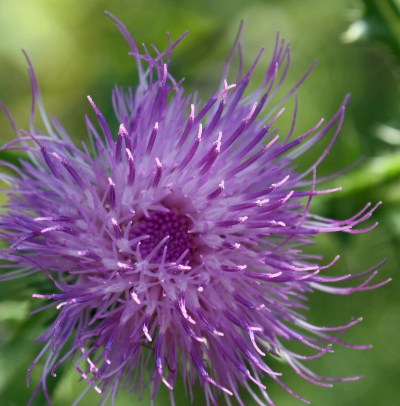
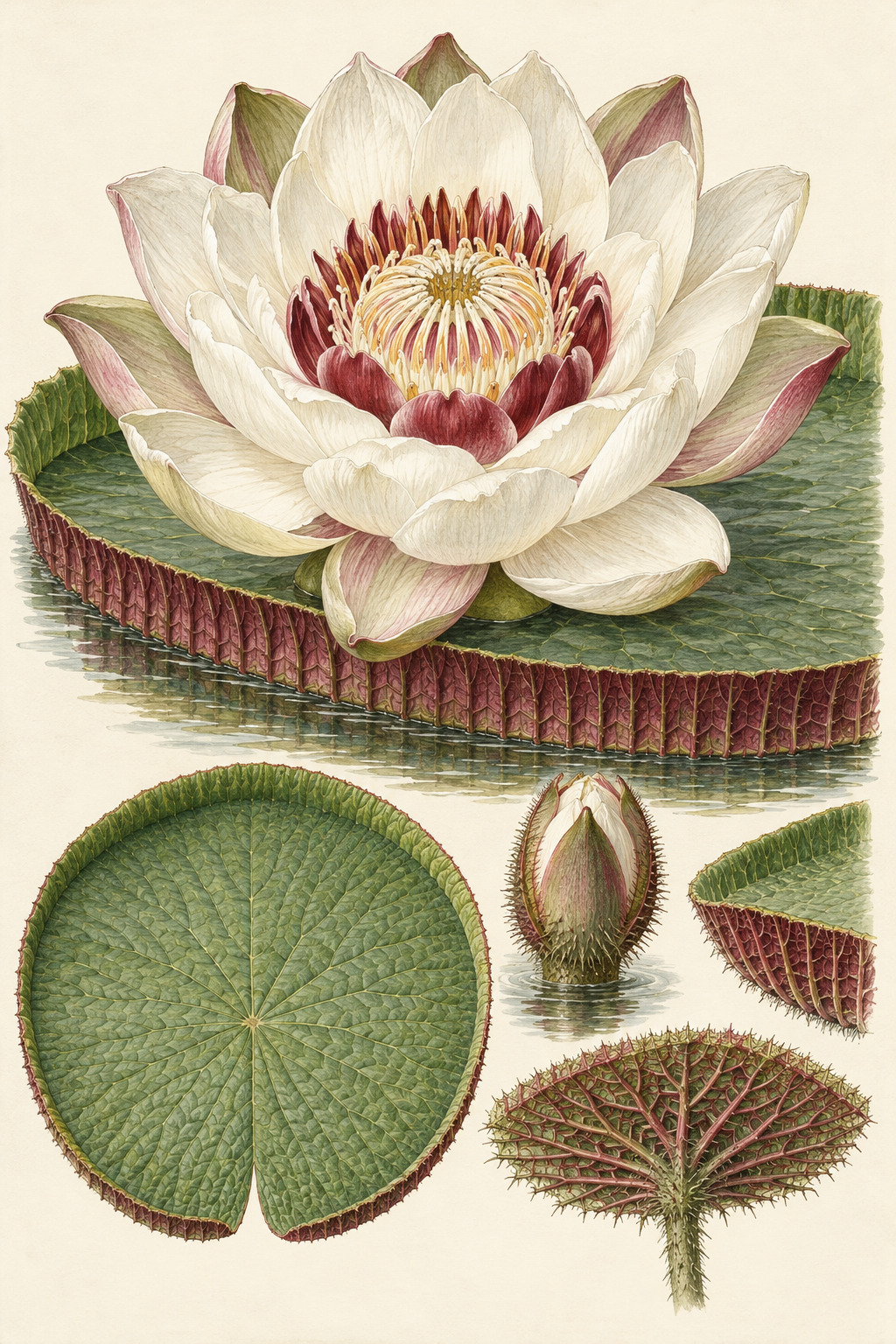
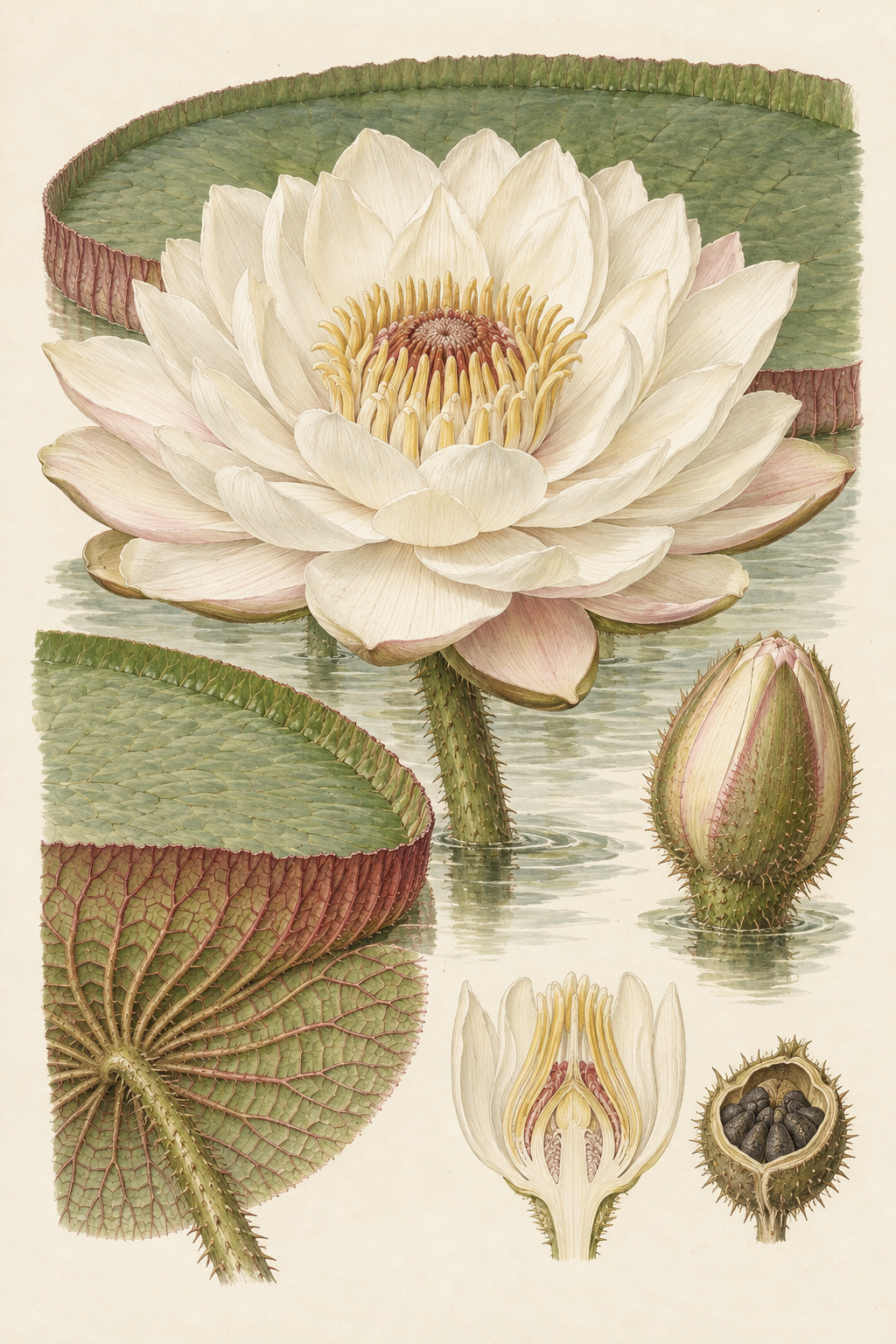
When flowers ran warm
Examinons les alternatives :
- Modifier la requête.
- Démarrer une nouvelle conversation.
- Supprimer des sources (si elles ont été ajoutées manuellement).
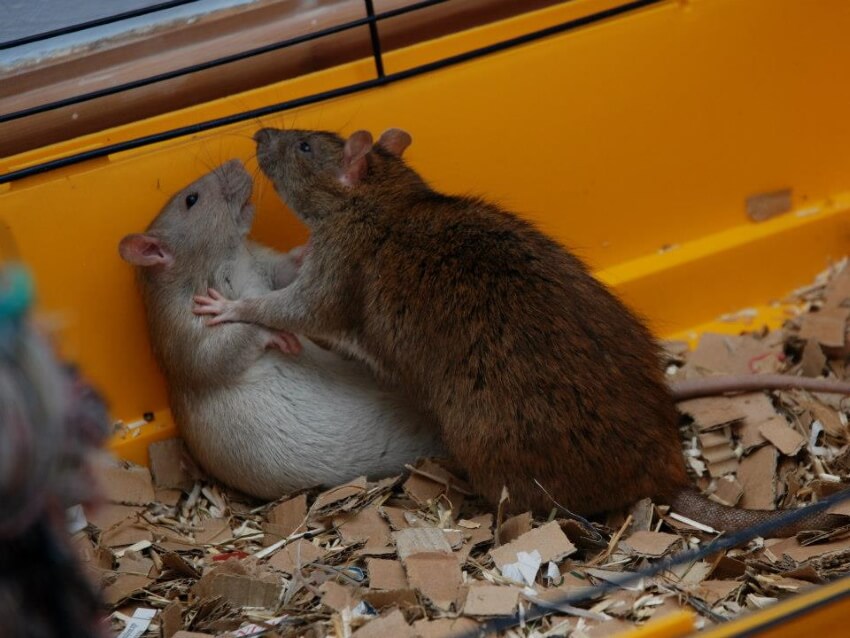
Farmyard Mothers on Guard


Examinons les alternatives :
- Modifier la requête.
- Démarrer une nouvelle conversation.
- Supprimer des sources (si elles ont été ajoutées manuellement).