Descobreix Pandipedia
Un directori creixent de respostes útils seleccionades per la comunitat de Pandi. Cerca a la col·lecció o explora els darrers descobriments.
2272 entrades disponibles

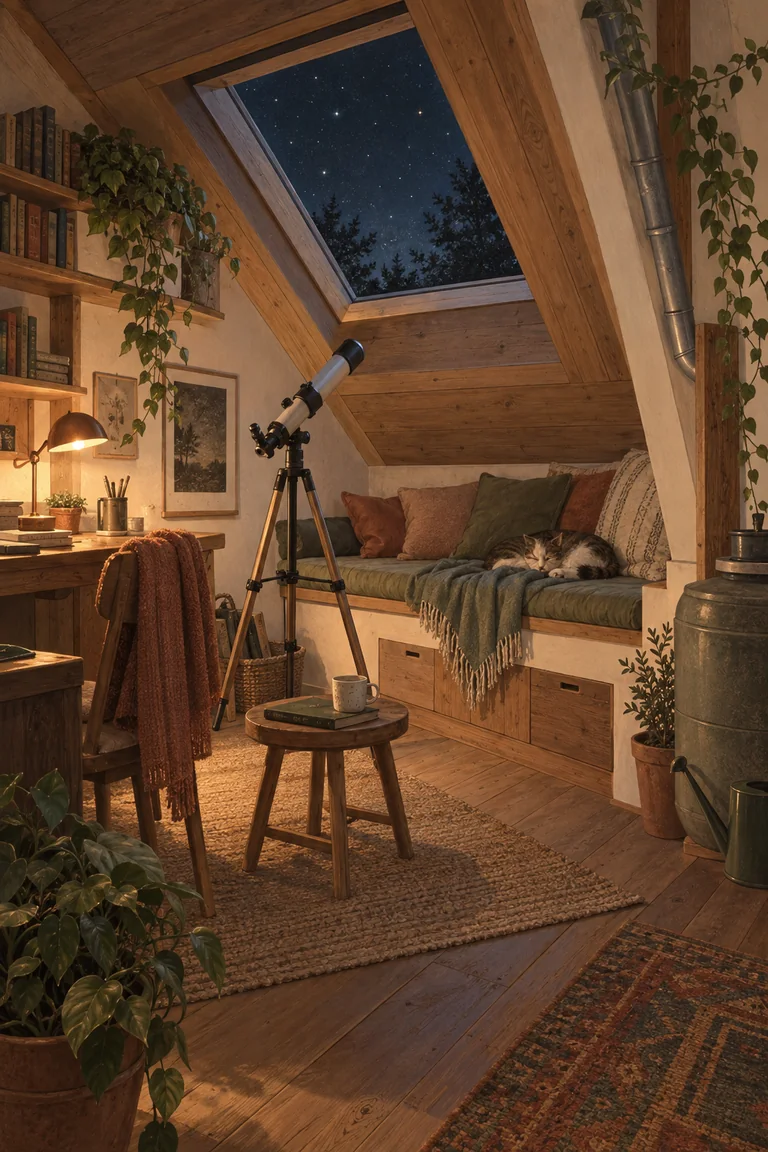
A skylight observatory tucked into the everyday home
Veiem alternatives:
- Modifica la consulta.
- Inicia un nou fil.
- Elimina les fonts (si s'han afegit manualment).
Why Gemini 12 added restraints
On Gemini 12, Aldrin installed a handbar and unfolded a handrail before his main spacewalk. During that EVA, he used waist tethers and foot restraints to hold himself at work stations while he connected and disconnected electrical and fluid fittings, tightened bolts, and tried other representative tasks. Staying positioned mattered because it freed his hands to work rather than continually using them to steady himself[1][2].
The chronology calls the complex EVA successful and says Aldrin’s condition was monitored so he could be advised to rest before fatigue developed. It does not state that twelve mobility aids were added, that eight had never flown, or the requested report finding about feasibility and workload in those terms, so those claims cannot be attributed to this text[3].
Veiem alternatives:
- Modifica la consulta.
- Inicia un nou fil.
- Elimina les fonts (si s'han afegit manualment).
A softly glowing sound companion from an imagined desktop world

Veiem alternatives:
- Modifica la consulta.
- Inicia un nou fil.
- Elimina les fonts (si s'han afegit manualment).
A lived-in corner becomes a tiny refuge of texture and memory

Veiem alternatives:
- Modifica la consulta.
- Inicia un nou fil.
- Elimina les fonts (si s'han afegit manualment).
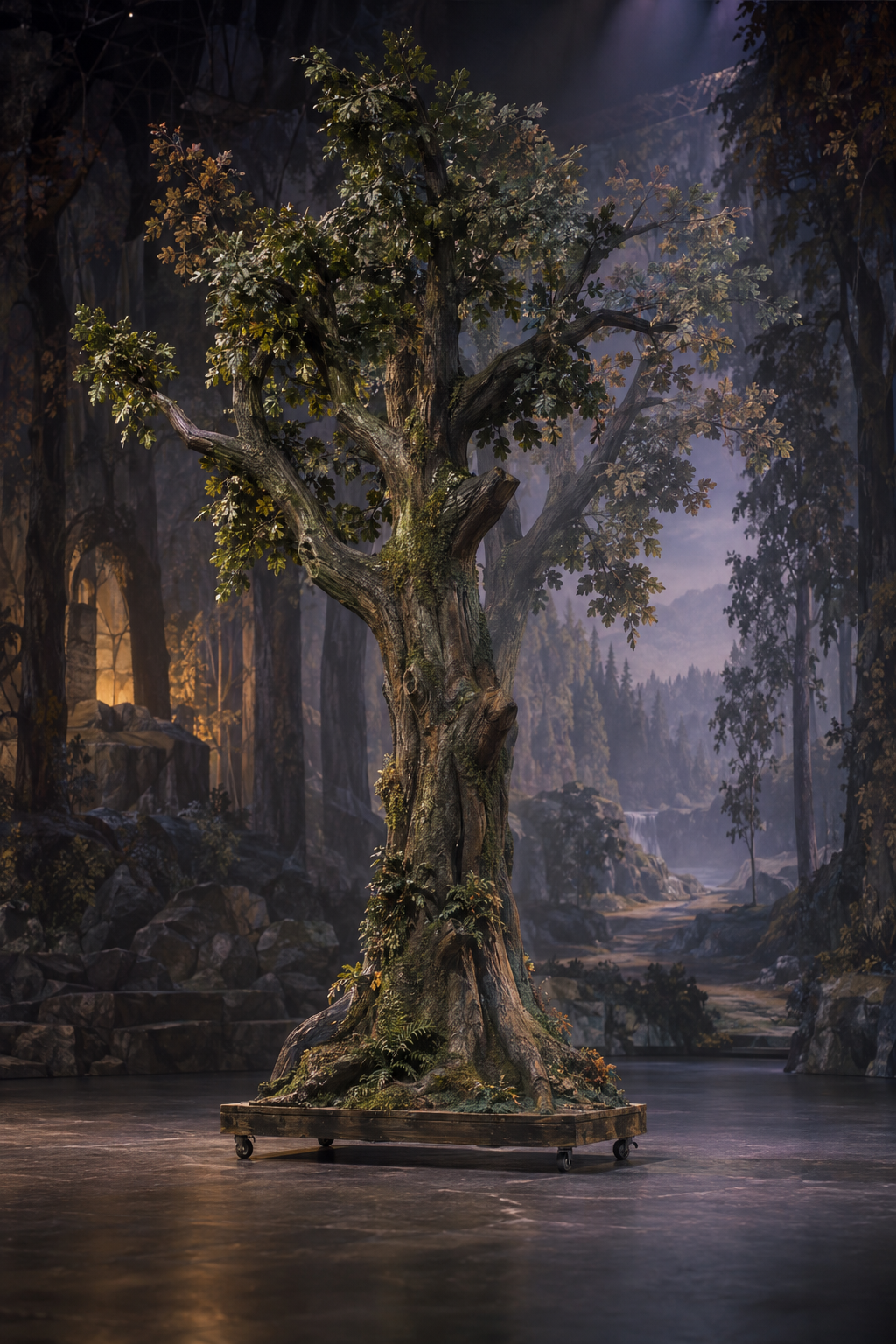
A forest that turns with the story
Veiem alternatives:
- Modifica la consulta.
- Inicia un nou fil.
- Elimina les fonts (si s'han afegit manualment).
Gemini Ten: Photography on the Climb to Agena Eight
Transcripció
On July nineteenth, nineteen sixty-six, Gemini Ten was climbing toward Agena Eight. The day before, Michael Collins and John Young had docked with Agena Ten. A trajectory correction had left them with only half their planned fuel at docking, and they repeatedly fired Agena Ten’s engine to match orbits with Agena Eight. Collins’s first planned spacewalk was a stand-up EVA: he remained at the open hatch rather than moving away from the spacecraft. It lasted forty-nine minutes. With a seventy-millimetre camera, he took twenty-two ultraviolet images of the southern Milky Way. As the docked spacecraft entered daylight, he also photographed a coloured plate to test how accurately film recorded colour in space. For the planned second EVA, Collins put on the ELSS chestpack and unstowed an umbilical, a line carrying oxygen, communications, and nitrogen. The nitrogen was stored under pressure in the adapter section and would power the hand-held maneuvering unit, a small device for moving an astronaut with gas thrust. Fuel remained scarce. The crew rendezvoused with Agena Eight about ninety minutes before the planned EVA, shaping the timing of the next spacewalk around the mission’s limited fuel.
Veiem alternatives:
- Modifica la consulta.
- Inicia un nou fil.
- Elimina les fonts (si s'han afegit manualment).
The Marshall study, and what the source does not establish
After November 1964, budget pressure and NASA’s choice to emphasize crewed Earth-orbit missions sharply reduced piloted Mars-study activity. A Marshall Space Flight Center team still examined a Saturn-and-Apollo-based Mars flyby, but it remained a study concept, not a funded direct-landing program or a flown mission.[1][2][3]
| Period | Reported Mars-study activity |
|---|---|
| 17 months before November 1964 | 29 piloted planetary mission studies, costing $3.5 million.[4] |
| November 1964 through May 1966 | Four contracted studies, costing $465,000.[5] |
The change accompanied a policy shift: NASA assigned low priority to developing a new rocket after Saturn and proposed concentrating post-Apollo crewed flight on Earth orbit, using Apollo-developed technology. The later study count and spending show how markedly Mars-related study work contracted during that period.[6][7]
The Marshall study, and what the source does not establish
Separately from the general count of contracted studies, a Marshall team led by Ruppe examined a crewed Mars flyby using Saturn launch vehicles and Apollo hardware. Its February 1965 report judged such flybys technically feasible in the mid-to-late 1970s, using a modified Apollo command and service module, a pressurized hangar, and automated probes.[8]
The source mentions four later studies but does not identify them as contractor studies or describe their architectures. It therefore does not provide enough detail to compare contractor designs with Marshall’s concept. Nor does the feasibility assessment establish an approved, funded direct-landing effort or a mission that flew: it documents a study, not a flight program.[9][10]
Veiem alternatives:
- Modifica la consulta.
- Inicia un nou fil.
- Elimina les fonts (si s'han afegit manualment).
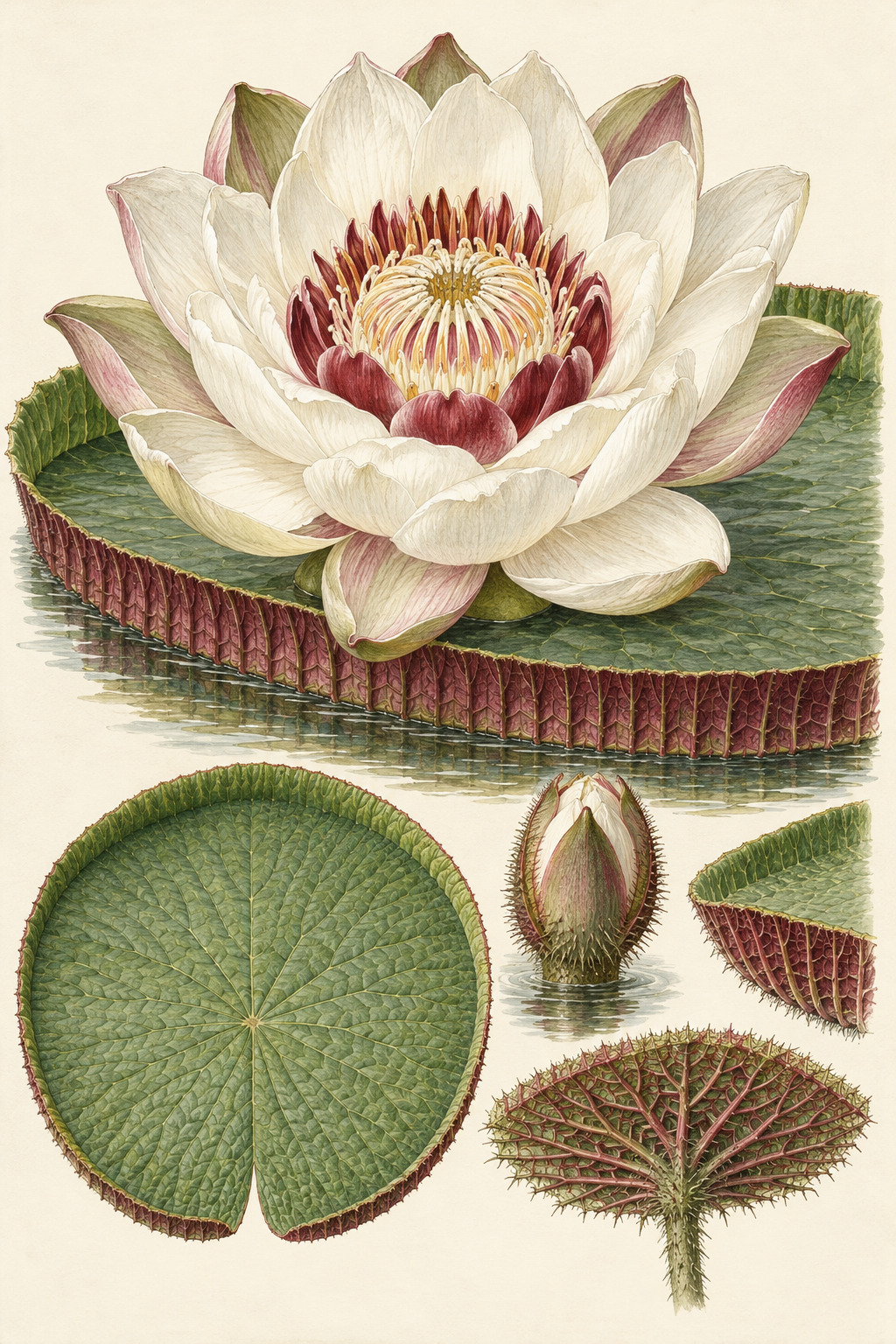
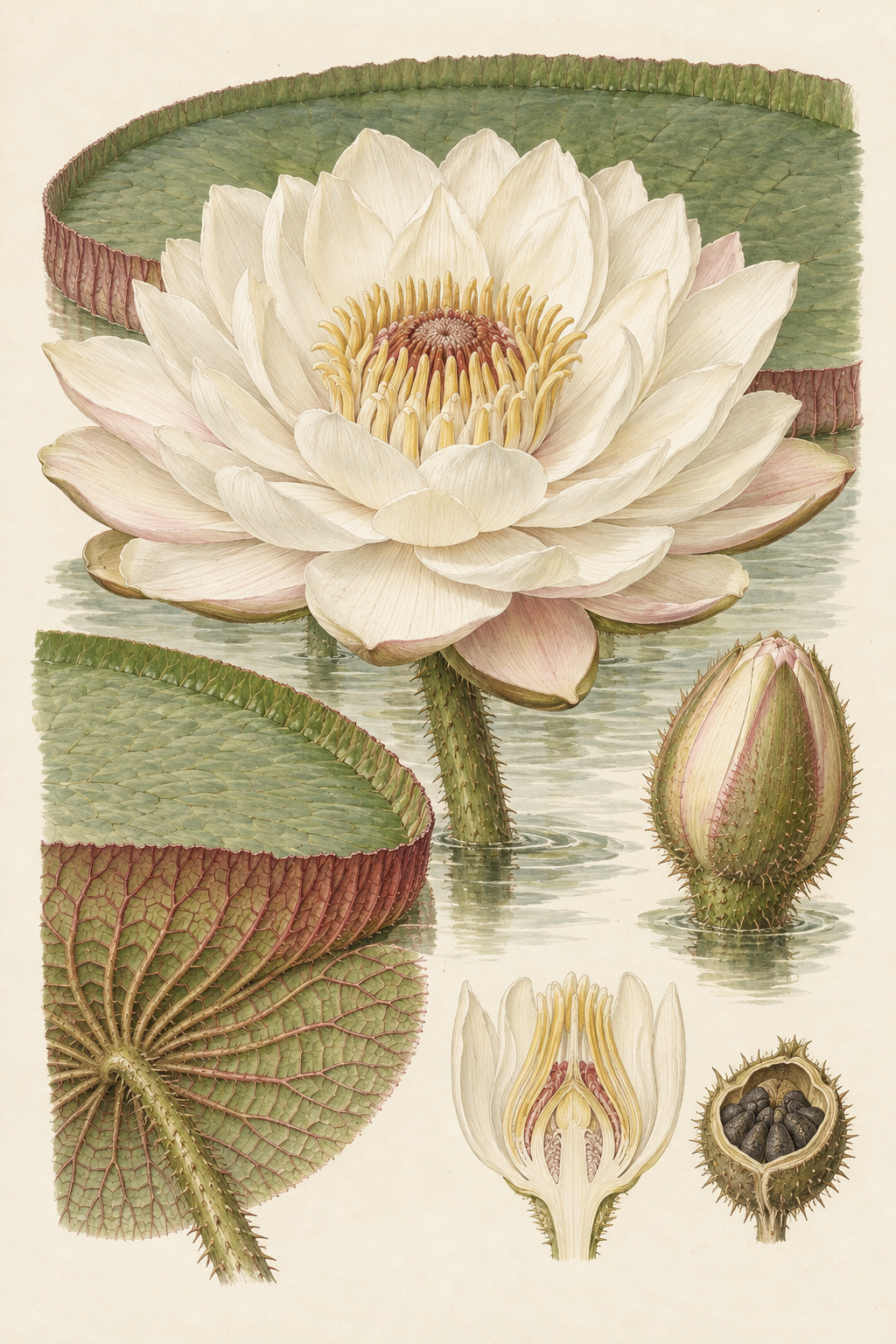
When flowers ran warm

Veiem alternatives:
- Modifica la consulta.
- Inicia un nou fil.
- Elimina les fonts (si s'han afegit manualment).
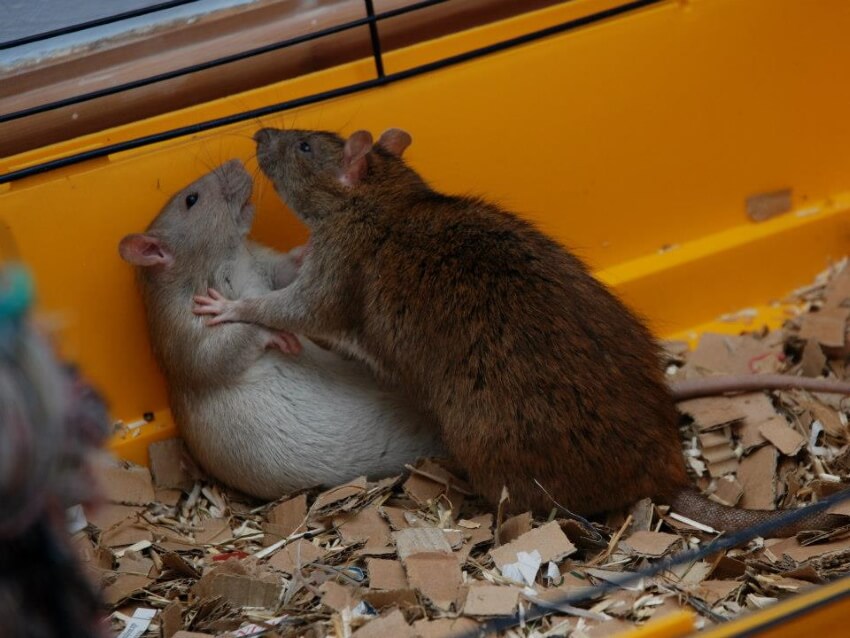
Farmyard Mothers on Guard


Veiem alternatives:
- Modifica la consulta.
- Inicia un nou fil.
- Elimina les fonts (si s'han afegit manualment).
The sand is the trap
Transcripció
An antlion larva waits at the bottom of a sandy pit.
An ant steps onto the loose slope.
As it scrambles, the grains slip beneath its feet.
The antlion flicks sand upward, helping trigger more slides.
The prey slips toward the jaws below.
A tiny hunter uses a whole slope as its trap.
Veiem alternatives:
- Modifica la consulta.
- Inicia un nou fil.
- Elimina les fonts (si s'han afegit manualment).