Descobreix Pandipedia
Un directori creixent de respostes útils seleccionades per la comunitat de Pandi. Cerca a la col·lecció o explora els darrers descobriments.
2272 entrades disponibles

A Trip To Venus - Short Movie
Transcripció
A Trip To Venus /media/short_movies/597/257399_movie.mp4 Poster: /media/short_movies/597/257399_poster.png
Veiem alternatives:
- Modifica la consulta.
- Inicia un nou fil.
- Elimina les fonts (si s'han afegit manualment).
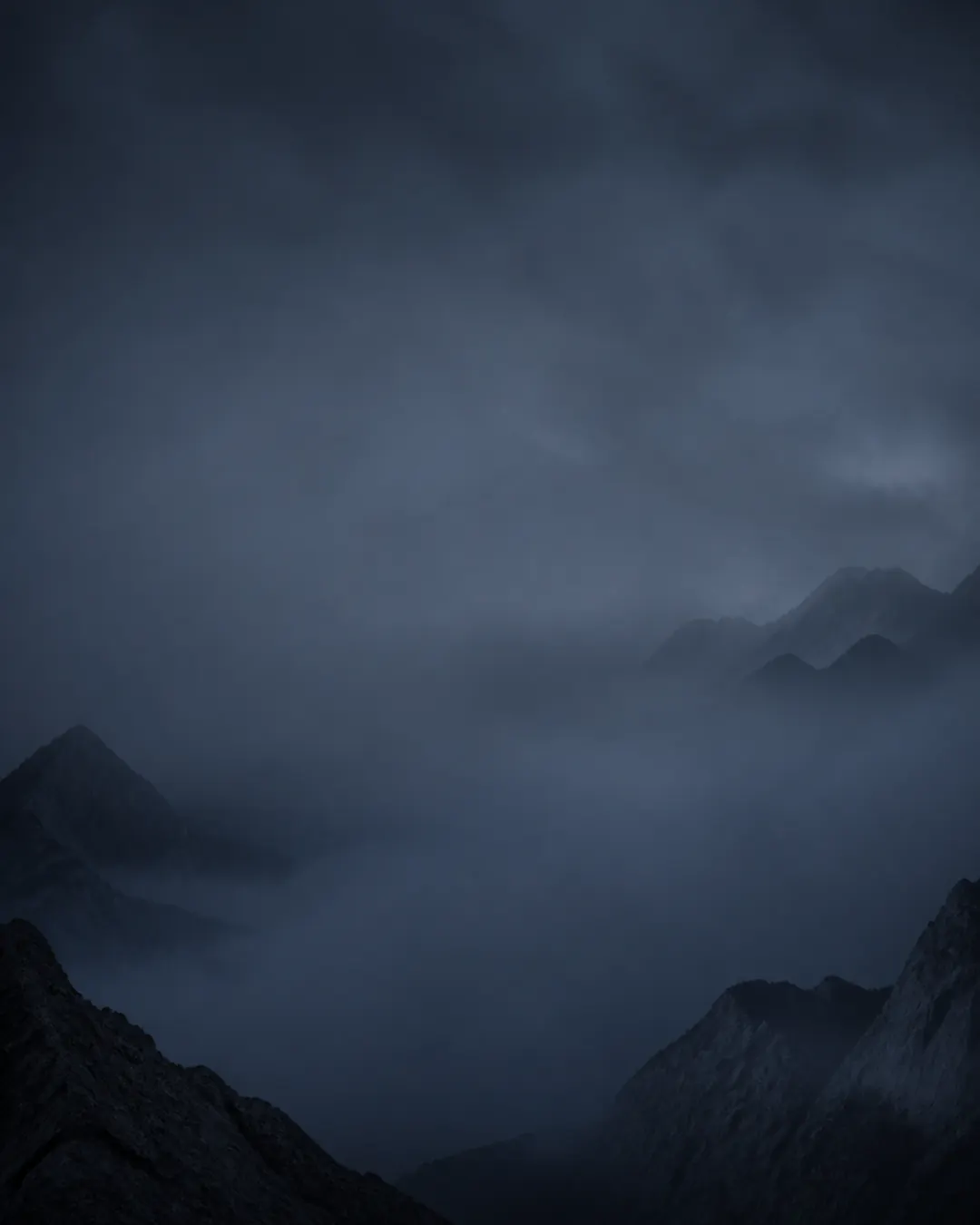
Quotes on the terrifying beauty of the Dweller

His face shone with a rapture too great to be borne by living man, and was shadowed with insuperable misery.Throckmartin



Veiem alternatives:
- Modifica la consulta.
- Inicia un nou fil.
- Elimina les fonts (si s'han afegit manualment).
What makes a viral joke?
Transcripció
A viral joke typically resonates emotionally with its audience, evoking laughter, surprise, or a sense of relatability. It often taps into current trends and pop culture references, making it timely and relevant. Humor that is simple, unexpected, and easy to share tends to spread more widely. Memes or jokes that reflect universal human experiences also enhance their shareability, encouraging people to connect and share with others[1][2][3][5].
Veiem alternatives:
- Modifica la consulta.
- Inicia un nou fil.
- Elimina les fonts (si s'han afegit manualment).
Inspiring animal parenting: birds that protect their young with clever tricks

The parent birds are no less zealous in caring for them.Charles Frederick Holder[1]



Veiem alternatives:
- Modifica la consulta.
- Inicia un nou fil.
- Elimina les fonts (si s'han afegit manualment).
What is the difference between ASMR and mindfulness?
Transcripció
ASMR, or Autonomous Sensory Meridian Response, is described as a tingling sensation that typically starts at the scalp and spreads down the neck, often triggered by specific sounds or visuals, providing relaxation and comfort. On the other hand, mindfulness is characterized by intentional self-regulation of attention and nonjudgmental awareness of the present moment. While ASMR can lead to relaxation similar to mindfulness practices, it primarily focuses on sensory experiences rather than the broader aspects of awareness and emotional regulation central to mindfulness[1][4][11].
Fonts
- What is ASMR? | Dr Clare Jonas —
- Mindfulness and autonomous sensory meridian response (ASMR)
- More Than a Feeling: How ASMR and Meditation Work in Tandem
- Published research study about mindfulness and ASMR
- What Is ASMR?
- Does ASMR Helps With Mindfulness and Improve Sleep?
- ASMR or not? The science behind a sensory phenomenon
- ASMR: what we know so far about this unique brain phenomenon – and what we don’t
- Enhancing Your Meditation Practice with ASMR
- Autonomous sensory Meridian response as a physically felt signature of positive and negative emotions
- The effects of autonomous sensory meridian response (ASMR) on mood, attention, heart rate, skin conductance and EEG in healthy young adults - Experimental Brain Research
Veiem alternatives:
- Modifica la consulta.
- Inicia un nou fil.
- Elimina les fonts (si s'han afegit manualment).
An Overview of Dieselpunk Art
An Overview of Dieselpunk Art
Defining Dieselpunk Art

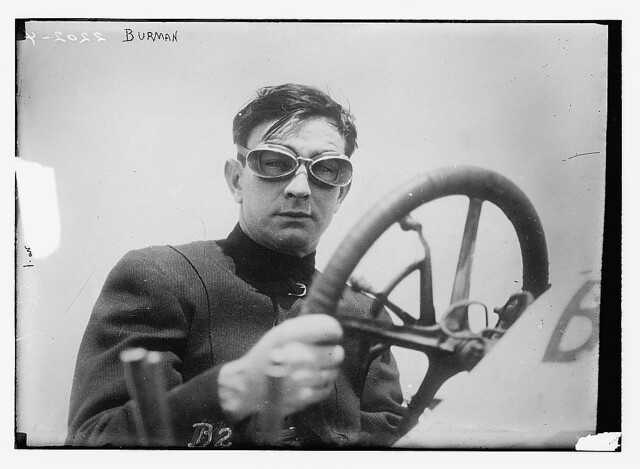
Dieselpunk is a retrofuturistic subgenre that combines the aesthetics of diesel-based technology from the interwar period through the 1950s with retro-futuristic technology and postmodern sensibilities[2]. It is a style that embraces the styles and technologies of the era, rejoicing in a prolonged Jazz Age ambiance characterized by great enthusiasm and hopes about the future[2]. As an artistic style, dieselpunk roots itself in the aesthetics and technological sophistication of the past, generally drawing inspiration from the 1920s to the 1950s, influenced primarily by the United States and Europe[4].
Influences and Inspirations


The artwork is heavily influenced by art movements prevalent in Western culture during the diesel era[2]. Key influences include Art Deco, Film Noir, pulp magazines, and commercial and industrial imagery[6]. It also borrows from various art styles, including Streamline Moderne, and World War II art and propaganda[4]. This encompasses traditional tropes and genres like pulp adventure, film noir and weird horror, blended with a contemporary aesthetic[2]. Tome Wilson noted that artists were creating a future fueled by the spirit of the Jazz Age[2].
Key Characteristics of Dieselpunk Visuals

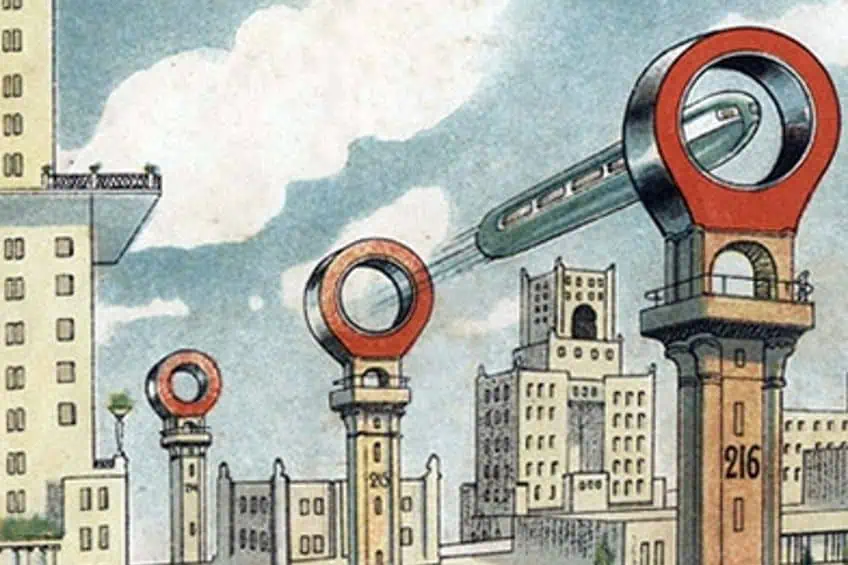
Dieselpunk art often showcases bizarre machines full of esoteric levers and cracked-glass meters, visually intense and pretty sinister-looking when photographed[2]. The style often includes dark, muted colors and an overall gritty, atmospheric feel, reminiscent of noir films and vintage science fiction illustrations[3]. It emphasizes robust diesel engines, metallic surfaces, and a sense of rugged functionality[8]. Common elements include streamlined curves, gleaming chrome, and often follows suit the luxury cars[4]. According to Iolanda Ramos, 'noir ambience' is an element of dieselpunk[2].
Themes and Styles Within Dieselpunk
Dieselpunk can be divided into two primary themes: Ottensian and Piecraftian[2]. 'Piecraftian' focuses on the aesthetics of the world wars and speculates on how human culture could theoretically cease to evolve due to constant warfare[2]. This theme continues the aesthetics of the diesel era into later periods by describing a world where survival is placed above aesthetical evolution[2]. 'Ottensian' focuses on a setting where the decadent aesthetics and utopian philosophies of the American Roaring Twenties continued to evolve unhindered by war or economic collapse[2]. Ottensian dieselpunk fiction is primarily concerned with a positive vision of technology and incorporates 'an enthusiasm for the predictions about the future'[2].
Notable Artists and Artworks
Several artists have contributed significantly to the dieselpunk movement. Shunya Yamashita's work, I Can't Explain, is considered a definitive example of dieselpunk art[2]. Kow Yokoyama is another prominent artist known for his Maschinen Krieger figurine series[2]. Other notable artists include Alexey Lipatov, Stefan Prohaczka, Keith Thompson, Rob Schwager, and Sam Van Olffen[2]. In Russia, Waldemar Kazak, known for dystopian dieselpunk art, is appreciated by the dieselpunk community[7].
Examples in Media
![12 Artists Showcase "DieselPunk" 3D Art [Article + Images] – KitBash3D](https://app.dropinblog.com/uploaded/blogs/34244460/files/DieselPunk_3D_Assets_Kit_by_Max_Bedulenko.jpg "12 Artists Showcase \"DieselPunk\" 3D Art [Article + Images] – KitBash3D")
Dieselpunk aesthetics have been applied in numerous media. Fritz Lang's Metropolis (1927) exemplifies the genre’s style and technology with large factories and pumping machinery, emphasized by German Expressionism[1]. Sky Captain and the World of Tomorrow showcases aerial dogfights amidst towering cityscapes[8]. The BioShock games are set in an alternate Earth in which fantastical cities exist in the sky and underwater utilizing Art Deco and Streamline Moderne styles[4]. The film The Rocketeer takes the popular Art Deco style as inspiration for character, vehicle, and set design[4].
Online Communities and Resources
The internet has played an important role in the development of dieselpunk[2]. Prominent online communities include Dieselpunks and Never Was Lounge[2]. Online magazines dedicated to the genre include Dieselpunk Encyclopedia, Dizelpanki, The Flying Fortress, Never Was and Vintage Future[2]. DeviantArt is known as a mixed bag of different art styles with detailed digital drawings[5]. ArtStation is a top-notch and very professional site in the digital art world[5].
The Maker Spirit
Connecting today's technology with yesterday's aesthetic requires a do-it-yourself attitude, with many people interested in the dieselpunk movement are artists of one kind or another[4]. To build a good dieselpunk project, learning about the military, architectural, and artistic styles prevalent during the 1920s to 1950s is key to designing a compelling piece of dieselpunk art[4]. Dieselpunk costumes tend to be less reliant on gadgets and gizmos than those you'll find in the steampunk movement[4].
Veiem alternatives:
- Modifica la consulta.
- Inicia un nou fil.
- Elimina les fonts (si s'han afegit manualment).
Quotes on animal intelligence versus mere instinct in parental care
It would have been impossible for me to kill this affectionate mother, who had exhibited such an example of presence of mind, reason, and sound judgment.Wilson[1]


Veiem alternatives:
- Modifica la consulta.
- Inicia un nou fil.
- Elimina les fonts (si s'han afegit manualment).
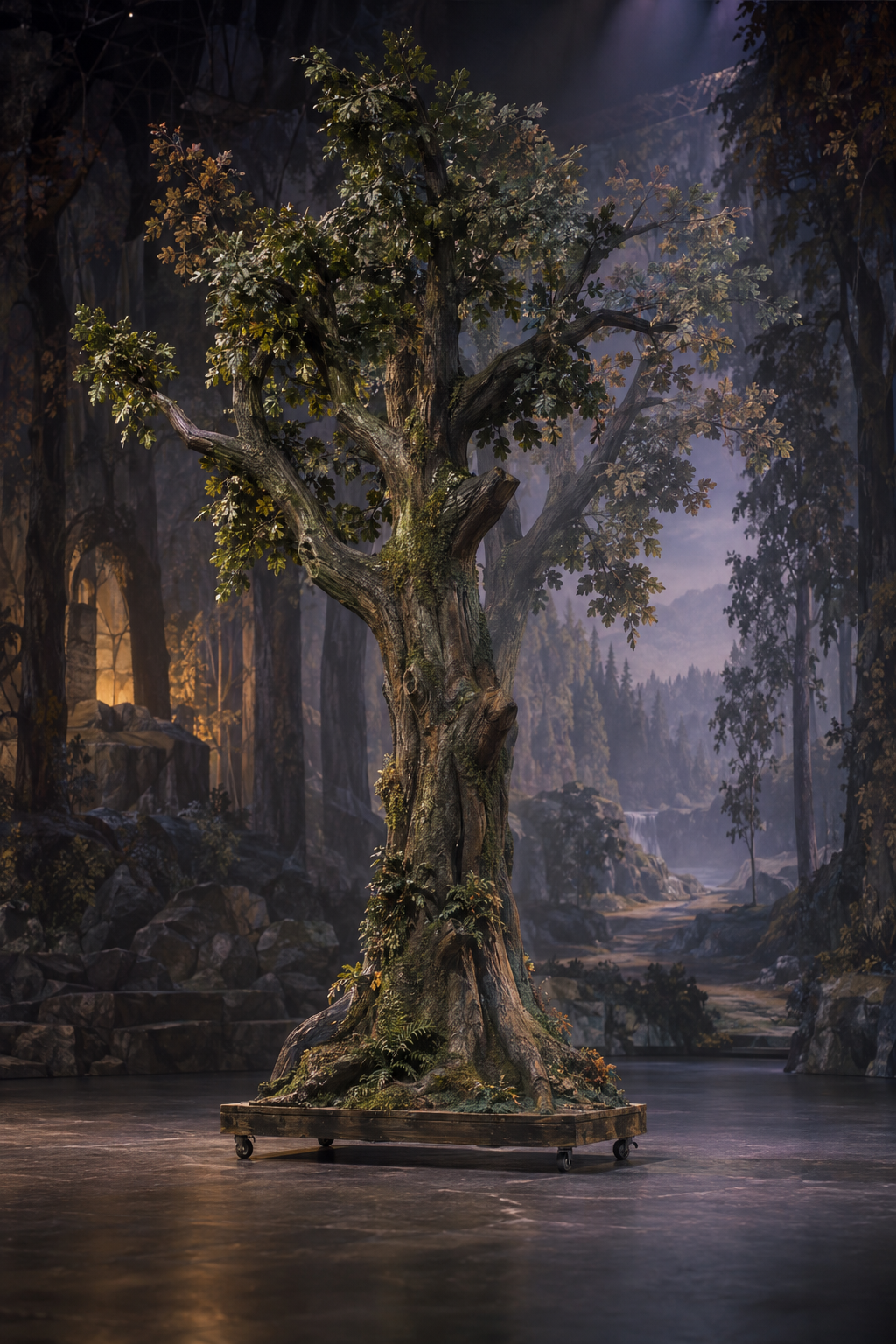
A forest that turns with the story
Veiem alternatives:
- Modifica la consulta.
- Inicia un nou fil.
- Elimina les fonts (si s'han afegit manualment).
Gemini Ten: Photography on the Climb to Agena Eight
Transcripció
On July nineteenth, nineteen sixty-six, Gemini Ten was climbing toward Agena Eight. The day before, Michael Collins and John Young had docked with Agena Ten. A trajectory correction had left them with only half their planned fuel at docking, and they repeatedly fired Agena Ten’s engine to match orbits with Agena Eight. Collins’s first planned spacewalk was a stand-up EVA: he remained at the open hatch rather than moving away from the spacecraft. It lasted forty-nine minutes. With a seventy-millimetre camera, he took twenty-two ultraviolet images of the southern Milky Way. As the docked spacecraft entered daylight, he also photographed a coloured plate to test how accurately film recorded colour in space. For the planned second EVA, Collins put on the ELSS chestpack and unstowed an umbilical, a line carrying oxygen, communications, and nitrogen. The nitrogen was stored under pressure in the adapter section and would power the hand-held maneuvering unit, a small device for moving an astronaut with gas thrust. Fuel remained scarce. The crew rendezvoused with Agena Eight about ninety minutes before the planned EVA, shaping the timing of the next spacewalk around the mission’s limited fuel.
Veiem alternatives:
- Modifica la consulta.
- Inicia un nou fil.
- Elimina les fonts (si s'han afegit manualment).
The Marshall study, and what the source does not establish
After November 1964, budget pressure and NASA’s choice to emphasize crewed Earth-orbit missions sharply reduced piloted Mars-study activity. A Marshall Space Flight Center team still examined a Saturn-and-Apollo-based Mars flyby, but it remained a study concept, not a funded direct-landing program or a flown mission.[1][2][3]
| Period | Reported Mars-study activity |
|---|---|
| 17 months before November 1964 | 29 piloted planetary mission studies, costing $3.5 million.[4] |
| November 1964 through May 1966 | Four contracted studies, costing $465,000.[5] |
The change accompanied a policy shift: NASA assigned low priority to developing a new rocket after Saturn and proposed concentrating post-Apollo crewed flight on Earth orbit, using Apollo-developed technology. The later study count and spending show how markedly Mars-related study work contracted during that period.[6][7]
The Marshall study, and what the source does not establish
Separately from the general count of contracted studies, a Marshall team led by Ruppe examined a crewed Mars flyby using Saturn launch vehicles and Apollo hardware. Its February 1965 report judged such flybys technically feasible in the mid-to-late 1970s, using a modified Apollo command and service module, a pressurized hangar, and automated probes.[8]
The source mentions four later studies but does not identify them as contractor studies or describe their architectures. It therefore does not provide enough detail to compare contractor designs with Marshall’s concept. Nor does the feasibility assessment establish an approved, funded direct-landing effort or a mission that flew: it documents a study, not a flight program.[9][10]
Veiem alternatives:
- Modifica la consulta.
- Inicia un nou fil.
- Elimina les fonts (si s'han afegit manualment).